How to Thicken Lemon Curd for a Perfect Cheesecake Topping?

How to Thicken Lemon Curd for a Perfect Cheesecake Topping?

The Sinking Feeling of Runny Curd

You spend hours perfecting a creamy lemon cheesecake, only to watch your homemade lemon curd pool into a sad, puddle-like mess the moment you spoon it on. It’s a common frustration — and one that has a clear, fixable cause. Lemon curd needs to reach just the right internal temperature and have the proper ratio of eggs, sugar, acid, and fat to set up thick enough to sit proudly on top of a slice. Let’s break down exactly how to get that swoon-worthy, dollop-holding consistency.

Why Did My Milk Bread Turn Into a Dense Pound Cake?

Why Did My Milk Bread Turn Into a Dense Pound Cake?

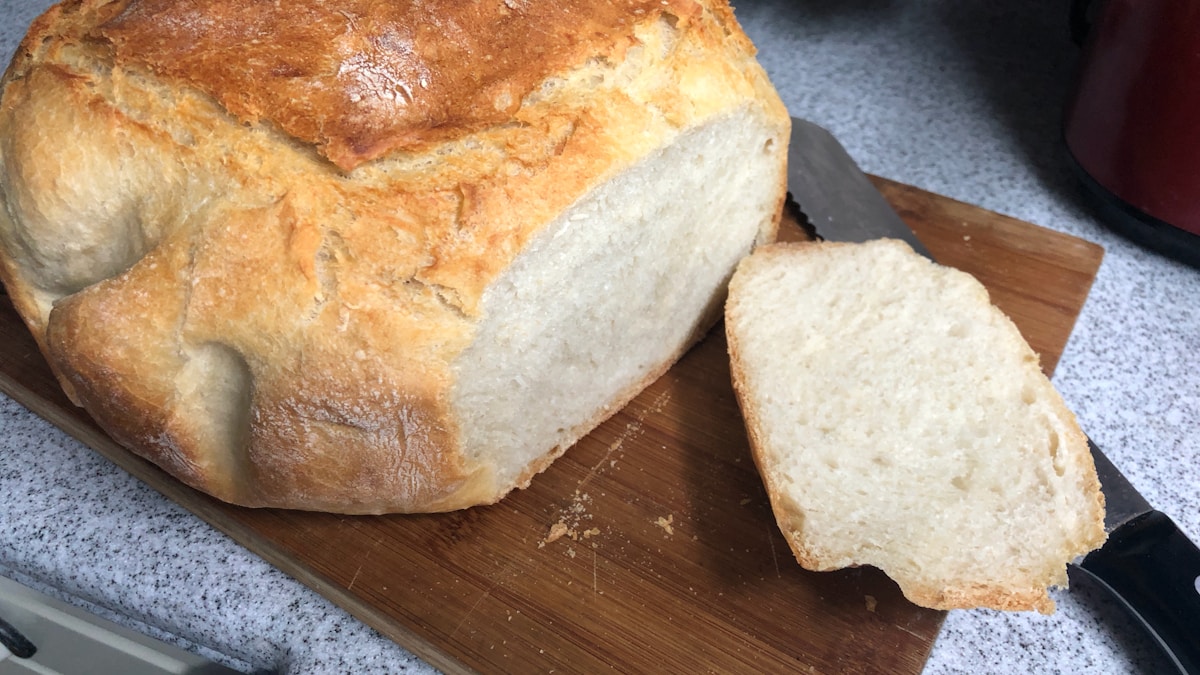
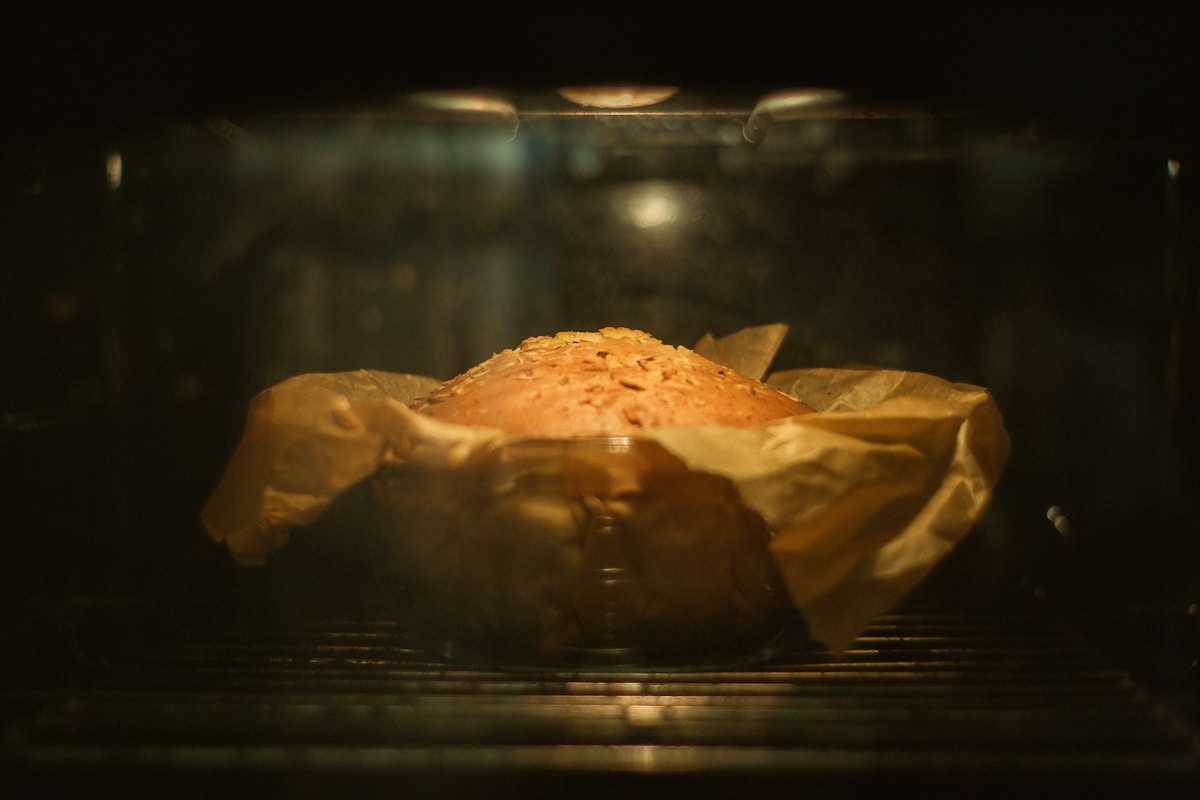
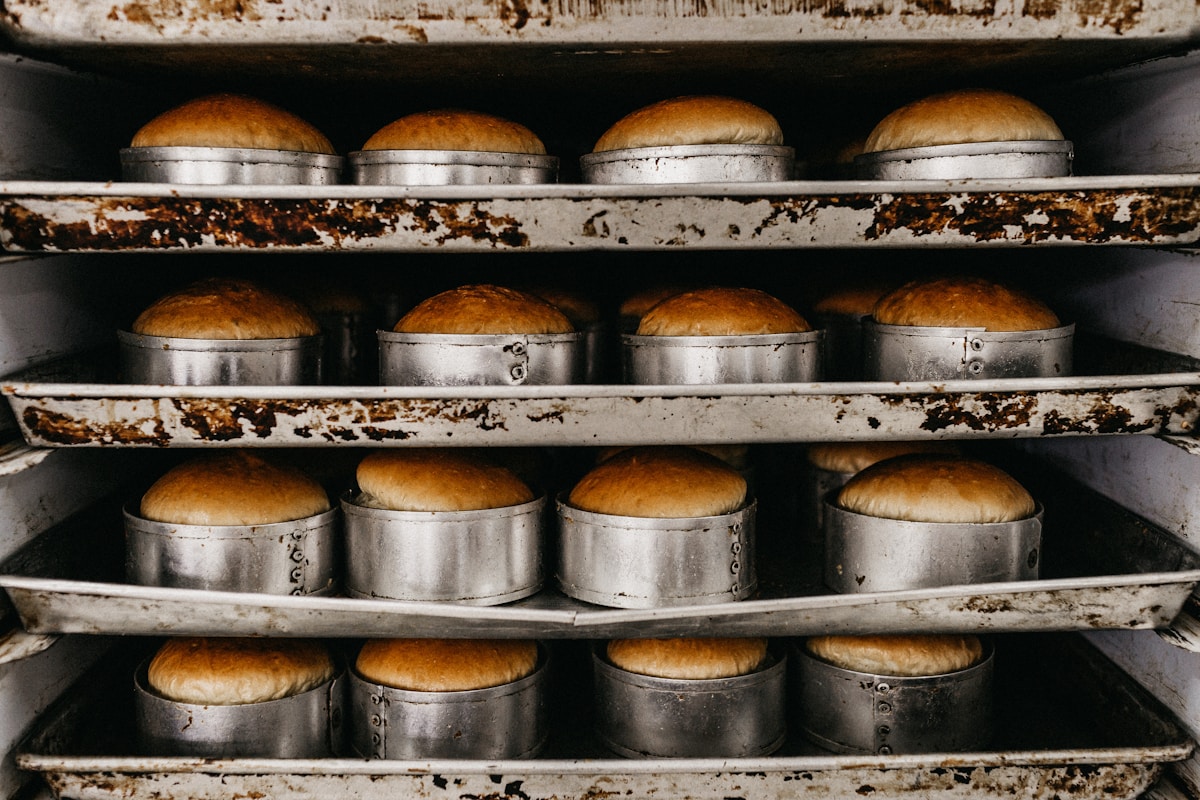
You carefully measured everything. You followed the steps. Yet when you pulled your milk bread from the oven, it looked more like a confused pound cake — dense, squat, and stubbornly un-fluffy. Sound familiar? It happened to a Reddit baker recently, and it happens to home bakers every day. The good news? The problem is almost always one of three things: a failed tangzhong, over-kneading, or under-proofing. And each of these is fixable with a little understanding of the science behind that gloriously soft Japanese milk bread.

Why Did My Lemon Blueberry Cake Turn Out Dense?

Why Did My Lemon Blueberry Cake Turn Out Dense?

You pull a beautiful lemon blueberry cake from the oven, eager for that burst of citrus and berry in every bite. But as you slice into it, the texture feels… heavy. Dense. Like a pound cake that forgot to be light. You followed the recipe from Sally’s Baking Addiction, a site known for reliability. What went wrong?

Why Did My Nut Cake Sink in the Middle?

Why Did My Nut Cake Sink in the Middle?

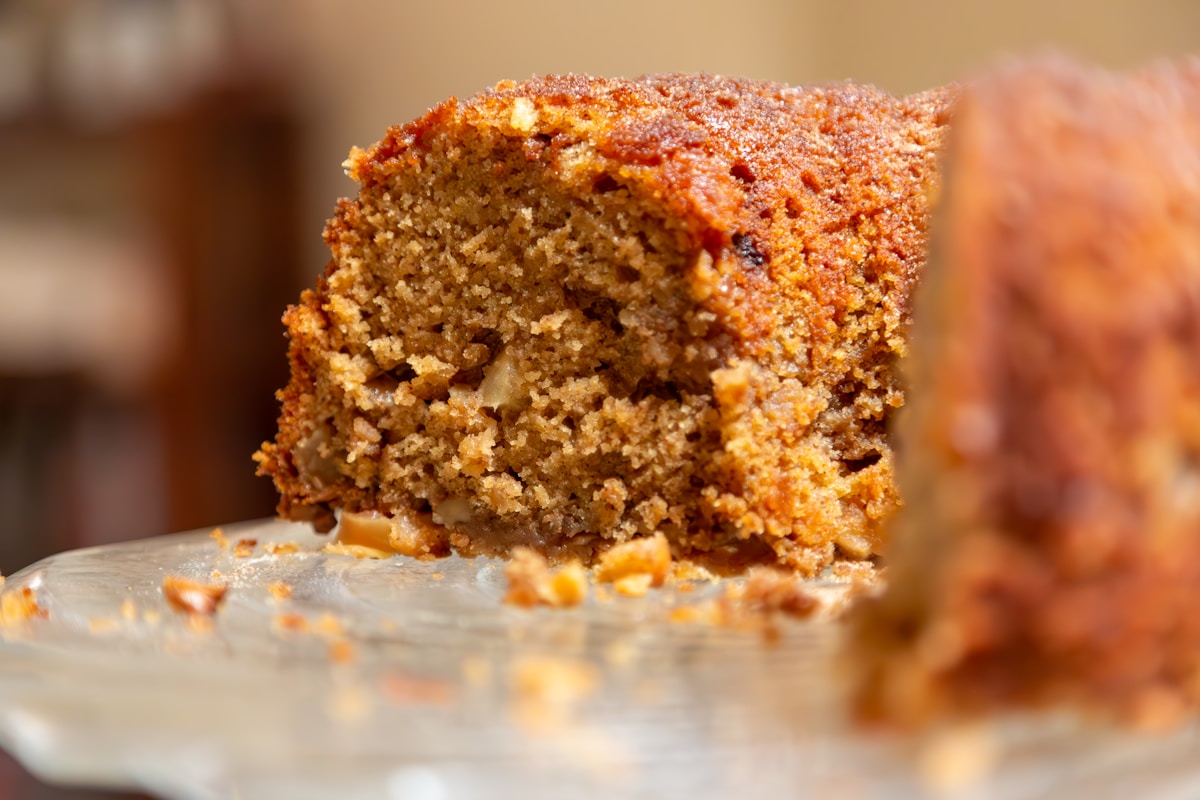
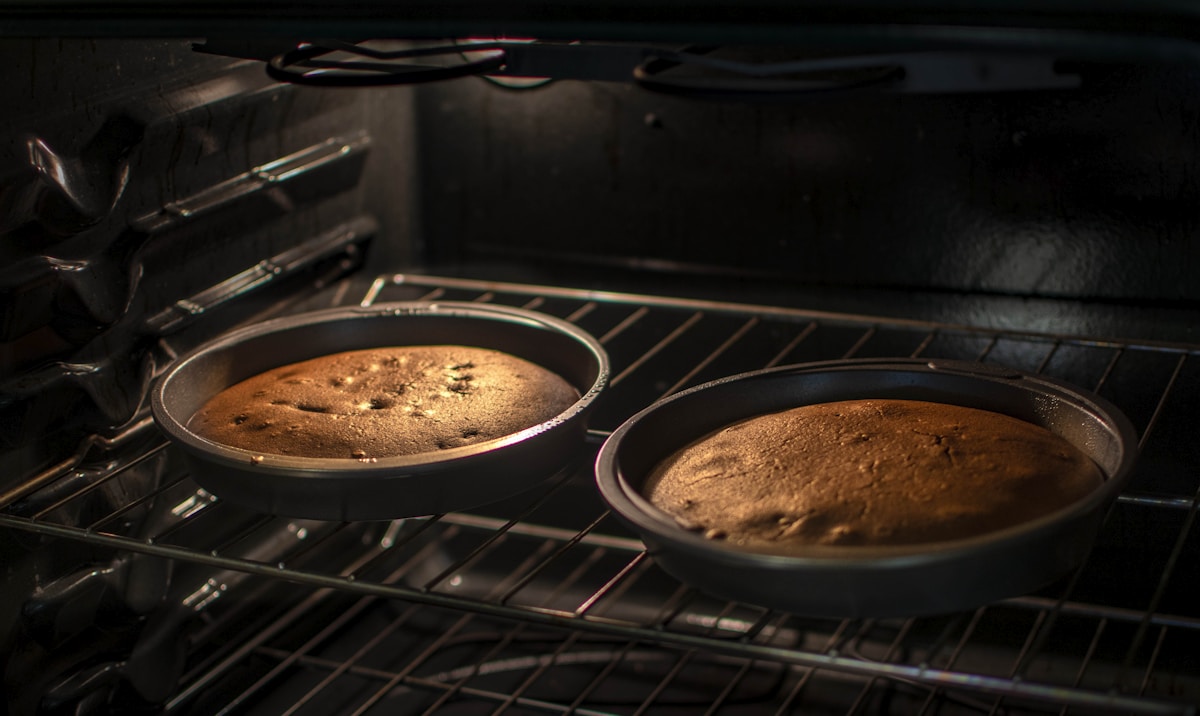
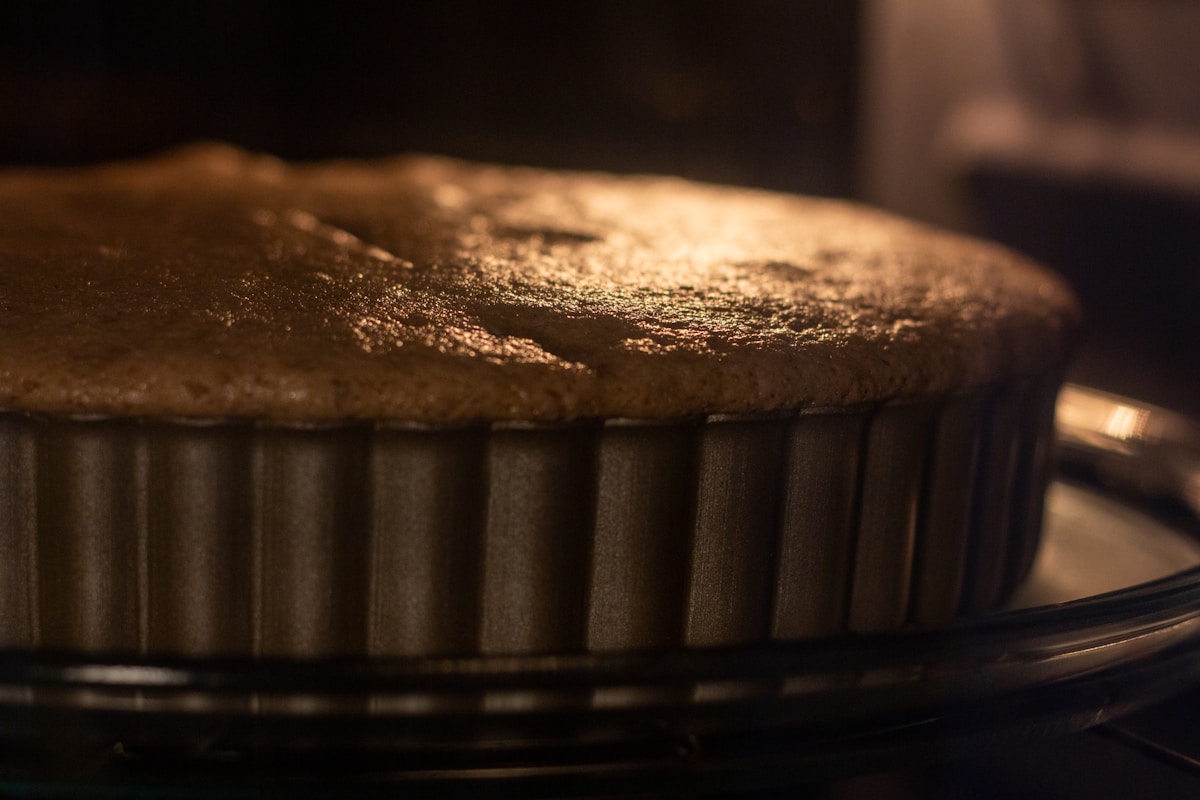
If you’ve ever pulled a cake out of the oven only to watch it deflate like a sad balloon, you’re in good company. A recent Reddit post showed a mom’s nut cake that collapsed so dramatically it became a family joke. But behind the laughter is a very real baking frustration—especially when you’ve put love and expensive ingredients into that batter. I’ve been there, and I promise it’s not your fault. Nut cakes are tricky, but once you understand why they sink, you can fix it for good.

How Can I Fix My Ovens Annoying Hot Spots for Even Baking

How Can I Fix My Ovens Annoying Hot Spots for Even Baking

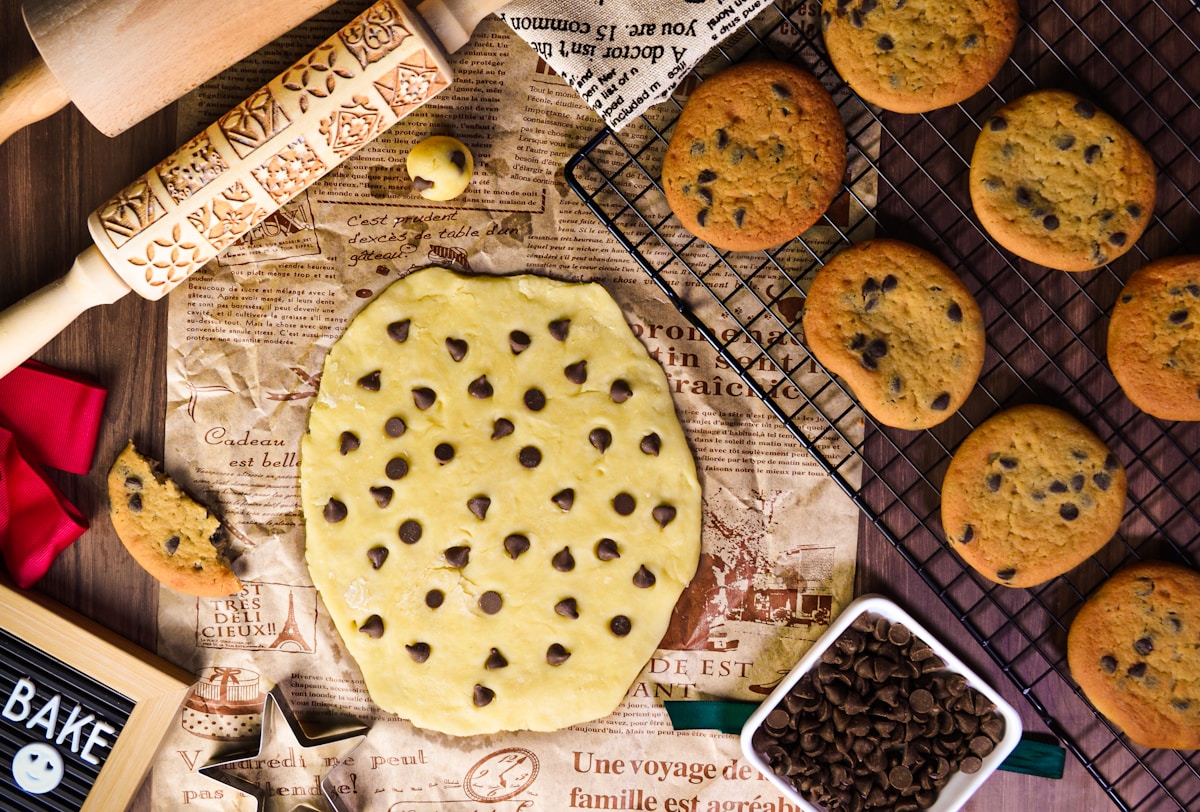
You know the feeling. The timer goes off, and you pull a tray of what should be perfect chocolate chip cookies from the oven. But it’s a scene of culinary tragedy. The cookies in the back are dark brown, with crispy, almost-burnt edges. The ones in the front look pale and doughy, clearly needing more time. Or maybe it’s the birthday cake that looks gloriously golden on top, but a tester comes out coated in wet batter from the center.

Why Does My Beautiful Cake Taste So Bad?

Why Does My Beautiful Cake Taste So Bad?

It’s a moment of pure creative triumph. You’ve pulled a set of perfectly golden cake layers from the oven. They’ve cooled, you’ve stacked them, and applied a buttercream finish that looks like it came straight from a magazine cover. Then comes the moment of truth: the first bite. Instead of tender, flavorful perfection, you get… dense, gummy, or tough. Maybe it just tastes flat and overly sweet.

What Is The Best Way To Stabilize Whipped Cream Frosting?

What Is The Best Way To Stabilize Whipped Cream Frosting?

There’s a uniquely heartbreaking moment in baking that many of us know too well. You’ve baked a perfect cake, cooled it, and frosted it with what looked like luscious, billowy clouds of whipped cream. But an hour later, you see it: the slump. The once-sharp piped edges are softening, and a sad, watery puddle is forming at the base. Your masterpiece is weeping.

Why Are My Apple Pie Apples Still Crunchy and Raw

Why Are My Apple Pie Apples Still Crunchy and Raw

It’s one of the most heart-sinking moments in baking. The timer buzzes. You pull a masterpiece from the oven—an apple pie with a perfectly golden, flaky, latticed crust, smelling of cinnamon and caramelized sugar. You let it cool (impatiently), slice into it with pride, and serve it up. Then, the first bite. Instead of a soft, yielding, jammy apple filling, you get… crunch. The apples are firm, starchy, and stubbornly raw.

What Do You Do When No One Eats Your Homemade Cake?

What Do You Do When No One Eats Your Homemade Cake?

It’s a moment many of us know all too well. You’ve spent hours in the kitchen, a place of methodical magic, carefully measuring, mixing, and monitoring. You’ve created a masterpiece—perhaps a delicate choux au craquelin, its crisp shell giving way to a silky crème pâtissière and a cloud of Chantilly cream. You present it, full of pride, only to watch your family reach for a bag of salty chips instead.

How Can I Get Perfectly Flat and Even Cake Layers Every Time

How Can I Get Perfectly Flat and Even Cake Layers Every Time

You’ve done everything right. You followed the recipe to the gram, used room temperature eggs, and sifted your flour. You divide the batter perfectly between three identical pans and slide them into your preheated oven with a hopeful heart. Thirty minutes later, you pull them out and face the classic baker’s frustration: one cake is perfectly flat, one has a dome worthy of a national monument, and the third looks like a geological slump.

How Do You Know When An Apple Pie Is Perfectly Baked

How Do You Know When An Apple Pie Is Perfectly Baked

There are few kitchen moments more deflating than pulling a magnificent, golden-brown apple pie from the oven, only to slice into it and find a watery, crunchy mess. The crust looked perfect, the kitchen smells divine, but the filling is a soupy disaster. This isn’t a failure of your baking spirit; it’s a simple, common miscalculation of doneness.

Why Are the Apples in My Homemade Pie Still Crunchy?

Why Are the Apples in My Homemade Pie Still Crunchy?

There’s a specific kind of culinary heartbreak that every baker knows. The scene is perfect: your apple pie emerges from the oven, a masterpiece of golden-brown latticework, its sugary crust glistening under the kitchen lights. The aroma of cinnamon and baked apples fills the air. You let it cool (with incredible restraint), slice into it, and serve a generous wedge. Then, the moment of truth arrives with the first bite… and it’s met with a distinct, disappointing crunch.

How Can I Get My Cakes to Bake Evenly Every Time?

How Can I Get My Cakes to Bake Evenly Every Time?

You did everything right. You measured the flour perfectly, brought your eggs to room temperature, and creamed the butter and sugar until it was impossibly light and fluffy. You divided the batter with painstaking precision between two identical cake pans. You slid them into the preheated oven, set the timer, and waited for the magic to happen.

Why Does My Swiss Meringue Buttercream Keep Breaking?

Why Does My Swiss Meringue Buttercream Keep Breaking?

It’s a moment every aspiring baker has faced. You’ve carefully followed the steps. You’ve watched the egg whites and sugar transform into a glossy, beautiful meringue. You begin adding the butter, piece by piece, and then it happens. The pristine white cloud collapses into a curdled, weeping, soupy mess. Your heart sinks. It looks completely ruined.

Why Did My Swiss Meringue Buttercream Curdle or Turn Soupy

Why Did My Swiss Meringue Buttercream Curdle or Turn Soupy

There’s a moment of pure panic that every baker making Swiss meringue buttercream for the first time experiences. You’ve followed the instructions perfectly. You gently heated your egg whites and sugar, whipped them into a glorious, glossy meringue, and started adding the butter. Then, disaster strikes. Your beautiful fluff collapses into a greasy, soupy puddle, or it breaks into a lumpy, curdled mess that looks like cottage cheese.

Why Is My Apple Pie Filling Crunchy Or Mushy

Why Is My Apple Pie Filling Crunchy Or Mushy

There are few kitchen moments as promising as pulling a golden-brown apple pie from the oven. The crust is flaky, the sugary top is glistening, and the whole house smells of cinnamon and comfort. You let it cool (impatiently), slice into it, and serve a generous portion. Then comes the test: the first bite. Instead of tender, yielding apples, your fork meets a disappointing crunch. Or, perhaps you have the opposite problem—a filling that has collapsed into a bland, formless applesauce.

Why Is There Always a Gap In My Apple Pie?

Why Is There Always a Gap In My Apple Pie?

There are few kitchen moments more satisfying than pulling a perfect, golden-brown apple pie from the oven. The buttery aroma fills the air, the crust is latticed beautifully, and you can just imagine the warm, spiced filling inside. But then comes the moment of truth: you cut that first slice, and your heart sinks. A cavernous gap has formed between the top crust and the shrunken, compacted apple filling.

Why Did My Swiss Meringue Buttercream Turn Soupy or Curdled?

It’s a moment of pure kitchen despair. You’ve carefully whisked your egg whites and sugar over a double boiler, whipped them into a glossy, magnificent meringue, and begun adding your butter. Then, the transformation happens—not into the silky, ethereal frosting you dreamed of, but into a soupy, greasy puddle or a lumpy, curdled mess. It feels like a total failure, but I’m here to tell you it’s not. You haven’t ruined it; you’ve just encountered a classic chemistry problem. And the best part about chemistry problems? They have solutions.

How Can I Stop Edible Flowers From Burning On My Cookies?

How Can I Stop Edible Flowers From Burning On My Cookies?

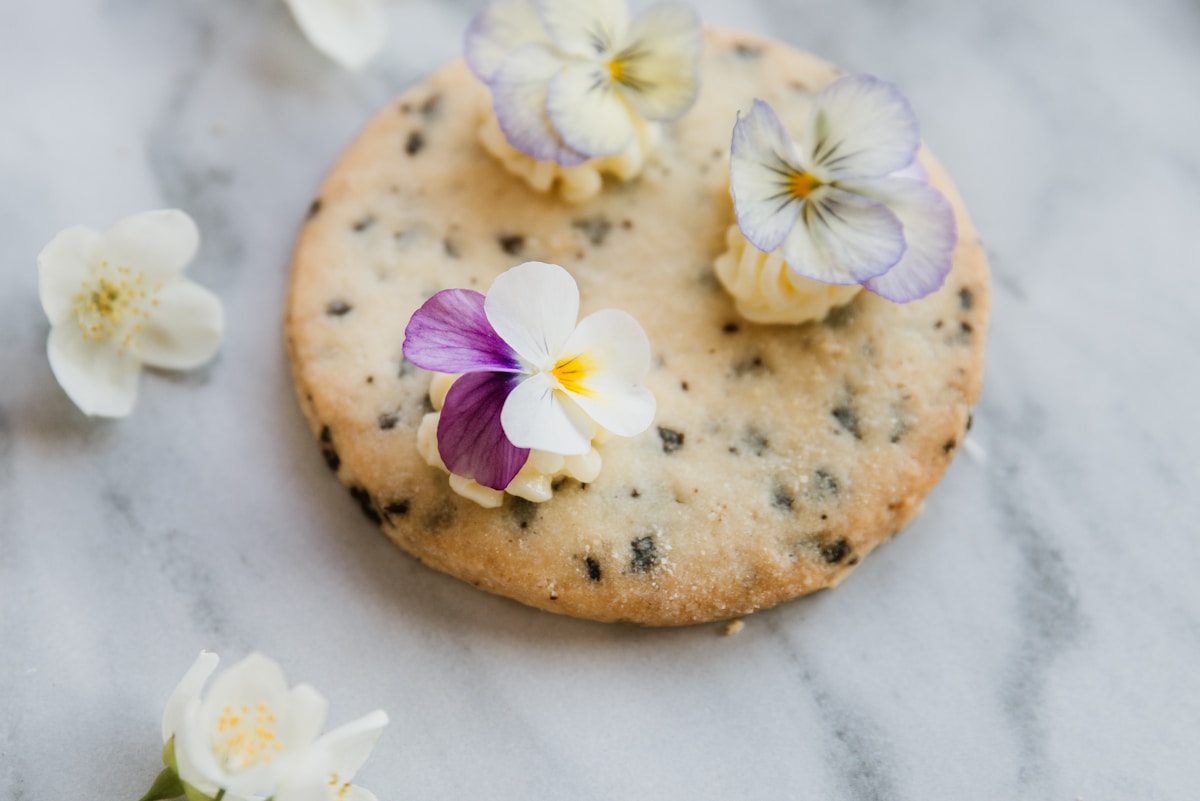
There are few things more satisfying than pulling a tray of perfectly golden shortbread from the oven. And when you’ve taken the time to press delicate, colorful flower petals onto each one, the anticipation is even greater. You imagine the floral scent, the buttery crumble… but then you see it. The cookies are perfect, but the beautiful petals are scorched, brown, and bitter.

How Do I Stop My Tall Birthday Cake From Collapsing

How Do I Stop My Tall Birthday Cake From Collapsing

There’s a moment of pure kitchen panic that every ambitious parent-baker knows. You’ve spent hours baking the perfect layers, whipping up silky buttercream, and lovingly decorating a birthday cake masterpiece for your little one. You step back to admire your work… and you see it. The slow, sickening, heart-stopping lean. Is it your imagination? No, the top tier is definitely starting to slide. Suddenly, your towering confection looks less like a celebration and more like the Leaning Tower of Pisa.

How Do I Stop Jam From Leaking Out of My Layer Cake?

How Do I Stop Jam From Leaking Out of My Layer Cake?

You’ve done everything right. The cake layers are perfectly baked—level, tender, and fragrant. The vanilla buttercream is whipped to a silky, cloud-like consistency. The blueberry jam, glistening and jewel-toned, is ready to be the star of the show. You assemble your masterpiece with care, step back to admire your work, and then you see it: the dreaded bulge. A slow, heartbreaking ooze of jam begins to escape, turning your pristine creation into a sticky, unstable mess. It’s a moment of pure baking deflation.

How can I prevent apples from being crunchy in my pie?

How can I prevent apples from being crunchy in my pie?

The moment of truth arrives. Your apple pie is a masterpiece, pulled from the oven with a perfectly golden, flaky crust that shimmers with a light dusting of sugar. The entire kitchen smells of cinnamon, butter, and caramelized fruit. You slice into it, the crust gives a satisfying crackle, and you serve a perfect wedge. You take the first bite, anticipating soft, tender apples mingling with spice, but instead… crunch. The apples are firm, resisting, almost raw.

How Do You Make Whipped Cream Frosting Stable Enough for a Cake?

How Do You Make Whipped Cream Frosting Stable Enough for a Cake?

There’s a moment every baker knows. The cake layers are perfect—level and fragrant. The kitchen is filled with the sweet promise of dessert. You whip heavy cream into a billowy, ethereal cloud of perfect peaks. You fill your piping bag, apply the first beautiful rosette, and then… you watch in slow-motion horror as it begins to soften, slump, and weep. It’s a frustratingly common problem, but it’s not a mystery. It’s chemistry.

How Do You Keep Fresh Strawberries From Making a Cake Soggy

How Do You Keep Fresh Strawberries From Making a Cake Soggy

There are few sights in the kitchen as purely joyful as a cake adorned with fresh, vibrant strawberries. It speaks of spring picnics, family birthdays, and warm, sunny afternoons. It’s a promise of sweetness and light. But there’s a shadow that haunts every baker who attempts this beautiful feat: the dreaded strawberry bleed.

How Do I Keep My Checkerboard Cookies From Spreading

How Do I Keep My Checkerboard Cookies From Spreading

There are few moments in baking more visually satisfying than slicing into a log of checkerboard cookie dough. You’ve carefully assembled the alternating strips of vanilla and chocolate, creating a perfect mosaic. But then, the oven happens. You watch in dismay as your sharp, geometric squares relax, spread, and melt into sad, blurry circles. The pattern you worked so hard on is gone. It’s a common frustration, but I assure you, it’s not a mystery. The solution lies in understanding the simple chemistry of your dough, particularly the behavior of one key ingredient: butter.

How Can I Stop My Homemade Steamed Buns From Leaking

How Can I Stop My Homemade Steamed Buns From Leaking

Is there anything more heartbreaking in the kitchen? You’ve spent hours lovingly crafting the perfect bouncy, slightly sweet dough. You’ve simmered a rich, savory-sweet char siu pork filling until it’s glossy and irresistible. You carefully spoon the filling, pleat the edges like a pro, and set your perfect little parcels in the steamer, dreaming of that first fluffy, juicy bite.

How Do You Stop Filling From Leaking Out of a Layer Cake?

How Do You Stop Filling From Leaking Out of a Layer Cake?

Have you ever spent hours baking the most beautiful, tender cake layers, only to watch in slow-motion horror as the jam filling starts to bulge from the sides? It’s a moment every baker dreads. You assemble your masterpiece, apply the crumb coat, and then you see it: a slight swelling between the layers that threatens to become a full-blown leak, ruining the clean, sharp finish you were aiming for.

How Do I Stop Fresh Strawberries From Ruining My Cake Frosting?

How Do I Stop Fresh Strawberries From Ruining My Cake Frosting?

We’ve all been there. You spend hours baking a beautiful vanilla cake, whipping up a pristine white buttercream, and carefully arranging a crown of vibrant, sliced strawberries on top. It looks like a magazine cover. You place it in the fridge, beaming with pride. But when you pull it out a few hours later for the party, your heart sinks. Angry red streaks are bleeding down the sides, pooling at the base, turning your masterpiece into a mess.

How Do I Stop My Cookies from Burning on the Bottom?

How Do I Stop My Cookies from Burning on the Bottom?

It’s a moment every baker dreads. You smell it before you see it—that sharp, acrid scent of sugar turning to carbon. You pull the tray out of the oven and there they are: cookies with perfectly golden-brown tops, maybe even a little doughy, but with bottoms as black as charcoal. I saw someone mention this exact problem recently when their dandelion shortbread went from delicate to disastrous in a matter of minutes. It’s a common frustration, but I’m here to tell you it’s almost always a solvable one. And no, you don’t need to buy a new oven.

How Do I Keep My Heart Shaped Biscuits From Spreading?

How Do I Keep My Heart Shaped Biscuits From Spreading?

It’s a scene I know all too well. The kitchen is warm, filled with the scent of flour and buttermilk. You’ve just spent a loving half-hour crafting the most beautiful heart-shaped biscuits for a special breakfast—maybe for Valentine’s Day, or a sweet surprise for Mother’s Day. You arrange them perfectly on the baking sheet, little promises of flaky, buttery joy.

Why Does My Swiss Meringue Buttercream Look Curdled or Soupy?

Why Does My Swiss Meringue Buttercream Look Curdled or Soupy?

There’s a moment in baking that every aspiring cake decorator dreads. You’ve done everything right. You carefully separated your egg whites, gently heated them with sugar over a double boiler, and whipped them into a magnificent, glossy white meringue that holds perfect stiff peaks. The bowl of your stand mixer is finally cool to the touch. It’s time to add the butter.

How Can I Make My Homemade Frosting Less Sweet?

How Can I Make My Homemade Frosting Less Sweet?

Hello, fellow kitchen adventurer! Let’s talk about a moment I know all too well. You’ve done it. You baked a beautiful cake layer, cooled it perfectly, and now you’ve just whipped up a big, fluffy bowl of frosting. You dip a spoon in for a taste, your heart full of pride, and then… it hits you. It’s not just sweet. It’s a full-on, tooth-aching, five-alarm sugar bomb.

How Do I Stop Fresh Strawberries From Bleeding Onto My Cake Frosting

How Do I Stop Fresh Strawberries From Bleeding Onto My Cake Frosting

There are few moments in baking more quietly devastating than this one: You step back to admire your masterpiece, a pristine white-frosted cake, beautifully adorned with vibrant, fresh strawberries. It looks perfect. But an hour later, you notice it. A single, ominous, ruby-red tear trickling down the side. Soon, it has friends. Your perfect creation now looks like it’s weeping.

Why Is My Swiss Meringue Buttercream Soupy Or Curdled

Why Is My Swiss Meringue Buttercream Soupy Or Curdled

It’s a moment of pure baking dread. You’ve done everything right. You meticulously separated your eggs, gently heated the whites and sugar over a simmering pot of water, and whipped the mixture into a glorious, glossy white meringue that holds perfect stiff peaks. It’s a work of art. Then, you begin adding the butter. And that’s when the magic dies. Suddenly, your beautiful, ethereal cloud collapses into a grainy, separated mess that looks like cottage cheese, or worse, a soupy, greasy puddle.

How do I make a rich layer cake that isn't overwhelmingly sweet?

How do I make a rich layer cake that isn't overwhelmingly sweet?

You’ve spent the better part of a day creating a masterpiece. The cake layers are perfectly even, the filling is rich, and the frosting is swirled into a gallery-worthy display. Your friends take a bite, their eyes widen, and then comes the praise you’ve been dreading: “It’s delicious!… a little sweet, though.”

How Can I Bake Perfectly Flat and Even Cake Layers?

How Can I Bake Perfectly Flat and Even Cake Layers?

We’ve all been there. You carefully measure, mix, and pour your beautiful cake batter into three identical pans. You place them in the oven with high hopes, only to pull them out 30 minutes later to a frustrating sight: one layer is golden brown, one is pale, and the third has a dark, overbaked edge. It’s a classic home baking mystery, but the solution isn’t magic—it’s science.

Why Does My Apple Pie Have a Huge Gap Under the Crust?

Why Does My Apple Pie Have a Huge Gap Under the Crust?

Have you ever pulled a picture-perfect apple pie from the oven, all golden-brown and bubbling, only to watch it deflate as it cools? You cut the first slice, and there it is: the dreaded gap. A big, empty cavern between your beautifully flaky top crust and the shrunken apple filling below. It’s so frustrating! But I promise you, it’s not your fault, and it’s a super common issue. The good news? The fix is surprisingly simple, and it all comes down to how you slice your apples.

Why Did My Swiss Meringue Buttercream Break and How Do I Fix It?

Why Did My Swiss Meringue Buttercream Break and How Do I Fix It?

There’s a specific moment of panic every baker knows. You’ve carefully heated your egg whites and sugar over a double boiler, watching the thermometer like a hawk. You’ve whipped them into a glorious, glossy, stiff-peaked meringue that looks like a literal cloud. Then, you start adding the butter. And the magic… stops. Instead of a silky, ethereal frosting, you’re looking at a bowl of soupy, greasy liquid. Or worse, a curdled, weeping mess that resembles cottage cheese.

How Can I Add Strawberry Jam to Buttercream Without It Splitting?

How Can I Add Strawberry Jam to Buttercream Without It Splitting?

We’ve all been there. You’ve spent the better part of an hour meticulously crafting the perfect Swiss meringue buttercream. It’s glossy, impossibly smooth, and holds a beautiful peak. It tastes like a sweet, buttery cloud. This is the good stuff. Then comes the final step: adding that vibrant, homemade strawberry jam for a burst of fruit flavor. You tip it in, turn on the mixer, and watch in horror as your silky masterpiece transforms into a soupy, curdled, weeping mess. It’s a moment that can make a baker want to hang up their apron for good.

Why Are My Apples Still Crunchy in My Apple Pie?

Why Are My Apples Still Crunchy in My Apple Pie?

It’s a moment of pure baking anticipation. The timer buzzes. You pull a masterpiece from the oven—a pie with a perfectly golden, flaky lattice crust, bubbling with spiced apple goodness. You let it cool (impatiently, of course), slice into it, and serve a generous wedge. Then comes the first bite, and your heart sinks. The crust is divine, but the apples… they’re firm. Crunchy, even. All that work for a pie that’s texturally… confusing.

How can I test my oven for hot spots and bake more evenly?

How can I test my oven for hot spots and bake more evenly?

We’ve all been there. You followed the recipe to the letter. Your dough was perfect, the temperature was set precisely, and you even preheated the oven for a full 20 minutes. Yet, when the timer dings, you pull out a tray of muffins where half have exploded into glorious, golden domes and the other half look like sad, pale little hills. Or worse, a sheet of cookies with a clear dividing line between “perfectly chewy” and “carbonized hockey puck.”

How Do I Stop Strawberries From Ruining My Frosted Cake?

How Do I Stop Strawberries From Ruining My Frosted Cake?

There are few moments in baking more disheartening than this one: you pull your perfectly frosted, beautifully decorated strawberry cake from the refrigerator, only to find crimson streaks bleeding into your pristine white buttercream. What was once a masterpiece now looks like a weepy, soggy mess. We’ve all been there. The good news is that preventing this common catastrophe isn’t about magic; it’s about chemistry.

Why Did My Swiss Meringue Buttercream Turn Soupy?

Why Did My Swiss Meringue Buttercream Turn Soupy?

There are few moments in baking as disheartening as watching a bowl of beautiful, glossy meringue—whipped to perfect stiff peaks—suddenly deflate into a soupy, broken mess the moment you add the butter. Your heart sinks. You picture your perfectly baked cake layers sitting on the counter, waiting for a frosting that now looks more like a failed custard.

Why Do My Checkerboard Cookies Lose Their Shape in the Oven?

Why Do My Checkerboard Cookies Lose Their Shape in the Oven?

There are few baking projects as satisfying as slicing into a log of checkerboard cookie dough. You’ve carefully crafted the vanilla and chocolate layers, assembling them into a perfect mosaic. You slice, you bake, and you wait with anticipation. But when the timer dings, you pull out a tray of… blobs. The sharp, distinct squares have melted into a blurry, disappointing mess.

Why Are My Apples Still Crunchy in My Apple Pie?

Why Are My Apples Still Crunchy in My Apple Pie?

There’s a specific kind of baking heartbreak that I know all too well. You’ve spent hours crafting the perfect, all-butter pie dough. It’s chilled, rolled, and crimped beautifully. The pie bakes to a stunning, golden-mahogany, filling your kitchen with the scent of cinnamon and caramelized sugar. You let it cool (mostly), slice into it with anticipation, and then you hear it… crunch. The crust is flaky perfection, but the apples inside are firm, sharp, and stubbornly raw.

Why Is My Swiss Meringue Buttercream a Soupy Mess

Why Is My Swiss Meringue Buttercream a Soupy Mess

It’s a moment of pure baking dread. You’ve carefully warmed your egg whites and sugar over a double boiler, whipped them into a glorious, glossy meringue, and started adding your butter. Everything seems fine, and then, suddenly, it’s not. The mixture breaks, transforming from a potential cloud-like frosting into a greasy, soupy, separated mess. Your heart sinks. All that butter, all that time… is it destined for the bin?

How Can I Get More Lemon Flavor In My Baking?

How Can I Get More Lemon Flavor In My Baking?

Have you ever pulled a beautiful, golden lemon loaf from the oven, smelling the incredible promise of bright, zesty citrus, only to take a bite and find… disappointment? The aroma was all there, but the flavor was a whisper. It’s one of the most common frustrations in the kitchen. You followed the recipe, you used fresh lemons, yet the final product tastes more like a sweet cake with a vague hint of lemon than the vibrant dessert you imagined.

Why Is My Apple Pie Filling Crunchy And How Do I Fix It

Why Is My Apple Pie Filling Crunchy And How Do I Fix It

We’ve all been there. You pull a masterpiece from the oven. The crust is a perfect, flaky, golden-brown. The aroma of cinnamon and baked apples fills your kitchen. You slice into it, revealing a mountain of what should be tender, jammy fruit. But then you take a bite, and… crunch. Instead of luscious, yielding apples, you get a mouthful of firm, undercooked slices. It’s one of the most common and frustrating pitfalls in pie baking.

Why Are My Apples Still Hard After Baking a Pie?

Why Are My Apples Still Hard After Baking a Pie?

There are few kitchen moments more disheartening than pulling a perfect, golden-brown apple pie from the oven. The crust is flaky, the aroma is a warm hug of cinnamon and butter, and anticipation is at its peak. You let it cool, slice into it, and serve a generous piece, only to hear a distinct… crunch. The apples are still firm, raw-tasting, and stubbornly resistant.

Why Do My Slice-and-Bake Cookies Spread So Much?

Why Do My Slice-and-Bake Cookies Spread So Much?

You’ve spent hours meticulously crafting a beautiful checkerboard or pinwheel cookie dough. The colors are vibrant, the log is perfectly formed, and you can already taste the buttery, crisp perfection. You slice them, place them on the baking sheet with hopeful precision, and slide them into the oven. Twelve minutes later, you pull out… a single, shapeless, melted puddle. The intricate patterns have bled into a blurry mess. It’s a moment of pure baking despair, and one I know all too well.

Why Do My Cake Layers Bake Unevenly in the Same Oven?

Why Do My Cake Layers Bake Unevenly in the Same Oven?

You’ve done everything right. You followed the recipe to the gram, your butter was perfectly softened, and you folded the flour with the care of a surgeon. You pour the batter evenly into three identical 8-inch cake pans, slide them into your preheated oven, and set the timer. When it dings, you pull them out to find a baking disaster: one layer is perfectly golden, another has a burnt edge and a sunken middle, and the third looks pale and underdone.

How Can I Fix My Broken Swiss Meringue Buttercream?

You’re standing in your kitchen. On the counter sits a beautiful, fragrant cake, cooled to perfection and ready for its final flourish. In the bowl of your stand mixer, however, is a baker’s nightmare: a grainy, separated mess that looks more like scrambled eggs and butter than the silky, cloud-like frosting you dreamed of. Your heart sinks. All that time, all those ingredients… should you just throw it out and start over?

Why Are My Apples Still Crunchy In My Pie?

Why Are My Apples Still Crunchy In My Pie?

There’s a moment every new baker experiences. You’ve done everything right. You wrestled with the pie dough, you carefully peeled and sliced what felt like a hundred apples, and you created a beautiful lattice top that would make a postcard proud. Your kitchen smells like heaven. The timer goes off, and you pull out a masterpiece: a golden-brown, bubbling, perfect-looking apple pie.

How Do I Get My Apple Pie Filling Perfectly Soft?

How Do I Get My Apple Pie Filling Perfectly Soft?

There are few kitchen moments as simultaneously triumphant and devastating as pulling a perfect-looking apple pie from the oven. The crust is a latticed masterpiece, a deep, burnished gold. The aroma of cinnamon and baked apples fills your home. You let it cool (im)patiently, slice into it, and serve a beautiful wedge. Then you take a bite, and your heart sinks. Crunch. The apples are firm, dense, and stubbornly raw.

How Do You Keep Blueberries From Sinking In a Cake?

How Do You Keep Blueberries From Sinking In a Cake?

Picture this: a golden-brown lemon blueberry loaf, fresh from the oven, filling your kitchen with the scent of citrus and warm sugar. You let it cool on a wire rack, slice into it with anticipation… and your heart sinks. Every last beautiful blueberry has plummeted to the bottom, creating a dense, soggy, slightly purple layer. It’s a classic baking heartbreak, but I’m here to tell you it’s one we can solve with a little bit of kitchen chemistry.

Why Are My Apple Pie Apples Still Crunchy?

Why Are My Apple Pie Apples Still Crunchy?

You’ve done everything right. The pie crust, a delicate lattice of buttery, flaky pastry you chilled and rolled with painstaking care, is a perfect golden brown. The aroma of cinnamon and baked apples has been filling your kitchen for the last hour, promising a slice of pure comfort. You pull it from the oven, let it cool just long enough, and cut the first slice. The crust shatters beautifully under your fork… but then you hit it. A distinct, disappointing crunch. The apples are firm, undercooked, and a world away from the soft, yielding filling you dreamed of.

How Do I Stop Fresh Strawberries From Making My Cake Soggy?

How Do I Stop Fresh Strawberries From Making My Cake Soggy?

It’s a moment of pure baking tragedy. You’ve spent hours creating the perfect cake. The sponge is light, the buttercream is silky, and you’ve just arranged a beautiful crown of glistening, fresh-cut strawberries on top. It looks like it belongs in a patisserie window. But an hour later, as you’re about to present your masterpiece, you see it: faint pink weeping trails staining your pristine white frosting, and a tell-tale soggy patch forming at the base of each berry. (It’s a baking heartbreak we’ve all felt.)

How Do I Stop Fresh Strawberries From Ruining My Cake Frosting?

How Do I Stop Fresh Strawberries From Ruining My Cake Frosting?

There are few moments in baking more quietly devastating than this one. You’ve baked the perfect vanilla bean cake. You’ve whipped up a silky, stable Swiss meringue buttercream. You’ve applied a flawless final coat of frosting and arranged a beautiful crown of ruby-red, sliced fresh strawberries on top. It’s a masterpiece. But then, an hour later, you pull it from the fridge to find that your pristine white frosting is marred by weeping, pink puddles. The strawberries have bled their juice everywhere, creating a soggy, disheartening mess.

Why Is My Apple Pie Filling Always Watery or Crunchy?

Why Is My Apple Pie Filling Always Watery or Crunchy?

You’ve done everything right. The crust is a beautiful, flaky, golden-brown lattice. The aroma of cinnamon and baked apples fills your kitchen. You pull the pie from the oven, let it cool with admirable patience, and slice into your masterpiece. And then… disappointment. The filling is a soupy mess that floods the plate, or worse, the apples are still disappointingly firm and crunchy.

Why Are My Apple Pie Apples Still Crunchy?

Why Are My Apple Pie Apples Still Crunchy?

There are few kitchen moments as promising as pulling a magnificent apple pie from the oven. The crust is a perfect tapestry of golden brown, glistening with a hint of sugar, and the scent of cinnamon and baked fruit fills the air. You let it cool (impatiently, of course), slice into it, and serve a beautiful wedge. Then comes the first bite, and the illusion shatters. The crust is flaky, the spices are warm, but the apples… the apples have the distinct, jarring crunch of a raw piece of fruit.

How Do You Stop Fresh Strawberries From Bleeding on a Cake?

How Do You Stop Fresh Strawberries From Bleeding on a Cake?

There’s a moment in cake decorating that every baker dreads. You’ve baked the perfect layers, whipped up a silken, pristine buttercream, and artfully arranged a crown of glistening, ruby-red strawberries on top. It’s a masterpiece. You step back to admire your work, only to return an hour later to find tragic red rivulets weeping down the sides of your beautiful cake, leaving pink stains and soggy spots. It’s frustrating, but it’s not your fault—it’s science. And as a baker, understanding that science is your greatest tool.

Why Does My Cake Bake Badly in a Silicone Pan?

Why Does My Cake Bake Badly in a Silicone Pan?

It’s a scenario I hear about all the time. You followed the recipe for that perfect vanilla layer cake to the letter. You measured your flour correctly, your butter was at the perfect room temperature, and you folded everything together with care. You pour the batter into your brand-new, brightly colored, flexible silicone pan, feeling good about its modern, non-stick promises.

Why Are My Apples Still Crunchy In My Apple Pie?

Why Are My Apples Still Crunchy In My Apple Pie?

There are few kitchen moments more disheartening. You’ve done everything right. The pie crust is a masterpiece of flaky, golden-brown architecture. The lattice is perfect. The aroma of cinnamon and baked apples has filled your home for the last hour. You slice into it, plate a beautiful wedge, take that first eager bite, and… crunch. The apples are firm, dense, and stubbornly raw.

Why Is My Cake Dense Gummy and Heavy Instead of Light and Fluffy?

Why Is My Cake Dense Gummy and Heavy Instead of Light and Fluffy?

It’s a moment every home baker dreads. You’ve followed the recipe to the letter. You’ve measured with care, preheated the oven, and watched patiently as your cake rose into a golden-domed masterpiece. It cools on the rack, looking picture-perfect. But then you take the first slice, and your heart sinks. The texture is all wrong. Instead of a light, tender, and airy crumb, you’re met with a dense, gummy, and almost rubbery consistency. It’s a deflating experience, turning a potential triumph into a culinary puzzle.

Why Do My Lemon Baked Goods Taste Bitter or Metallic?

Why Do My Lemon Baked Goods Taste Bitter or Metallic?

There are few kitchen moments more disheartening than this: you pull a gorgeous, golden-topped lemon loaf from the oven. The whole house smells like sunshine and sugar. You let it cool, slice into it, and take that first excited bite… only to be met with a harsh, bitter, or strangely metallic aftertaste that ruins the entire experience. Your beautiful bake is destined for the bin, and you’re left wondering what went wrong.

Why Does My Baking Fail in Silicone Pans?

Why Does My Baking Fail in Silicone Pans?

You followed the recipe to the letter. You measured the flour perfectly, creamed the butter and sugar until it was light and fluffy, and folded in the dry ingredients with a gentle hand. You slid your beautiful batter, nestled in a brand-new, brightly colored silicone pan, into a perfectly preheated oven. The timer goes off, and… disaster.

How Much Dough Should I Leave for a Perfect Pie Crimp

How Much Dough Should I Leave for a Perfect Pie Crimp

You’ve reached the final step. The filling—a perfect mound of spiced apples or silky pumpkin custard—is nestled in its buttery shell. You’ve carefully draped the top crust, and now it’s time for that final, artistic flourish: the crimp. You lean in, ready to flute the edge into a beautiful, uniform pattern, only to find… nothing. There’s barely enough dough to press together, let alone create the bakery-worthy design you envisioned.

How Do I Stop Fresh Strawberries From Bleeding On My Cake

How Do I Stop Fresh Strawberries From Bleeding On My Cake

There’s a special kind of baker’s heartbreak that happens in the refrigerator. You’ve spent hours crafting the perfect cake—a vanilla chiffon, perhaps, with a pillowy Swiss meringue buttercream. The final touch is a crown of beautiful, ruby-red fresh strawberries. It looks like a magazine cover. You place it in the fridge, beaming with pride, ready for the party in a few hours.

Why Are My Apple Pie Apples Still Crunchy After Baking?

Why Are My Apple Pie Apples Still Crunchy After Baking?

It’s a moment of pure anticipation. The timer has gone off, your kitchen smells of cinnamon and butter, and a magnificent apple pie rests on the counter, its crust a perfect, flaky golden-brown. You let it cool (impatiently), slice into it, and serve a generous wedge. Then comes the first bite… and a disappointing crunch. The crust is divine, but the apples are firm, almost raw. It’s a common baking heartbreak, but I assure you, it’s not a personal failure—it’s a chemistry problem. And like any chemistry problem, it has a solution.

How Do I Stop Fresh Strawberries From Leaking on My Cake

How Do I Stop Fresh Strawberries From Leaking on My Cake

There are few heartbreaks in the kitchen as acute as the one you feel upon arriving at a party, cake carrier in hand, only to discover a disaster. You spent hours baking the perfect vanilla bean cake, whipping up a flawless Swiss meringue buttercream, and arranging a beautiful crown of fresh, ruby-red strawberries. But now, that pristine white frosting is marred by unsightly red streaks, and the base of the cake is surrounded by a pink, sugary puddle. It’s a common tragedy, but one that is entirely preventable with a little bit of food science.

Why Did My White Chocolate Make My Buttercream Curdle?

Why Did My White Chocolate Make My Buttercream Curdle?

There are few moments in baking more triumphant than seeing a Swiss Meringue Buttercream (SMBC) come together. That glossy, ethereal cloud of frosting is a testament to your patience. You taste it—perfect. Now, for the final touch: a cascade of beautifully melted white chocolate. You pour it in, the paddle turns, and then… horror. In seconds, your silky frosting transforms into a grainy, weeping, cottage-cheese-like mess.

How Do I Fix Soupy Swiss Meringue Buttercream?

How Do I Fix Soupy Swiss Meringue Buttercream?

It’s a moment of pure baking panic. You’ve patiently heated your egg whites and sugar, whipped them into a glorious, glossy meringue, and started adding the butter. But instead of transforming into a silky, pipeable dream, your mixture collapses into a greasy, soupy mess. It looks like melted ice cream, and your heart sinks.

Why Are My Apple Pie Apples Still Crunchy After Baking?

Why Are My Apple Pie Apples Still Crunchy After Baking?

There are few moments in baking more visually satisfying than pulling a perfect apple pie from the oven. The crust is a masterpiece of golden-brown latticework, glistening with a hint of sugar. The aroma of baked apples and warm cinnamon fills your entire home. You let it cool (mostly), slice into it with anticipation, and serve a generous wedge. Then you take a bite, and your heart sinks. The crust is flaky perfection, but the apples inside are firm, squeaky, and unmistakably… crunchy.

Why Do My Shaped Biscuits Spread and How Can I Stop Them?

Why Do My Shaped Biscuits Spread and How Can I Stop Them?

There’s a special kind of kitchen heartbreak that I know many of you have felt. You’ve spent the morning carefully crafting the most beautiful, buttery biscuit dough. You’ve gently rolled it out, and with surgical precision, you’ve cut out a dozen perfect hearts for a Valentine’s brunch or a wedding shower. You slide the tray into the oven, filled with anticipation for those tall, flaky, golden-brown beauties. But when the timer dings, you pull out a tray of… well, blobs. Puddles. Amorphous shapes that vaguely hint at the hearts they once were.

How Do I Stop Fresh Strawberries From Bleeding On My Cake

How Do I Stop Fresh Strawberries From Bleeding On My Cake

It’s a heart-sinking moment for any baker. You’ve spent hours perfecting a cake. The layers are even, the crumb is tender, and the buttercream is swirled into a flawless, pristine-white canvas. You carefully arrange glistening, ruby-red slices of fresh strawberry on top. It looks like a magazine cover. You place it in the fridge, beaming with pride, ready for the big reveal.

How Do You Stop Fresh Strawberries From Making a Cake Soggy

How Do You Stop Fresh Strawberries From Making a Cake Soggy

It’s a heart-sinking moment for any baker. You’ve spent hours creating a masterpiece: a beautiful cake with pristine, white buttercream frosting. For the final touch, you arrange a crown of gorgeous, ruby-red sliced strawberries on top. It looks perfect. But when you pull it out of the fridge a few hours later, disaster has struck. The vibrant red has bled into pinkish, weeping streaks running down the sides, and the frosting around the berries has dissolved into a sugary, watery mess.

Why Is My Swiss Meringue Buttercream a Soupy Mess?

Why Is My Swiss Meringue Buttercream a Soupy Mess?

That moment of sinking dread. The stand mixer has been running, you’ve followed every step, but the beautiful, fluffy frosting you imagined is a bowl of thin, greasy, soupy liquid. It’s one of the most common frustrations in baking, but I’m here to tell you two things: you are not alone, and your buttercream is almost certainly salvageable.

Why Are My Apples Still Crunchy In My Apple Pie?

Why Are My Apples Still Crunchy In My Apple Pie?

There are few moments in baking more visually satisfying than pulling a perfectly golden-brown apple pie from the oven. The crust is flaky, the edges are crimped just so, and the scent of cinnamon and caramelized sugar fills your kitchen. You let it cool, slice into it with anticipation, and then you discover it: the crunch. Not the delightful crunch of the crust, but the firm, undercooked crunch of the apples. It’s a common frustration that can make an otherwise beautiful pie feel like a failure.

How Do I Stop Fresh Strawberries From Bleeding On My Cake

How Do I Stop Fresh Strawberries From Bleeding On My Cake

There’s a specific kind of baker’s heartbreak that I know all too well. You’ve spent hours baking the perfect vanilla sponge. You’ve whipped up a batch of pristine, snow-white Swiss meringue buttercream. You’ve sliced the most beautiful, ruby-red strawberries and arranged them in a stunning pattern on top. The cake is a masterpiece. You place it in the fridge, ready for the big reveal at a family gathering in a few hours.

How Do I Stop My Pavlova From Weeping and Cracking

How Do I Stop My Pavlova From Weeping and Cracking

There are few kitchen heartbreaks as acute as the pavlova problem. You’ve spent an hour patiently whipping egg whites into a glossy, cloud-like mountain. You baked it low and slow, filled the house with a sweet, toasted-sugar scent, and waited with anticipation. But when you open the oven, you find a fractured, weeping mess.

How Do I Stop Pizza Dough From Sticking to My Cast Iron Pan

How Do I Stop Pizza Dough From Sticking to My Cast Iron Pan

Let’s be honest for a second. There are few moments in the kitchen filled with more dread than the Pizza Flip. You’ve spent an hour making the perfect dough. You’ve lovingly spread the sauce, sprinkled the cheese, and arranged the pepperoni just so. You slide that beautiful cast iron pan out of a screaming-hot oven, the cheese is molten and bubbly, and your whole home smells like a classic pizzeria. And then comes the moment of truth. You slide a spatula underneath and… nothing. It’s stuck. Welded. Bonded for life to that heavy black pan. Your heart sinks.

How Do I Stop Fresh Strawberries From Ruining My Cake Frosting?

How Do I Stop Fresh Strawberries From Ruining My Cake Frosting?

It’s a heart-sinking moment for any baker. You’ve spent hours baking the perfect vanilla bean cake, whipping up a flawless Swiss meringue buttercream, and smoothing it to a pristine, white canvas. For the final touch, you arrange a beautiful crown of ruby-red, fresh strawberries. It looks like a magazine cover. But an hour later, you check on your masterpiece, and your heart drops. Ugly, pinkish-red streaks are weeping down the sides of your cake, pooling at the bottom. Your perfect creation is ruined.

How Do You Stop Jam Leaking From a Layer Cake

How Do You Stop Jam Leaking From a Layer Cake

You’ve done everything right. Your cake layers are perfectly level, tender, and fragrant. The lemon curd is silky, the raspberry jam is vibrant. You carefully assemble your masterpiece, layer by layer, envisioning the beautiful cross-section and the clean, white frosting. Then, as you apply the final crumb coat, you see it: a faint purple or yellow streak, a tell-tale sign of a filling jailbreak. A few hours later, your pristine cake has unsightly bulges and weepy seams. It’s a moment that can deflate even the most optimistic baker.

Why Are My Lemon Bars Runny and How Can I Fix Them

Why Are My Lemon Bars Runny and How Can I Fix Them

We’ve all been there. You pulled a pan of what looks like perfect lemon bars from the oven. The shortbread crust is golden, the top of the filling has that beautiful, pale yellow sheen. You let them cool (sort of), dust them with a snowy layer of powdered sugar, and grab a knife for that triumphant first slice.

How Do You Stop Strawberries from Bleeding on a Cake?

How Do You Stop Strawberries from Bleeding on a Cake?

It’s a scene I know all too well. You’ve baked the perfect vanilla bean cake. The Swiss meringue buttercream is silky, smooth, and flawlessly applied. For the final touch, you arrange a beautiful crown of ruby-red, freshly sliced strawberries on top. It looks like a magazine cover. You place it in the fridge, beaming with pride, ready for the party in a few hours.

How Can I Stop Fresh Strawberries From Making My Cake Frosting Weep

How Can I Stop Fresh Strawberries From Making My Cake Frosting Weep

You’ve done it. The cake layers are perfectly even, the crumb is tender, and the buttercream is as smooth as silk. It’s a work of art. For the final touch, you arrange a beautiful crown of vibrant, fresh strawberries on top. You step back to admire your masterpiece before placing it in the fridge. But when you pull it out hours later, your heart sinks. Angry red streaks have bled from the berries, weeping down the sides of your pristine white frosting, creating a soggy, disheartening mess.

Why did my reliable bread recipe suddenly fail to rise?

Why did my reliable bread recipe suddenly fail to rise?

There are few kitchen moments more deflating than a dough that refuses to rise. You followed the recipe you’ve made a dozen times. You measured carefully, kneaded with purpose, and tucked your dough away in a cozy spot. Two hours later, you peek under the towel, and… nothing. It’s the same dense, sad lump you started with.

Why Do My Brownies Rise at the Edges and Sink in the Middle?

Why Do My Brownies Rise at the Edges and Sink in the Middle?

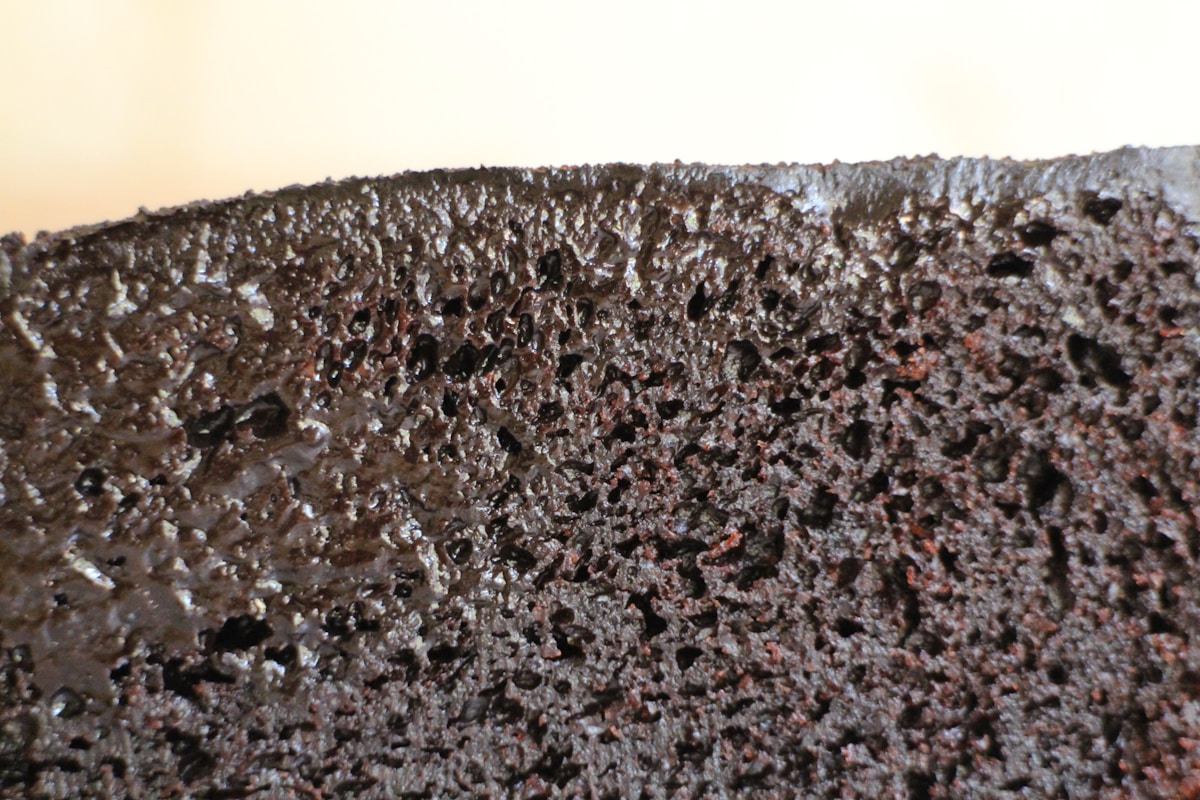
There are few kitchen moments as promising as sliding a pan of rich, chocolatey brownie batter into a hot oven. You watch it bake, smelling the glorious transformation from liquid to solid. And then, the moment of truth. You pull it out, and you see it: the dreaded brownie crater. The edges have climbed halfway up the sides of the pan, forming a dry, cakey wall, while the center has collapsed into a dense, slightly gooey depression. It’s a frustratingly common problem, but I’m here to tell you it’s not a personal failure—it’s a matter of physics.