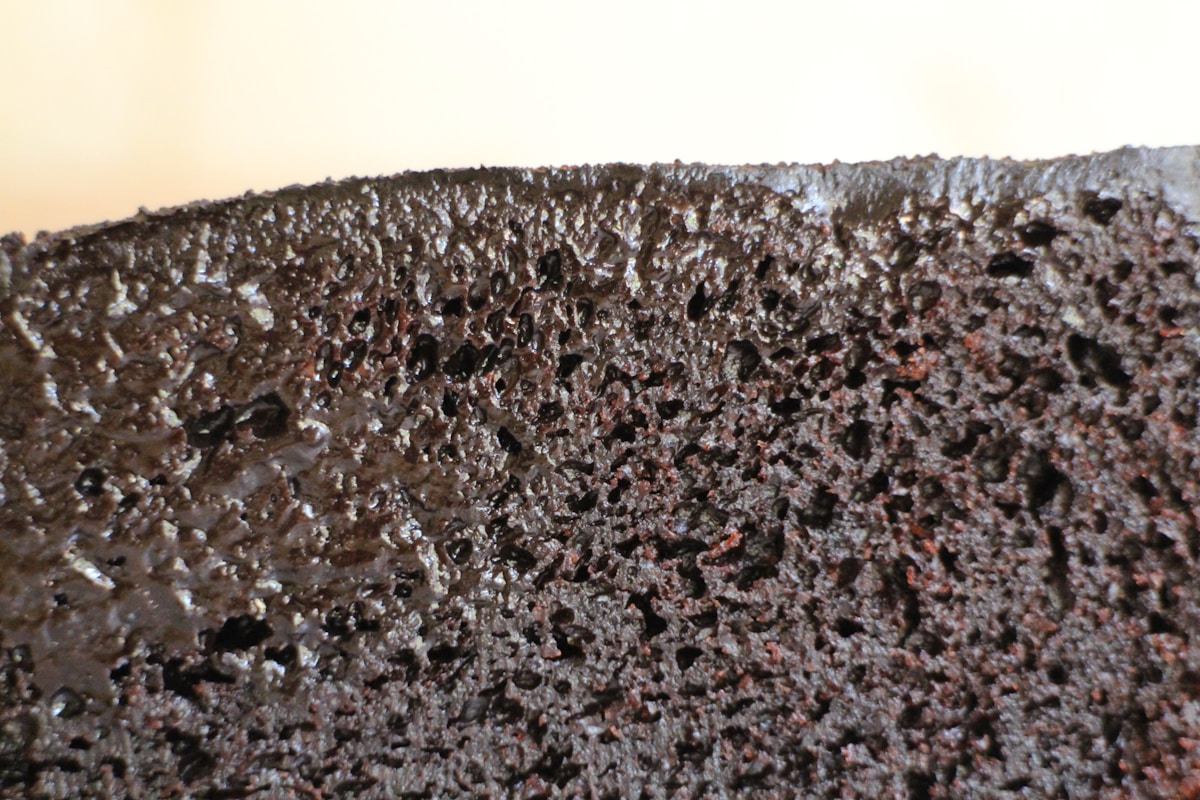
If you’ve ever pulled a cake out of the oven only to watch it deflate like a sad balloon, you’re in good company. A recent Reddit post showed a mom’s nut cake that collapsed so dramatically it became a family joke. But behind the laughter is a very real baking frustration—especially when you’ve put love and expensive ingredients into that batter. I’ve been there, and I promise it’s not your fault. Nut cakes are tricky, but once you understand why they sink, you can fix it for good.
Why Nut Cakes Are Prone to Sinking
Nuts are heavy little troopers. When you fold them into a cake batter, they add weight without adding any structural support—no gluten, no protein to help the cake hold its shape. Think of the batter as a fluffy cloud: if you drop rocks into that cloud, it’s going to sag. The same thing happens in the oven. If the batter is too thin or too full of air that escapes quickly, the nuts will sink, pulling the center down with them. Overmixing is another culprit because it deflates the batter and weakens the framework. And if your batter has too much liquid (from extra milk or juicy add-ins), the nuts have even less to cling to. (Yes, really.)
Many nut cake recipes also rely on a standard creaming method, which creates a delicate network of air cells. When you add dense ingredients like walnuts or pecans, those cells can collapse under the weight unless they’re well supported. The most common red flag is a cake that rises beautifully in the oven, then sinks dramatically as it cools. That tells you the structure wasn’t strong enough to hold the rise. Don’t worry—the fix is simpler than you think.
The Flour Coat Trick: Your First Defense
The single most effective trick for preventing nut sinking is to coat the nuts in flour before adding them to the batter. This tip has been passed down through generations of bakers, and it works like magic. Here’s why: when you toss chopped nuts in about one tablespoon of all-purpose flour (like King Arthur Flour or Gold Medal) per cup of nuts, the flour creates a thin barrier. That barrier absorbs some of the moisture from the batter, creating a sticky surface that helps the nuts grip the surrounding batter. Without the coating, the nuts can slide right through the batter and settle at the bottom. (Your future self will thank you for this step.)
To do it right: chop your nuts into uniform pieces—smaller than pea-sized is ideal. Place them in a bowl, add the flour, and toss with your fingers or a fork until every piece is lightly dusted. Shake off any excess flour in a fine-mesh strainer. Then fold the coated nuts into the batter as the very last step. This trick works for chocolate chips, dried fruit, and even shredded coconut. It’s a universal hack for any mix-in that tends to sink.
Oven Temperature and Even Baking
Even if your nuts are perfectly coated, an inaccurate oven can still cause a collapse. Most home ovens run hotter or cooler than the dial says—sometimes by 25°F to 50°F (14°C to 28°C). A too-cool oven means the cake rises slowly and then falls before it sets. A too-hot oven can create a domed top that cracks and then sinks as the center remains underbaked. The fix? Get an oven thermometer. Brands like Taylor or ThermoPro make reliable ones for under $15. Place it on the middle rack and preheat for at least 15 minutes. Adjust your oven until it reads the right temperature.
For nut cakes, I recommend baking at 325°F (163°C) instead of the typical 350°F (175°C). The lower temperature gives the batter more time to set without over-browning the edges. It’s a gentler heat that helps the center cook evenly, reducing the chance of a sinkhole. Another pro tip: use cake strips. These fabric bands (like Bake Even strips from Wilton or even a damp paper towel wrapped in foil) go around the outside of your cake pan. They insulate the edges, so the cake rises flat rather than doming. A flat rise means less tension when the cake cools, and less chance of collapse. (Trust me on this one.)
Mixing and Folding: Less Is More
The way you mix your batter can make or break a nut cake. Overmixing develops too much gluten, making the cake tough, but it also knocks out the air bubbles that give the cake lift. For a tender, stable cake, cream your butter and sugar for exactly 3 to 5 minutes—until light and fluffy. Then add eggs one at a time, beating just until incorporated. When you add the dry ingredients, mix on low speed until barely combined. A few streaks of flour are okay. Then fold in the floured nuts by hand with a rubber spatula. Use a gentle, sweeping motion from the bottom of the bowl to the top, rotating the bowl as you go. About 10 to 15 folds is all you need. Over-folding will deflate the batter and push the nuts down.
If your recipe includes whipped egg whites, fold them in with the same gentle hand. The goal is to preserve as much air as possible while distributing the nuts evenly. And here’s a lesser-known tip: if your batter looks too thin after adding the nuts, you can sprinkle in an extra tablespoon of flour and fold it in. A thicker batter holds the nuts better. But don’t overdo it, or the cake will be dry.
Try This Tonight: A Foolproof Nut Cake Recipe
Ready to put these tips into action? Here’s a simple, forgiving recipe that’s perfect for beginners. You’ll need:
- 1 1/2 cups all-purpose flour (187g)
- 1 1/2 teaspoons baking powder
- 1/2 teaspoon salt
- 1/2 cup unsalted butter (113g), softened
- 1 cup granulated sugar (200g)
- 2 large eggs, room temperature
- 1 teaspoon vanilla extract
- 1/2 cup whole milk (120ml), room temperature
- 1 cup chopped walnuts or pecans (120g)
- 1 tablespoon flour (for coating nuts)
Preheat your oven to 325°F (163°C). Grease an 8-inch round cake pan (or a 9-inch bundt pan for extra stability) and line the bottom with parchment. Toss the chopped nuts with the 1 tablespoon flour in a small bowl and set aside. In a medium bowl, whisk the 1 1/2 cups flour, baking powder, and salt.
In a large bowl, beat the butter and sugar with an electric mixer on medium speed until pale and fluffy—about 3 minutes. Add eggs one at a time, beating well after each. Beat in vanilla. Reduce speed to low and add the flour mixture in three additions, alternating with the milk in two additions, starting and ending with flour. Mix until just combined—a few lumps are fine. Remove the bowl from the mixer and fold in the floured nuts with a rubber spatula. Scrape the batter into the prepared pan and smooth the top.
If you have cake strips, use them. If not, you can wrap a damp paper towel around the pan and secure with foil (but be careful not to wet the pan). Bake for 45 to 50 minutes, or until a toothpick inserted in the center comes out clean or with a few moist crumbs. The cake will be golden brown and should spring back when lightly touched. Cool in the pan on a wire rack for 10 minutes, then turn out onto the rack to cool completely.
This recipe is designed to stay put—no sinking, no drama. The flour-coated nuts will stay suspended throughout the cake, giving you even distribution in every slice. The lower oven temperature and optional cake strips ensure the center sets properly. And the gentle mixing keeps the structure strong.
One More Thought
Remember that Reddit post? The one that made everyone laugh? That cake could have been saved with these simple tweaks. The kitchen is a magic place, but it’s also a place of learning. Every collapsed cake teaches you something about how heat, flour, and gravity work together. You’re not fighting against them—you’re learning to work with them. So next time you’re tempted to give up on nut cakes, try this recipe and these techniques. You’ll be amazed at how forgiving the process can be. And if your first attempt isn’t perfect? That’s okay. You can always turn it into a trifle or a parfait. (No one will ever know.) Now go preheat that oven. You’ve got this.