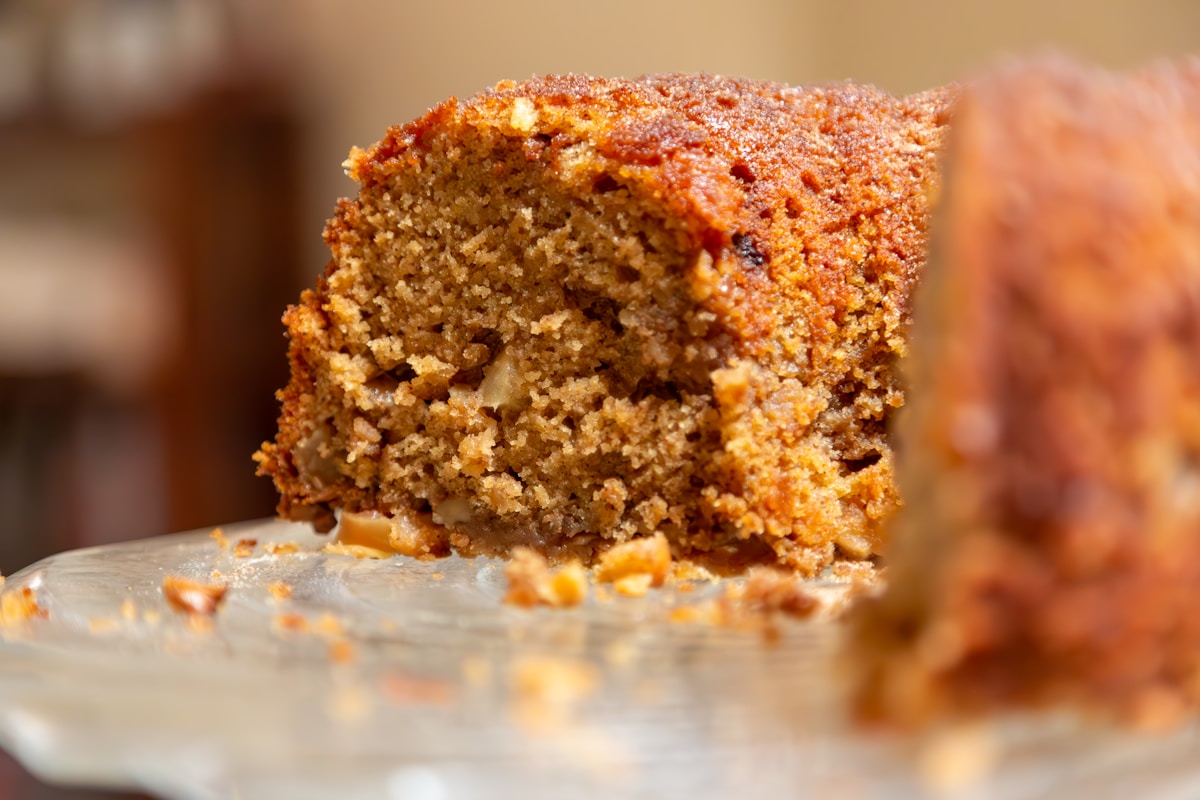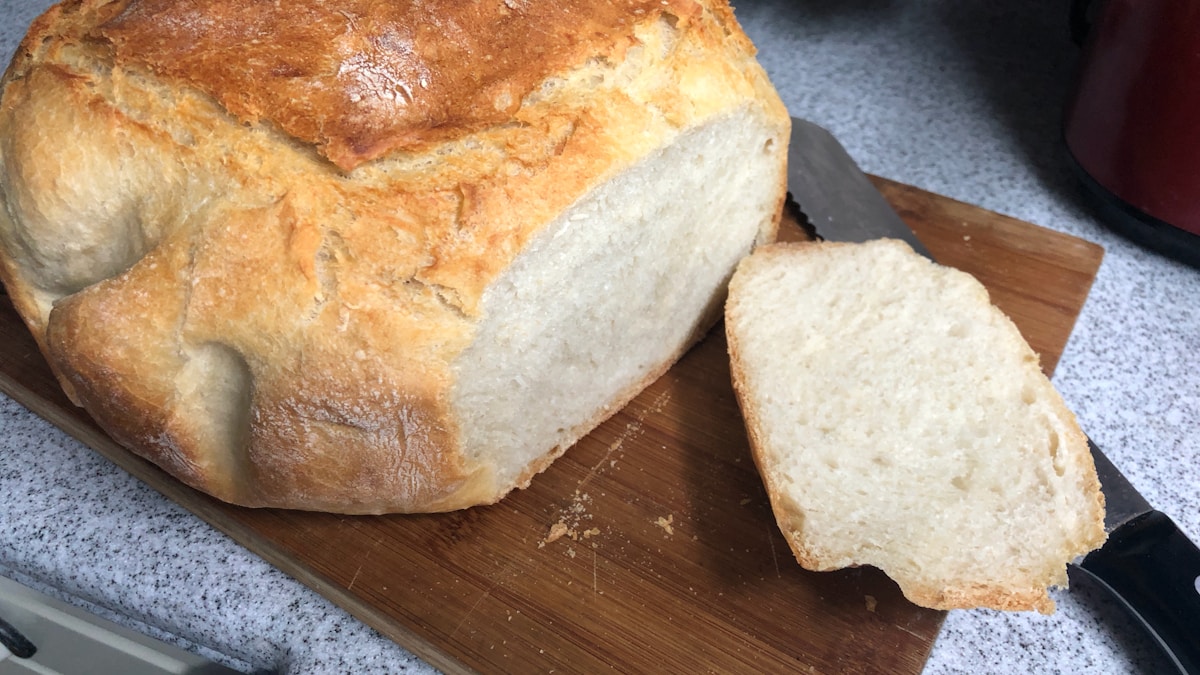
You carefully measured everything. You followed the steps. Yet when you pulled your milk bread from the oven, it looked more like a confused pound cake — dense, squat, and stubbornly un-fluffy. Sound familiar? It happened to a Reddit baker recently, and it happens to home bakers every day. The good news? The problem is almost always one of three things: a failed tangzhong, over-kneading, or under-proofing. And each of these is fixable with a little understanding of the science behind that gloriously soft Japanese milk bread.
What Is Tangzhong and Why Does It Matter?
Tangzhong is a simple flour-water roux that changes the entire structure of your bread. You start by whisking 20g of bread flour with 100g of water (or milk) — that’s the crucial 1:5 ratio. Cook this mixture in a small saucepan over medium heat, stirring constantly, until it reaches 149°F (65°C). You’ll see it thicken into a paste almost like wallpaper glue. That’s the moment the starch granules absorb water and gelatinize.
Why does this matter? The gelatinized starch holds onto more water throughout baking. This extra moisture (a technique often called "scalding") means your dough can absorb more liquid without becoming sticky or unmanageable. That water stays locked in during the oven, prolonging the Maillard reaction and keeping the crumb tender. Skipping or undercooking the tangzhong is the number one reason for dense milk bread. If your paste never reached the thick paste stage, you didn’t gelatinize enough starch. Use a digital kitchen scale for accuracy (I love my OXO one, but any scale with 1g precision works).
The Windowpane Test: Your Dough’s Truth Tell
After you mix your tangzhong with the remaining flour, milk, sugar, yeast, and butter, you need to knead until the dough is smooth and passes the windowpane test. But here’s where many bakers go wrong: they over-knead in a quest for gluten strength. Milk bread dough is soft and slightly tacky. If you’re using a stand mixer (KitchenAid or similar), knead on medium-low speed for about 8–10 minutes. Stop every two minutes to check.
Take a small piece of dough and gently stretch it between your fingers. If it forms a thin, translucent membrane without tearing, you’re done. If it tears immediately, keep kneading. If it feels tough and resists stretching, you’ve gone too far. Over-kneaded dough loses its extensibility and will bake into a dense, tough crumb. Over-kneading also heats the dough above 80°F (27°C), which can over-activate the yeast and cause off-flavors. If your dough feels warm and sticky at the end, it might have overheated. Let it rest in the fridge for 10 minutes before shaping.
Proofing: Patience and Temperature
Japanese milk bread requires two rises: a bulk fermentation after kneading, and a final proof after shaping. The ideal temperature for proofing is 75–80°F (24–27°C). If your kitchen is cooler, the dough will take longer. If it’s warmer, the dough can over-proof and collapse. Under-proofing happens when you rush. The dough should double in size during bulk fermentation — that usually takes 1 to 2 hours at room temperature. For the final proof, the dough should rise until it reaches the top edge of your loaf pan (usually another 45–60 minutes at 80°F).
How can you tell if the proofing is right? Gently poke the dough with a floured finger. If the indentation springs back slowly and leaves a small dimple, it’s ready. If it springs back immediately, it needs more time. If the dough doesn’t spring back at all, you’ve over-proofed. Over-proofed dough will collapse in the oven and give you a dense, flat loaf. Under-proofed dough will be dense and have a tight crumb.
Putting It All Together: A Troubleshooting Checklist
Let’s be honest: even experienced bakers have off days. Use this checklist when things go wrong:
- Did your tangzhong reach a thick paste? Aim for a temperature of 149°F (65°C).
- Did you weigh your ingredients? Volume measures for flour can vary by 20% or more. Always use a scale for flour, water, and tangzhong.
- Did your dough pass the windowpane test without tearing? If it tore, you under-kneaded. If it felt tough and stiff, you over-kneaded.
- Did your dough double in bulk fermentation? If not, check yeast freshness. Instant yeast should be stored airtight and used before the expiry date. Proof your yeast in warm milk (105–115°F or 40–46°C) with a pinch of sugar to confirm it’s active.
- Did your loaf rise properly in the pan? The top of the dough should be about 1/2 inch below the rim of the pan after final proof. If it’s lower, your yeast may be weak or the dough was under-proofed.
Specific Fixes for That "Confused Pound Cake"
If your milk bread came out dense but still sweet and tender, you likely had an under-proofing issue combined with a slightly undercooked tangzhong. Next time, increase your first proof by 20–30 minutes and make sure your tangzhong is properly thickened. If your bread was both dense and dry, you may have used too much flour — check your ratio. The classic Japanese milk bread recipe from King Arthur Baking calls for about 320g bread flour plus all of the tangzhong. If you’re using a different recipe, confirm the hydration (total liquid divided by total flour) is around 65–70% before adding the butter. Butter adds fat but also a little water. A proper milk bread dough should be soft and slightly tacky, not dry.
If your bread had a heavy, gummy interior, you may have underbaked it. The internal temperature of milk bread should reach 190–200°F (88–93°C). Use an instant-read thermometer. If the loaf is golden brown on top but still pale on the sides, tent with foil and continue baking until the internal temperature is correct.
Tools and Brands That Help
A simple digital scale is non-negotiable. I’ve used the Escali Primo for years (around $20). For the tangzhong, use a heavy-bottomed saucepan to avoid scorching. King Arthur Bread Flour is my go-to because of its consistent 12.7% protein content. For yeast, I recommend SAF Instant Yeast — it’s reliable and proofs quickly. And don’t forget a good loaf pan: a 9x4x4 inch Pullman pan (like those from USA Pan) gives those soft square slices, but a standard 9x5 inch loaf pan works too.
Embrace the Failures — They Teach You
Your first dense milk bread is not a waste. It’s a lesson in the beautiful chemistry of baking. Check your tangzhong, monitor your water temperature, and don’t be afraid to let the dough take its time. The next batch you bake will be softer, taller, and more pull-apart than you thought possible. And when you finally slice into that perfect loaf, you’ll know exactly why it works.