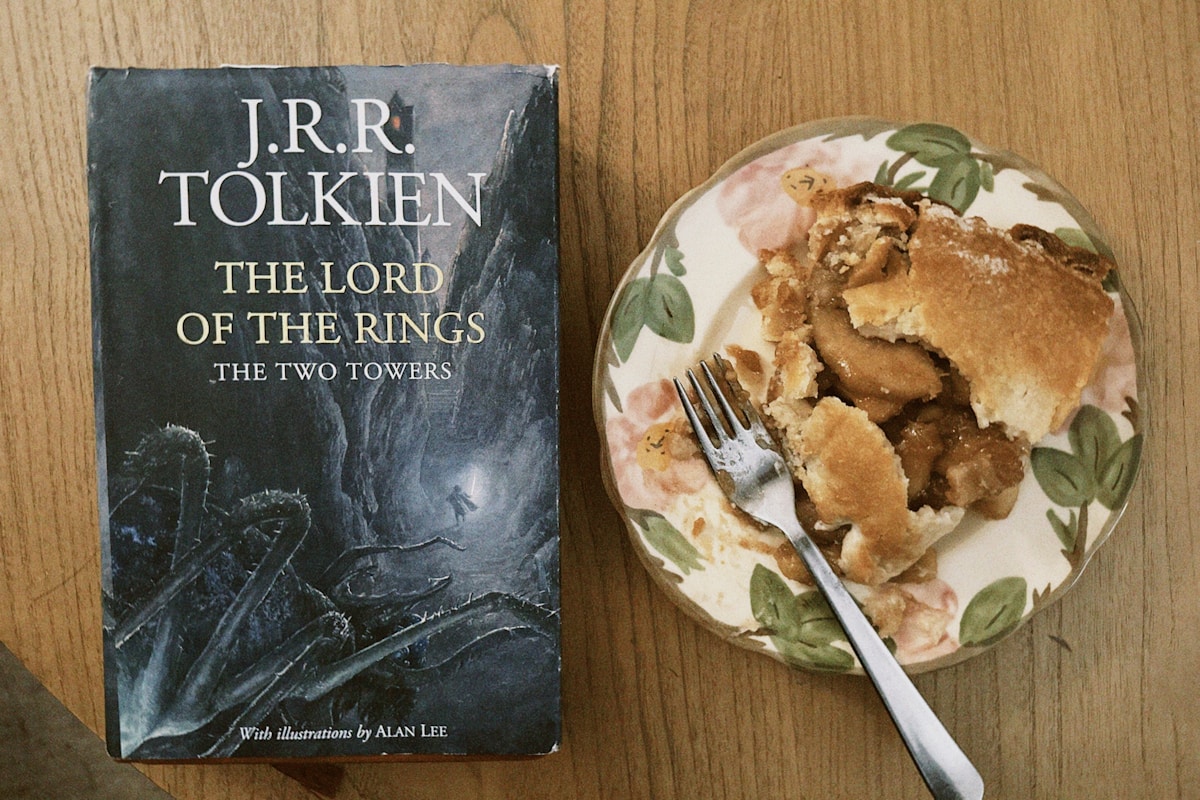
There are few moments in baking more visually satisfying than pulling a perfect apple pie from the oven. The crust is a masterpiece of golden-brown latticework, glistening with a hint of sugar. The aroma of baked apples and warm cinnamon fills your entire home. You let it cool (mostly), slice into it with anticipation, and serve a generous wedge. Then you take a bite, and your heart sinks. The crust is flaky perfection, but the apples inside are firm, squeaky, and unmistakably… crunchy.
It’s a deflating experience that happens to even seasoned bakers. You followed the recipe, you baked it for the full hour, so what went wrong? The truth is, the fault isn’t in your baking skills, but in the chemistry of the apple itself. Let’s break down the science behind this common problem and explore the single most effective technique to guarantee a tender, luscious apple pie filling every single time.
The Culprit The Science of a Stubborn Apple
The fundamental conflict in apple pie baking is a race against time. Your pie crust needs to become golden and crisp, while your apple filling needs to become soft and tender. The problem is, these two processes don’t always finish at the same time, especially when working with certain types of apples.
Two main factors are working against you: apple variety and slice thickness.
First, let’s talk about the apples themselves. Varieties like Granny Smith, Honeycrisp, and Braeburn are prized for pies because they are firm and tart, holding their shape beautifully instead of turning into applesauce. This structural integrity comes from pectin, a complex carbohydrate that acts like cellular cement, holding the apple’s cell walls together. High-pectin apples require significant heat and time to break down that cement and become tender. Softer apples, like McIntosh, have less pectin and break down much faster—often too fast, resulting in a mushy filling.
Second is pure physics: slice thickness. Many recipes vaguely suggest slicing your apples, but they rarely specify a uniform thickness. If your slices are much thicker than 1/4-inch (about 6mm), the heat from the oven simply can’t penetrate to the center of each slice and soften it before the crust is perfectly baked, or even burnt. The outside of the slice might get tender, but the core remains stubbornly crisp.
When you combine a firm, high-pectin apple with thick, uneven slices, you’ve created the perfect storm for a crunchy filling inside a beautifully baked crust.
The Foolproof Solution Par-Cooking Your Perfection
So, how do we give the apples a head start in this race? The answer is simple and transformative: par-cooking. This isn’t a shortcut or a cheat; it’s a professional technique that gives you, the baker, complete control over the final texture of your filling.
By cooking the apple slices on the stovetop for just a few minutes before they go into the pie shell, you begin the process of breaking down that stubborn pectin. This ensures the apples will be perfectly tender by the time the crust is golden brown. It’s a game-changer.
Here is the basic technique:
-
Prep Your Apples: Start with about 2.5 to 3 pounds (1.1 to 1.4 kg) of firm baking apples. Peel, core, and slice them to a consistent 1/4-inch (6mm) thickness. A mandoline can be your best friend here for uniformity, but careful knife work is just as good.
-
Sauté Gently: In a large Dutch oven or a wide skillet (a Lodge cast iron or Le Creuset braiser works wonderfully), melt 3 tablespoons (42g) of unsalted butter over medium heat.
-
Cook Down: Add your sliced apples, 3/4 cup (150g) of sugar (I like a mix of white and brown), 1 teaspoon of cinnamon, 1/4 teaspoon of nutmeg, and a pinch of salt. Stir gently to coat. Cook, stirring occasionally, for 8 to 10 minutes.
-
Know What to Look For: You aren’t trying to cook them into mush. The goal is “tender-crisp.” The apples should become flexible when you lift a slice, and the edges will look slightly translucent. If you pierce one with a fork, it should go in with just a little resistance. They should still have a bite.
-
Cool and Drain (Crucial Step!): Pour the apples and their juices into a colander set over a bowl. Let them drain and cool completely—and I mean completely—to room temperature. This step is non-negotiable for preventing a soggy bottom crust.
The Chemistry of a Better Bake Why This Works
Par-cooking does more than just soften the apples; it solves another infamous pie problem: the dreaded crust gap. Have you ever cut into a pie to find a large air pocket between the slumped-down filling and the top crust? That’s because raw apples contain a lot of water and air. As they bake, they release steam and shrink dramatically, causing the entire filling to collapse.
When you par-cook the apples, you force them to release that moisture and shrink before they ever enter the pie shell. This means you can pack your cooled, pre-shrunk apple slices tightly into the pie crust. The filling will barely shrink further during baking, allowing it to support that beautiful top crust and giving you a perfect, full slice every time.
Furthermore, the liquid you drained from the apples is pure gold. It’s a concentrated syrup of apple juice, sugar, and spices. You can reduce this liquid on the stove until it thickens into a glaze and either pour it back over the apples before adding the top crust or reserve it to brush on the pie after it bakes. (This is my favorite kitchen hack for an extra flavor boost).
Building Your Perfect Apple Pie A Step-by-Step Guide
Let’s put it all together. This method will give you a pie with a flaky, crisp crust and a tender, deeply flavorful filling that holds its shape beautifully.
Ingredients:
- Your favorite recipe for a double-crust pie dough (an all-butter crust made with a quality flour like King Arthur All-Purpose is fantastic)
- 2.5 lbs (1.1 kg) firm baking apples, like a mix of Granny Smith and Honeycrisp
- 3 tbsp (42g) unsalted butter
- 1/2 cup (100g) granulated sugar
- 1/4 cup (55g) packed light brown sugar
- 1 tsp ground cinnamon
- 1/4 tsp ground nutmeg
- 1/4 tsp salt
- 2 tbsp cornstarch
- 1 large egg, beaten with 1 tbsp of milk (for egg wash)
Method:
- Prepare your pie dough. Roll out the bottom crust and fit it into a 9-inch pie plate. Chill both the bottom crust and the top crust dough while you prepare the filling.
- Peel, core, and slice the apples to a uniform 1/4-inch thickness.
- In a large skillet over medium heat, melt the butter. Add the apples, sugars, spices, and salt. Cook, stirring occasionally, for 8-10 minutes, until the apples are tender-crisp.
- Drain the apples in a colander set over a bowl. Let the apples cool to room temperature, which can take up to an hour. (You can spread them on a baking sheet to speed this up).
- Preheat your oven to 425°F (220°C) with a rack in the lower third.
- Once cooled, transfer the apple slices to a large bowl and gently toss them with the 2 tbsp of cornstarch. The cornstarch will thicken any remaining juices during baking.
- Mound the apple filling into your chilled pie shell. It will seem very full, which is exactly what you want.
- Drape the top crust over the filling. Trim, seal, and crimp the edges. Brush the crust with the egg wash and sprinkle with coarse sugar if desired. Cut several vents in the top crust to allow steam to escape.
- Place the pie on a baking sheet to catch any drips. Bake at 425°F (220°C) for 15 minutes.
- Reduce the oven temperature to 375°F (190°C) and continue to bake for another 35-45 minutes, or until the crust is a deep golden brown and the juices are bubbling thickly through the vents. If the edges are browning too quickly, cover them with foil.
- Let the pie cool on a wire rack for at least 4 hours before slicing. (Yes, really.) This allows the filling to set completely.
By embracing the science and taking one extra, purposeful step, you transform apple pie baking from a game of chance into an act of precision. Par-cooking isn’t about making things more complicated; it’s about taking control of the variables to ensure your hard work pays off with a truly perfect, tender, and delicious pie. It’s baking chemistry you can eat, and the results are spectacular.