You did everything right. You measured the flour perfectly, whisked the dry ingredients, gently folded in the wet. You preheated the oven, filled the muffin tin with neat little paper liners, and scooped the batter evenly into each cup. You slide the tray in, close the door, and wait for the magic.
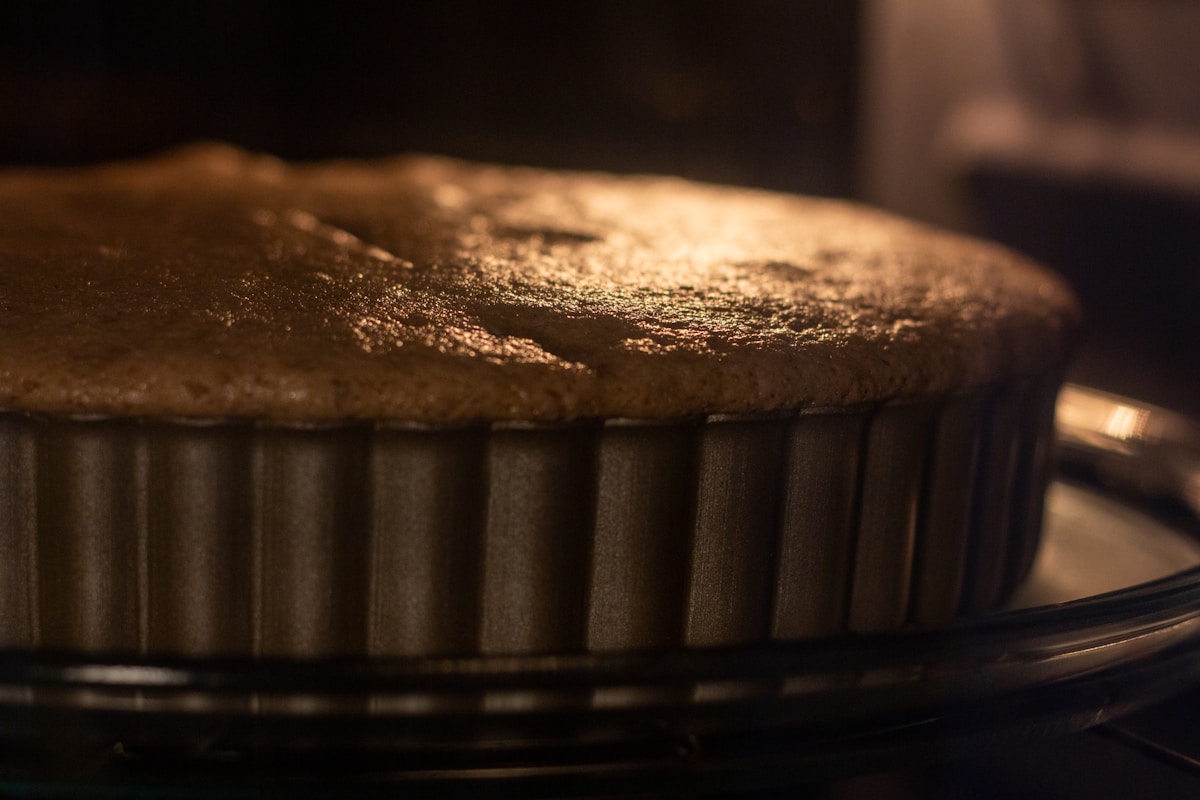
But when you peek through the oven window, your heart sinks a little. Instead of beautiful, proud domes, you see… muffin tops that are spreading sideways, creating a lopsided ledge over the edge of the tin. Some might even have a raw, doughy center when the edges look perfectly golden. It’s one of the most common and frustrating baking mysteries, and trust me, we’ve all been there.
It feels like a betrayal by the recipe, but the truth is usually simpler and much easier to fix. Your recipe is probably just fine! The problem likely lies with one of two secret agents in your kitchen: your leavening or your oven. Let’s pull on our detective hats and solve the case of the sideways muffin together. Everyone starts somewhere, and understanding the ‘why’ is the first step to baking with confidence.
The Science Behind the Perfect Muffin Dome
Before we dive into troubleshooting, let’s talk about what’s supposed to happen. A perfect muffin dome isn’t an accident; it’s a beautiful little science experiment. The magic word here is “oven spring.”
When your cool muffin batter hits the hot environment of the oven, two things happen very quickly. First, the heat causes the water in the batter to turn into steam, pushing everything upwards. At the same time, it activates your leavening agent—usually baking powder—which releases a burst of carbon dioxide gas. These two forces work together to rapidly inflate the muffin from the inside, like a little hot air balloon.
For a tall, rounded dome to form, this upward push needs to happen before the outer crust of the muffin sets. An initial blast of high heat is crucial for this powerful, speedy lift. If that process is weak, slow, or uneven, the batter doesn’t have the strength to rise up. Instead, as the center continues to cook and expand, it pushes outwards in the only direction it can: sideways. This is what creates that lopsided, flat-topped look. So, our investigation needs to focus on the two things that control that initial burst: the power of your leavening and the power of your heat.
Suspect #1 Your Baking Powder is Past Its Prime
This is, without a doubt, the number one culprit behind baking failures, especially for recipes you’ve made successfully before. As one home baker on Reddit discovered, the only thing they changed was a new tin of baking powder, and suddenly their muffins went rogue. This is a classic clue.
Baking powder is not immortal. It’s a mixture of a base (baking soda), an acid, and a starch to keep them from reacting in the can. It works by creating that carbon dioxide reaction when it gets wet and then again when it gets hot. But over time, and especially if exposed to humidity in your kitchen, it loses its potency. The chemical reaction becomes weak and sluggish.
Think of it like a soda that’s gone flat. It might look the same, but it’s lost all its fizz. Using weak baking powder means you won’t get that strong, initial push needed for a good oven spring. The batter will rise slowly and lazily, spreading out before it can climb upwards.
The Kitchen Hack: Test Your Baking Powder in 30 Seconds
Don’t guess—test! You can know for sure if your baking powder is still active with this incredibly simple trick.
- Get a glass or mug and fill it with about a half cup of hot tap water.
- Spoon in about half a teaspoon of your baking powder.
If it’s fresh and powerful, it will fizz and bubble vigorously the moment it hits the water. (It’s actually quite satisfying to watch!) If it just sits there, produces a few sad little bubbles, or dissolves quietly, it’s dead. Toss it and buy a fresh container. I always use a permanent marker to write the date I opened it right on the lid. This has saved me from countless baking heartbreaks.
Suspect #2 Your Oven Temperature is Lying to You
If your baking powder passed the fizz test with flying colors, it’s time to interrogate our second suspect: your oven. Ovens are notorious for being inaccurate. The temperature on the dial is more of a suggestion than a scientific fact. It’s incredibly common for a home oven’s internal thermostat to be off by 25°F, 50°F, or even more!
This temperature inaccuracy can cause the exact problem you’re seeing.
- If your oven runs too hot: The outside of the muffin sets almost instantly, forming a hard crust. The batter in the middle is still cooking and expanding, but it hits that crusty ceiling and has nowhere to go. So, it breaches the weakest point—the side—and oozes out, creating that tell-tale muffin ledge.
- If your oven runs too cool: You’ll never achieve that initial blast of heat required for a powerful oven spring. The leavening will react too slowly, giving the batter time to spread out and relax in the tin before it ever gets a chance to rise up. This typically results in a flatter, wider, and often denser muffin.
The Fix: Get an Inexpensive Oven Thermometer
This is the single best tool you can buy for under $10 to improve your baking. An oven thermometer, like the simple dial ones from a brand like Taylor, hangs directly from an oven rack and gives you a true reading of the internal temperature. You might set your oven to 400°F (205°C), only to discover the thermometer reads 350°F (175°C). Or you may find it’s blasting away at 450°F (230°C). Once you know the truth, you can adjust your oven dial accordingly to hit the target temperature your recipe needs. (Your future self will thank you.)
Other Sneaky Reasons for Muffin Mishaps
While leavening and temperature are the big two, a few other technique-related issues can contribute to a sideways spread.
Overmixing the Batter: This is a big one for beginners. The instructions in a muffin recipe always say “mix until just combined,” and they mean it! When you mix flour and liquid, you develop gluten. A little gluten gives structure, but a lot of gluten makes the batter tough and elastic. An overmixed, rubbery batter will fight against the leavening, restricting its ability to rise upwards freely.
Your goal is a lumpy, bumpy batter. You should still see a few small streaks of flour when you stop mixing. If your batter is smooth and uniform like cake batter, you’ve gone too far. Use a spatula, not an electric mixer, and use as few strokes as possible.
Not Filling the Tins Correctly: Consistency is key. Aim to fill your muffin cups about two-thirds or three-quarters full. Too little batter won’t have enough mass to generate the steam and lift needed for a dome. Too much batter is guaranteed to spill over the sides as it expands. For perfect, even muffins every time, I swear by a standard spring-loaded ice cream scoop. One scoop per cup ensures they are all the same size and bake evenly.
Your Muffin Rescue Plan Try This Tonight
Okay, enough theory. Let’s put this into practice. You don’t need a new recipe; you just need a new strategy for the recipe you already love.
First, do your detective work:
- Test Your Leavening: Go do the hot water test with your baking powder right now. It takes less than a minute and will give you a definitive answer.
- Verify Your Heat: Add an oven thermometer to your shopping list. It’s a tiny investment that pays off in everything you bake, from muffins to roast chicken.
- Review Your Technique: Next time you mix, count your strokes. Be gentle. Embrace the lumps!
Try This Tonight: Here is a technique used by professional bakeries to guarantee a beautiful dome. Find your favorite muffin recipe. Instead of preheating to the temperature it suggests (usually around 375°F or 190°C), preheat your oven to a blazing hot 425°F (220°C). Fill your muffin tins as usual. Place the tin in the super-hot oven and bake for just 5 to 7 minutes. Then, without opening the oven door, turn the oven temperature down to the original 375°F (190°C) and let them finish baking for the remaining time suggested in the recipe.
That initial blast of high heat will give your muffins an explosive oven spring, forcing the batter straight up to create that coveted dome before the crust has a chance to set. You can do this. The kitchen is more forgiving than you think, and every batch is a chance to learn something new. Happy baking!