You pull a beautiful lemon blueberry cake from the oven, eager for that burst of citrus and berry in every bite. But as you slice into it, the texture feels… heavy. Dense. Like a pound cake that forgot to be light. You followed the recipe from Sally’s Baking Addiction, a site known for reliability. What went wrong?
This is a common frustration in the baking community, and a recent discussion on Reddit’s r/Baking highlighted it perfectly. One user reported their Sally’s Lemon Blueberry Cake turned out “hefty” while tasting light, even with a double cream cheese frosting. You’re not alone, and the good news is that density in lemon blueberry cakes is almost always fixable. It comes down to a few key science principles: gluten development, proper leavening, and moisture management. Let’s break down exactly why your cake might be dense and how to get that tender, fluffy crumb you’re after.
The Overmixing Trap: Why Gluten Is Your Frenemy
The most common culprit for a dense cake is overmixing after you add the flour. When you stir flour with liquid (like buttermilk or eggs), gluten strands begin to form. Gluten gives structure, but too much of it creates a tough, rubbery crumb. For a delicate lemon blueberry cake, you want just enough gluten to hold the cake together without turning it into a brick.
Think of it this way: mixing is like building a network of tiny elastic bands. The more you mix, the stronger and more numerous those bands become. For a light cake, you want a weak network. That’s why recipes almost always say “mix until just combined.” If you keep going, you activate extra gluten and compress the air you’ve beaten into the butter and sugar.
The fix: Use a light hand. When you add the dry ingredients to the wet, stir gently with a rubber spatula. Stop as soon as you no longer see streaks of flour. A few small lumps are fine — they’ll disappear during baking. If you’re using a stand mixer, switch to low speed and stop the moment the flour disappears. Resist the urge to “make sure it’s all mixed.”
Flour Power: Measuring Mistakes That Weigh You Down
Another common source of density is too much flour. Scooping flour directly from the bag with a measuring cup packs it down, adding up to 20% more flour than intended. That extra flour soaks up liquid, throws off the ratio of wet to dry ingredients, and creates a denser crumb. Sally herself recommends weighing ingredients for accuracy — and for good reason.
The fix: Use a kitchen scale. For Sally’s Lemon Blueberry Cake recipe, measure flour by weight (typically around 280 grams for 2 cups of all-purpose flour). If you don’t have a scale, spoon the flour into the cup and level it off with a knife. Never scoop directly. Also, make sure your cake flour (if the recipe calls for it) is measured correctly. Cake flour is lighter and more delicate; using too much will still weigh down the cake.
A side note: If you substituted all-purpose flour for cake flour (or vice versa), that can change the protein content. More protein means more gluten and a denser cake. Stick to the flour type specified.
The Leavening Equation: Are Your Raising Agents Fresh?
Baking powder and baking soda are the little chemical workers that create air bubbles and lift your cake. If they’re old, or if the ratio is off, your cake won’t rise properly. Lemon juice is acidic, which activates baking soda, but if your recipe uses both baking powder and soda, the balance is crucial.
The fix: Check the expiration date on your baking powder. If it’s more than 6 months old, it may have lost its oomph. Test it by adding a teaspoon to a few tablespoons of hot water; if it fizzes vigorously, it’s good. For baking soda, make sure the recipe includes enough acid (like buttermilk, lemon juice, or sour cream) to react. In lemon cakes, acidity is high, so usually baking soda is included. But if you’ve reduced the lemon juice or swapped buttermilk for regular milk, you might not get enough lift.
Also, make sure you’re not overmixing after adding the leavening agents. Once baking powder gets wet, it starts releasing gas. If you mix too long, those bubbles pop, and you lose the lift. Fold gently and bake immediately.
The Blueberry Dilemma: Why Berries Can Weigh You Down
Blueberries are wonderful in cake, but they come with a secret downside: moisture. As they bake, the berries release juice. That extra moisture can make the batter heavy, especially if you fold them in too vigorously or if they sink to the bottom. The Reddit user mentioned “heavy” but light-tasting — that’s often because the berries have created pockets of denser, wetter cake.
The fix: Toss the blueberries with a tablespoon of flour before adding them to the batter. This light coating helps suspend them in the batter and absorbs some of the surface moisture. Also, gently fold them in — no aggressive stirring. And use fresh or frozen? If using frozen, do not thaw them. Thawed berries release even more liquid. Add them straight from the freezer.
One more tip: Reduce the butter slightly. On the r/Baking thread, some commenters suggested cutting the butter by 1/4 cup (4 tablespoons). Less fat can lighten the texture, but be careful — butter adds flavor and tenderness. If you reduce it, compensate by increasing the liquid slightly (like adding an extra tablespoon of buttermilk). This is an advanced tweak, but worth trying if you’ve already checked everything else.
The Science of Buttermilk: Why It Matters
Many lemon blueberry cake recipes call for buttermilk, and there’s a good reason. Buttermilk is acidic, which does two things: it reacts with baking soda to create carbon dioxide for lift, and it tenderizes the gluten by breaking down some of the protein strands. If you use regular milk, you lose that acidity, and your cake can turn out denser and less tender.
The fix: If the recipe calls for buttermilk, use it. Don’t substitute with regular milk. If you don’t have buttermilk, make a quick substitute: add 1 tablespoon of lemon juice or white vinegar to 1 cup of milk, let it sit for 5-10 minutes to curdle. That gives you the acidity you need. This is a simple hack that can dramatically improve texture.
Temperature Troubles: Oven Heat and Pan Prep
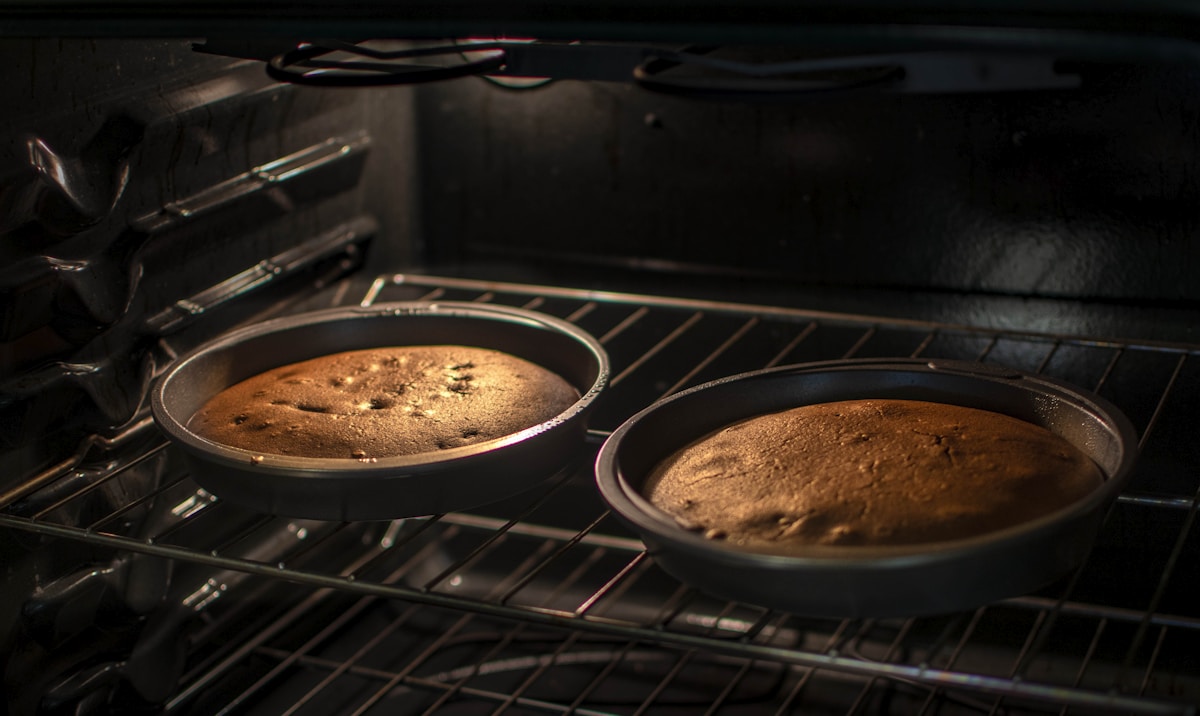
An oven that’s too cool can cause the cake to rise slowly and then collapse, leading to a dense center. Too hot, and the outside sets before the inside has a chance to rise, creating a dome with a heavy base. Most cake recipes call for 350°F (175°C). Use an oven thermometer to verify your oven’s actual temperature — built-in dials are often off by 25 degrees or more.
The fix: Preheat fully, let the oven stabilize for 15 minutes after it signals ready. Place the pan in the center of the middle rack. Use light-colored metal pans; dark pans absorb more heat and can cause over-browning on the outside while the interior remains dense. If using glass or ceramic, reduce the temperature by 25°F to avoid a tough crust.
Practical Tips for a Perfect Lemon Blueberry Cake
Based on Sally’s recipe and the collective wisdom from the baking community, here’s a quick checklist to ensure a light, fluffy cake:
- Weigh your flour — aim for 140g per cup of all-purpose flour.
- Use buttermilk (or the vinegar/milk hack).
- Sift dry ingredients together — this aerates and removes lumps, as the Reddit community advised.
- Cream butter and sugar until light and fluffy — at least 3 minutes, until pale and doubled in volume.
- Add eggs one at a time — beat well after each addition. This emulsifies the batter, trapping air.
- Alternate dry and wet ingredients — start and end with dry, mixing just until combined.
- Fold in blueberries gently — flour-coated, last, and don’t overdo it.
- Bake immediately — don’t let the batter sit.
- Check doneness — a toothpick inserted in the center should come out with a few moist crumbs, not wet batter. Overbaking also dries and densifies.
If you’ve done all this and your cake still seems heavy, consider the size of your pan. A 9-inch round pan is standard. If you used a smaller pan, the batter will be deeper and require longer baking, potentially leading to a denser crumb. Conversely, a larger pan makes a thinner cake that bakes faster and may be lighter.
Final Thoughts: Baking Is a Journey, Not a Contest
The fact that you’re asking this question tells me you care about getting it right. That’s the mark of a true baker. Dense cakes happen to everyone — even experienced bakers. The key is understanding why, so you can adjust for next time. Sally’s Lemon Blueberry Cake is a solid recipe; it’s not the recipe that’s faulty, but often our execution.
Next time, try the buttermilk swap, weigh your flour, and fold like your cake’s light, airy future depends on it — because it does. And don’t be afraid to experiment. If you reduce the butter, note the result. If you add a little more baking powder, see what happens. Keep a notebook. Your perfect lemon blueberry cake is just a few tweaks away.
Now go preheat that oven — I believe in you. (Your future self will thank you.)