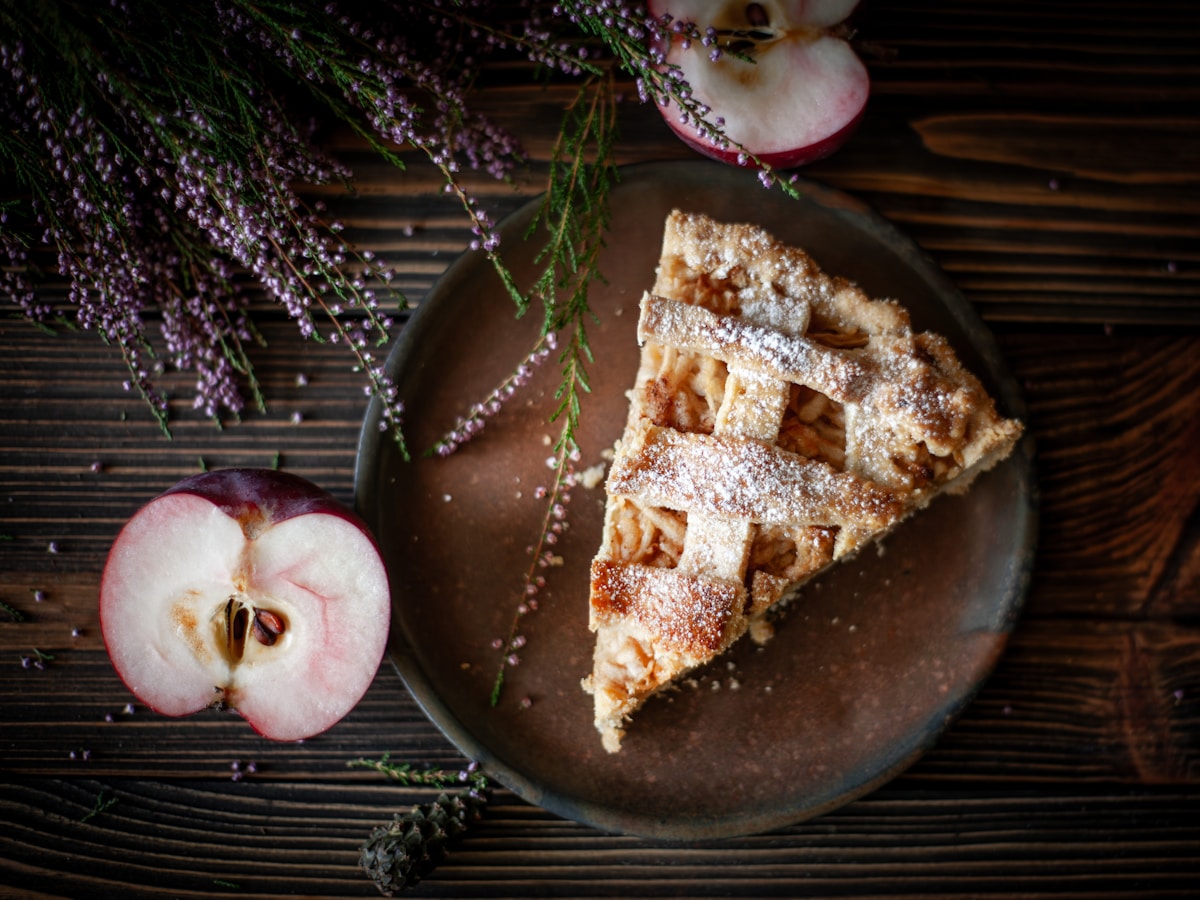
There are few kitchen moments more disheartening than pulling a perfect, golden-brown apple pie from the oven. The crust is flaky, the aroma is a warm hug of cinnamon and butter, and anticipation is at its peak. You let it cool, slice into it, and serve a generous piece, only to hear a distinct… crunch. The apples are still firm, raw-tasting, and stubbornly resistant.
It’s a common frustration, and one that can make you question your entire baking process. But I’m here to tell you it’s not a personal failure; it’s a chemistry problem. And like any chemistry problem, it has a solution rooted in understanding the ingredients and the process. Baking is chemistry you can eat, and today we’re going to solve the equation for the perfect, tender apple pie filling.
The Apple Itself A Question of Cellular Structure
Not all apples are created equal, especially when it comes to heat. The texture of a baked apple is determined primarily by its pectin content. Pectin is the natural polysaccharide that acts like cement, holding the apple’s cell walls together. When heated, this pectin begins to break down, softening the fruit.
Apples bred for a long shelf life and a crisp, snappy bite (like many modern varieties) often have a very stable pectin structure. This is great for eating out of hand, but it means they resist softening in the oven.
Choosing Your Baking Apples:
- For Structure: If you want apple slices that hold their shape beautifully, you need apples with robust cell walls. My go-to choices are Granny Smith, Honeycrisp, Braeburn, and Jonagold. They provide a wonderful tartness and will not turn to mush.
- For Tenderness: To ensure a softer, more yielding texture, you can incorporate apples that break down more easily. McIntosh and Cortland are famous for this; they become incredibly tender and almost sauce-like when baked.
My professional tip? Use a blend. A 50/50 mix of a firm, tart apple like Granny Smith and a softer apple like McIntosh gives you the best of both worlds: defined slices suspended in a tender, saucy filling that melts in your mouth. This combination creates a complexity of flavor and texture that a single apple variety just can’t match.
The Geometry of the Slice Why Uniformity is King
Once you’ve selected your apples, the next critical variable is how you cut them. This isn’t just about aesthetics; it’s about thermodynamics. Heat needs time to penetrate to the center of each apple slice. If your slices are too thick, the outside will soften while the core remains stubbornly raw, all before your crust has a chance to burn.
The ideal thickness for apple pie slices is a uniform 1/4-inch (about 6mm). Slices this thin allow heat to cook them through in a standard pie-baking time of 45 to 60 minutes.
How do you achieve such perfect uniformity? While a steady hand with a sharp knife works, the single best tool for this job is a mandoline slicer. (Yes, really.) It guarantees that every single slice is identical. This uniformity means every piece of apple in your pie will cook at the same rate, eliminating the dreaded mix of mushy bits and crunchy chunks. Just be sure to use the safety guard that comes with it—they are famously sharp.
Think of it this way: a pie filling is only as tender as its thickest slice. By controlling the geometry, you control the final texture.
The Pro Secret Par-Cooking Your Filling
This is the technique that changed my pie-making forever, and it’s the closest thing to a guarantee for a tender filling. By pre-cooking the apples on the stovetop, you accomplish two critical things at once.
First, you give the pectin a head start on breaking down, ensuring the apples are perfectly tender before they even go into the oven. Second, you cook off a significant amount of the apples’ natural water content. This is a huge deal. That excess liquid is what often turns a bottom crust into a pale, soggy mess. By evaporating it beforehand, you create a more concentrated, flavorful filling and a crisper, flakier crust. (Your future self will thank you.)
Here is a basic, foolproof method for a 9-inch pie filling:
Ingredients:
- About 8 medium baking apples (around 3.5 lbs / 1.6 kg), peeled, cored, and sliced 1/4-inch thick
- 3/4 cup (150g) granulated sugar (adjust based on apple tartness)
- 1/4 cup (50g) packed light brown sugar
- 1 tsp ground cinnamon
- 1/4 tsp ground nutmeg
- A pinch of ground cloves or allspice (optional)
- 1/4 tsp salt
- 2 tablespoons (20g) all-purpose flour or cornstarch
- 1 tablespoon fresh lemon juice
- 2 tablespoons (28g) unsalted butter, cut into small pieces
Method:
- In a large bowl, toss the apple slices with both sugars, spices, salt, flour, and lemon juice until evenly coated.
- Transfer the mixture to a large saucepan or Dutch oven. Cook over medium heat, stirring occasionally, for 10 to 15 minutes.
- You’re looking for the apples to become pliable and release their juices. They should be tender when pierced with a fork, but not falling apart. They will cook further in the oven.
- Remove from the heat and stir in the small pieces of butter until melted.
- Crucially: Pour the filling onto a baking sheet in a single layer and let it cool completely to room temperature before putting it into your raw pie dough. Adding hot filling will melt the butter in your crust, ruining its flaky potential.
The Bake Temperature Time and Telltale Signs
Your filling is prepared and cooled, and your pie is assembled. The final step is the bake itself, where temperature management is key.
A common mistake is baking the pie at too low a temperature for the entire duration. To get a crisp bottom crust and a fully cooked filling, I recommend a two-stage baking process.
- Initial Hot Blast: Start your pie in a preheated oven at 425°F (220°C) for the first 15 minutes. Place the pie on a lower rack. This intense initial heat helps to quickly set the bottom crust, preventing it from getting soggy from the filling.
- Lower and Slower: After 15 minutes, reduce the oven temperature to 375°F (190°C) and move the pie to the center rack. Continue baking for another 35-50 minutes.
The single most important sign that your pie is done isn’t the color of the crust, but the activity of the filling. You must see the filling bubbling vigorously through the vents in the top crust. Gentle simmering isn’t enough. A full, thick bubble means the liquid inside has reached boiling point, which is hot enough to have fully broken down the pectin and cooked the starches in your thickener.
If you find your crust edges are browning too quickly before the filling is bubbling, create a simple shield. Cut a ring out of aluminum foil and gently place it over the edges of the crust. This will deflect some of the direct heat while allowing the center to continue baking.
The Final Word Patience is a Virtue
After all that work, there is one final test of a baker’s will: letting the pie cool. You must let a fruit pie cool for at least 4 hours at room temperature before slicing into it. (Yes, four hours.)
As the pie cools, the molten juices, sugar, and thickener (the flour or cornstarch) will gel and set. If you cut into it while it’s still hot, that beautiful filling will come pouring out as a soupy mess, no matter how perfectly you cooked it. The cooling period allows it to become the sliceable, stable filling you’ve been dreaming of.
By approaching your pie with a little scientific curiosity—choosing the right apples for their pectin, controlling the slice geometry for even heat transfer, par-cooking to manage moisture, and baking until you see those vigorous bubbles—you move from hoping for the best to ensuring success. You’ve solved the chemistry problem, and the delicious, tender result is your reward.