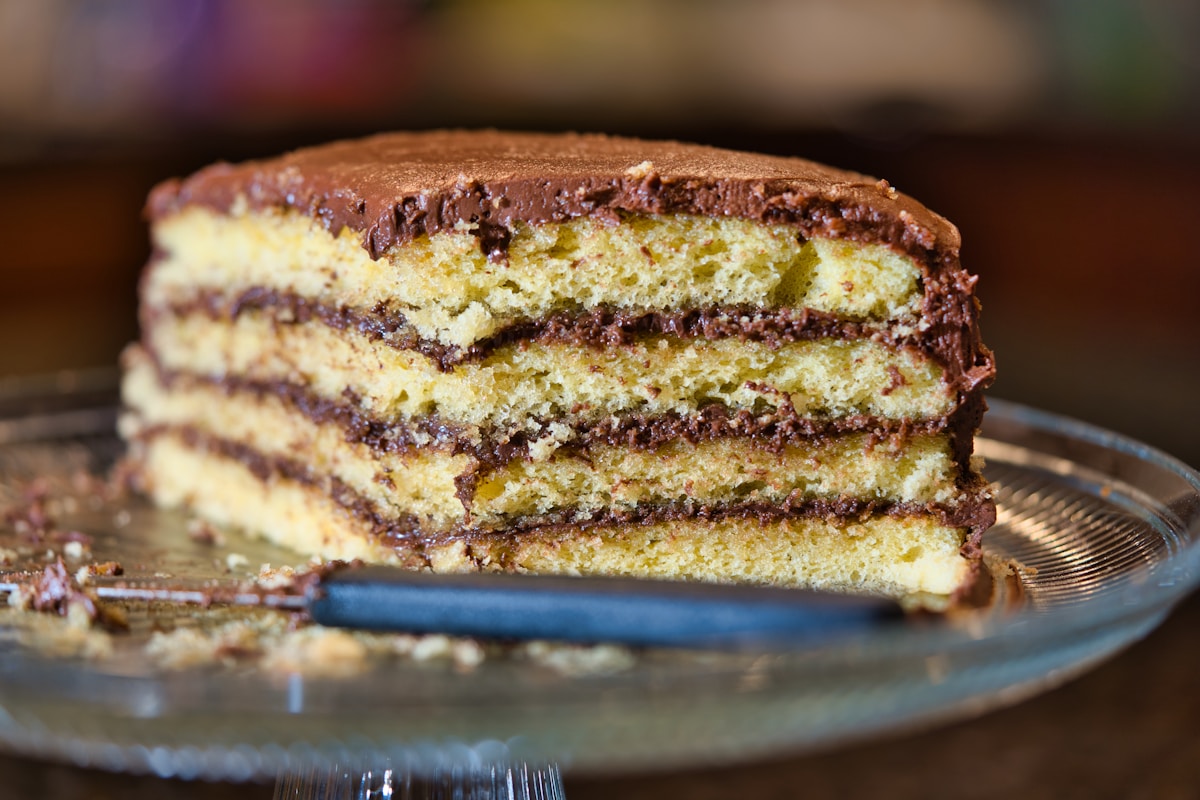
You’re standing in your kitchen. On the counter sits a beautiful, fragrant cake, cooled to perfection and ready for its final flourish. In the bowl of your stand mixer, however, is a baker’s nightmare: a grainy, separated mess that looks more like scrambled eggs and butter than the silky, cloud-like frosting you dreamed of. Your heart sinks. All that time, all those ingredients… should you just throw it out and start over?
Stop. Take a breath. Step away from the trash can. I’m Lucas, and I’m here to tell you that what you’re seeing is not a failure; it’s a completely normal, and almost always fixable, stage in the life of a Swiss meringue buttercream. Baking is chemistry you can eat, and today we’re going to become masters of a fascinating chemical process: emulsification. That broken-looking bowl is just one step away from perfection, and I’ll show you exactly how to get there.
What Is Swiss Meringue Buttercream (And Why Does It Break)?
First, let’s understand the science. Unlike simple American buttercream, which is just butter and powdered sugar beaten together, Swiss meringue buttercream (SMBC) is an emulsion. An emulsion is a mixture of two liquids that don’t normally mix, like oil and water. In our case, it’s a water-based meringue (egg whites and sugar) and fat (butter).
The process involves three key stages:
- Creating the Meringue: You gently heat egg whites and granulated sugar over a double boiler. This serves two purposes: it dissolves the sugar completely (so your frosting isn’t gritty) and it pasteurizes the egg whites, making them safe to eat. The target temperature here is critical: 160°F (71°C).
- Building the Structure: You then whip this hot syrup into a stable, glossy meringue. As you whip, you incorporate air and, crucially, you cool the meringue down to room temperature. This step cannot be rushed.
- The Emulsion: Finally, you slowly beat in softened butter, piece by piece. The fat from the butter disperses into tiny droplets throughout the meringue, held in suspension by the protein structure of the egg whites.
The most common reason for SMBC to “break”—looking either curdled or soupy—is temperature. If the butter is too cold, it won’t break down into small enough droplets to disperse. If the meringue or butter is too warm, the butterfat will melt, turning your emulsion into a greasy soup. The good news is that because the core components are all there, you can manipulate the temperature to bring it back together.
The Foundational Recipe for Success
Before we troubleshoot, let’s start with a solid foundation. Using the right proportions and technique from the beginning dramatically increases your chances of success. I highly recommend using a kitchen scale for baking; it eliminates guesswork and is the single best tool for consistency. (This is not the time for casual scooping.)
Yields: Enough to frost and fill a three-layer 8-inch cake.
Ingredients:
- 200g Egg Whites (from about 6-7 large eggs)
- 400g Granulated Sugar
- 680g (1.5 pounds or 6 sticks) High-Quality Unsalted Butter, cut into 1-inch cubes
- 2 tsp Pure Vanilla Extract
- 1/4 tsp Salt
A Note on Butter Temperature: This is crucial. The butter should be at a cool room temperature, around 65-68°F (18-20°C). It should be pliable but still cool to the touch. If you press it, your finger should make an indent, but it shouldn’t feel greasy or melty.
Method:
- Prep Your Equipment: Wipe the bowl and whisk attachment of your stand mixer (a KitchenAid is fantastic for this) with a paper towel dampened with white vinegar. This removes any trace of grease, which is the mortal enemy of a stable meringue.
- Heat the Egg Whites and Sugar: Set up a double boiler by placing a heatproof bowl over a saucepan with about an inch of simmering water. The bottom of the bowl should not touch the water. Add your egg whites and sugar to the bowl and whisk constantly. You’re not trying to whip them, just dissolve the sugar. Continue whisking until an instant-read thermometer registers 160°F (71°C). To double-check, rub a small amount between your fingers; it should feel completely smooth, with no sugar grit.
- Whip the Meringue: Immediately transfer the hot mixture to your clean stand mixer bowl fitted with the whisk attachment. Start on medium speed and gradually increase to high. Whip for 10-15 minutes. The meringue will become thick, billowy, and brilliantly glossy. Most importantly, continue whipping until the outside of the bowl feels completely neutral to the touch—no longer warm. If the meringue is even slightly warm when you add the butter, the butter will melt. Be patient.
- Add the Butter: Switch to the paddle attachment (this helps avoid incorporating too much extra air). With the mixer running on medium-low speed, begin adding your cubes of butter one at a time. Wait for each piece to be mostly incorporated before adding the next.
- The “Scary” Stage: As you add the butter, the meringue will deflate. It will likely look curdled, soupy, or generally disastrous. This is normal. (I repeat: THIS IS NORMAL.) Do not stop the mixer. Trust the process.
- The Magic: Once all the butter is added, increase the mixer speed to medium-high. Let it run. For 3-5 minutes, it will look awful. Then, almost like magic, you’ll see it transform. The emulsion will form, and the buttercream will become thick, smooth, and cohesive. Let it whip for another 2-3 minutes to become perfectly silky.
- Finishing Touches: Turn the mixer down to low and add your vanilla and salt. Mix just until combined.
Troubleshooting: The Curdled Conundrum
What it looks like: Your buttercream resembles cottage cheese or scrambled eggs. It appears grainy and separated, with weepy liquid at the bottom of the bowl.
The Cause: The butter was too cold. The cold, solid fat globules are refusing to break down and emulsify with the water-based meringue. Your mixer is essentially just churning chunks of butter through a meringue swamp.
The Fix: You need to introduce a tiny bit of warmth. There are two excellent methods:
- The Hairdryer Method: Set your hairdryer to its lowest heat setting. With the mixer running on medium, aim the warm air at the outside of the metal bowl. Move the hairdryer around constantly to warm the bowl evenly. Do this for just 15-20 seconds at a time. The warmth will travel through the metal, softening the butter just enough for it to emulsify. After a short burst of heat, let the mixer run for a minute. You may need to repeat this gentle warming process once or twice, but soon you’ll see it come together.
- The Hot Towel Method: Soak a kitchen towel in hot tap water and wring it out thoroughly. With the mixer running, wrap the warm, damp towel around the base of the mixing bowl for about 1 minute. Remove the towel and let the mixer continue to run. This provides a very gentle, even heat that can coax the emulsion into forming.
Troubleshooting: The Soupy Slide
What it looks like: Your buttercream is thin, liquidy, and has a greasy sheen. It looks like melted ice cream and has absolutely no structure.
The Cause: The butter was too warm when added, or the meringue hadn’t cooled down enough. The butterfat has melted completely, breaking the emulsion and leaving you with a greasy soup.
The Fix: You need to chill things down. This fix is even simpler, but requires a little patience.
- The Refrigerator Rescue: Stop the mixer. Scrape down the sides of the bowl. Place the entire bowl, uncovered, into the refrigerator for 15-20 minutes. You want the mixture at the edges of the bowl to firm up and feel cool and solid to the touch. The center will still be soft.
- The Re-Whip: Place the bowl back on the mixer with the paddle attachment. Start on low speed to break up the chilled bits, then increase to medium-high. As it whips, the solidified butter will break down and incorporate air, and the entire mixture will thicken and emulsify beautifully. In about 5 minutes, you will have a perfect, pipeable buttercream.
Patience is the Secret Ingredient
Nearly every baker I know has experienced that moment of panic with SMBC. The key takeaway is that it’s an incredibly resilient frosting. As long as your initial meringue was whipped correctly, almost any temperature-related issue can be solved. The urge to toss it and start over is strong, but resisting that urge is what turns a good baker into a great one.
Kitchen Hack: Storing and Reviving SMBC: Swiss meringue buttercream can be refrigerated in an airtight container for up to two weeks or frozen for three months. When you take it out, it will be hard as a rock. Do not microwave it! Let it sit on the counter until it’s fully softened to a cool room temperature (this can take several hours). Once soft, place it back in your stand mixer with the paddle attachment and whip on medium-high for 5-10 minutes. It will break and look curdled again, but just like before, it will come back together into a perfectly smooth, silky frosting, ready for your next masterpiece. (Your future self will thank you for making it ahead of time.)
So next time you find yourself staring into a bowl of what looks like failure, remember: it’s just chemistry. And with a little temperature control and a lot of patience, it’s chemistry you can definitely eat.