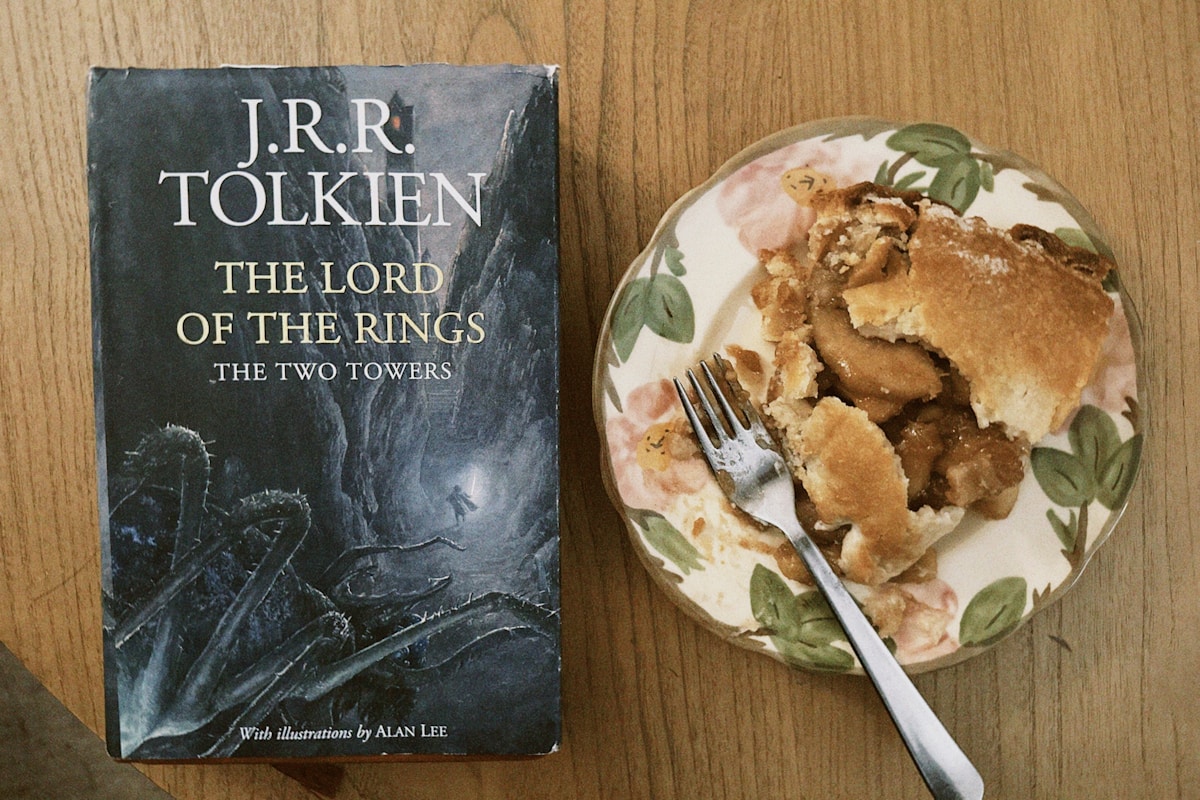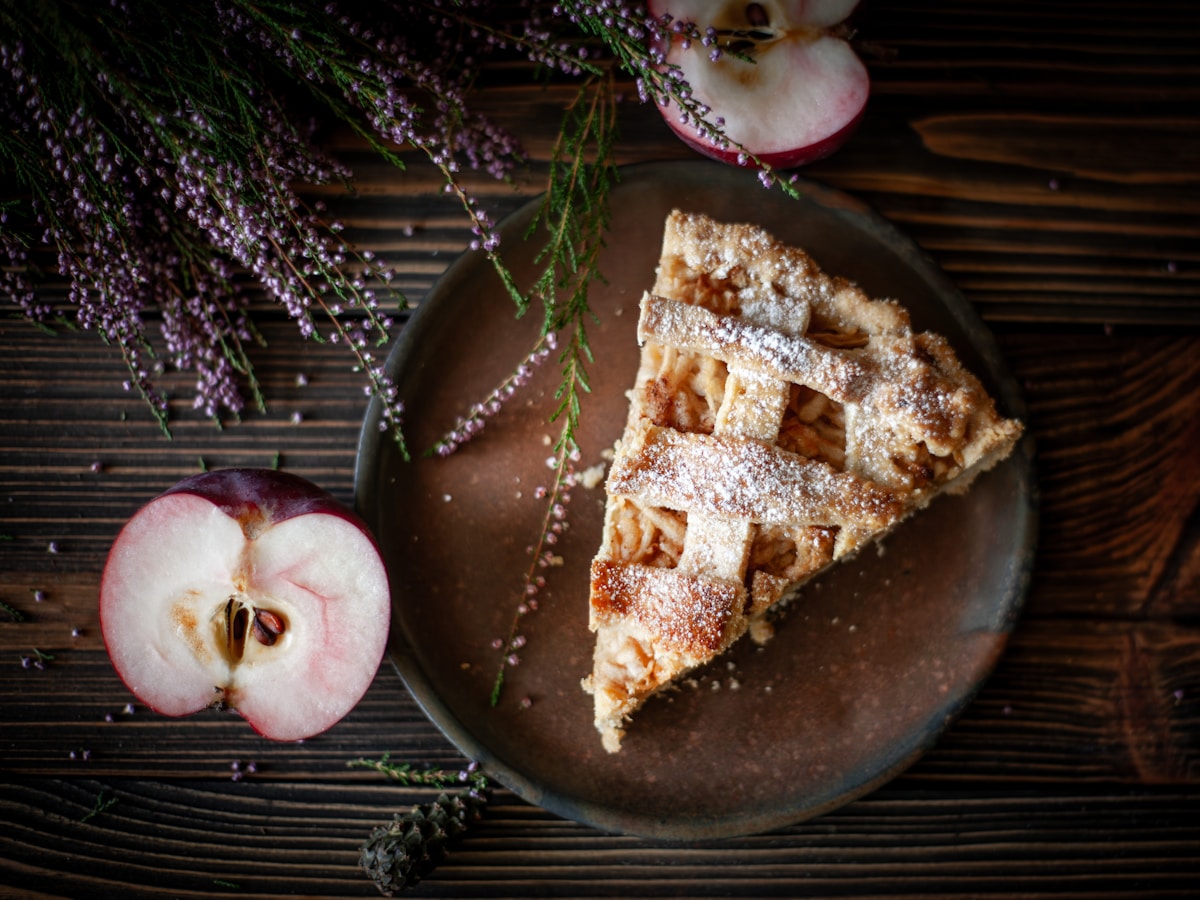
It’s a moment of pure anticipation. The timer has gone off, your kitchen smells of cinnamon and butter, and a magnificent apple pie rests on the counter, its crust a perfect, flaky golden-brown. You let it cool (impatiently), slice into it, and serve a generous wedge. Then comes the first bite… and a disappointing crunch. The crust is divine, but the apples are firm, almost raw. It’s a common baking heartbreak, but I assure you, it’s not a personal failure—it’s a chemistry problem. And like any chemistry problem, it has a solution.
The Cellular Science of a Stubborn Apple
Baking, at its core, is chemistry you can eat. When you ask why your apples didn’t soften, you’re really asking about cell walls, pectin, and heat transfer. Different apple varieties have vastly different cellular structures.
Apples like Granny Smith, Honeycrisp, or Braeburn are prized for baking because they are firm and hold their shape. This is due to strong cell walls and high levels of pectin, a natural gelling agent that acts like mortar between the cellular bricks. When heated, this structure resists breaking down. While this prevents your pie from turning into applesauce, it also means they need more time or more efficient heat to become tender than your crust might allow.
On the other end of the spectrum, you have an apple like a McIntosh. Its cells break down very quickly, which is why it’s a champion for applesauce but can turn to flavorless mush in a pie. The perfect pie filling walks a fine line: slices that are fork-tender but still distinct. The key is controlling how and when those cell walls break down.
The Art of the Apple Blend
The single most impactful choice you make for your pie happens before you ever touch a peeler. Using only one type of super-firm apple is a recipe for a crunchy filling. The professional secret? Always use a blend.
By combining different varieties, you create layers of flavor and, more importantly, a complex, perfect texture. My go-to formula involves two categories of apples:
-
The Structural Apple (60%): These are your firm, tart workhorses. Granny Smith is the classic for a reason—its acidity cuts through the sweetness and its structure is unwavering. Honeycrisp and Braeburn are also excellent choices here. They will remain as distinct slices, providing the primary texture.
-
The Flavor Apple (40%): These are slightly softer, often sweeter apples that will break down more during baking. They melt into the structural apples, creating a thick, naturally luscious sauce around the firmer slices. Good candidates include Golden Delicious, Jonagold, or Gala. They fill in the gaps and ensure there are no empty air pockets in your finished pie.
For a standard 9-inch pie, try a mix of 4 medium Granny Smith apples and 2-3 Golden Delicious apples. This combination gives you that classic tart apple flavor, supported by a gentle sweetness and a filling that is both substantial and saucy.
The Geometry of a Tender Slice
Let’s address a critical mechanical step: slicing. A common misstep is cutting the apples into thick, chunky wedges. While it feels rustic, a 1/2-inch (1.25 cm) or thicker slice simply has too much mass for heat to penetrate to its core in the 45-60 minutes it takes to bake a pie crust.
The optimal thickness is a uniform 1/4-inch (about 6-7mm).
Why is this so crucial? Thinner slices have a greater surface-area-to-volume ratio. This allows the heat of the oven to work more efficiently, breaking down the pectin and cell walls evenly from all sides. Consistency is just as important as thickness. If you have some paper-thin slices and some chunky ones, the thin ones will turn to mush while the thick ones stay crunchy.
A simple mandoline slicer is your best friend here. It guarantees every single slice is identical, removing the guesswork and ensuring an evenly cooked filling. (If you don’t have one, just take your time with a sharp chef’s knife.)
The Foolproof Solution Par-Cooking Your Filling
If you want to absolutely guarantee a perfectly tender, never-soggy apple pie every single time, there is one technique that stands above all others: par-cooking the filling. It might seem like an extra step, but the scientific payoff is enormous. It solves three major pie problems in one go.
Here is the method I swear by:
Ingredients for a 9-inch Deep-Dish Pie:
- 7 medium apples (about 3.5 lbs / 1.6 kg), using your preferred blend
- 3/4 cup (150g) granulated sugar
- 1/4 cup (55g) packed light brown sugar
- 1 teaspoon ground cinnamon
- 1/4 teaspoon ground nutmeg
- 1/4 teaspoon ground allspice
- 1/4 teaspoon salt
- Juice of 1/2 lemon
- 4 tablespoons (57g) unsalted butter
- 3 tablespoons (24g) cornstarch
The Method:
- Peel, Core, and Slice: Prepare your apples, cutting them into uniform 1/4-inch slices. Place them in a large bowl and toss with the lemon juice to prevent browning.
- Macerate: Add the sugars, spices, and salt to the apples. Toss thoroughly to coat every slice. Let this mixture sit at room temperature for 45-60 minutes. During this time, the sugar will draw moisture out of the apples through osmosis, creating a significant amount of flavourful syrup at the bottom of the bowl.
- Create the Sauce: Strain the apples, collecting all of that wonderful syrup in a medium saucepan. Add the 4 tablespoons of butter to the saucepan and bring the mixture to a simmer over medium heat. Let it bubble for about 5 minutes; it will reduce and the flavors will concentrate.
- Thicken: In a small bowl, make a slurry by whisking the cornstarch with 3 tablespoons of cold water until smooth. While whisking the simmering syrup, slowly pour in the cornstarch slurry. Continue to cook for 1 minute, whisking constantly, until the sauce becomes quite thick and glossy.
- Combine and Cool: Remove the sauce from the heat and pour it back over the drained apple slices. Stir gently to coat everything. Spread the filling on a baking sheet to cool to room temperature quickly. (This is crucial—never put a hot filling in a cold pie crust.)
Why this works wonders:
- Tenderness Guaranteed: It gives the apples a head start on cooking, ensuring they are perfectly tender.
- No More Soggy Bottom: By cooking the juices with cornstarch before they go into the pie, you create a stable, thick sauce that won’t make your bottom crust wet and doughy.
- Eliminates the Gap: Apples shrink as they cook. This method pre-shrinks them, so you can pack your pie shell full and it will stay full. No more disappointing air gap between the filling and the top crust.
Final Assembly and the Perfect Bake
Once your filling is completely cool, you’re ready for the final stage. Spoon the cooled filling into your chilled, unbaked pie shell. Mound it slightly in the center. Place your top crust, trim and crimp the edges, and cut several vents to allow steam to escape.
For the bake itself, temperature management is key.
- Initial Blast: Start your oven high, at 425°F (220°C). Place the pie on a baking sheet (to catch drips) on the lowest rack and bake for 15 minutes. This intense initial heat helps to set the bottom crust quickly, another defense against sogginess.
- Long, Steady Bake: After 15 minutes, reduce the oven temperature to 375°F (190°C) and continue baking for another 40-50 minutes.
- Check for Doneness: The pie is done when the crust is a deep, rich golden brown and—this is the most important visual cue—the filling is bubbling thickly up through the vents. That bubbling tells you the internal temperature is high enough and the sauce is perfectly set. If your crust is browning too fast, loosely tent it with aluminum foil for the remainder of the bake.
Finally, the hardest part: let the pie cool on a wire rack for at least four hours before slicing. Yes, really. This allows the molten, bubbly filling to cool and set completely. Slice it too soon, and you’ll have a delicious, soupy mess. Patience here is the final ingredient for that perfect, clean slice you’ve been working toward.