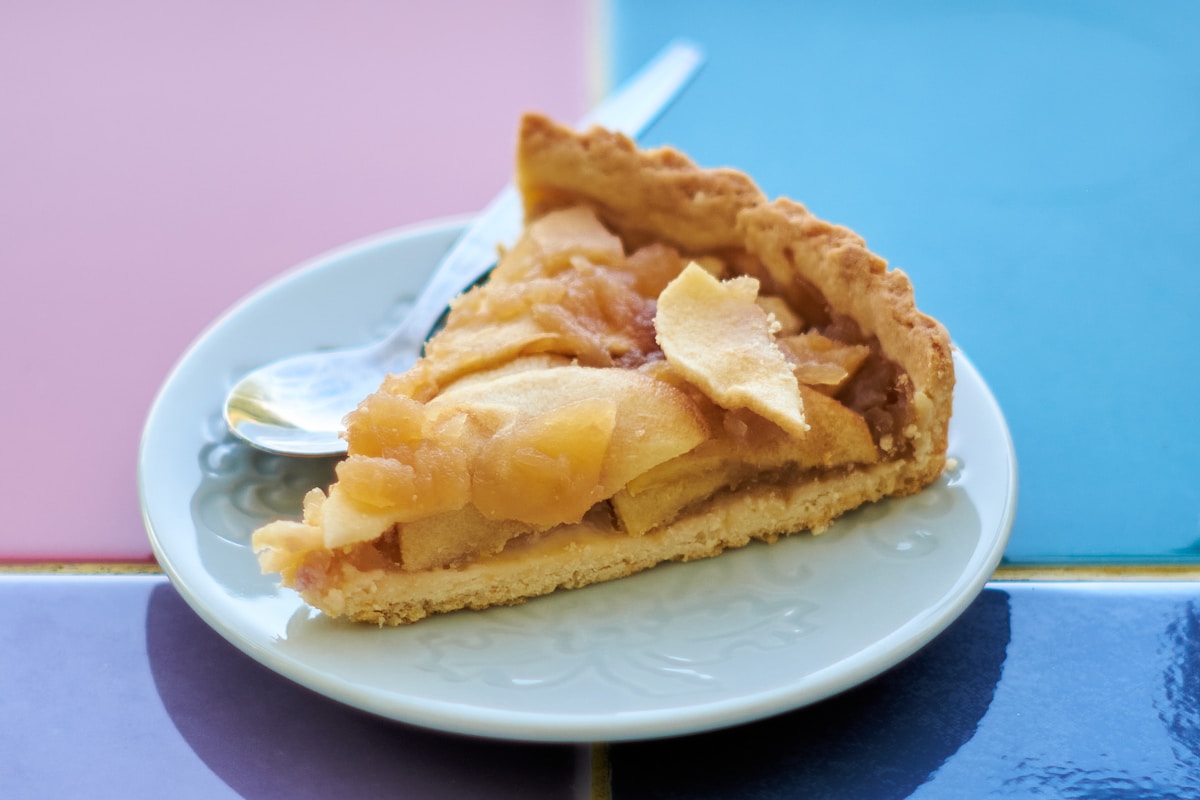
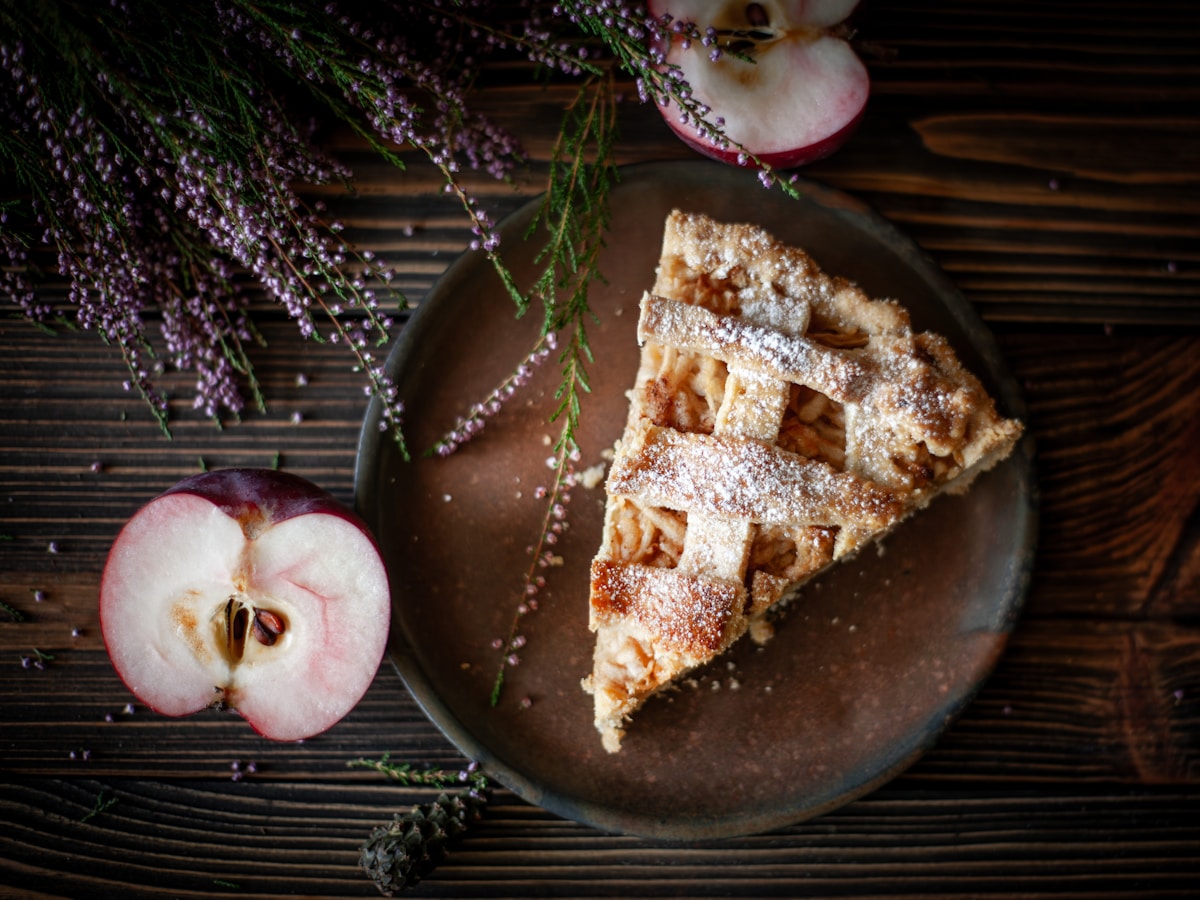
There’s a specific kind of culinary heartbreak that every baker knows. The scene is perfect: your apple pie emerges from the oven, a masterpiece of golden-brown latticework, its sugary crust glistening under the kitchen lights. The aroma of cinnamon and baked apples fills the air. You let it cool (with incredible restraint), slice into it, and serve a generous wedge. Then, the moment of truth arrives with the first bite… and it’s met with a distinct, disappointing crunch.
The crust is flaky, the flavor is there, but the apples are stubbornly firm, more like a fresh snack than the tender, slumped, jammy filling you dreamed of. It’s a common problem, one that can make you question your recipe, your oven, and your baking skills. But the solution isn’t just to “bake it longer.” The real answer lies in the chemistry of the fruit and the physics of heat transfer inside that beautiful pie shell. Let’s break down the science of why this happens and how you can achieve a perfectly tender apple filling, every single time.
The Physics of Pie: Why Fillings Stay Raw
Before we can fix the problem, we need to understand why it occurs. A pie is a fascinating thermal environment. Your oven’s heat works wonders on the exterior, creating that perfect crust through the Maillard reaction and caramelization. However, that very same crust, especially a double crust, acts as an insulator.
Think of it like a delicious blanket. It protects the filling from the oven’s direct, intense heat. For the apples in the center to cook, heat must first penetrate the top crust and then slowly work its way through the dense, stacked layers of fruit. Apples have a high water content, and cooking them is essentially a process of steaming them in their own juices until their cellular structure, held together by a natural substance called pectin, breaks down and softens.
This process takes time and a sustained, high temperature. If you pull the pie when the crust looks perfect, the apples in the middle—the most insulated part—may not have had enough time to reach the critical temperature needed for them to soften. The result is a textural disconnect: a perfectly cooked exterior hiding a raw, crunchy interior.
The Right Apple for the Job: A Matter of Pectin
The foundation of a great pie filling is, unsurprisingly, the apple itself. But walking into a grocery store and grabbing any red or green variety is a recipe for unpredictability. Baking apples are a category of their own, chosen specifically for their chemical makeup.
The key factors are acidity, sugar content, and pectin structure. You want apples that are firm and tart, with a pectin structure that softens under heat but doesn’t completely disintegrate into mush.
Here’s a quick guide to your apple selection:
- The Gold Standard Bakers: Granny Smith, Honeycrisp, Braeburn, and Golden Delicious are the workhorses of the pie world. They offer a fantastic balance of tartness and sweetness and, most importantly, they hold their shape beautifully when cooked. They’ll become tender, but you’ll still have distinct slices of fruit in your filling.
- Apples to Use with Caution: McIntosh, Gala, or Red Delicious have a softer flesh and lower pectin content. They tend to break down very quickly when heated, creating a texture that is more like applesauce. While this can be desirable for some recipes, it’s not ideal if you want a classic, sliceable pie.
My personal kitchen hack is to use a strategic blend. I’ll build my filling with about two-thirds firm apples, like Granny Smith, and one-third slightly softer apples, like Golden Delicious. This gives you the best of both worlds: the Granny Smiths provide structure and a tart backbone, while the Golden Delicious apples break down just enough to create a thick, luscious sauce that suspends the firmer slices. (Trust me on this one.)
The Art of the Slice: Why Uniformity Is Key
Once you’ve chosen your apples, how you cut them is the next critical step. This is a matter of simple geometry. A thick, chunky apple slice has a large core volume that heat struggles to penetrate evenly. By the time the very center of that chunk is tender, the outside edges may have turned to mush.
The ideal thickness for apple pie slices is a uniform 1/4-inch (about 6mm). This thickness is substantial enough to feel like a real slice of fruit but thin enough to allow for even and relatively quick cooking.
Uniformity is just as important as thickness. If your slices vary wildly from 1/8-inch to 1/2-inch, they will cook at dramatically different rates. You’ll end up with a chaotic mix of crunchy, hard pieces and dissolved, saucy bits. For ultimate consistency, a simple kitchen mandoline is an invaluable tool. If you’re cutting by hand, take your time. Focus on making each slice as consistent as the last. It’s a meditative process that pays huge dividends in the final texture of your pie.
The Par-Cooking Advantage: A Baker’s Insurance Policy
If you want to absolutely guarantee a tender filling, there is one technique that I consider a baker’s secret weapon: par-cooking the filling. This involves giving your apples a head start on the stove before they ever see the inside of a pie crust.
By pre-cooking the apples, you achieve two crucial things. First, you begin the process of breaking down their cellular structure, ensuring they will be tender. Second, you drive off a significant amount of excess water. This concentrates the apple flavor and, more importantly, prevents the dreaded “soggy bottom” by keeping excess liquid from turning your bottom crust into a pale, doughy mess.
Here is my simple, foolproof method for a 9-inch pie:
- Prep Your Fruit: Peel, core, and slice about 3 pounds (around 6-8 medium) of your chosen apples to that uniform 1/4-inch thickness.
- Sauté: In a large saucepan or Dutch oven, melt 3 tablespoons (42g) of unsalted butter over medium heat.
- Combine: Add the sliced apples, 3/4 cup (150g) granulated sugar, 1 teaspoon of ground cinnamon, 1/4 teaspoon of ground nutmeg, 1/4 teaspoon of salt, and a tablespoon of lemon juice (to prevent browning and add brightness).
- Cook Down: Stir everything gently to combine and cook for about 8-10 minutes, stirring occasionally. You aren’t trying to cook them through completely. The goal is for the apples to release their juices and for the slices to become pliable and slightly tender at the edges. They should still have some bite.
- Cool Completely: Remove the filling from the heat and let it cool to room temperature before pouring it into your unbaked pie shell. Adding a hot filling to a cold, butter-laden crust is a recipe for melting the fat and ruining that flaky texture you worked so hard for. (Your future self will thank you for your patience.)
Judging Doneness: Beyond a Golden-Brown Crust
So, your pie is in the oven. How do you know when it’s truly done? As we’ve established, the color of the crust can be a liar. You need to investigate the filling itself.
There are three reliable methods to test for doneness:
-
The Temperature Test: This is the most scientific and precise method. Insert an instant-read digital thermometer through a vent in the center of the pie. The internal temperature of the filling should be between 195°F and 200°F (90°C to 93°C). At this temperature, the pectin in the apples has sufficiently broken down, and any starch-based thickener (like flour or cornstarch) you’ve used has fully gelatinized, creating a thick, stable sauce.
-
The Visual Test: Look at the juices. A properly cooked pie filling will bubble slowly and thickly through the vents in your crust. The bubbles should look like lava—thick, syrupy, and slow-moving. If you see thin, watery liquid bubbling rapidly, the thickeners haven’t activated yet, and the apples likely aren’t done.
-
The Tactile Test (My Personal Favorite): This is the most intuitive method. Carefully insert the tip of a thin paring knife or a cake tester through a vent into the heart of the pie. It should slide through the apple slices with almost no resistance, similar to the feeling of piercing a fully baked potato. If you feel any definitive crunch or have to push with force, the apples need more time.
What if your crust is perfectly browned but the filling fails these tests? Don’t panic. Simply tent the pie loosely with a piece of aluminum foil to shield the crust from more direct heat and continue baking until the filling is properly cooked.
Baking is chemistry you can eat, and understanding these small but crucial details transforms you from someone who follows a recipe to someone who commands it. By choosing the right apples, slicing them with intention, giving them a head start on the stove, and testing for doneness with precision, you can finally put the problem of crunchy pie fillings behind you for good.