Can You Bake a Perfectly Creamy Cheesecake Without a Water Bath

Can You Bake a Perfectly Creamy Cheesecake Without a Water Bath

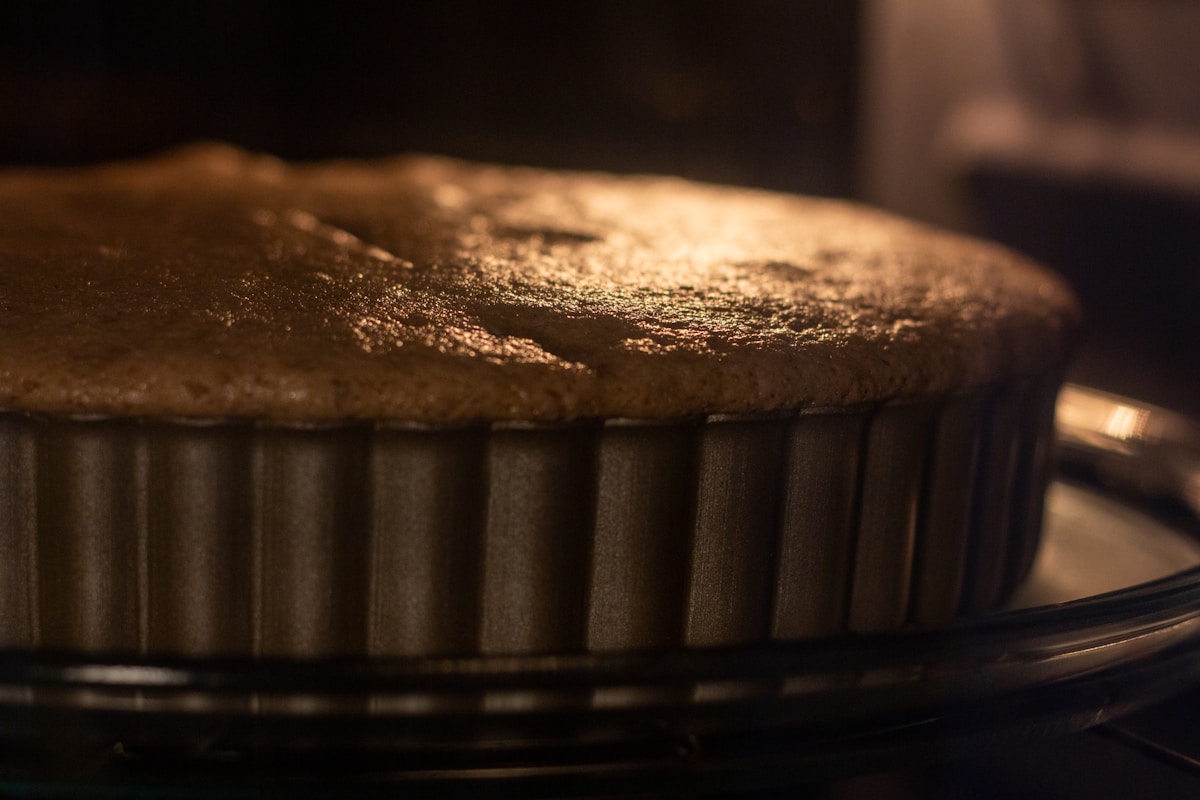
There’s a moment every baker knows. It’s the quiet hour after you’ve pulled a magnificent cheesecake from the oven. It sits on the counter, golden and proud. You walk away, and when you return, a deep, jagged fissure has split its perfect surface. The dreaded crack. For years, the gospel solution has been the bain-marie, or water bath—a fussy, sloshy, and often leaky insurance policy against this very problem.

Why Do Some Chocolate Cake Recipes Not Need Eggs?

Why Do Some Chocolate Cake Recipes Not Need Eggs?

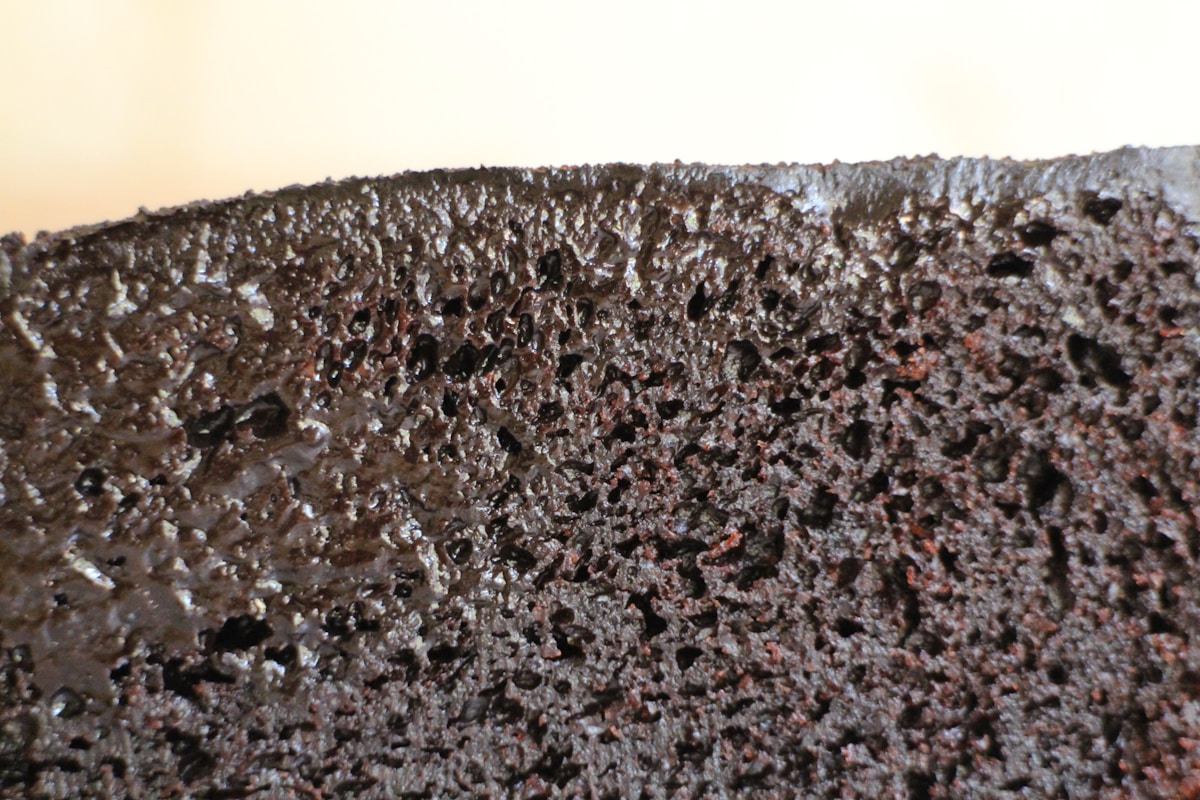
Have you ever stumbled upon a chocolate cake recipe, maybe a classic one from the back of a cocoa powder tin, and done a double-take? You scan the ingredient list: flour, sugar, cocoa, oil, water… but no eggs. It feels like a typo, a critical omission. For most of us, it’s baking 101: eggs provide structure, lift, and richness. How could a cake possibly work without them?

How Do You Get Those Beautiful Designs on Artisan Sourdough Bread

How Do You Get Those Beautiful Designs on Artisan Sourdough Bread

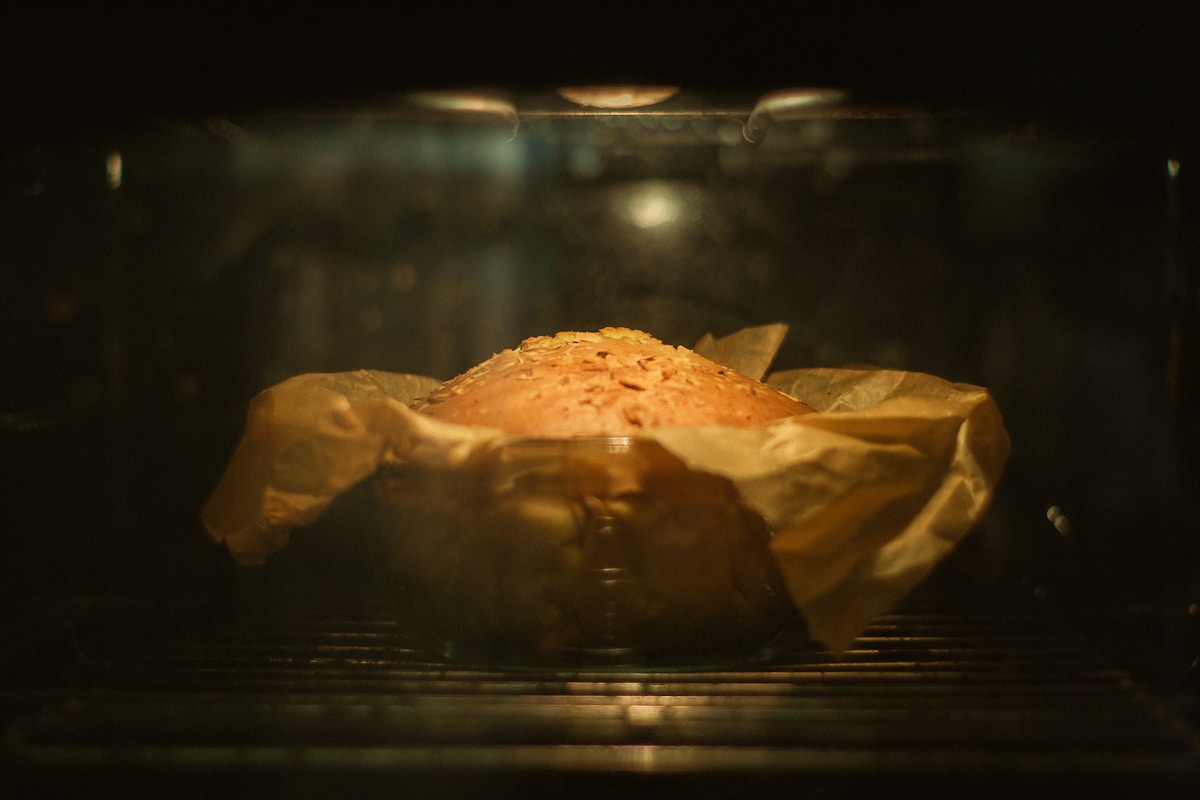
There’s a certain comfort in the hum of a bread machine. You add your ingredients, press a button, and a few hours later, you have a perfectly uniform loaf of bread. It’s reliable, it’s easy, and it fills the house with a wonderful aroma. But then you see it online: a rustic, golden-brown sourdough loaf with a dramatic ’ear’ bursting from the crust, decorated with intricate patterns that look like wheat stalks or delicate leaves. Suddenly, the rectangular loaf from your machine feels a little… uninspired.

Why Is My Brown Sugar Turning White Around Its Terracotta Bear?

Why Is My Brown Sugar Turning White Around Its Terracotta Bear?

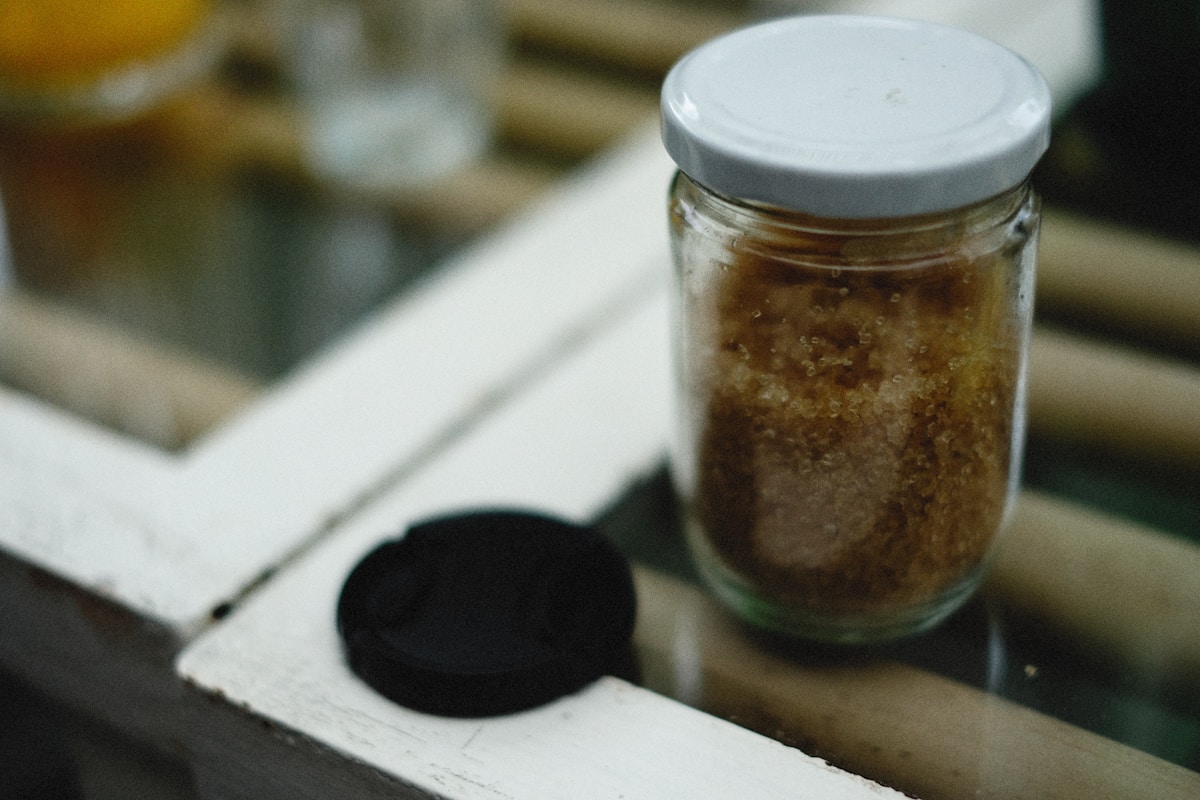
You reach for the brown sugar, dreaming of warm, chewy chocolate chip cookies with those delightful pockets of caramelization. You open the container, proud that you remembered to use that cute little terracotta bear to keep it soft. But instead of fluffy, scoopable sweetness, you find something strange: a weird, white, crystalline halo forming around the bear, while the rest of the sugar is maybe a little… damp.

How Can I Keep My Detailed Cut-Out Cookies From Spreading

How Can I Keep My Detailed Cut-Out Cookies From Spreading

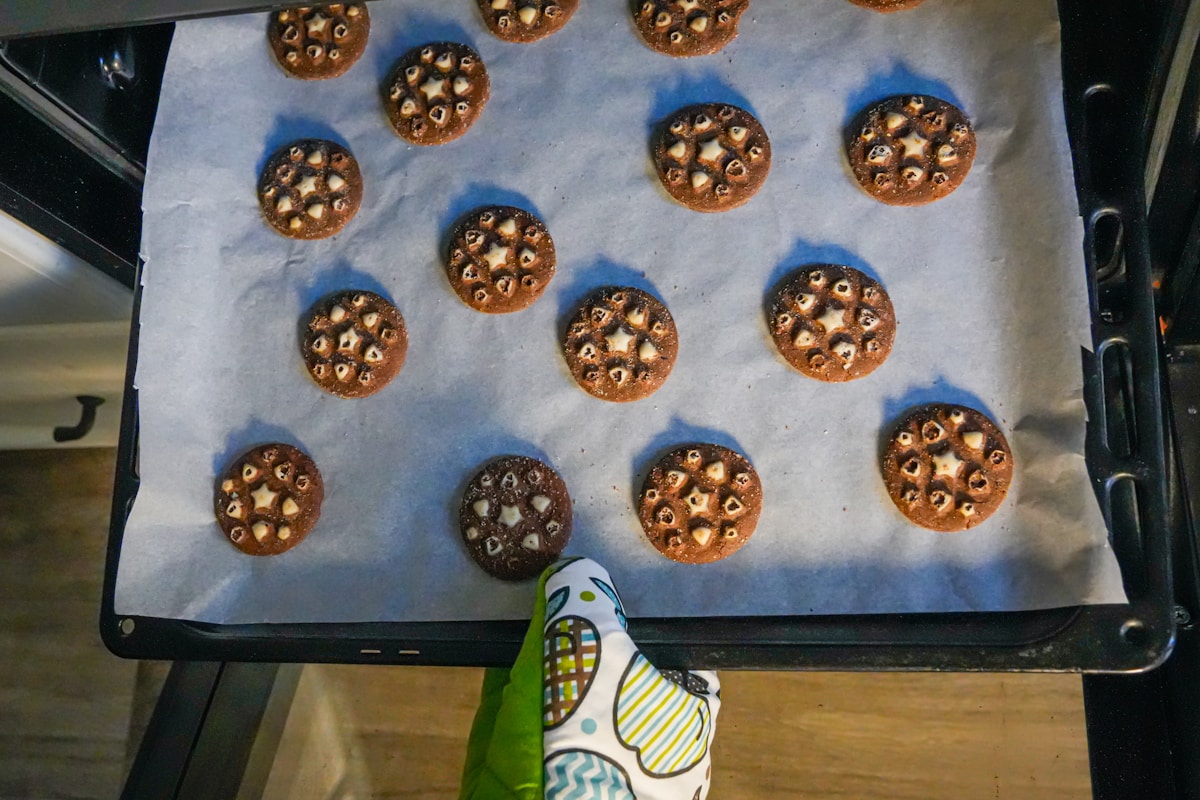
There’s a unique kind of kitchen heartbreak that every meticulous baker has felt. You spend hours crafting the perfect dough, chilling it, and painstakingly cutting out intricate shapes—delicate snowflakes, detailed gingerbread figures, or even a set of Mahjong-inspired butter cookies. You arrange them perfectly on the baking sheet, a testament to your patience. Then, you watch through the oven door as your crisp, sharp edges melt into soft, rounded, unrecognizable blobs. It’s frustrating, but I’m here to tell you it’s not a personal failure; it’s a chemistry problem. And like any chemistry problem, it has a solution.

Are My Stuffed Cookies Raw or Just Perfectly Gooey Inside?

Are My Stuffed Cookies Raw or Just Perfectly Gooey Inside?

There’s a unique moment of baker’s anxiety that I know all too well. You’ve just pulled a tray of magnificent stuffed cookies from the oven—maybe they’re cream cheese-filled red velvet or molten Nutella-stuffed chocolate chip. They look perfect: golden brown, slightly crackled, and smelling divine. You wait just long enough not to burn your fingers, break one open, and your heart sinks. The center looks… wet. Is it the luscious, molten filling you dreamed of, or is it a gooey, underbaked, salmonella-in-waiting disaster?

Why Is My Banana Bread Gummy and Dense on the Bottom?

Why Is My Banana Bread Gummy and Dense on the Bottom?

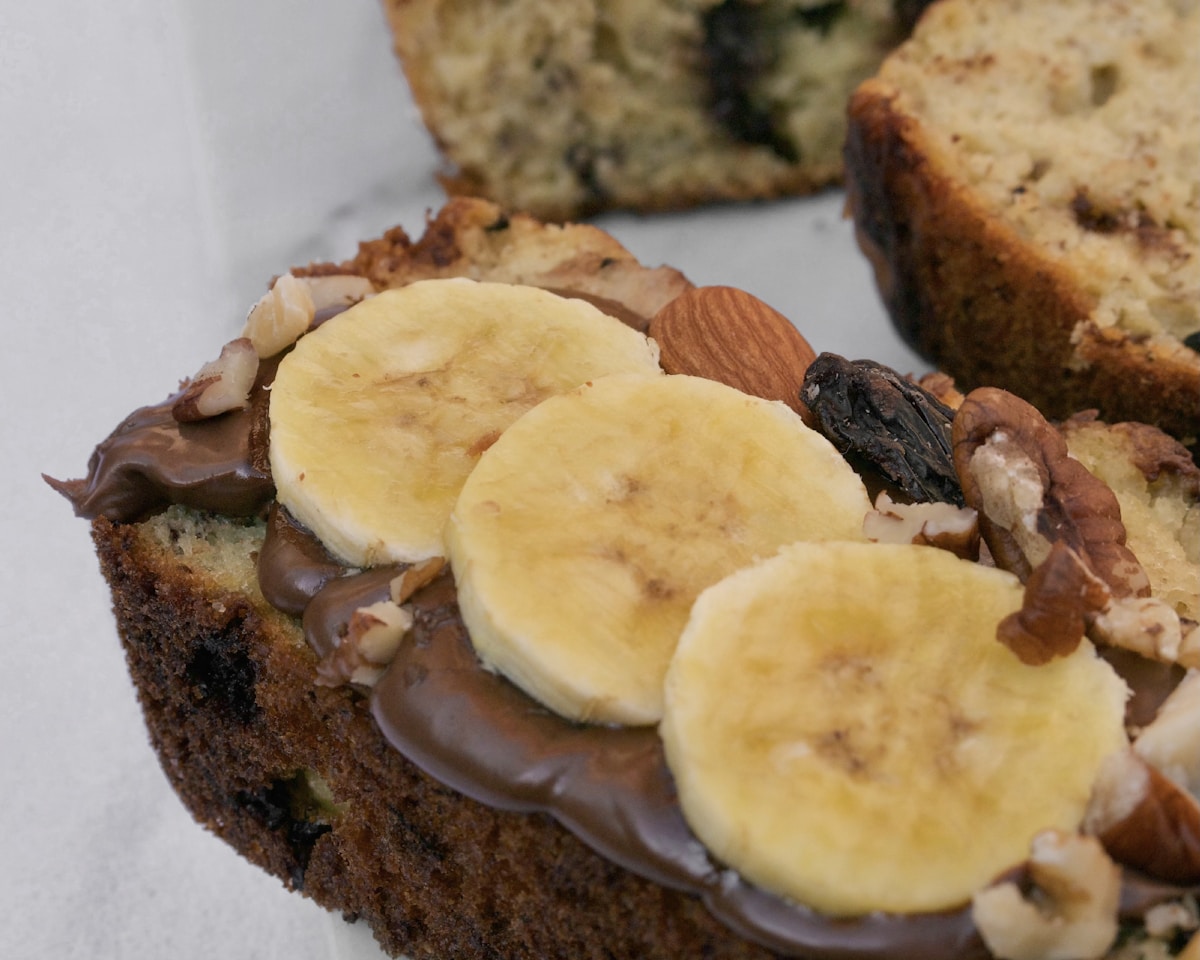
There’s a unique kind of kitchen disappointment that every baker knows. You pull a loaf of banana bread from the oven. The top is a perfect, craggy dome of caramelized brown. The aroma is intoxicating. You let it cool (mostly), slice into it with anticipation, and then you see it: the dreaded gummy layer. The top two-thirds of the slice are light and fluffy, but the bottom third is a dense, damp, and distinctly unappealing stratum. What went wrong?

Why Do My Brownies Rise at the Edges and Sink in the Middle?

Why Do My Brownies Rise at the Edges and Sink in the Middle?

There are few kitchen moments as promising as sliding a pan of rich, chocolatey brownie batter into a hot oven. You watch it bake, smelling the glorious transformation from liquid to solid. And then, the moment of truth. You pull it out, and you see it: the dreaded brownie crater. The edges have climbed halfway up the sides of the pan, forming a dry, cakey wall, while the center has collapsed into a dense, slightly gooey depression. It’s a frustratingly common problem, but I’m here to tell you it’s not a personal failure—it’s a matter of physics.

Can You Bake a Pineapple Upside-Down Tres Leches Cake

Can You Bake a Pineapple Upside-Down Tres Leches Cake

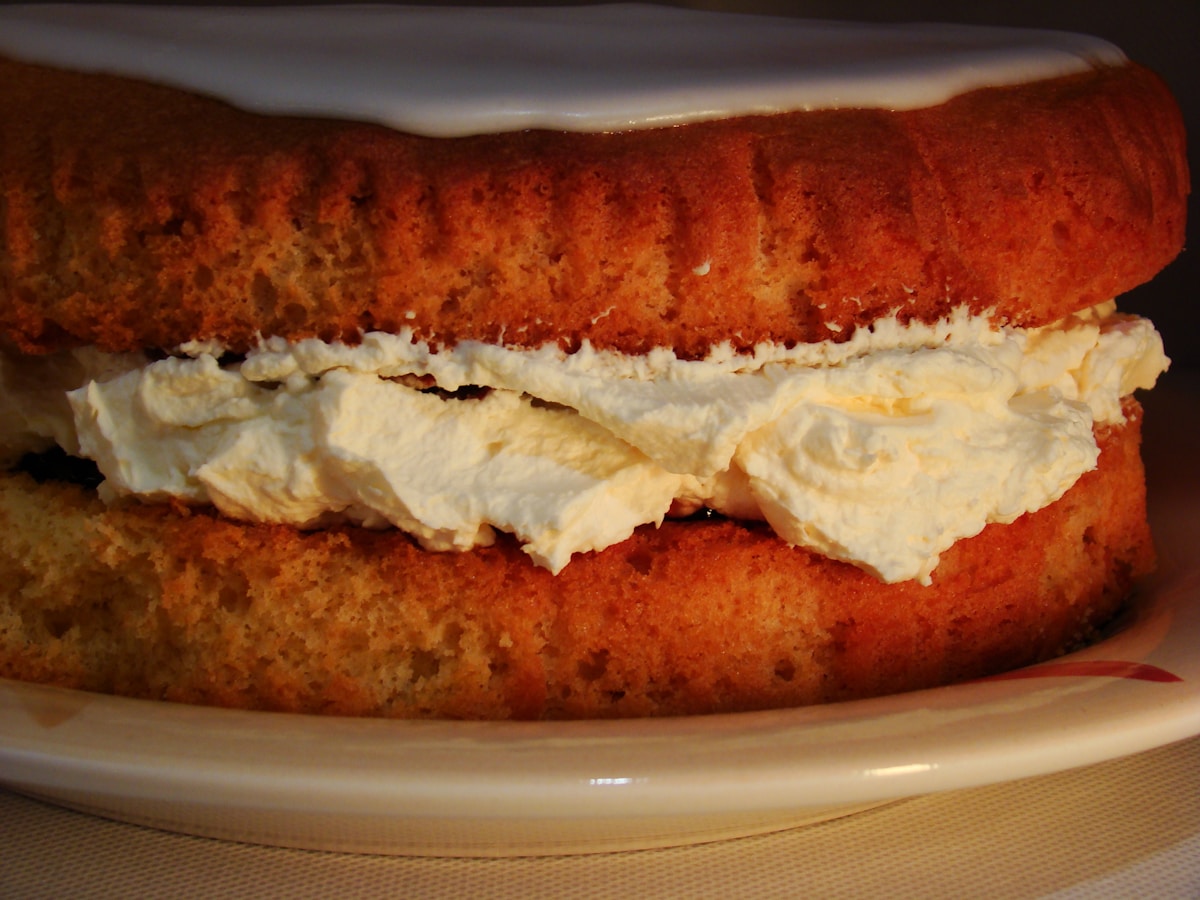
Every so often in the kitchen, you face a truly delicious dilemma. Should you bake the classic, comforting pineapple upside-down cake, with its glistening, caramelized fruit and tender butter cake? Or should you go for the cool, creamy indulgence of a tres leches cake, a sponge so impossibly saturated with sweet milk it practically melts on the tongue? For a recent family gathering, I found myself paralyzed by this very choice. Then, a thought sparked: why choose at all? Baking is chemistry, after all, and with the right formula, you can create a reaction that delivers the best of both worlds. The result is this project: the Pineapple Upside-Down Tres Leches Cake. It’s an ambitious bake, I won’t lie. But the payoff—a stunning, multi-layered dessert that will have everyone talking—is more than worth the effort. Let’s break down the science of how to make this magnificent fusion a reality.

How Do Bakeries Get Chocolate Chip Cookies So Perfectly Chewy

How Do Bakeries Get Chocolate Chip Cookies So Perfectly Chewy

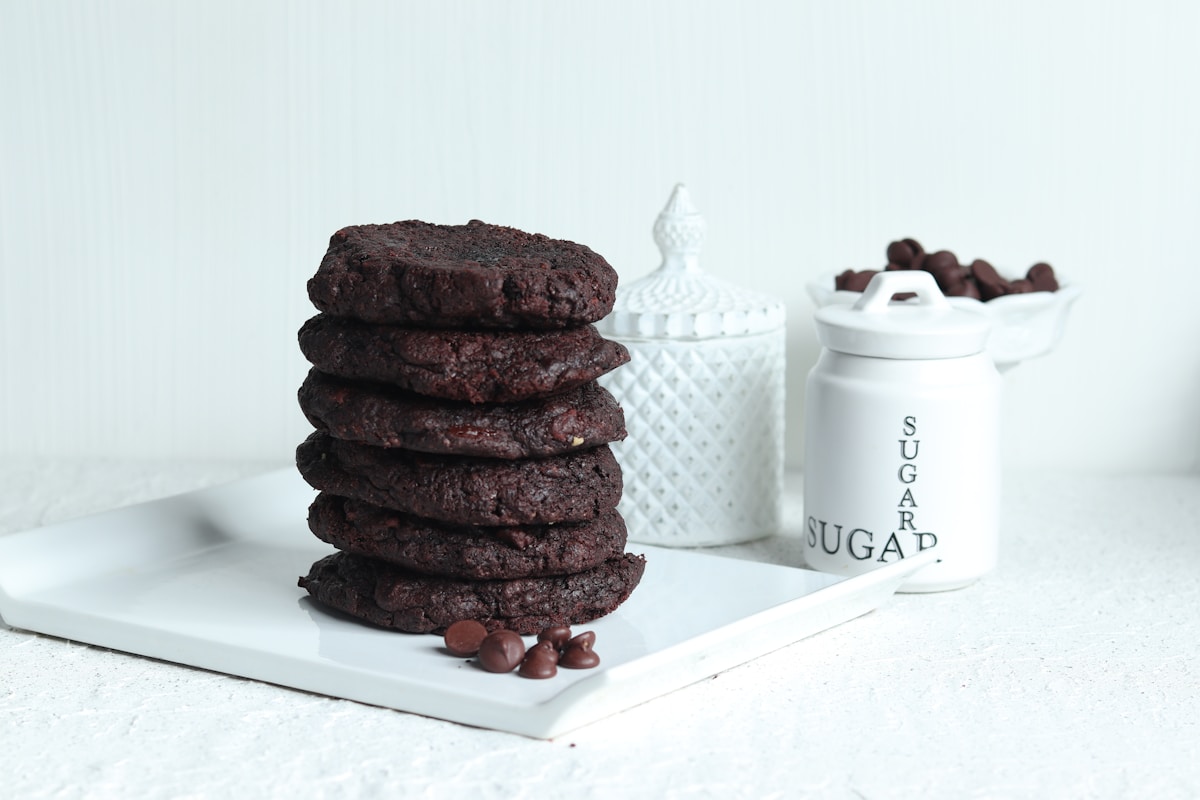
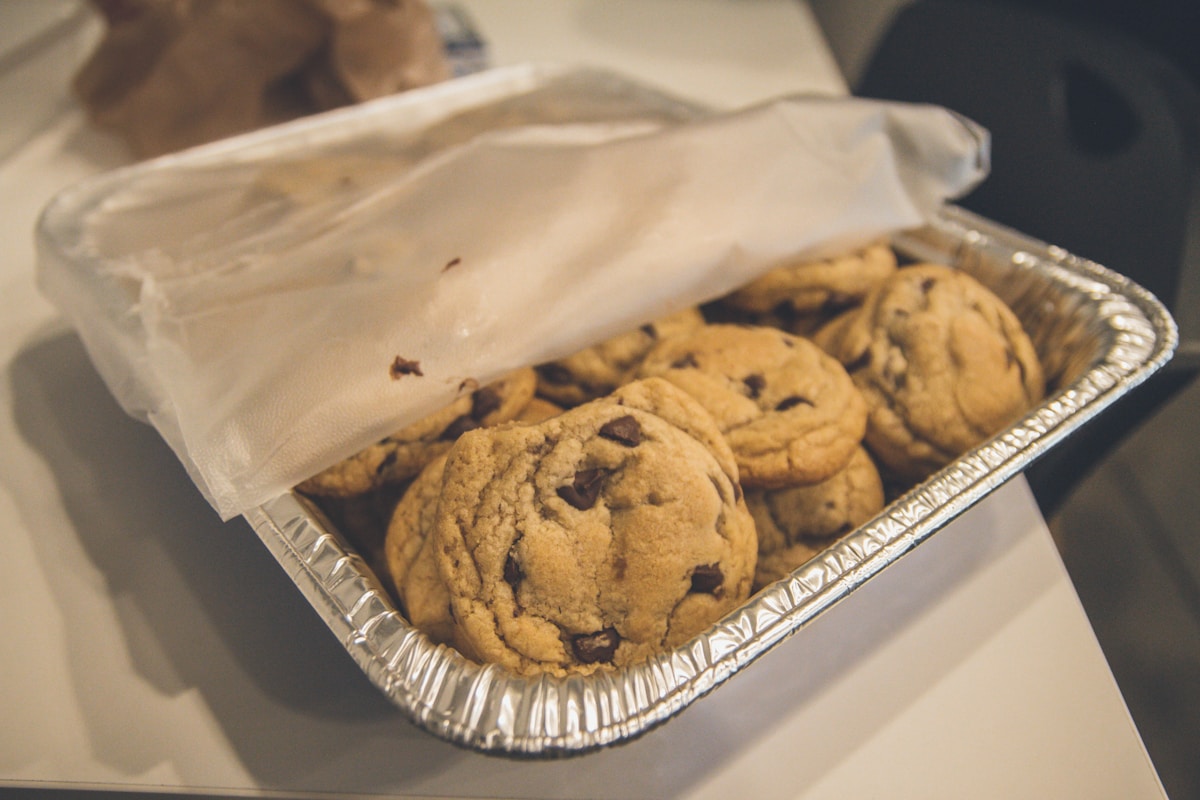
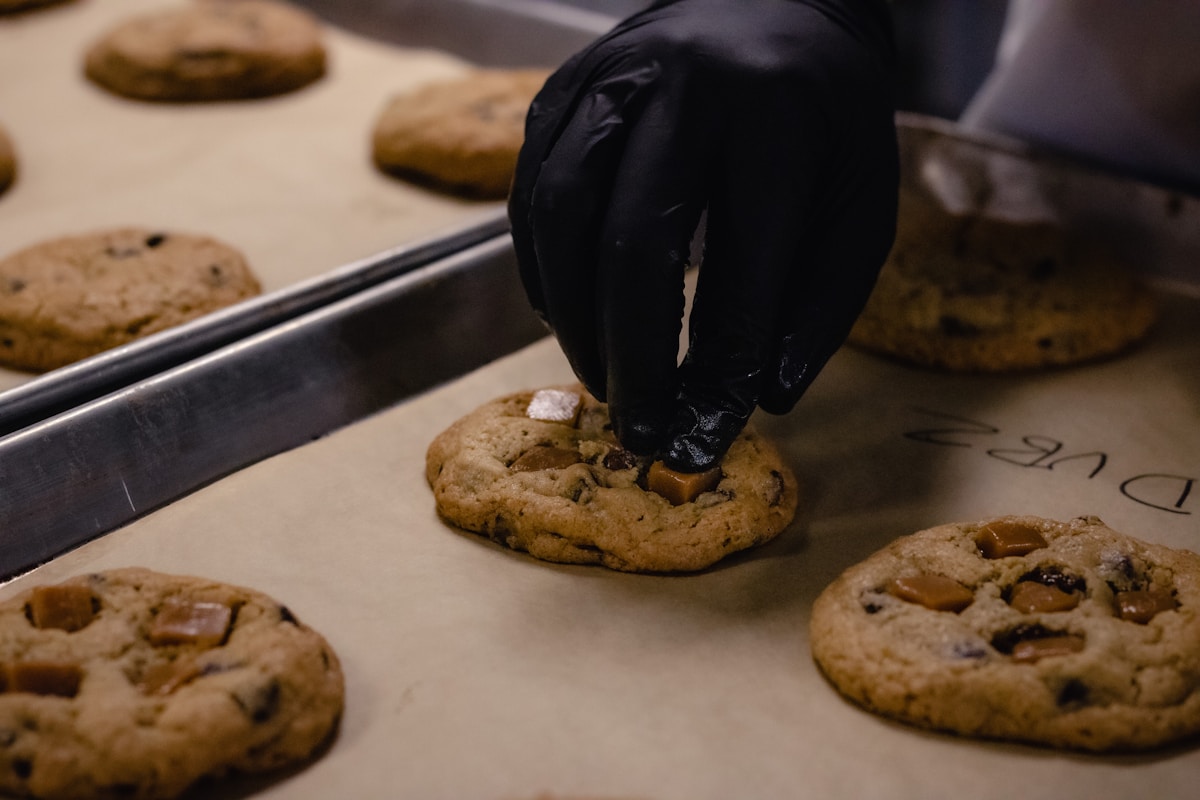
We’ve all been there. You follow a chocolate chip cookie recipe to the letter, dreaming of those thick, chewy discs of perfection you get from a high-end bakery. Instead, you pull a tray of flat, crispy saucers or puffy, cake-like mounds from the oven. It’s a common kitchen frustration, but I’m here to tell you that the cookie of your dreams is not out of reach. The difference isn’t magic; it’s chemistry.

Why Did My Sourdough Turn Into a Hard Rock?

Why Did My Sourdough Turn Into a Hard Rock?

You followed the recipe. You measured precisely. You watched the dough for hours. Then, after all that work, you pull it from the oven… and it’s a rock. It lands on the cooling rack with a discouraging thud. The crust is pale, the crumb is tight and gummy, and it has the density of a paving stone. Every sourdough baker has been there. It’s a frustrating, but fixable, rite of passage.