


Have you ever been there? You spend an afternoon carefully measuring and mixing, your kitchen smells like heaven, and you pull a pan of gorgeous, golden-brown cookies from the oven. They look perfect. You take a bite, anticipating bliss, and… WHAM. It’s a tidal wave of pure, one-note sugar. It’s so sweet it makes your teeth ache.
First of all, take a deep breath and know that this happens to everyone. It’s one of the most common hurdles for new bakers. You followed the recipe exactly, so what went wrong? The truth is, creating a truly delicious dessert isn’t just about being sweet. It’s about balance. The best bakers know a secret that turns good desserts into unforgettable ones: they masterfully weave in other flavors to keep the sweetness in check.
Think of it like a musical chord. A single note can be nice, but a combination of notes creates harmony and depth. In baking, pure sugar is that single note. To make it sing, you need to add harmony with three magical partners: salt, acid, and bitter flavors. Let’s break down how to use these secret weapons to transform your baking from simply sweet to sublimely satisfying.
The Unsung Hero of Baking Your Salt Shaker
When you think of salt, you probably think of savory food. But I’m here to tell you that salt is the single most important ingredient for balancing sweetness in your desserts. (Yes, really.) Forgetting the salt in a batch of cookies is just as disastrous as forgetting the sugar.
Why is it so crucial? Salt has a fascinating effect on our taste buds. It actually suppresses our perception of bitterness and enhances our perception of other aromas and flavors. In a dessert, it dials down the cloying, raw sweetness of sugar and turns up the volume on everything else—the rich notes of chocolate, the warmth of vanilla, the nuttiness of browned butter. It makes your desserts taste more complex and, paradoxically, more delicious.
A great example I once heard is that adding salt to a dessert is like adjusting the contrast on a photograph. Suddenly, all the colors look brighter and more distinct instead of washed out. That’s what salt does for flavor.
How to Use Salt Like a Pro:
- Start with a Baseline: A good rule of thumb for cakes, cookies, and breads is to use about 1/4 to 1/2 teaspoon of kosher salt per cup of all-purpose flour. For fillings, frostings, and caramels, you have to taste as you go. Add a tiny pinch, stir it in completely, and taste. Repeat until the flavors pop.
- Choose the Right Salt: Please, put away the iodized table salt. It can have a metallic, harsh flavor. For baking, you want a pure, clean-tasting salt. I recommend using a kosher salt like Diamond Crystal (my personal favorite) or Morton Coarse Kosher. The flakes are larger and easier to pinch, giving you more control. Remember that different salts have different densities. A good conversion is: 1 tsp table salt = 1 ½ tsp Morton Kosher salt = 2 tsp Diamond Crystal kosher salt.
- Don’t Forget the Frosting: This is where many desserts go from sweet to sickly. American buttercream is famously sweet, but a generous pinch of salt can make all the difference. It cuts the intense sweetness of the powdered sugar and lets the butter and vanilla flavors shine through.
Pucker Up The Power of Acid
Our next tool for taming sweetness is acid. Think about what a squeeze of fresh lime does to a glass of cola or how a sharp vinaigrette balances a rich piece of meat. Acid provides a bright, sharp counterpoint that cuts through richness and cleanses your palate. It adds a spark of life that prevents a dessert from feeling heavy and monotonous.
Adding a touch of acidity doesn’t mean your dessert will taste sour. When used correctly, it simply provides a background note of brightness that makes the sweet and rich flavors feel more intentional and less overwhelming. It’s the splash of color in a black-and-white photo.
Delicious Ways to Add Acidity:
- Citrus: A little bit of lemon juice or zest is a classic for a reason. It’s brilliant in fruit pies, berry compotes, and simple glazes. Even in recipes where you don’t want a lemon flavor, half a teaspoon of lemon juice can brighten things up without being noticeable.
- Cultured Dairy: Buttermilk, sour cream, and plain yogurt are your best friends for moist, tender cakes with a subtle, complex tang. They react with baking soda to create a beautiful lift, and their gentle acidity balances the sugar perfectly. Try swapping out the regular milk in your next pancake or muffin recipe for buttermilk.
- Cream Cheese: The signature tang of cream cheese is what makes cream cheese frosting so addictive. It stands up to an incredible amount of powdered sugar, creating a frosting that is rich and tangy instead of just sweet. (Your future self will thank you for making this swap.)
- Vinegar: This might sound strange, but a tiny splash of vinegar can work wonders. A little apple cider vinegar in a caramel sauce can keep it from crystallizing and add a fascinating depth. A teaspoon of balsamic vinegar can intensify the flavor of chocolate or strawberries in a surprising way.
Embracing the Dark Side Bitter Flavors
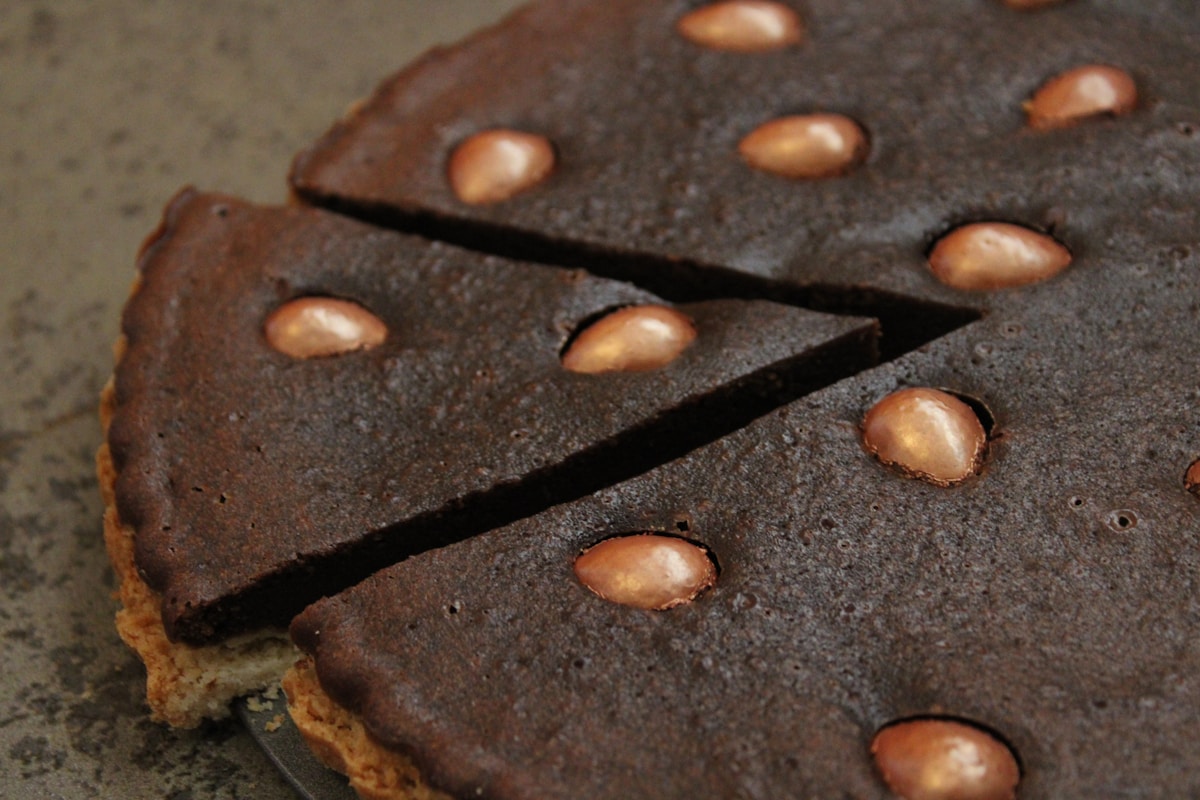
In the world of dessert, “bitter” is not a bad word. It’s a sign of sophistication. Bitter flavors provide a deep, resonant bass note that anchors the sweetness and richness, preventing them from flying off the handle. It’s the difference between a milk chocolate bar and a complex, 72% dark chocolate truffle.
When you pair a bitter element with a sweet one, your brain registers both, and the result is a flavor profile that is intriguing and deeply satisfying. This is why coffee and chocolate are a classic pairing!
My Favorite Bitter Ingredients:
- Dark Chocolate & Unsweetened Cocoa: This is the easiest swap to make. Instead of semi-sweet chocolate chips, try using a high-quality dark chocolate bar (60% to 75% cacao) chopped into chunks. When a recipe calls for cocoa powder, always use unsweetened. For a really deep, dark flavor, look for Dutch-processed cocoa powder like the kind from Droste or King Arthur.
- Espresso Powder: Here’s a true kitchen hack: adding a teaspoon of instant espresso powder to any chocolate recipe will not make it taste like coffee. Instead, it will suppress the sweetness and amplify the chocolate flavor, making it taste richer and more complex. It’s my secret weapon for brownies and chocolate cake.
- Browned Butter: The simple act of browning your butter before adding it to cookie dough is transformative. As the butter melts and cooks, the milk solids toast and turn brown, releasing an unbelievably nutty, complex, and slightly bitter aroma. This flavor adds a layer of sophistication that stands up beautifully to the sugar and chocolate in a classic chocolate chip cookie. Simply melt your butter in a light-colored pan over medium heat and continue swirling it until it foams, then subsides, leaving behind fragrant brown specks. (Trust me on this one.)
Try This Tonight Your Sweetness-Balancing Mission
Feeling ready to put this into practice? You don’t need to bake a whole three-layer cake to understand this concept. Let’s do a tiny, five-minute experiment.
Find something simple you have on hand—a store-bought angel food cake, a few vanilla wafers, or even just a slice of toast. Now, we’ll make two micro-batches of a simple glaze.
-
Glaze #1 (The Control): In a small bowl, mix 1/2 cup of powdered sugar with about 2 teaspoons of milk until it’s a smooth, drizzly consistency. Take a small taste. It’s sweet, right? Just pure, sugary sweetness.
-
Glaze #2 (The Balanced): In another small bowl, do the same thing: mix 1/2 cup of powdered sugar with 2 teaspoons of milk. Now, add a tiny pinch of kosher salt (I mean tiny, like what you can pick up between your thumb and index finger) and 1/4 teaspoon of fresh lemon juice. Stir it all together and taste it.
Notice the difference? The second glaze is still sweet, but it tastes brighter. More alive. The sweetness is still there, but it has context. You can taste the vanilla notes in the powdered sugar more clearly. That, right there, is the magic of balance. It’s the first step to baking desserts that people don’t just eat, they remember.


