Can My Ruined Cast Iron Pan Actually Be Fixed?

Can My Ruined Cast Iron Pan Actually Be Fixed?

It’s a moment every cast iron owner dreads. You reach into the cabinet for that trusty skillet, the one that’s seared a hundred steaks and crisped a thousand potatoes, and you find… something wrong. Maybe it’s an unsettling orange bloom of rust after a guest tried to be “helpful” and let it soak. Maybe it wobbles on your cooktop when it used to sit flat and solid. Or maybe, in the worst-case scenario, you spot a tiny, dark line that wasn’t there before.

Is an Inaccurate Oven Secretly Ruining All Your Baking?

Is an Inaccurate Oven Secretly Ruining All Your Baking?

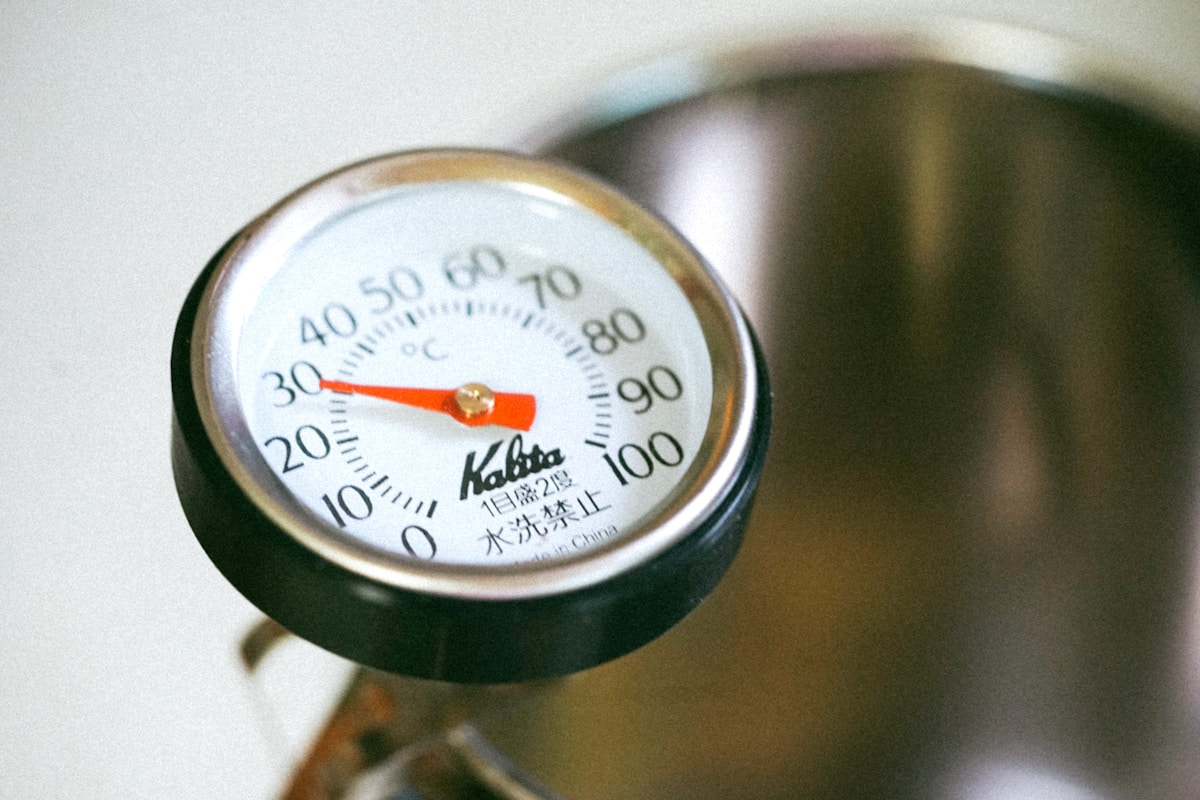
You did everything right. You followed the recipe for your grandmother’s famous chocolate chip cookies to the letter. You used good butter, you chilled the dough, you preheated the oven to exactly 350°F. You set the timer. But when the buzzer rings, you pull out a tray of disappointment. The edges are dark brown, almost burnt, while the centers look pale and gooey. You break one open, and sure enough, it’s raw dough inside.

Does Your Cake Pan Material Really Change How It Bakes?

Does Your Cake Pan Material Really Change How It Bakes?

Hey there, Lucas here from kitchen-fun.com. Let’s talk about a moment of pure baking frustration. You’ve followed a recipe to the letter. You measured your flour perfectly, brought your eggs to room temperature, and creamed your butter and sugar into a fluffy cloud. You divide the batter evenly between two cake pans, pop them into a preheated oven, and set the timer.

Why Does My Crockpot Beef Stew Get Dry and Tough?

Why Does My Crockpot Beef Stew Get Dry and Tough?

It’s one of the most frustrating kitchen moments, isn’t it? You followed the recipe. You lovingly chopped your vegetables, filled your slow cooker with dreams of a rich, fall-apart beef stew, and let it bubble away all day. The house smells incredible. But when you finally ladle it into a bowl, the meat is… tough. Dry. Chewy. It’s the exact opposite of what a slow cooker promised.

Why Is My Homemade Cake Gummy Instead of Fluffy?

Why Is My Homemade Cake Gummy Instead of Fluffy?

It’s one of the most frustrating moments in the kitchen. You followed the recipe. You measured carefully. You pull a beautiful, golden-brown cake from the oven, and it looks absolutely perfect. But then you take a bite, and your heart sinks. Instead of light, tender, and fluffy, the texture is… gummy. Or dense. Or even a little rubbery.

How Can I Master Concrete Ganache for Razor Sharp Edges?

How Can I Master Concrete Ganache for Razor Sharp Edges?

It’s a moment every aspiring cake decorator knows well. You’ve baked the perfect layers, whipped up a dreamy filling, and stacked it all with care. Now comes the finish. You apply your frosting, scraping and smoothing, hoping for that clean, professional look. But instead, you get slight bulges, a stubborn lean, and an edge that’s more rounded than sharp. It’s frustrating, and it feels like the one thing standing between you and a truly stunning cake.

Why Are My Apples Still Crunchy In My Apple Pie?

Why Are My Apples Still Crunchy In My Apple Pie?

There’s a specific kind of baking heartbreak that I know all too well. You’ve spent hours crafting the perfect, all-butter pie crust. It’s chilled, rolled, and crimped beautifully. The pie bakes to a glorious golden-brown, filling your kitchen with the scent of cinnamon and caramelized sugar. You let it cool (im)patiently, slice a generous wedge, and take that first anticipated bite.

Why Are My Lemon Bars Runny and How Can I Fix Them?

Why Are My Lemon Bars Runny and How Can I Fix Them?

There are few baking moments as promising as pulling a pan of golden-edged lemon bars from the oven. The shortbread crust is perfect, the top of the filling has a delicate, pale-yellow sheen. You let it cool, anticipating that perfect slice with a clean, sharp edge. But when you make that first cut, your heart sinks. The filling slumps, pooling into a glorious, but undeniably runny, lemon puddle.

Why does my sourdough starter overflow and how do I stop it?

Why does my sourdough starter overflow and how do I stop it?

You open the kitchen door and the scent hits you first: that distinct, tangy, slightly alcoholic aroma of very active fermentation. Your eyes land on the counter, and there it is. Your sourdough starter, a living, bubbling entity, has breached the confines of its jar, cascading down the side in a slow, sticky ooze. It’s a common sight for sourdough bakers, a moment that feels like both a failure of containment and, paradoxically, a sign of incredible success.

Is Your Oven Secretly Sabotaging Your Baking?

Is Your Oven Secretly Sabotaging Your Baking?

You followed the recipe to the letter. You measured the flour correctly, used room temperature butter, and didn’t overmix the batter. You set the oven to a perfect 350°F (177°C), slid in your beautiful cake pan, and set the timer. But when the buzzer went off, you pulled out a disaster: a cake with burnt edges, a sunken, soupy middle, and a deep sense of betrayal.

Why Did My Slow Cooker Meat Turn Out Tough and Dry

Why Did My Slow Cooker Meat Turn Out Tough and Dry

Hello, wonderful home cooks! Beatrice here, your friendly guide at kitchen-fun.com. Let’s talk about a kitchen moment I know many of you have had. You spend ten minutes in the morning getting a beautiful roast settled into its slow cooker bath. You come home hours later, your whole house smelling like a cozy hug, and you can’t wait to dig in. You pull the meat apart, anticipating that fall-apart, melt-in-your-mouth texture… but it’s tough. Stringy. Dry. How on earth can meat submerged in liquid for eight hours end up dry?

How Can I Stop Blueberries from Sinking in My Cake?

How Can I Stop Blueberries from Sinking in My Cake?

You’ve done everything right. The kitchen smells of warm sugar and zesty lemon. You pull a beautiful, golden-domed blueberry cake from the oven, admiring the plump, purple jewels peeking through the top. You let it cool, anticipation building, and then you make the first slice… only to find a dense, slightly soggy, purple layer at the very bottom. Every single berry has staged a mutiny, sinking straight to the base of the pan.

Do insulated cake pans really stop cakes from doming?

Do insulated cake pans really stop cakes from doming?

We’ve all been there. You followed the recipe to the letter. You preheated the oven, mixed your batter just right, and poured it into your trusty cake pan. After 30 minutes of delicious smells filling your kitchen, you pull it out and see… the dome. That mountain in the middle of your otherwise beautiful cake layer that you now have to saw off, wasting cake and creating a pile of crumbs before you can even think about frosting.

Why Is My Slow Cooker Pot Roast Dry and Stringy?

Why Is My Slow Cooker Pot Roast Dry and Stringy?

You’ve done everything right. You bought the perfect cut of meat, chopped your vegetables with care, and let your slow cooker work its low-and-slow magic all day long. The whole house smells like a cozy Sunday hug. You reach in with a fork, ready for that glorious, fall-apart-at-a-touch moment… and it happens! The meat shreds beautifully.

Why Does My Oven Burn Everything And How Can I Fix It?

Why Does My Oven Burn Everything And How Can I Fix It?

You followed the recipe with the precision of a surgeon. You measured the King Arthur flour, creamed the butter and sugar until it was light and fluffy, preheated the oven to exactly 350°F (177°C), and set the timer. Yet, halfway through, the bittersweet smell of burning sugar begins to creep from the oven door. It’s a scent every baker dreads. You pull out the tray to find the heartbreaking reality: the tops of your cookies are pale and doughy, but the bottoms are blackened discs of charcoal.

Why Is My Slow Cooker Stew Meat Always Dry and Tough?

Why Is My Slow Cooker Stew Meat Always Dry and Tough?

You’ve been smelling it all day. That rich, savory aroma of beef stew has been filling your kitchen, promising a cozy, delicious dinner. You grab a spoon, eagerly scoop up a piece of beef, and take a bite… only to find it’s dry. And tough. And a little bit stringy. How can this be? After eight hours in a slow cooker, shouldn’t it be falling apart?

Should I Use a Metal or Glass Pan for a Crispier Pie Crust

Should I Use a Metal or Glass Pan for a Crispier Pie Crust

You’ve done everything right. You followed the recipe from King Arthur Baking to the letter, chilled your butter, didn’t overwork the dough, and piled your apples high. Your pie looks magnificent coming out of the oven, a bubbling, golden-domed masterpiece. Then comes the moment of truth: you slice into it, and the first piece slumps onto the plate, revealing a pale, damp, and tragically limp bottom crust.

Why Are the Apples in My Pie Still Crunchy?

Why Are the Apples in My Pie Still Crunchy?

There are few kitchen moments more promising than pulling a golden-brown apple pie from the oven. The crust is flaky, the aroma of cinnamon and baked fruit fills the air, and you can practically hear the angels sing. You let it cool (mostly), slice into it, take that first eager bite, and… crunch. The apples are firm, dense, and stubbornly raw. It’s a common frustration that can make even the most beautiful pie feel like a failure.

How Can I Tell If My Cake Is Perfectly Baked Inside?

How Can I Tell If My Cake Is Perfectly Baked Inside?

We have all been there. The kitchen smells heavenly, a symphony of vanilla and caramelized sugar. You pull a beautiful golden-domed cake from the oven. It looks like a masterpiece. The edges are pulling away from the pan just so, the top is a perfect shade of amber. You let it cool, slice into it with anticipation, and then… disappointment. The center is a dense, gummy, slightly sad streak of undercooked batter. The beautiful structure collapses into a shadow of what it promised to be.

How Can I Fix a Sunken or Broken Cake Layer

How Can I Fix a Sunken or Broken Cake Layer

It’s one of those kitchen moments that can make your heart sink right along with your cake. You followed the recipe, you watched it rise beautifully in the oven, and then… tragedy. A dip, a crack, or a full-on crater has appeared in the center of your masterpiece. Before you even think about tossing it in the bin, take a deep breath. I promise you, this is not a disaster. It’s a rite of passage for every baker, and it is absolutely fixable.

Do Baking Strips Really Stop Cakes From Doming?

Do Baking Strips Really Stop Cakes From Doming?

Let’s be honest. You’ve been there. You followed the recipe for that glorious three-layer birthday cake to the letter. You measured your flour perfectly, brought your eggs to room temperature, and creamed the butter and sugar into a fluffy cloud. The batter was perfect. But when you pull the pans from the oven, your heart sinks a little. Instead of a set of flat, stackable canvases for your frosting masterpiece, you have three miniature volcanoes, each with a rounded dome and cracked, slightly darker edges.

Is Your Oven Secretly Lying About Its Temperature?

Is Your Oven Secretly Lying About Its Temperature?

You did everything right. You measured the flour meticulously, creamed the butter and sugar until it was fluffy and pale, and chilled the dough for exactly one hour. You arranged your perfect shortbread cookies on the baking sheet, slid them into the preheated oven, and set a timer. Yet, when the timer dinged, you were greeted not by golden-edged perfection, but by a tray of dark brown, borderline-burnt disappointments.

Why Is My Cake Not Browning In a Silicone Pan

You’ve done everything right. You measured your flour perfectly, creamed the butter and sugar until it was light and fluffy, and folded in the dry ingredients with a gentle hand. You slide the cake pan into a perfectly preheated oven. The timer goes off, the kitchen smells heavenly, and a toothpick comes out clean. But when you pull out the pan, your heart sinks a little. The cake is… pale. Anemic, even. It’s cooked through, but it’s missing that gorgeous, golden-brown crust that screams “I’m delicious.”

Why Does My Cheese Sauce Get Grainy and How Do I Fix It?

Why Does My Cheese Sauce Get Grainy and How Do I Fix It?

We’ve all been there. You’ve lovingly crafted a meal, maybe a beautiful stovetop mac and cheese or a decadent dip for nachos. You take that first hopeful bite, and… it’s gritty. Instead of a silky, velvety river of cheese, the texture is sandy and unpleasant. Your sauce has “broken,” leaving you with a greasy, clumpy mess.

How Do I Keep Caramel Topping Soft on a Chilled Cheesecake

How Do I Keep Caramel Topping Soft on a Chilled Cheesecake

That Heartbreaking Crackle

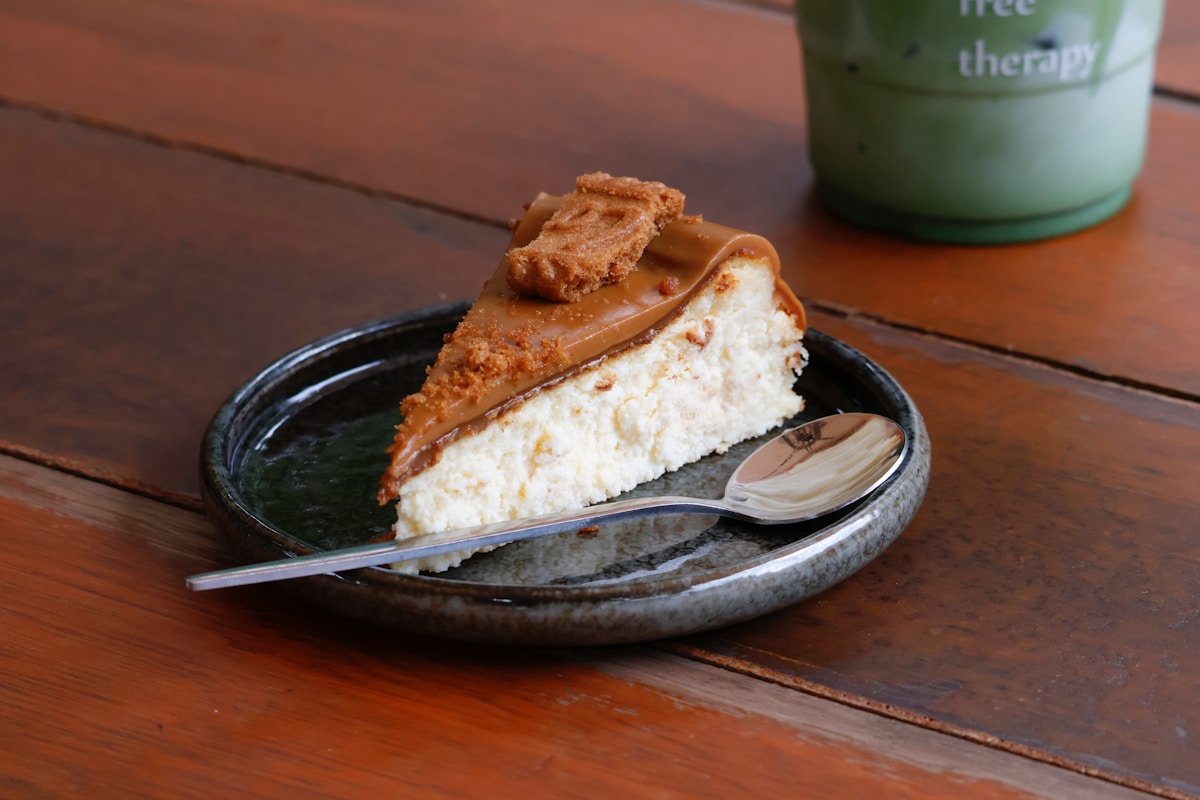
You’ve done it. You’ve created a masterpiece: a Millionaire’s Cheesecake. The buttery shortbread crust is perfect, the creamy cheesecake filling is set beautifully, and the top is a glistening, golden-brown sheet of homemade caramel. You pull it from the refrigerator, slice into it with anticipation, and then you hear it… crack. The caramel shatters like glass, and the fork struggles to push through a topping that has become tough, chewy, and stubbornly hard. The perfect dessert, marred by a single textural flaw.

Can You Bake a Perfectly Creamy Cheesecake Without a Water Bath

Can You Bake a Perfectly Creamy Cheesecake Without a Water Bath

There’s a moment every baker knows. It’s the quiet hour after you’ve pulled a magnificent cheesecake from the oven. It sits on the counter, golden and proud. You walk away, and when you return, a deep, jagged fissure has split its perfect surface. The dreaded crack. For years, the gospel solution has been the bain-marie, or water bath—a fussy, sloshy, and often leaky insurance policy against this very problem.

Why Is My Bread Dough So Sticky and What Am I Doing Wrong?

Why Is My Bread Dough So Sticky and What Am I Doing Wrong?

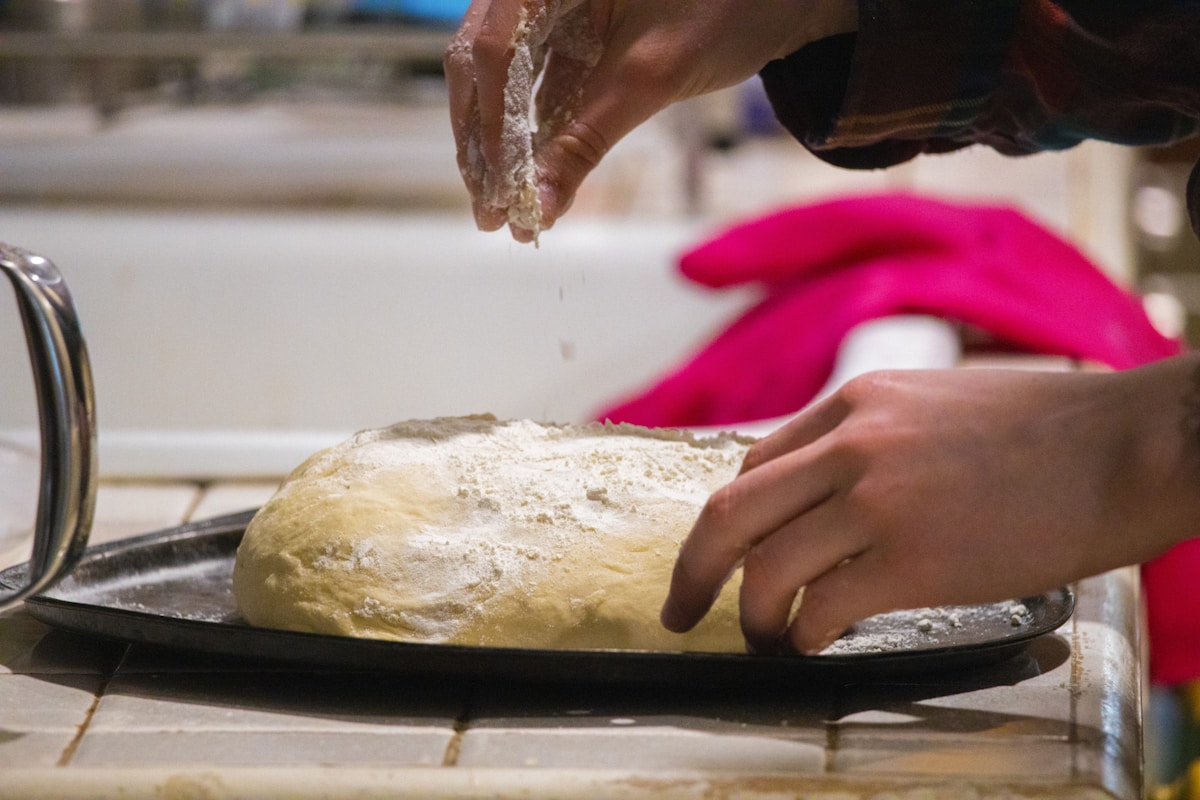
It’s a moment every new baker knows. You followed the recipe perfectly. You measured everything with care. And now you’re standing over a bowl of what can only be described as culinary glue. It’s sticking to your hands, the bowl, the counter, and your will to live. Your first instinct is probably to either dump another cup of flour in or scrape the whole mess into the trash.