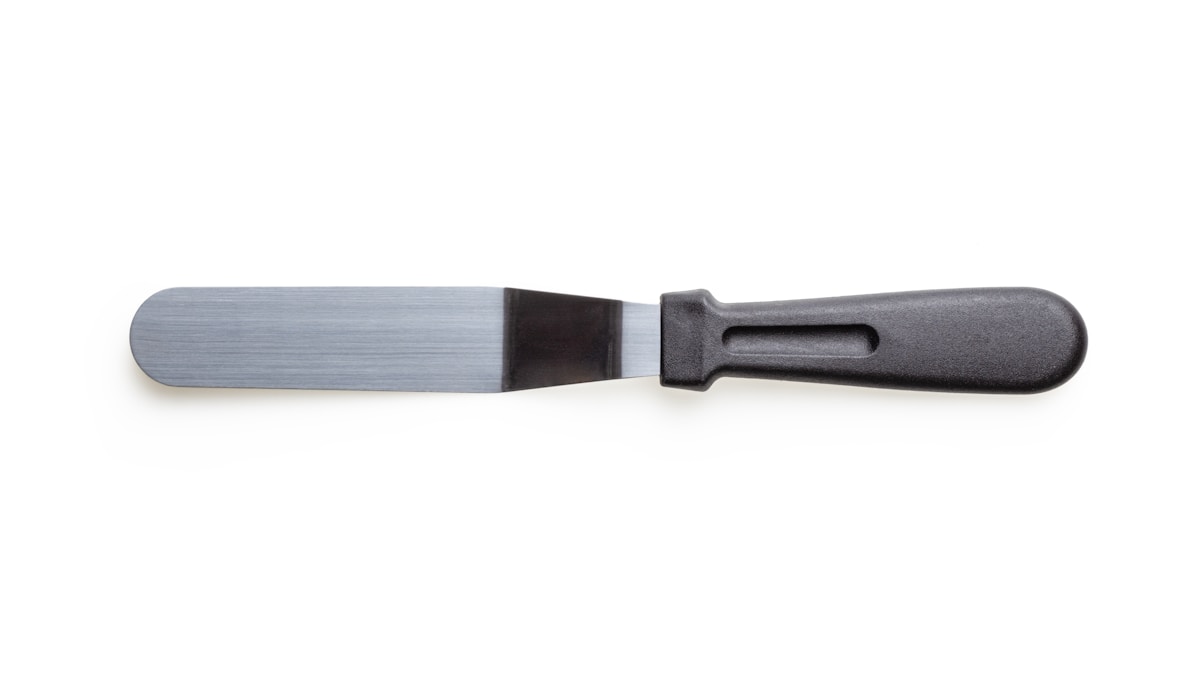
You’ve done it. You’ve baked the perfect cake layers—level, moist, and fragrant. Now for the crowning glory: a silky, professional-looking frosting. You chose Swiss Meringue Buttercream (SMBC), the darling of the pastry world. You followed the steps, but now you’re staring into your mixer at a bowl of either greasy, broken soup or something that resembles cottage cheese. It’s a moment of pure kitchen panic.
Take a deep breath. Your buttercream is not ruined, and you haven’t wasted all that butter. You’ve just encountered a classic chemistry problem. And here at kitchen-fun.com, we believe that baking is chemistry you can eat. Understanding what’s happening in that bowl is the key to fixing it—and preventing it from ever happening again.
What Exactly Is Swiss Meringue Buttercream?
Before we dive into troubleshooting, let’s appreciate what we’re aiming for. Unlike simple American buttercream, which is essentially powdered sugar and butter whipped together, SMBC is an elegant emulsion. It’s made by gently heating egg whites and granulated sugar over a double boiler, whipping that mixture into a stable, glossy meringue, and then incorporating softened butter.
The result? A frosting that is significantly less sweet, unbelievably smooth, and exceptionally stable. It holds its shape for piping intricate designs and creates a flawless, porcelain-like finish on cakes. It’s the industry standard for high-end wedding cakes for a reason: it’s delicious, beautiful, and reliable in a way other frostings are not. But its reliability hinges on one crucial scientific principle: emulsion.
The Science of a Perfect Emulsion
At its core, SMBC is an emulsion of fat (from the butter) and water (from the egg whites and butter). As you know, fat and water don’t naturally want to mix. The magic happens thanks to lecithin, an emulsifier present in the egg whites, which helps hold the fat and water molecules together. However, this delicate partnership is entirely dependent on temperature.
Think of butter. Too cold, and it’s a hard, solid block. Too warm, and it melts into a pool of liquid fat. The ideal state for emulsification is right in the middle: cool but pliable, what bakers call “room temperature,” which I define precisely as 68-72°F (20-22°C).
Here’s the critical takeaway: The temperature of your meringue MUST be close to the temperature of your butter when they are combined.
- If the meringue is too warm: When you add the cool butter, the butter will melt on contact. You’re no longer trying to whip solid fat into a foam; you’re trying to whip liquid fat in. The result is a greasy, soupy mess that will never thicken, no matter how long you whip it.
- If the meringue or butter is too cold: The butter won’t be soft enough to break down and incorporate smoothly. It will stay in tiny, hard lumps, and the water from the meringue will separate out. This gives you the classic “curdled” or “broken” appearance.
Almost every single SMBC failure can be traced back to one of these two temperature imbalances.
The Step-by-Step Method for Flawless SMBC
Let’s walk through the process methodically. Precision is your best friend here. I highly recommend a digital kitchen scale for ingredients and an instant-read thermometer. (Yes, really.)
This recipe makes enough to fill and frost a standard 3-layer, 8-inch cake.
Ingredients:
- 200g Large Egg Whites (from about 6-7 large eggs)
- 400g Granulated Sugar
- 680g (3 cups) High-Quality Unsalted Butter, cubed and at cool room temperature (68°F/20°C)
- 2 tsp Pure Vanilla Extract
- 1/4 tsp Salt
The Method:
-
Set Up the Double Boiler: Fill a saucepan with an inch or two of water and bring it to a gentle simmer. Place your egg whites and sugar in the clean, grease-free bowl of your stand mixer. Place the mixer bowl over the simmering water, ensuring the bottom of the bowl does not touch the water.
-
Heat and Dissolve: Whisk the egg white and sugar mixture constantly. You are not trying to cook the eggs, just to dissolve the sugar and pasteurize them. Clip on your thermometer. Your target is 160°F (71°C). Once it hits temperature, you can also test for readiness by rubbing a small amount between your fingers. It should feel perfectly smooth, with no sugar grit remaining.
-
Whip the Meringue: Immediately transfer the bowl to your stand mixer fitted with the whisk attachment. Start on medium speed and gradually increase to high. Whip until you have a stiff, glossy meringue. The key here is patience. The meringue is ready when the outside of the mixing bowl feels completely cool to the touch—no trace of warmth should remain. This can take a full 10-15 minutes. Do not rush this step!
-
Switch to the Paddle: This is a pro-tip that makes a huge difference. Switch from the whisk to the paddle attachment. The paddle will incorporate the butter without whipping in excess air, resulting in a silkier, less porous buttercream.
-
Add the Butter: With the mixer running on medium-low speed, begin adding your cubed, room-temperature butter one piece at a time. Wait for each piece to be mostly incorporated before adding the next.
-
Trust the Scary Stages: As you add the butter, the meringue will deflate. It will likely look soupy for a moment, and then it may break and look completely curdled. THIS IS NORMAL. Do not panic. It’s just the mixture going through its awkward teenage phase before it becomes a beautiful emulsion. Just keep mixing.
-
Whip to Perfection: Once all the butter is added, increase the speed to medium-high and let it whip. After a few minutes of what looks like a disaster, it will magically come together into a thick, smooth, and cohesive buttercream. Let it whip for another 3-5 minutes to ensure it’s perfectly smooth.
-
Flavor and Finish: Turn the mixer down to low, add your vanilla and salt, and mix until just combined. Your perfect SMBC is now ready.
The Ultimate Troubleshooting Guide
Even with a perfect method, things can go sideways. Here’s how to fix the two most common problems.
-
Problem: My buttercream is a runny, soupy mess.
- The Cause: It’s too warm. Either your meringue hadn’t cooled enough, your butter was too soft, or your kitchen is very hot.
- The Solution (The Fridge Trick): This is surprisingly easy. Place the entire mixing bowl—soupy contents and all—into the refrigerator for 15-20 minutes. You want to chill the mixture just enough for the butter to begin solidifying around the edges of the bowl. Put it back on the mixer with the paddle attachment and whip on medium-high. As the chilled butterfat incorporates with the warmer center, it will force the emulsion and thicken up beautifully. You might need to repeat the chilling process one more time if it’s still soft.
-
Problem: My buttercream looks curdled and lumpy, like cottage cheese.
- The Cause: It’s too cold. The butter is too firm to break down and emulsify with the meringue liquid.
- The Solution (The Warming Trick): You need to introduce a tiny bit of heat. My favorite method is to use a kitchen torch. With the mixer running on medium, gently wave the flame around the outside of the metal bowl. Do this for just a few seconds at a time. You’ll see the buttercream around the edges start to melt and smooth out. This slightly warmer mixture will then incorporate into the colder, curdled mass and bring the whole batch together. Alternatively, you can scoop about a cup of the curdled buttercream into a microwave-safe bowl, heat it for 10-15 seconds until it’s melted but not hot, and then drizzle it back into the bowl with the mixer running. The same principle applies.
Mastering Swiss Meringue Buttercream is a rite of passage for any serious baker. It requires precision and a little bit of faith in food science. Don’t be discouraged by a broken batch; it’s a fixable problem and an incredible learning opportunity. Once you understand the delicate dance of temperature and emulsion, you unlock the secret to bakery-quality cakes right in your own kitchen. (Your future self will thank you.)