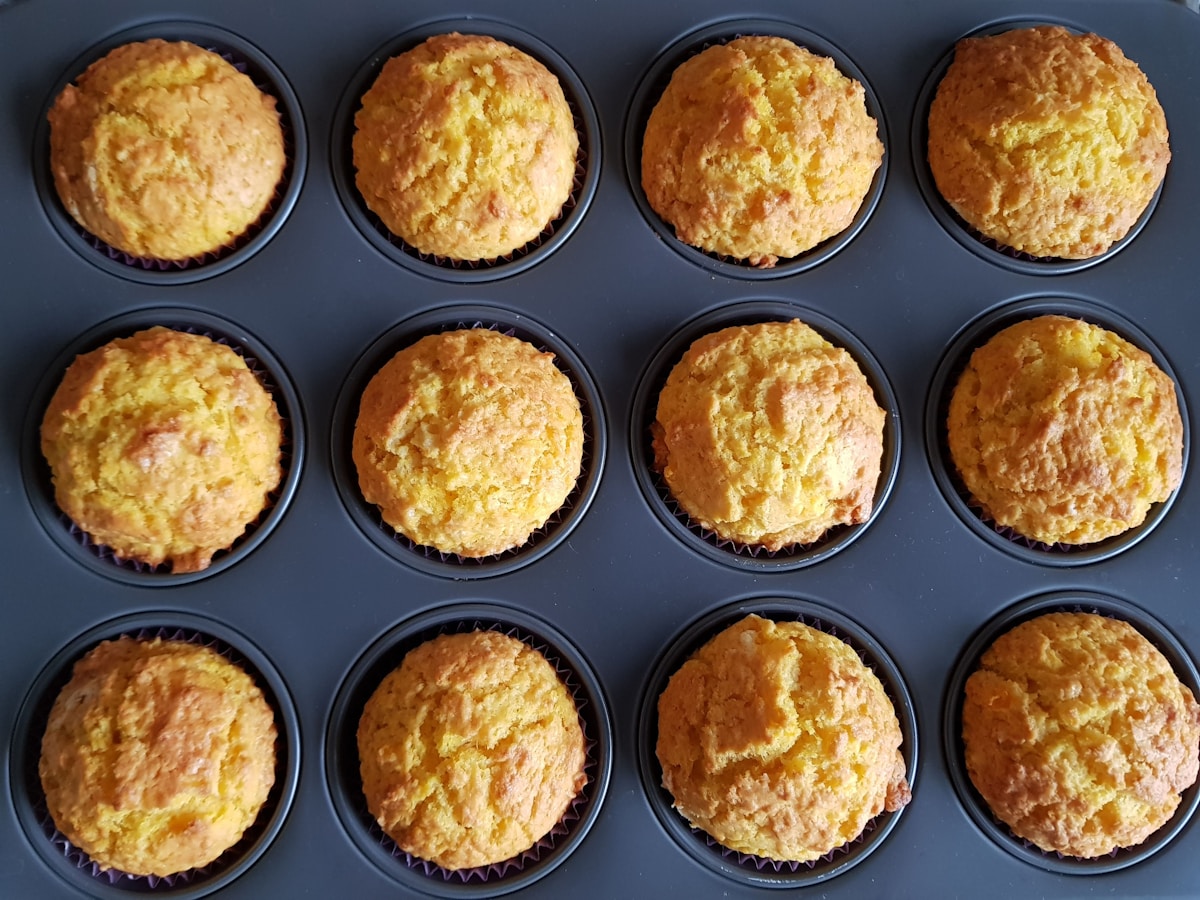
You did everything right. You measured your flour perfectly, brought your eggs to room temperature, and creamed the butter and sugar until it was light and fluffy. You slid the pan into your preheated oven with high hopes, only to pull out… a disappointment. The cake is pale, the edges are soft instead of crisp, and the texture is dense and a little gummy. Sound familiar?
Before you blame the recipe or your oven, let’s talk about the pan. For years, we’ve been told that flexible, non-stick silicone bakeware is the future of baking. It’s easy to store, a breeze to clean, and your cakes pop right out. But I’m here to tell you that for most baking projects, it’s the wrong tool for the job. The very properties that make silicone convenient are the ones sabotaging your beautiful bakes.
The Science of the Bake: Conductor vs. Insulator
To understand why your cake is failing, we need a quick lesson in high school physics. Ovens work by heating the air around your food, but it’s the pan that does the crucial work of transferring that heat directly into your batter. This is where the difference between metal and silicone becomes a deal-breaker.
Metal, particularly aluminum and steel, is a fantastic heat conductor. Think about searing a steak; you use a screaming hot metal pan because it efficiently dumps a massive amount of energy into the meat, creating that gorgeous, flavorful Maillard reaction crust. The same principle applies to your cake batter. A metal pan absorbs the oven’s heat quickly and transfers it directly to the sides and bottom of the batter. This rapid heat transfer does two critical things: it sets the outer structure of the cake early, giving it walls to climb, and it caramelizes the sugars, creating a golden-brown, delicious crust.
Silicone, on the other hand, is a heat insulator. It’s the same material used for oven mitts and trivets for a reason—it’s terrible at transferring heat. Instead of conducting the oven’s heat into your batter, a silicone pan shields it. The batter in a silicone pan isn’t really baking; it’s steaming. The heat has to slowly penetrate the insulating wall of silicone, resulting in a gentle, damp cooking environment. This is why the sides of your cake are pale and soft, and why the texture is often closer to a steamed pudding than a light, airy sponge.
The Great Pan Showdown: A Side-by-Side Test
Talk is cheap, so I took this to my test kitchen. I whipped up a single batch of a classic vanilla pound cake batter—nothing fancy, just butter, sugar, eggs, flour, and vanilla. I divided the batter evenly between two loaf pans of the exact same size:
- The Metal Contender: A standard light-colored aluminized steel loaf pan from USA Pan (around $18).
- The Silicone Contender: A popular, floppy red silicone loaf pan from a well-known brand (around $12).
I placed both into a 350°F (175°C) oven, side by side on the middle rack. The results were exactly what the science predicted.
After 55 minutes, the cake in the metal pan was a picture-perfect loaf. It had a gorgeous, high dome with a classic crack down the middle. The crust was an even, deep golden-brown all the way around, and the corners were delightfully crisp. When I sliced into it, the crumb was tender, light, and perfectly cooked. The kitchen smelled of caramelized sugar and butter.
The cake in the silicone pan was another story. It was visibly shorter and hadn’t risen nearly as much. The top was lightly browned, but the sides were pale yellow and felt slightly damp and greasy to the touch. When I sliced it, the crumb was noticeably denser and tighter, especially near the bottom. It wasn’t raw, but it lacked the airy structure of its metal-pan counterpart. The wonderful aroma of a baked crust was missing.
Structure Matters: Why a Floppy Pan Makes a Flat Cake
Beyond the heat transfer problem, there’s a structural issue. A cake needs support to rise to its full potential. As the leavening agents (like baking powder or soda) create gas bubbles, the batter expands upwards. A rigid metal pan provides a firm wall for the batter to cling to and climb.
Silicone pans are, by design, flexible. When a heavy batter expands, the flimsy silicone walls can bow outwards. This lack of a rigid structure can actually inhibit the cake’s final rise, causing it to be shorter and denser. You lose that oven spring that gives cakes their impressive height and light texture.
My Kitchen Hack: If you absolutely must use a silicone pan for baking (and I generally advise against it), always place it on a heavy-duty, flat metal baking sheet before you pour in the batter. This provides a stable base for carrying it to the oven and gives the bottom of the pan a fighting chance at getting some conductive heat. It won’t solve the pale-sides problem, but it will prevent a disastrous spill and offer a little more stability.
So When Is Silicone Actually the Right Choice?
Am I telling you to throw out all your silicone molds? Not at all. Silicone is a fantastic material when used for its strengths. Its flexibility and non-stick nature are brilliant for tasks where browning and crisp edges are not the goal. (And that’s the key.)
Here’s where silicone truly shines:
- Freezing & Molding: It’s my go-to for freezing single portions. I make big batches of chicken stock or pesto and freeze them in silicone muffin molds. They pop out easily into perfect pucks for storage. It’s also great for homemade chocolate bars, gummies, or detailed Jell-O molds.
- No-Bake Desserts: For no-bake cheesecakes, mousses, or panna cotta, the easy release from a silicone mold is a huge advantage. There’s no heat involved, so the insulation properties are irrelevant.
- Fat Bombs and Candies: Many keto-friendly “fat bombs” or homemade fudge recipes benefit from being able to pop the finished product right out of the mold without any fuss.
- Steamed Puddings: If you’re making a traditional British steamed pudding, silicone is a great choice because you want that moist, steamy environment.
Basically, if the recipe calls for chilling, freezing, or steaming, grab your silicone. If it calls for baking, reach for metal.
My Top Picks for Metal Bakeware That Won’t Break the Bank
Building a great bakeware collection is about buying smart, not spending a fortune. You don’t need a dozen pans. A few high-quality, reliable pieces will serve you for decades.
-
The Best All-Arounder: Light-colored, heavy-gauge aluminum or aluminized steel pans are the gold standard. My personal favorites are from USA Pan (typically $15-$25). Their pans are incredibly durable, conduct heat beautifully, and have a non-stick silicone coating (a baked-on layer, not a floppy pan) that is effective without inhibiting browning. Nordic Ware’s Naturals line is another exceptional choice for pure, uncoated aluminum.
-
The Budget Workhorse: Go to a local restaurant supply store. You can find simple, no-frills aluminum cake pans, loaf pans, and sheet pans for under $15. They aren’t as pretty as the consumer brands, but they are built to last and perform flawlessly. (This is what most professional bakeries use.)
-
A Note on Dark Pans: Be cautious with very dark or black metal pans. They absorb and conduct heat even more aggressively than light-colored pans, which can lead to the bottoms and sides of your cakes becoming too dark or even burnt before the center is cooked through. If you use one, I recommend reducing the oven temperature by 25°F (about 15°C) and checking for doneness a little earlier.
The Final Verdict: Use the Right Tool for the Job
That sad, pale cake wasn’t your fault. It was a tool problem. While silicone bakeware promises convenience, it fails at the fundamental job of baking: to transfer heat efficiently to create texture and flavor.
Save your silicone for the freezer and your metal for the oven. Investing in a few solid, light-colored metal pans is one of the single best things you can do to improve your baking overnight. Your future self, pulling a perfectly golden-brown cake from the oven, will thank you.