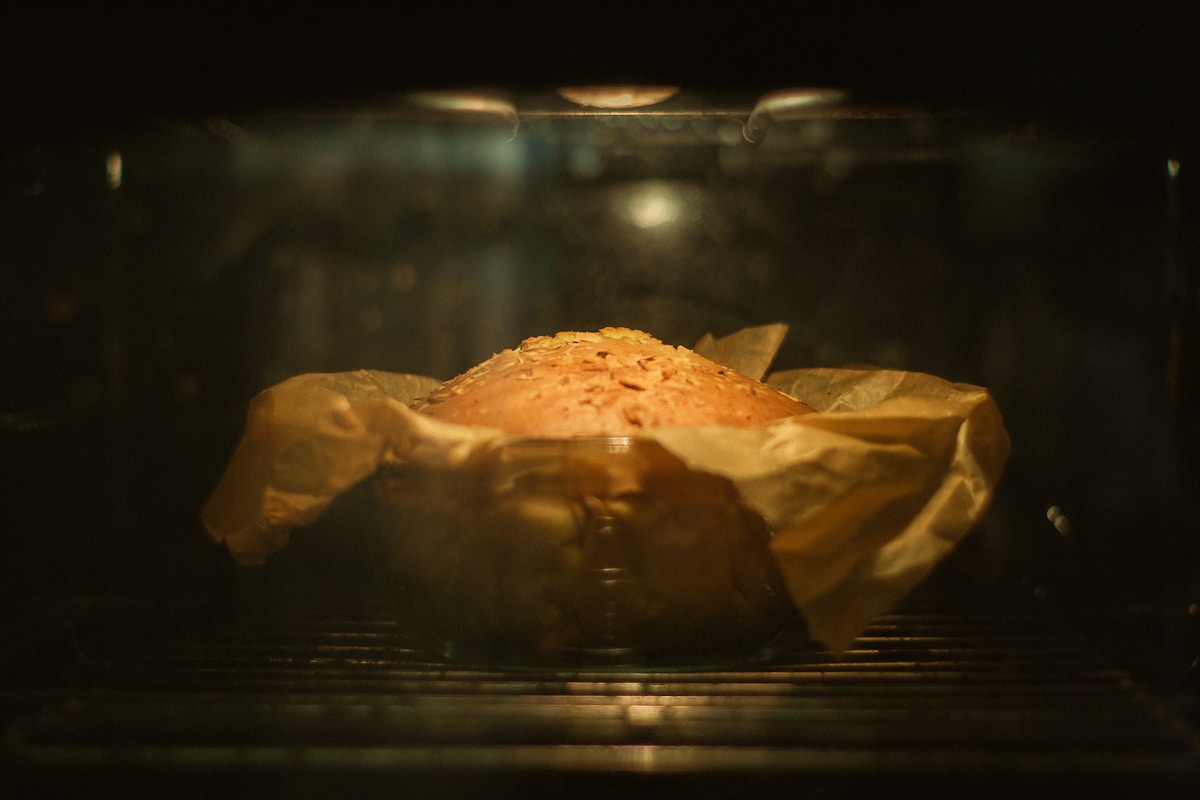
You’ve been there. You followed the recipe perfectly. You measured your flour, creamed the butter and sugar until fluffy, and preheated the oven to exactly 350°F (175°C). But when the timer dings, you pull out three cake layers that look like distant, estranged cousins. One is perfectly golden, one is pale and sad, and the third has a weirdly dense bottom.
What went wrong? Before you blame the recipe or your oven, look down at your pans. That flimsy, colorful silicone pan might be the culprit. Here at Kitchen Fun, we believe the right tool makes all the difference, and when it comes to classic cakes, the debate between metal and silicone has a clear winner.
Why Your Pan Material Is a Cake’s Best Friend (or Worst Enemy)
Cooking is just science you can eat, and nowhere is that more obvious than with bakeware. The entire goal is to transfer heat from the oven’s air into your batter efficiently and evenly. The material of your pan is the single biggest factor in how well this happens.
-
Metal Pans (Specifically Aluminum): Think of aluminum as a heat highway. It’s an excellent thermal conductor. When you put an aluminum pan in the oven, it heats up quickly and, more importantly, distributes that heat evenly across its entire surface. This rapid, even heating is what sets the crust, encourages a uniform rise, and gives you that beautiful, golden-brown finish on the bottom and sides of your cake. Heavy-gauge, light-colored aluminum is the undisputed king in professional bakeries for this very reason. It promotes browning without overbaking the edges.
-
Silicone Pans: Silicone, on the other hand, is a thermal insulator. It’s designed to resist heat. Think of an oven mitt—it’s made of silicone for a reason! This means it heats up slowly and transfers that heat to your batter very inefficiently. The edges of the batter, exposed to the hot air of the oven, will cook much faster than the batter touching the pan itself. This is a recipe for disaster (literally).
This core difference in heat transfer leads to a cascade of common baking problems with silicone: pale, soft sides that never get a proper crust, a longer overall baking time, and often a dense, gummy layer at the bottom where moisture gets trapped and the batter fails to cook properly.
The Side-by-Side Bake-Off: Seeing is Believing
Talk is cheap. Let’s put this to a real-world test. I baked a classic vanilla buttermilk cake in three different 9-inch round pans, all in the same oven at the same time.
The Recipe: A standard butter cake, baked at 350°F (175°C).
-
The Pro Standard: Nordic Ware Naturals Aluminum Pan (~$18)
- Result: This was the control and the clear winner. The cake was done in 32 minutes flat. It rose evenly, with straight, sturdy sides and a gorgeous, uniform golden-brown crust all around. The crumb was light and tender from top to bottom. It released from the pan like a dream.
-
The Dark Horse: A Dark Nonstick Metal Pan (~$12)
- Result: Dark pans absorb more heat, so they cook faster. This one was done in about 28 minutes. The results were very good, but the edges and bottom were noticeably darker and crispier than the aluminum pan’s cake. If you use dark pans, I recommend dropping your oven temperature by 25°F to compensate. A great budget option, but requires a little more attention.
-
The Contender: A Standard Silicone Pan (~$15)
- Result: Just as the science predicted. At 32 minutes, the center was still wet. It needed another 10 minutes, for a total of 42 minutes. When it finally came out, the top was nicely browned, but the sides were pale yellow and soft. After cooling, the cake slumped slightly because the sides lacked structure. The bottom had a slightly dense texture compared to the other two. It wasn’t a terrible cake, but it wasn’t a great one, either.
So Is Silicone Bakeware Completely Useless?
Not at all! You just have to use it for the right job. Silicone’s flexibility and non-stick nature are its superpowers. It’s just that those superpowers aren’t very helpful for traditional cakes.
Where Silicone Shines:
- Intricate Molds: For detailed Bundt-style cakes or novelty shapes (castles, characters, you name it), being able to peel the pan away from the cake is a massive advantage.
- Frozen Desserts: It’s perfect for no-bake cheesecakes, ice cream cakes, or layered gelatin desserts where easy release is paramount.
- Fat Bombs or Mini Egg Bites: Small, high-fat items pop out effortlessly.
- Muffins and Cupcakes: Silicone muffin liners are fantastic. They work well because they sit inside a metal muffin tin, so you get the benefit of the metal’s heat conduction with the easy-release of silicone.
Kitchen Hack: If you only have silicone pans and need to bake a cake, always, always place the silicone pan on a metal baking sheet before putting it in the oven. The metal sheet will help conduct heat to the bottom of the pan, improving the bake and preventing a soggy bottom. (It also saves you from the terrifying wobble of carrying a full, floppy pan of hot batter.)
My Final Verdict and Top Picks
For 95% of your cake, brownie, and bar-baking needs, a metal pan will give you a dramatically better result. Don’t let the fun colors and easy storage of silicone fool you into a lifetime of subpar baking.
-
Best All-Arounder (The Workhorse): A light-colored, heavy-gauge aluminum pan. My go-to is the Nordic Ware Naturals 9-Inch Round Cake Pan. At under $20, it’s an affordable, professional-grade tool that will outlive you. It doesn’t warp and produces consistently perfect results.
-
Best Budget Option: The Wilton Performance Pans Aluminum Round Cake Pan is another excellent choice, often available for closer to $10. It’s a bit lighter than the Nordic Ware but still a fantastic conductor and a huge step up from silicone.
Investing in a couple of good metal cake pans is one of the cheapest and most effective ways to improve your baking overnight. Save the silicone for the fun, funky shapes and the freezer. For that classic birthday cake? Stick with the metal. (Your future self, and everyone eating your cake, will thank you.)