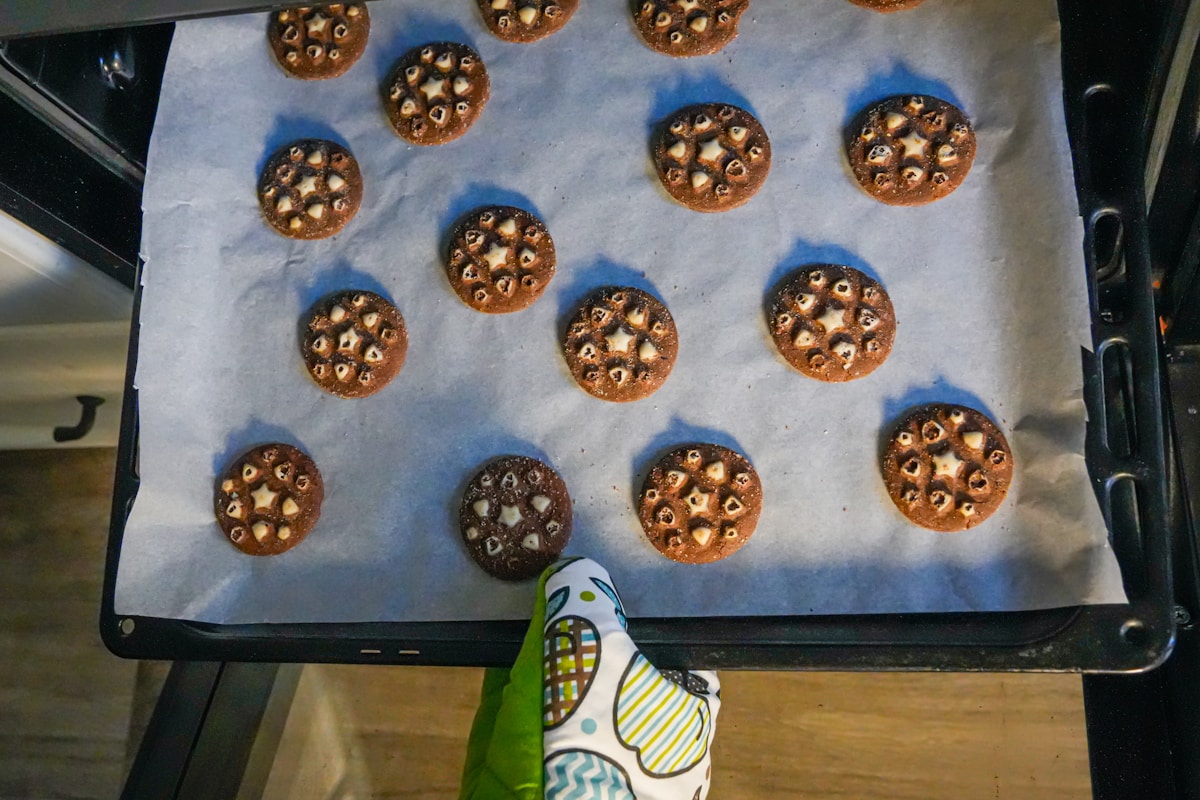
Every baker is on a quest. It’s the quiet, lifelong pursuit of the perfect chocolate chip cookie. We chase different ideals: some want crispy edges and a chewy center, others seek cakey softness, and some of us are after that deep, brown-butter, toffee-like flavor that haunts our dreams. I’ve spent countless hours tweaking ratios, testing chill times, and comparing brands of chocolate. But recently, I stumbled upon a technique so counterintuitive, so wonderfully bizarre, that my inner food scientist couldn’t resist. The secret ingredient? MSG.
Yes, monosodium glutamate. The stuff you associate with savory soups and stir-fries. The internet forums are buzzing with home bakers swearing that a tiny pinch of this crystalline powder transforms a great cookie into an unforgettable one. It sounds like madness, but baking is chemistry you can eat, and I had to know the science behind the story.
What Exactly Is This ‘Secret Ingredient’?
Before we can even think about adding it to our precious cookie dough, let’s clear the air about MSG. For decades, it was a culinary pariah, unfairly blamed for a collection of symptoms that science has since thoroughly debunked. At its core, monosodium glutamate is simply the sodium salt of glutamic acid, an amino acid found naturally in countless foods we love.
Think of aged Parmesan cheese, ripe tomatoes, savory mushrooms, or rich soy sauce. That deeply satisfying, savory flavor they all share? That’s umami, the fifth basic taste alongside sweet, sour, salty, and bitter. Glutamate is the primary driver of umami. Adding pure MSG to a dish is essentially adding a concentrated, pure shot of umami flavor, much like adding sugar for sweetness or salt for saltiness. It’s not an artificial chemical conjured in a lab; it’s a tool for isolating and amplifying a flavor that already exists everywhere in nature.
So, when we talk about adding MSG to a cookie, we aren’t adding a ‘meaty’ or ‘savory’ flavor in the way you might think. We’re adding a flavor enhancer that works on a fundamental chemical level to make the other ingredients taste more like themselves.
The Science of Sweet and Savory in a Cookie
This is where the magic, and the chemistry, really happens. We already know that salt is a baker’s best friend. A pinch of salt doesn’t make a cookie taste salty; it sharpens and brightens the sweetness, preventing it from tasting flat and one-dimensional. MSG functions in a similar, yet distinct, way.
Our tongues are covered in taste receptors, each designed to detect specific flavor compounds. When glutamate binds to its designated umami receptors, it does more than just register ‘savory.’ It triggers a reaction that enhances our perception of other concurrent flavors. It creates a sense of fullness, richness, and complexity that food scientists call ‘mouthfeel’ or ‘palatability.’
In a chocolate chip cookie, this has several incredible effects:
- It Amplifies the Fat: The glutamate highlights the rich, creamy notes of the butter. The buttery flavor becomes rounder and more pronounced, tasting more luxurious.
- It Deepens the Caramel Notes: The Maillard reaction and caramelization of sugars during baking create hundreds of complex flavor compounds. MSG acts like a spotlight, making those toasted, toffee-like notes from the brown sugar more prominent.
- It Balances the Sweetness: By providing a subtle, savory baseline, umami prevents the sugar from being cloying or overly sharp. It introduces a foundation that makes the sweetness more interesting and satisfying.
The result isn’t a cookie that tastes like soup. It’s a cookie that tastes more intensely of butter, brown sugar, and vanilla. It’s the flavor you were already trying to achieve, just turned up to eleven. (Your guests will never guess the secret.)
The Experiment A Precise Recipe for MSG Cookies
Theory is wonderful, but proof is in the pudding—or in this case, the cookie. The key to success is precision. Too little, and you won’t notice an effect. Too much, and you’ll get a strange, brothy aftertaste. (Trust me, I tested the limits for you.)
This recipe is a classic brown-butter chocolate chip cookie, which provides the perfect canvas for MSG to shine. The nutty notes from the browned butter are a natural pairing for umami.
Ingredients:
- 1 cup (227g) unsalted butter
- 1 cup (220g) packed dark brown sugar
- 1/2 cup (100g) granulated sugar
- 2 large eggs, room temperature
- 2 teaspoons pure vanilla extract
- 1/4 teaspoon monosodium glutamate (MSG) - use a brand like Ajinomoto
- 2 1/2 cups (300g) all-purpose flour (I prefer King Arthur for its consistency)
- 1 teaspoon baking soda
- 3/4 teaspoon kosher salt
- 1 1/2 cups (255g) semi-sweet chocolate chips or chunks
- Flaky sea salt, for sprinkling (optional)
Instructions:
- Brown the Butter: In a light-colored saucepan, melt the butter over medium heat. Continue cooking, swirling the pan occasionally, until the milk solids at the bottom turn a deep amber brown and it smells nutty, about 5-8 minutes. Immediately pour it into a large, heatproof bowl to stop the cooking process. Let it cool for about 10 minutes.
- Mix Wet Ingredients: To the cooled brown butter, add both sugars and whisk vigorously for a minute until combined. Whisk in the eggs one at a time. Now for the secret step: mix the vanilla extract and the 1/4 teaspoon of MSG together in a small bowl to dissolve it, then add this mixture to the butter and sugar. This ensures the MSG is evenly distributed throughout the dough.
- Combine Dry Ingredients: In a separate bowl, whisk together the flour, baking soda, and kosher salt.
- Form the Dough: Gradually add the dry ingredients to the wet ingredients, mixing on low speed (if using a stand mixer) or with a spatula until just combined. Do not overmix. Fold in the chocolate chips.
- The Critical Chill: Cover the bowl and refrigerate the dough for at least 4 hours, but preferably overnight. This is non-negotiable. Chilling allows the flour to fully hydrate and the flavors to deepen immensely.
- Bake: Preheat your oven to 375°F (190°C). Line baking sheets with parchment paper. Scoop dough into balls (about 2 tablespoons each). Place them a few inches apart on the baking sheets. Sprinkle with flaky sea salt if desired.
- Watch Closely: Bake for 10-12 minutes, or until the edges are golden brown and the centers are still slightly soft. They will look a little underdone when you pull them out, which is perfect.
- Cool: Let the cookies cool on the baking sheet for 5 minutes before transferring them to a wire rack to cool completely.
The Verdict What Do They Actually Taste Like?
This is the million-dollar question. I baked two batches side-by-side: one with MSG and one without. The difference was not subtle.
The standard cookie was delicious, no question. But the MSG cookie was on another level. The first thing I noticed was the aroma—it was richer, with more pronounced caramel notes. The taste itself was fascinating. It wasn’t salty or savory. Instead, it had a profound depth. The buttery flavor was rounder and lingered longer. The chocolate seemed darker and more complex. The sweetness was still there, but it felt more integrated, part of a larger, more satisfying whole.
My test subjects (my very lucky neighbors) couldn’t identify the secret ingredient. Their comments were telling: “These taste like a professional bakery made them,” “I can’t stop eating these, what did you do?” and “It tastes more… cookie-ish.” That last one is my favorite, because it’s exactly right. MSG makes a cookie taste more intensely like the best version of itself.
Troubleshooting and Final Thoughts
Getting this right is all about balance. The most common pitfall is using too much MSG. If your cookies have a weird, metallic, or bouillon-cube aftertaste, you’ve gone too far. For a standard recipe yielding 2-3 dozen cookies, stick to a range of 1/4 to 1/2 teaspoon. I recommend starting with 1/4 teaspoon, as it’s enough to create a noticeable effect without any risk.
My favorite kitchen hack for this is the one in the recipe: always dissolve the MSG in a liquid (like the vanilla extract) before adding it. This prevents getting little ‘hotspots’ of umami in your final product.
While I wouldn’t add it to a delicate lemon shortbread or a light angel food cake, MSG is a phenomenal tool for any baked good that relies on rich, deep flavors. Think brownies, caramel sauces, butterscotch blondies, or even the crust for a chocolate cream pie. It’s a testament to the fact that the most exciting frontiers in baking often come from challenging our assumptions and embracing the delicious science of flavor.