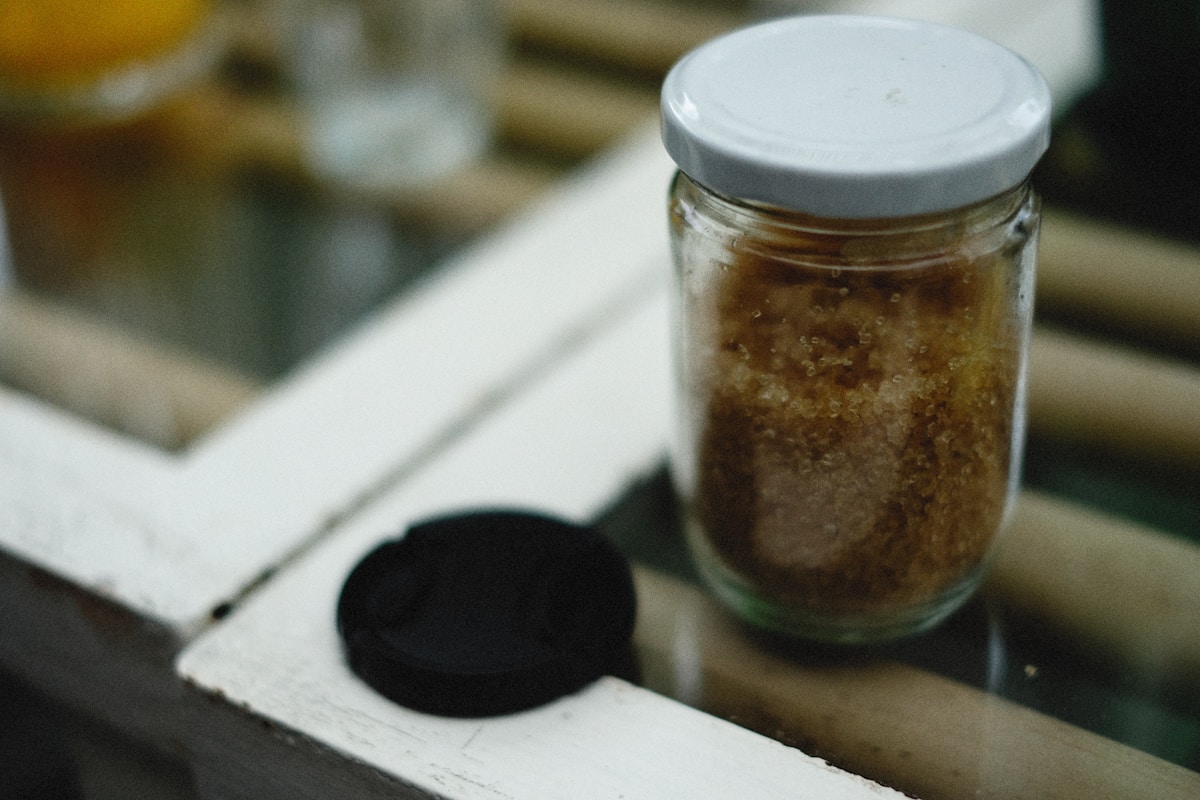
You reach for the brown sugar, dreaming of warm, chewy chocolate chip cookies with those delightful pockets of caramelization. You open the container, proud that you remembered to use that cute little terracotta bear to keep it soft. But instead of fluffy, scoopable sweetness, you find something strange: a weird, white, crystalline halo forming around the bear, while the rest of the sugar is maybe a little… damp.
What’s going on? Did the bear go bad? Is the sugar spoiled? It’s a frustrating moment that feels like a betrayal by a tool that was supposed to make your life easier. As a baker who relies on the precision of ingredients, I’ve been there. The good news is that your sugar is perfectly fine, and so is your bear. You’ve just witnessed a fascinating little chemistry experiment unfold in your pantry. Let’s break down the science of what’s happening and how to get that perfect, soft texture every single time.
The Delicious Science of Brown Sugar’s Softness
Before we can diagnose the problem, we need to understand what brown sugar actually is. It’s not some mystical, separate entity from white sugar. In fact, it’s almost identical. Brown sugar is simply sucrose crystals—the same stuff you find in your regular granulated sugar bowl—that are coated in a thin, flavorful film of molasses.
That molasses coating is the key to everything. It’s what gives brown sugar its signature color, its rich, caramel-like flavor, and, most importantly, its moist, clumpy texture. Molasses is hygroscopic, a scientific term meaning it loves to attract and hold onto water molecules from the surrounding air. This moisture keeps the sugar crystals lubricated, allowing them to slide past each other easily. When brown sugar “hardens,” it’s not because it has spoiled; it’s because the molasses has dehydrated. The water has evaporated, and those once-lubricated sugar crystals have now locked together into a solid, impenetrable brick.
Your goal, therefore, is not to add a ton of water to your sugar, but to maintain a stable, humid micro-environment inside your storage container. This is where the terracotta bear is supposed to come in.
How Your Terracotta Humidifier is Supposed to Work
Think of your terracotta sugar saver (like the popular Brown Sugar Bear by JBK) as a tiny, slow-release humidifier. Terracotta clay is incredibly porous. On a microscopic level, it’s a network of tiny tunnels and pockets. When you soak it in water, these pores fill up. The process is simple:
- Soak: Submerge the terracotta disc or bear in clean water for about 15 to 20 minutes.
- Saturate: The clay will absorb the water, holding it within its porous structure.
- Release: Once you place this soaked disc inside an airtight container with your brown sugar, it begins to slowly and gently release that stored water as vapor. This raises the relative humidity inside the container to an ideal level, preventing the molasses from drying out.
When this process works perfectly, your brown sugar remains perpetually soft and ready to be measured. But as you’ve discovered, sometimes the system goes awry, leading to those mysterious white crystals.
Decoding the White Crystal Problem
So, if the bear is releasing moisture to keep the sugar soft, why is it turning parts of it into hard, white crystals? It seems counterintuitive. The culprit is not just moisture, but too much moisture, concentrated in one spot. It’s a classic case of localized oversaturation.
Here’s the chemical play-by-play:
- The Overly Wet Bear: This typically happens when you don’t pat the bear dry after soaking. Droplets of liquid water remain on its surface, instead of just the absorbed moisture within the clay.
- Direct Contact: You place this overly wet bear directly into the sugar. The sugar it touches is now exposed to far more water than it can handle.
- Dissolving Action: This excess liquid water starts to dissolve the sugar around it. First, it washes the molasses coating off the sucrose crystals, and then it begins to dissolve the sucrose itself, creating a highly concentrated sugar syrup right around the bear.
- Recrystallization: The container is a closed system, but not a perfect one. As the environment inside tries to rebalance and a tiny bit of evaporation occurs, the dissolved sugar has to come out of the solution. It recrystallizes. However, it doesn’t reform into its original, tiny, molasses-coated state. Instead, it forms larger, coarser crystals. These larger crystals appear white because they lack that rich molasses coating and their structure reflects light differently.
So, that white crust isn’t mold or spoilage. It’s simply pure sucrose that has been dissolved and then reformed into a new crystalline structure. You’ve essentially created rock candy in your brown sugar bag.
The Perfect Protocol for Your Sugar Saver
To prevent this from ever happening again, you just need to refine your technique slightly. Follow these steps for perfectly soft brown sugar, free of any unwanted science experiments.
- Soak Correctly: Submerge your clean terracotta bear in water for 20 minutes. Don’t rush this step; you want it to be fully saturated.
- The Crucial Step—Pat It Dry: This is the one most people miss. After soaking, take the bear out and pat it thoroughly dry with a paper towel or a clean cloth. You want the surface to feel dry to the touch. Remember, the water inside the clay is what you want; liquid water on the surface is the enemy.
- Bury It: Nestle the dry-to-the-touch bear into the middle of your brown sugar. Don’t just leave it sitting on top. Burying it helps ensure the moisture it releases is distributed more evenly throughout the container.
- Airtight is Non-Negotiable: This system only works in a truly airtight container. A rolled-up bag with a clip won’t cut it. You need to trap the humidity. I highly recommend containers with a silicone seal, like an OXO Good Grips POP Container or even a simple glass Mason jar with a tight-fitting lid. This creates the closed system necessary for the bear to regulate the humidity effectively.
Check on the sugar every few weeks. The bear will eventually dry out. When you notice the sugar starting to feel a bit firmer, simply repeat the process to rehydrate the bear.
Troubleshooting and Sugar Rescue Missions
What if it’s too late? Here’s how to fix the two most common brown sugar problems.
Problem: My sugar is already a rock-hard brick.
Solution: This is exactly what the terracotta bear was made for! Soak it, pat it dry, and place it in the airtight container with your sugar brick. Depending on how hard the sugar is, it might take anywhere from 8 hours to two days to fully soften. Be patient. The gentle humidity will work its magic and break down those crystalline bonds. (In a pinch, a slice of apple or a piece of bread will also work, but they can mold, so only use them for a day or so.)
Problem: I already have the white crystals around my bear.
Solution: Don’t panic! It’s an easy fix.
- Remove the terracotta bear immediately. Let it dry out completely on your counter before storing it.
- Take a fork and fluff the sugar, breaking up the wet, crystalline clumps as much as possible.
- Leave the lid of your container slightly ajar or off completely for a few hours. This will allow the excess surface moisture to evaporate and the sugar to dry out a bit.
- Once the sugar feels evenly textured again, you can re-introduce a properly prepared (soaked and patted dry) terracotta bear to maintain that perfect softness.
Ultimately, mastering your brown sugar is a perfect example of how understanding a little bit of kitchen chemistry can make you a better, more confident baker. It’s not about magic; it’s about controlling variables. In this case, the variable is humidity. Your terracotta bear isn’t just a cute accessory—it’s a tool for creating a stable, happy environment for your ingredients. And now you know exactly how to use it. It’s chemistry you can eat, and it’s the key to unlocking perfectly soft, scoopable sweetness every single time.