


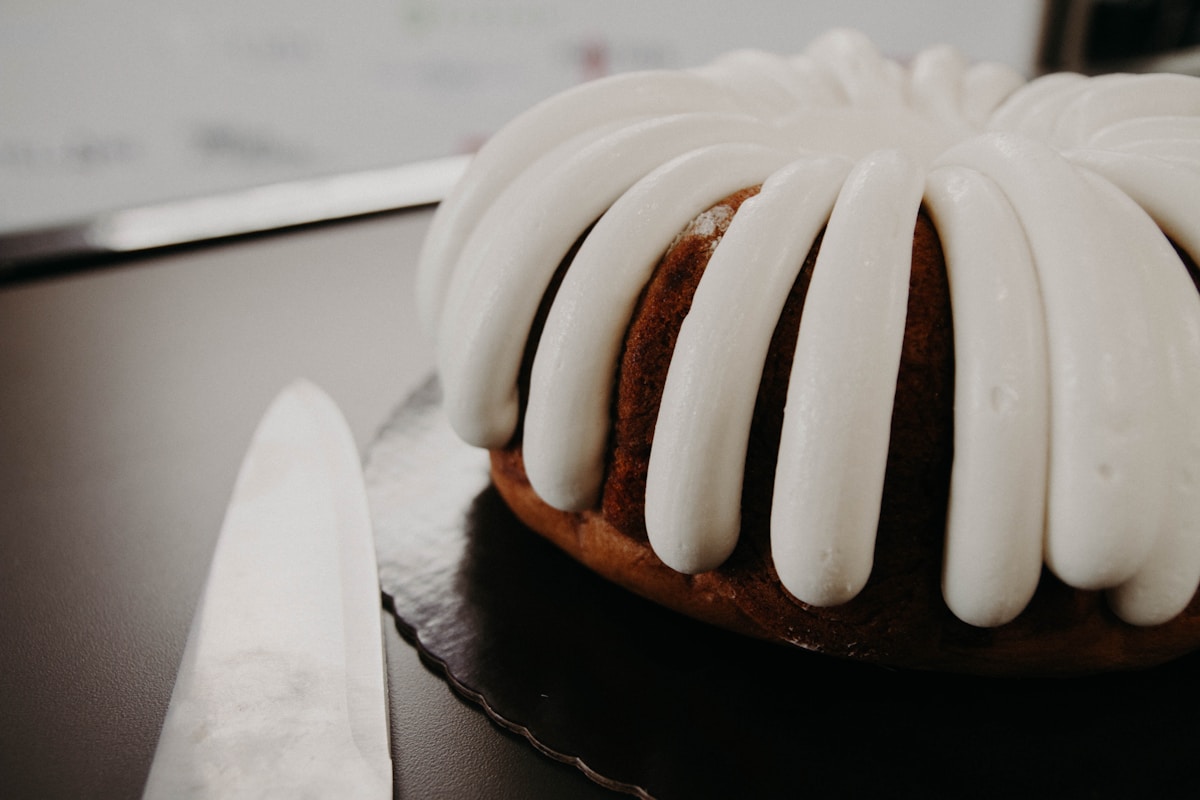
Have you ever spent hours baking the perfect cake—moist, flavorful, with a tender crumb—only to feel a little let down by the frosting? So often, the classic American buttercream, a simple mix of butter and powdered sugar, can feel overwhelmingly sweet or have a slightly gritty texture. It’s a common frustration in the kitchen, and it often leads us to scrape most of it off the slice.
But what if I told you there’s a classic, time-tested alternative that delivers a divinely silky, light-as-air texture without the sugar overload? It’s time we talk about a vintage recipe that’s making a serious comeback. For bakers who value texture and balanced flavor, this isn’t just another frosting; it’s a revelation.
Meet Ermine Frosting The Silky Old-Fashioned Solution
Ermine frosting goes by many names: heritage frosting, cooked-flour frosting, or boiled milk frosting. The name ’ermine’ is said to come from its texture and pure white color, which resemble the luxurious fur. Before cream cheese frosting became the standard, this was the traditional, beloved topping for Red Velvet Cake.
Unlike its powdered-sugar-based cousin, ermine frosting gets its structure and stability from a surprising place: a cooked flour-and-milk pudding. You essentially create a thick, unsweetened béchamel sauce, let it cool completely, and then whip it into softened butter. The result is astonishing. It’s stable enough to pipe, incredibly smooth, and tastes like a cross between whipped cream and a delicate buttercream. It’s the frosting for people who claim they don’t like frosting.
The Science of Smooth How Cooked Flour Creates Magic
This is where baking becomes chemistry you can eat, which is what I love most about it. The magic of ermine frosting lies in two key scientific principles: starch gelatinization and emulsification.
First, let’s look at the base. When you cook flour and milk together, you’re performing starch gelatinization. The starch granules in the flour absorb the liquid and swell up as they heat. Around 140-158°F (60-70°C), these granules burst and release long starch molecules, which then tangle together to form a network that traps the liquid. This process turns a watery slurry into a thick, stable gel or pudding. This gel, not a mountain of sugar, is what provides the body and structure for the finished frosting.
Next comes emulsification. An emulsion is a mixture of two liquids that don’t normally mix, like fat and water. In this case, our fat is butter and our ‘water’ is the cooled flour-milk paste. By whipping the cooled paste into the creamed butter one spoonful at a time, you are breaking the fat into microscopic droplets and suspending them evenly throughout the paste. The gelatinized starch acts as a powerful stabilizer, preventing the fat and water from separating. This creates an exceptionally stable and smooth mixture with a luxurious mouthfeel.
Compare this to American buttercream, which is a simple suspension of solid sugar crystals in fat. The sugar never truly dissolves, which is the source of potential grittiness. Ermine frosting uses granulated sugar that dissolves completely during the cooking process, guaranteeing a perfectly smooth result every time.
A Step-by-Step Guide to Perfect Ermine Frosting
This recipe yields enough frosting to generously fill and frost a two-layer 8-inch or 9-inch cake. Pay close attention to the temperatures—they are the key to success.
Ingredients:
- 1 ½ cups (340g) whole milk
- 5 tablespoons (40g) all-purpose flour (I recommend King Arthur Unbleached All-Purpose)
- 1 cup (200g) granulated sugar
- ¼ teaspoon fine sea salt
- 1 cup (227g) unsalted butter, softened to about 68°F (20°C)
- 1 ½ teaspoons pure vanilla extract
Instructions:
-
Make the Flour Paste: In a medium, heavy-bottomed saucepan, whisk together the flour, sugar, and salt. Do this off the heat to break up any lumps in the flour. Slowly stream in the milk while whisking constantly to create a smooth, lump-free slurry.
-
Cook the Paste: Place the saucepan over medium heat. Cook, whisking constantly and scraping the bottom and corners of the pan, until the mixture thickens significantly. It should look like a thick pudding or gravy. This will take about 5-8 minutes. Once it begins to bubble gently, continue cooking for one more minute to ensure the raw flour taste is gone. (This is a non-negotiable step!)
-
Cool Completely: Immediately transfer the hot paste to a shallow bowl or baking dish to help it cool faster. Now for our kitchen hack: press a piece of plastic wrap directly onto the entire surface of the paste. This prevents a skin from forming. Let it cool on the counter until it is fully at room temperature, about 68-70°F (20-21°C). Do not rush this step; it can take 1-2 hours.
-
Whip the Butter: While the paste cools, place your truly softened butter in the bowl of a stand mixer fitted with the paddle attachment (a KitchenAid works beautifully here). Beat on medium-high speed for 3-5 minutes until the butter is very light, pale, and creamy. Scrape down the sides and bottom of the bowl.
-
Combine and Emulsify: With the mixer on medium speed, add the completely cooled flour paste to the whipped butter one tablespoon at a time. Wait until each addition is fully incorporated before adding the next. The mixture might look a little strange at first, but have faith in the process.
-
The Final Whip: Once all the paste is added, scrape the bowl down again. Add the vanilla extract. Increase the mixer speed to medium-high and whip for another 3-5 minutes. The frosting will transform, becoming visibly lighter, fluffier, and increasing in volume. It should look like a silky, thick whipped cream.
Troubleshooting Common Ermine Frosting Fails
Even with a precise method, things can sometimes go sideways. Here’s how to fix the most common issues.
-
My frosting looks soupy or curdled! This is almost always a temperature problem. If it looks curdled or broken, your butter was likely too cold to properly emulsify with the paste. To fix it, you can gently warm the outside of the metal mixing bowl with a hairdryer for a few seconds or wrap a warm, damp towel around it while the mixer is running on low. The gentle heat will soften the butter just enough for the emulsion to come together. If it’s soupy, your paste was too warm when you added it, or your butter was overly soft. The fix is simple: place the entire mixing bowl in the refrigerator for 20 minutes, then try whipping it again.
-
My frosting has lumps. This happened in step one or two. Either the flour wasn’t fully whisked into the milk before heating, or the paste wasn’t whisked constantly as it cooked. To prevent this, always whisk thoroughly off the heat first. For extra insurance, you can pour the hot paste through a fine-mesh sieve before cooling it.
-
My frosting tastes like flour. You didn’t cook the paste long enough. It’s crucial to let the mixture come to a bubble and cook for at least a full minute past that point. This step cooks out the starches and eliminates that raw flour taste.
Perfect Pairings Where Ermine Frosting Shines
Because ermine frosting is less sweet and has a delicate, vanilla-forward flavor, it allows the cake to be the star of the show. It’s the perfect supporting actor, not a scene-stealer.
It is absolutely classic on a Red Velvet Cake, where its mildness balances the cake’s subtle chocolate and tangy notes. It’s also phenomenal on a deep, dark Devil’s Food Cake or any rich chocolate cake. The lightness of the frosting provides a wonderful textural contrast. Other great pairings include Banana Cake, Spice Cake, or a simple Brown Sugar Butter Cake. You can also flavor it easily by adding cocoa powder with the flour or whipping in citrus zest at the end.
Give this incredible frosting a try. It takes a little more patience than your average buttercream, but the payoff—a perfectly balanced, ethereally smooth frosting—is more than worth the effort. It’s a taste of baking history that just might become your new favorite.


