You followed the recipe to the letter. You measured your flour perfectly, brought your eggs to room temperature, and creamed the butter and sugar until it was impossibly light and fluffy. You slid your beautiful batter into that colorful, flexible silicone pan, feeling modern and efficient. But when the timer went off, what came out of the oven was… disappointing.
The cake was pale. The edges, which should have been golden-brown and fragrant, were soft and anemic. It was cooked through, sure, but it lacked the structure and satisfying crust you were dreaming of. If this sounds familiar, I’m here to tell you two things: you’re not a bad baker, and you’re not alone. The culprit is almost certainly your bakeware.
Here at kitchen-fun.com, I test a lot of gear, and the single most common point of confusion I see is the silicone versus metal debate. Let’s settle it once and for all, with a little bit of science and a lot of real-world results. The right tool makes cooking easier, and for most cakes, silicone just isn’t the right tool.
The Great Pan Debate: It’s All About Heat
When we talk about baking, what we’re really talking about is heat management. Your oven provides the heat, and your pan is the vehicle that delivers that heat to your batter. How efficiently it does that job determines the final texture, color, and flavor of your cake. This is where the fundamental difference between metal and silicone comes into play.
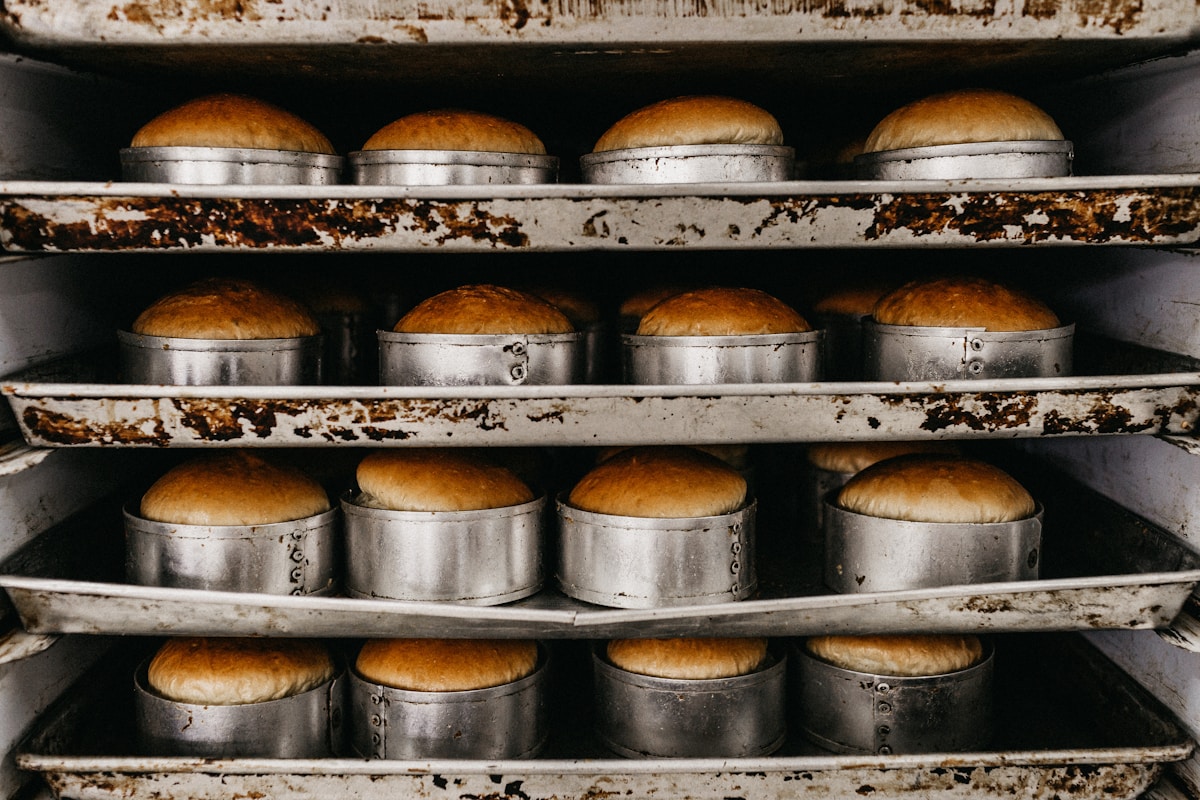
Metal Pans (Aluminum, Aluminized Steel): These are heat conductors. Think of a cast iron skillet getting screaming hot on the stove. Metal absorbs heat quickly and transfers it directly and efficiently into whatever it’s touching. For a cake batter, this means the sides and bottom start cooking almost immediately, forming a solid structure that helps the cake rise tall and proud.
Silicone Pans: These are heat insulators. Think of a silicone oven mitt. Its job is to stop heat from reaching your hand. When you make a pan out of the same material, it does the same thing to your cake batter. It slows down the transfer of heat from the hot oven air to the batter. Instead of being baked by direct, conductive heat, the batter is cooked more gently and slowly by the ambient air, which is much closer to steaming than it is to true baking.
The Science of the Golden-Brown Crust
Ever wonder what creates that delicious, fragrant, golden-brown crust on everything from cakes to roasted chicken? It’s a chemical process called the Maillard reaction. In simple terms, when sugars and proteins are exposed to heat (typically starting around 285°F / 140°C), they undergo a transformation that creates hundreds of new aroma and flavor compounds. This is the reaction that gives us the flavors of toast, seared steak, and, yes, a perfectly baked cake.
Because metal pans are excellent conductors, they get hot fast and transfer that heat directly to the batter’s edges. This allows the surface of your cake to reach the temperatures needed for the Maillard reaction to kick into high gear. The result is a beautifully browned crust, a complex flavor, and a delightful texture.
Silicone, the insulator, actively works against this. It shields the batter from the direct heat, often preventing the surface from ever getting hot enough for significant Maillard browning. The cake gets cooked, but it never gets that beautiful, flavorful crust. (This is a classic case of the right material for the wrong job.)
Side-by-Side Test: The Unmistakable Results
To see this in action, I did what any gear reviewer would do: I baked two cakes. I used the same simple vanilla cake batter, from the same bowl, poured into two 8-inch round pans. One was a standard aluminum pan from Nordic Ware, the other a popular silicone pan. Both went into a 350°F (177°C) oven for the same amount of time.
The difference was stark. Here’s a breakdown:
| Feature | Metal Pan Result | Silicone Pan Result |
|---|---|---|
| Crust Color | A deep, even golden-brown. | Pale, blonde, and slightly splotchy. |
| Crust Texture | Firm to the touch with slightly crisp edges. | Soft, flimsy, and a bit gummy. |
| Rise & Shape | Rose beautifully with a gentle dome and straight sides. | Rose less, with slightly slumped, rounded sides. |
| Crumb Texture | Light, fluffy, and even throughout. | Denser and a little heavier, especially near the edges. |
| Ease of Release | Popped out cleanly after greasing and flouring. | Peeled away easily, but the pan’s floppiness made it hard to handle. |
The cake from the metal pan was objectively superior in every way that matters for a classic cake—flavor, texture, and appearance. The silicone pan produced something that was technically edible, but it was a shadow of what it could have been.
So When Should You Actually Use Silicone Bakeware?
After all that, you might be tempted to throw your silicone pans in the trash. Don’t! They are not useless; they are just specialized. Their insulating properties and incredible flexibility are superpowers when used correctly. The key is to use them for things that don’t need a brown, crispy crust.
Here’s where silicone truly shines:
- Delicate, Gentle Bakes: Think cheesecakes or delicate custards that are prone to cracking or curdling with aggressive heat. Silicone’s gentle heat transfer is a huge advantage here.
- Molded Items & Frozen Treats: Because silicone is so flexible, it’s perfect for intricately shaped cakes (like bundts, though you still won’t get a great crust), chocolates, candies, gummies, or homemade ice pops. You can peel the mold away without breaking the delicate contents.
- Muffins & Cupcakes: This is a gray area. They can work fine, especially if you use paper liners, because the smaller thermal mass of each muffin cooks through more quickly. However, you’ll still get a better, more golden “muffin top” from a metal pan.
- Kitchen Hack: The Best of Both Worlds: My favorite way to use a silicone pan, especially a decorative one, is to place it on a metal baking sheet or even inside a metal pan of the same size. The metal sheet provides the conductive heat from the bottom for a better bake and gives the floppy silicone pan the stability it desperately needs.
Lucas’s Picks: The Only Pans You Really Need
You don’t need a cupboard overflowing with a dozen different pans. My philosophy is to buy the right tool that will last. Here are my recommendations for building a reliable bakeware collection.
The Workhorse All-Rounder: USA Pan Bakeware Round Cake Pan (Price: $18-$25) This is the pan I reach for 90% of the time. It’s made from heavy-gauge aluminized steel, which provides ridiculously even heat distribution. Its corrugated surface promotes air circulation for even browning and easy release. It’s a bit pricier than budget pans, but it will last a lifetime and deliver consistently perfect results.
The Unbeatable Budget Buy: Wilton Performance Pans Aluminum Round Cake Pan (Price: $10-$15) If you’re on a tighter budget, you simply cannot go wrong with a basic, uncoated aluminum pan from a brand like Wilton. It’s lightweight, conducts heat beautifully, and does its job without any fuss. It won’t have the heft or non-stick coating of a USA Pan, but for pure baking performance, it will beat a silicone pan every single day. (Your future self will thank you for greasing and flouring it properly.)
The Specialty Silicone Tool: Generic Silicone Molds for Candy/Chocolates (Price: $10-$20 for a set) I don’t recommend a specific brand here because for candy, novelty shapes, or freezing, most of them perform similarly. Look for one that is 100% food-grade silicone and has the shapes you need. Just remember what it’s for—this is your specialty tool, not your daily driver.
The Final Verdict
So, are metal pans better than silicone for baking cakes? The answer is a resounding yes. For developing the flavor, texture, and color that we associate with a truly delicious, satisfying cake, the superior heat conduction of metal is non-negotiable.
Silicone has its place in the modern kitchen, but it’s a supporting actor, not the star of the show. It’s a fantastic tool for tasks that require flexibility and gentle heat. But for the foundational work of baking cakes, breads, and anything that deserves a golden crust, stick with the tried-and-true performance of metal. Spend your money wisely, invest in a quality metal pan, and I promise your baking will be better for it.