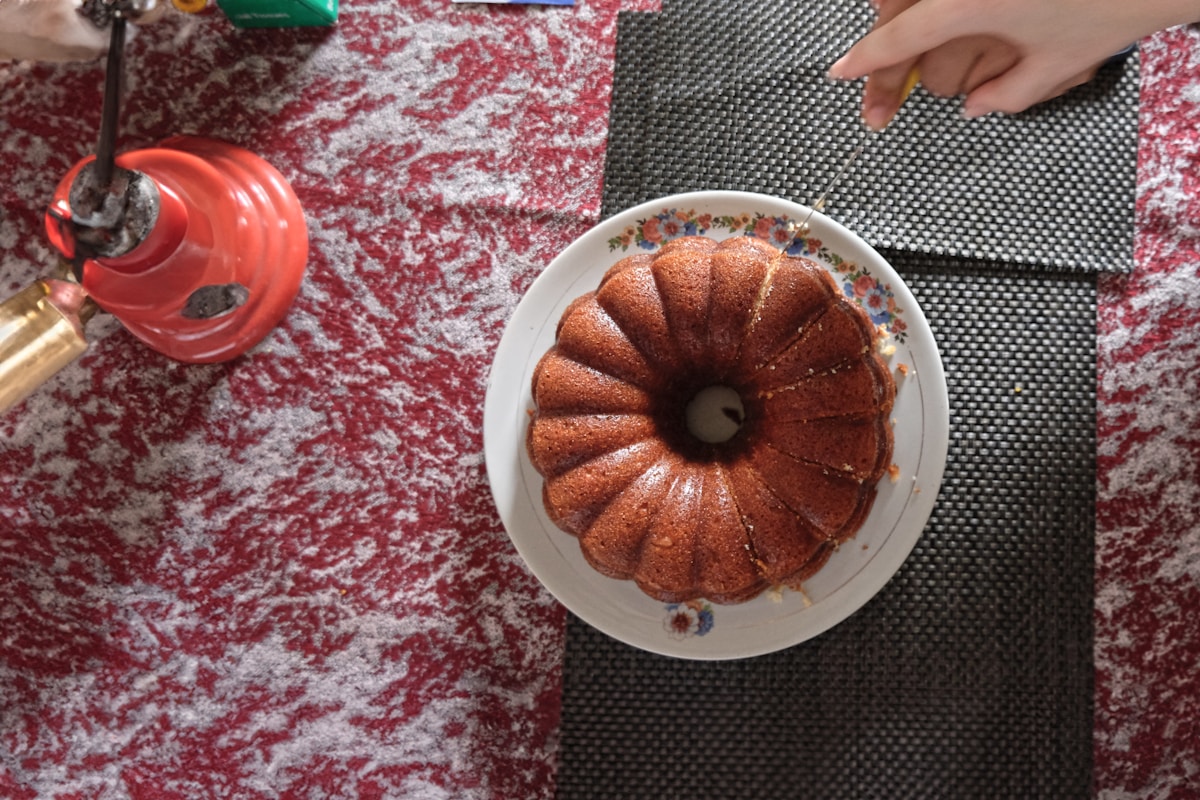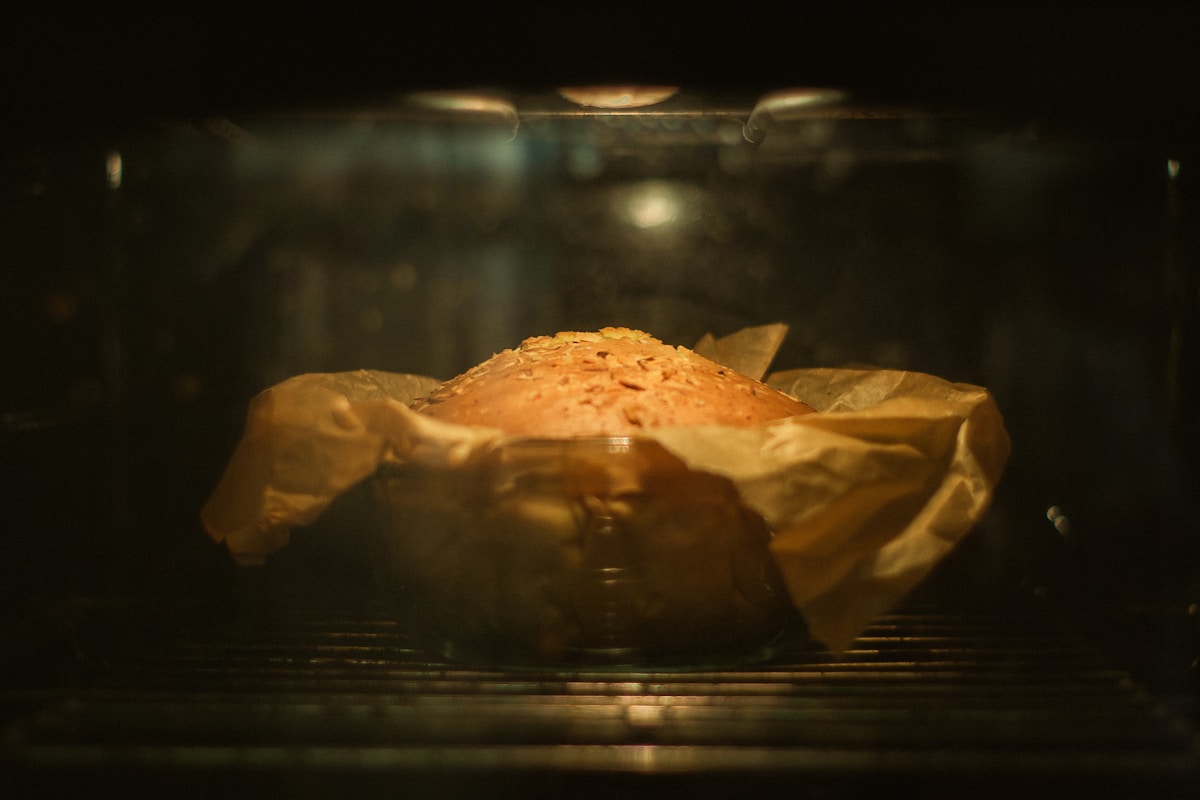
Ever followed a cake recipe to the letter, measured your King Arthur flour with precision, used room temperature eggs, and still pulled a pale, sad, slightly gummy cake out of the oven? You check the temperature, you check the time, you blame the recipe. But what if the problem isn’t the ingredients or the oven? What if it’s the pan itself?
I’ve seen it a hundred times. A baker invests in a set of those colorful, flexible silicone pans, excited by the promise of easy-release muffins and no-fuss cleanup. A few bakes later, they’re frustrated. Their brownies don’t have those crackly, chewy edges. Their breads are anemic. It’s a common problem, and it all comes down to simple physics. The right tool makes the job easier, and for most baking, that brightly colored silicone pan is simply the wrong tool.
The Great Pan Debate Metal vs Silicone Showdown
Walk down the bakeware aisle and you’re faced with a choice. On one side, you have the classics: sturdy, rigid pans made of aluminum or aluminized steel. They feel substantial. On the other side, you have the modern contender: flexible, lightweight silicone in every color imaginable. They seem convenient, innovative, and almost too good to be true.
The sales pitch for silicone is compelling: it’s non-stick, freezer-to-oven safe, easy to clean, and you can twist it up for compact storage. On paper, it sounds like the perfect evolution of bakeware. But cooking is all about the management of heat, and this is where silicone’s biggest weakness is exposed.
Metal’s job is to get hot and transfer that heat to your food efficiently. Silicone’s primary industrial use, outside of the kitchen, is as an insulator for wiring and a heat-resistant sealant. Think about that for a second. Its core property is to resist the transfer of heat. When you put that property in an oven, you’re fundamentally changing the way your recipe was designed to cook.
The Science of Heat Why Your Pan Material Matters
To understand why your metal pan gives you a golden-brown cake and your silicone pan gives you a pale, dense one, we need to talk about heat transfer. Your oven heats the air, and the pan’s job is to conduct that heat from the air into your batter as quickly and evenly as possible.
Metal Pans (The Conductor): Materials like aluminum are fantastic heat conductors. When you place a metal pan in a 350°F (175°C) oven, the metal itself gets hot very quickly. It efficiently channels that energy directly into the batter it’s touching—the bottom and the sides. This immediate, strong heat does two critical things:
- It creates oven spring: The fast heat transfer causes the leavening agents (baking soda, powder) to react rapidly, producing gas bubbles that make your cake rise high and light.
- It promotes the Maillard Reaction: This is the magic chemical reaction between amino acids and reducing sugars that gives baked goods their delicious flavor and signature golden-brown color. It requires high heat to get going. A conductive metal pan delivers that heat, creating crisp edges on brownies and a perfect crust on bread.
A light-colored, heavy-gauge aluminum pan, like one from USA Pan or Nordic Ware (typically in the $20-$35 range), is the gold standard for a reason. It conducts heat beautifully and evenly, giving you consistent, professional results every time.
Silicone Pans (The Insulator): Silicone is the opposite of a conductor; it’s an insulator. It heats up much more slowly than metal and is less efficient at transferring that heat to the batter. Instead of channeling the oven’s heat, it acts as a barrier. This leads to several problems:
- Slow, Uneven Cooking: The sides and bottom of your batter cook much slower than the top, which is exposed to the oven’s air. This often results in a gummy, undercooked layer near the pan’s surface, even when the top looks done.
- Inhibited Browning: Because the silicone isn’t getting hot enough, fast enough, the Maillard reaction never truly gets going on the surfaces touching the pan. The result is a pale, anemic crust that lacks the complex flavor of a properly browned bake.
- Denser Texture: The slow, gentle heating doesn’t provide the same powerful “kick” to the leavening agents, leading to less oven spring and a denser, heavier crumb.
The Real-World Bake-Off A Tale of Two Cakes
Talk is cheap. Let’s put this to a practical test that I run whenever I’m evaluating new gear. I’ll take one batch of a standard vanilla buttermilk cake batter—nothing fancy, just flour, sugar, eggs, butter, buttermilk, and leavening—and divide it evenly between two 8-inch round pans.
- Pan 1: A light-colored aluminum USA Pan ($22).
- Pan 2: A standard red silicone round pan from a popular online brand ($15).
Both go into the same oven, on the same rack, preheated to 350°F (175°C). The recipe says to bake for 30-35 minutes.
At the 30-minute mark, the results are stark. The cake in the metal pan is beautifully domed, a perfect golden brown, and the edges are just starting to pull away from the sides. A toothpick comes out with a few moist crumbs attached. It smells like toasted butter and vanilla. It’s done.
The cake in the silicone pan looks sad. The top is a very pale blonde. A toothpick inserted in the center comes out with wet batter. It’s nowhere near done. The whole floppy pan jiggles when I touch it. (That’s another issue—silicone pans are flimsy and dangerous to handle when hot without support.)
I put the silicone pan back in for another 10 minutes. At 40 minutes, the top is lightly colored, but the sides are still pale. The final product, once cooled, has a noticeably denser crumb and a slightly rubbery texture on the bottom. The flavor is flat because it’s missing those crucial caramelized notes. The metal pan won, and it wasn’t even a close fight.
So When Should You Actually Use Silicone?
After all that, you might be tempted to toss your silicone molds in the trash. Don’t! They aren’t useless; they’re just specialized tools. You wouldn’t use a sledgehammer to hang a picture frame. You need to use silicone bakeware for tasks where its insulating properties and flexibility are an advantage, not a hindrance.
Silicone excels at:
- Freezing: It’s brilliant for making large, shaped ice cubes for punch bowls, freezing portions of baby food, or making concentrated stock pucks. The flexibility makes popping frozen items out a breeze.
- No-Bake Desserts: Things like chocolate molds, homemade gummy candies, or no-bake cheesecakes that just need to set in the fridge are perfect for silicone.
- Egg Bites & Mini Frittatas: For sous-vide style egg bites or small crustless quiches, where you’re essentially steaming the egg and don’t want a brown crust, silicone is the ideal choice.
- Fat Bombs: For those on a keto diet, silicone candy molds are perfect for portioning and freezing high-fat snacks.
Basically, if the goal isn’t a crisp, brown, well-risen final product, silicone might be a great option.
Kitchen Hack How to Improve Your Silicone Pan’s Performance
What if you’re stuck with silicone for now and still want to bake a cake? You can make it work better with a few adjustments. (Your results still won’t be as good as with a metal pan, but they’ll be a big improvement.)
-
Always Use a Metal Tray: This is the most important tip. Never place a silicone pan directly on the oven rack. Put it on a sturdy, metal baking sheet. This provides stability and, more importantly, the metal sheet will conduct heat directly to the bottom of the silicone, helping to cook the base of your food more effectively.
-
Anticipate Longer Bake Times: As we saw in the test, silicone bakes slower. Add 15-25% to the recipe’s recommended baking time as a starting point. Rely on visual cues and the toothpick test, not just the clock.
-
Grease and Flour It: Ignore the “non-stick” claim for batter-based recipes. A thin layer of baking spray with flour, or the classic butter-and-flour method, will create a better crust and ensure an even easier release.
The Final Verdict Spend Your Money Wisely
When it comes to the core tasks of baking—cakes, breads, brownies, and cookies—a quality, light-colored metal pan is the undisputed champion. It’s a modest investment that will pay you back with consistency, beautiful browning, and superior texture for years. The performance difference is not subtle; it’s dramatic.
Hold onto your silicone molds for the specific jobs they do well. But for your primary bakeware collection, stick with metal. Don’t let a clever marketing pitch about convenience sabotage the time and effort you put into creating something delicious. The right tool makes all the difference.
Now go bake something amazing. (And use a metal pan.)