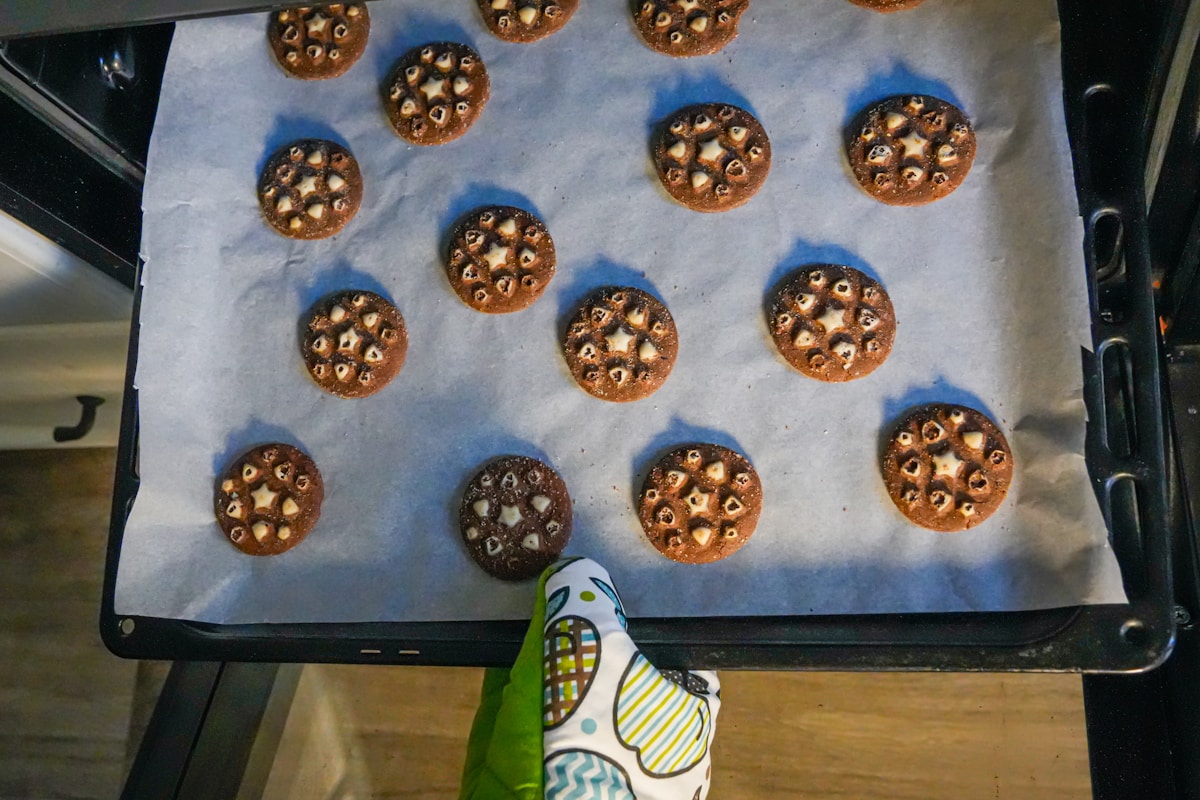
Have you ever tasted a chocolate chip cookie that stopped you in your tracks? One that had a deep, nutty, almost toffee-like flavor that you couldn’t quite place? The ingredients on the recipe card looked standard—flour, sugar, eggs, butter—but the result was anything but. The secret, more often than not, isn’t a rare spice or an expensive vanilla. It’s a simple, five-minute chemical reaction performed on one of baking’s most fundamental ingredients: butter.
Browning butter, or beurre noisette as it’s known in French kitchens, is one of the most impactful techniques a home baker can master. It’s the process of transforming a simple fat from a one-note creamy ingredient into a complex, aromatic powerhouse. This isn’t just melting; it’s a controlled transformation. Understanding this process is the first step toward moving from a baker who follows recipes to one who creates them. Because baking, after all, is chemistry you can eat.
The Science of Liquid Gold The Maillard Reaction in Your Pan
To understand why brown butter is so special, we first need to look at what butter actually is. American-style butter is roughly 80% butterfat, 16-18% water, and 1-2% milk solids. Those milk solids, a combination of milk proteins (casein) and milk sugars (lactose), are the key to this entire process.
When you place a stick of butter in a saucepan over medium heat, a series of events unfolds:
- Melting: The butterfat melts into a liquid. This happens around 90-95°F (32-35°C).
- Sizzling & Foaming: As the temperature climbs past the boiling point of water, 212°F (100°C), the water in the butter begins to evaporate. This causes vigorous sizzling and a layer of white foam to form on the surface. The butter is essentially boiling itself dry.
- The Quiet Phase & The Maillard Reaction: Once most of the water has evaporated, the sputtering will quiet down, and the foam will begin to subside. Now, the temperature of the butterfat can rise above 250°F (120°C). This is where the magic happens. The heat begins to toast those suspended milk solids. The proteins and sugars interact and rearrange themselves in a beautiful cascade of chemical reactions known as the Maillard reaction—the very same reaction responsible for the brown crust on bread and the savory sear on a steak.
These toasted milk solids develop hundreds of new aromatic compounds, releasing notes of hazelnut, toast, and caramel. The butter itself takes on a beautiful amber or golden-brown hue. You have not added a single new ingredient, yet you have created an entirely new flavor profile. You’ve unlocked the butter’s hidden potential.
Your Step-by-Step Guide to Perfect Brown Butter
Browning butter is not difficult, but it does demand your undivided attention for a few minutes. The transition from perfectly nutty to sadly burnt can happen in less than 30 seconds. Prepare your tools and ingredients before you begin.
Equipment You’ll Need:
- A Light-Colored Saucepan: This is the most important tool. A stainless steel pan (like one from All-Clad or Cuisinart) allows you to accurately see the color of the milk solids as they toast. Avoid dark or non-stick pans, as they camouflage this crucial visual cue.
- A Silicone Spatula or Whisk: For gentle, continuous stirring.
- A Heatproof Bowl: (Glass or ceramic is perfect.) You need this ready to immediately transfer the butter out of the hot pan to stop the cooking process.
The Process (for 1/2 cup or 113g of butter):
- Prep the Butter: Cut one stick of unsalted butter into tablespoon-sized pieces. Smaller pieces will melt more evenly. Using unsalted butter gives you full control over the saltiness of your final dish.
- Melt Gently: Place the butter in your light-colored saucepan over medium heat. Let it melt completely. As it melts, swirl the pan occasionally.
- Observe the First Foam: Once melted, the butter will begin to foam and sputter. This is the water boiling off. Continue to swirl the pan or stir gently with your spatula. This phase lasts for 2-3 minutes.
- Wait for the Quiet: The sputtering will become less frantic and the foam will start to thin. You’ll begin to see the liquid butter becoming clearer. Keep stirring, making sure to scrape the bottom of the pan.
- Watch and Smell: Now, pay close attention. Tiny, light-tan specks will begin to appear at the bottom of the pan. The butter will start to smell distinctly nutty and rich. (You’ll know it when you smell it.) The color will shift from pale yellow to a warm, golden tan.
- The Final Moments: The browning process accelerates rapidly here. Continue stirring and watch as the specks turn a deep amber-brown. The butter should be the color of a light ale.
- Stop the Cooking: The moment you reach that perfect color and aroma, immediately remove the pan from the heat and pour the butter—including all those flavorful brown bits—into your heatproof bowl. Do not leave it in the hot pan, as the residual heat will continue to cook it and likely burn it. Let it cool slightly before using.
Common Pitfalls and How to Avoid Them
Even a simple process can have its challenges. Here are the most common issues and how to solve them.
-
Problem: My butter burned! It has black specks and smells bitter.
- Cause: The heat was too high, or you left it in the hot pan for too long after removing it from the burner.
- Solution: Unfortunately, burnt butter is not salvageable. The bitter, acrid taste will ruin your baked goods. Discard it and start again. Next time, use slightly lower heat and have your heatproof bowl ready and waiting right next to the stove.
-
Problem: My butter is just melted. It’s not browning.
- Cause: You haven’t cooked it long enough. All the water needs to evaporate before the temperature can rise high enough for the Maillard reaction to begin.
- Solution: Be patient. Keep it on the medium heat, keep stirring, and wait for the sputtering to subside. The nutty smell is your primary indicator that you’re on the right track.
-
Problem: The butter spit and splattered everywhere.
- Cause: The heat is too high, causing the water to boil off too aggressively.
- Solution: Turn the heat down to medium-low. A gentle, consistent sizzle is what you’re aiming for, not a violent boil.
How to Use Brown Butter in Your Baking
Now for the fun part: using your liquid gold. Simply swapping melted butter for brown butter in a recipe requires a few small considerations for the best results.
First, remember that brown butter is a liquid. If your recipe calls for creaming softened butter with sugar (a process that incorporates air), you can’t make a direct swap. You’ll need to find recipes specifically developed for melted or brown butter, which are common for cookies, blondies, and some cakes.
Second, you’ve lost volume. The browning process evaporates about 15-20% of the butter’s original weight in water. For one stick (113g), you’ll be left with about 95-100g of brown butter. Most recipes won’t fail from this small difference, but for precision, you can compensate.
Kitchen Hack: Adapting a Chocolate Chip Cookie Recipe
Let’s say your favorite chocolate chip cookie recipe calls for 1 cup (227g) of melted butter. Here’s how to adapt it:
- Brown the Butter: Start with 1 cup (227g) of unsalted butter and brown it perfectly using the method above. Let it cool for 10-15 minutes so it doesn’t scramble your eggs.
- Compensate for Moisture: To add back some of the lost moisture and ensure a chewy texture, you can add 1-2 tablespoons of milk or an extra egg yolk to your wet ingredients.
- Chill the Dough: Because you’re starting with a warm liquid fat, the dough will be softer than usual. Chilling is non-negotiable. After mixing, cover the dough and refrigerate it for at least 2 hours, or preferably overnight. This solidifies the fat, prevents the cookies from spreading into thin, greasy wafers, and allows the flavors to deepen even further.
The result will be a cookie with unparalleled depth of flavor. The nuttiness of the butter will complement the vanilla and chocolate, creating something truly special.
Is Browning Butter Always Worth the Extra Step?
So, is this technique worth the extra 5-7 minutes of active work? In most cases, absolutely. For recipes where you want a richer, more complex flavor profile—think chocolate chip cookies, blondies, oatmeal cookies, financiers, or even a simple pound cake—brown butter is a game-changer.
There are times to skip it. For a delicate vanilla buttercream or a light shortbread where you want the pure, creamy flavor of sweet butter to shine, browning it would be overpowering. But for almost everything else, it’s an investment that pays delicious dividends.
Mastering brown butter is more than learning a step in a recipe; it’s about learning to manipulate an ingredient to create flavor. It’s a foundational skill that, once perfected, will elevate your baking from good to unforgettable. Give it a try. (Your future self will thank you.)