Is Basque Cheesecake the Perfect First Baked Dessert for Beginners?

Is Basque Cheesecake the Perfect First Baked Dessert for Beginners?

The First Baked Dessert That Actually Works

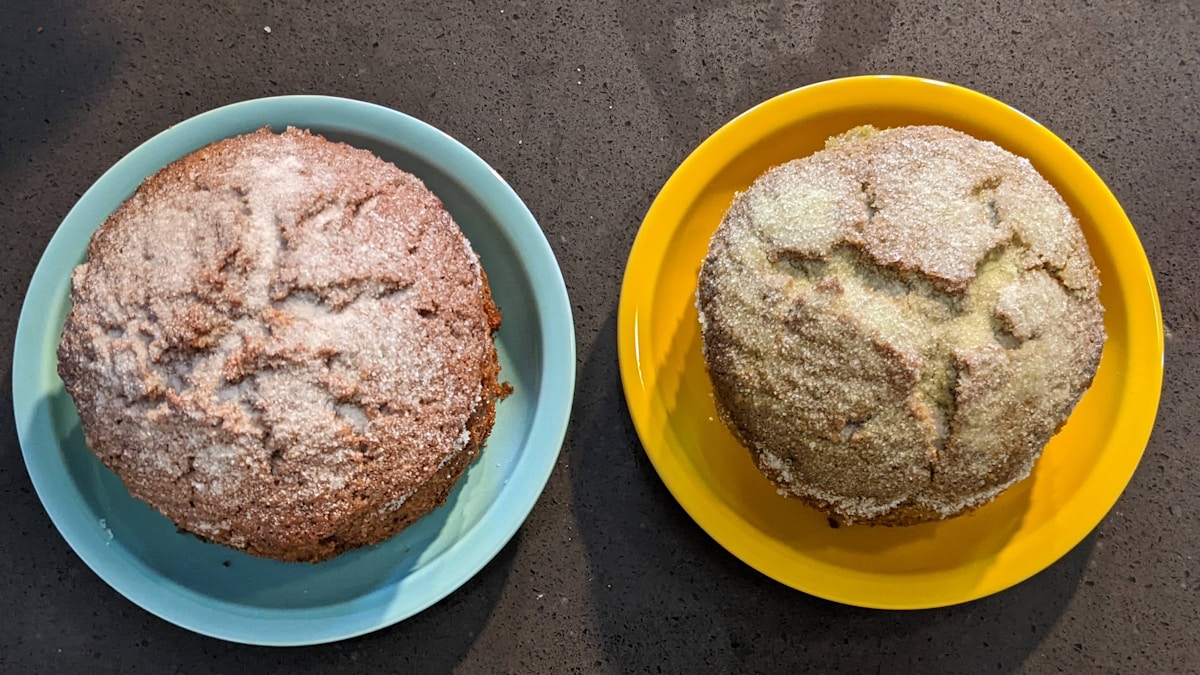
You’ve been meaning to bake something. Maybe you bought a bag of flour months ago, or you watched one too many baking videos. But every recipe seems to demand a water bath, a perfectly crimped crust, or an exact cooling schedule that feels like a science exam. I remember that feeling well. Then I discovered the Basque cheesecake. It’s the dessert that says, "Yes, you can." A Reddit user recently shared their first-ever baked dessert using Brian Lagerstrom’s recipe, and it came out beautifully. No crust, no water bath, no stress. Just a deeply caramelized top and a creamy, tangy center that sets perfectly after a chill in the fridge.

How Can You Safely Eat Raw Cake Batter?

How Can You Safely Eat Raw Cake Batter?

You are standing in your kitchen, spatula in hand, staring at the last streaks of glossy red velvet batter clinging to the mixing bowl. The cake is in the oven, but that leftover ribbon of batter looks so tempting. You know you shouldn’t eat it, but come on - just one lick? That moment of hesitation is exactly what this article is about. Recently, a Reddit user sparked an intense debate by posting a photo of a red velvet cake with a separate bowl of raw batter for dipping. They claimed it was safe because they had used pasteurized eggs. But the food safety experts in the thread were quick to point out a hidden danger: raw flour. This article will walk you through the real risks of raw cake batter and show you exactly how to make it safe enough to enjoy without worry. Let’s get started.

Why Is My Homemade Cake Gummy Instead of Fluffy?

Why Is My Homemade Cake Gummy Instead of Fluffy?

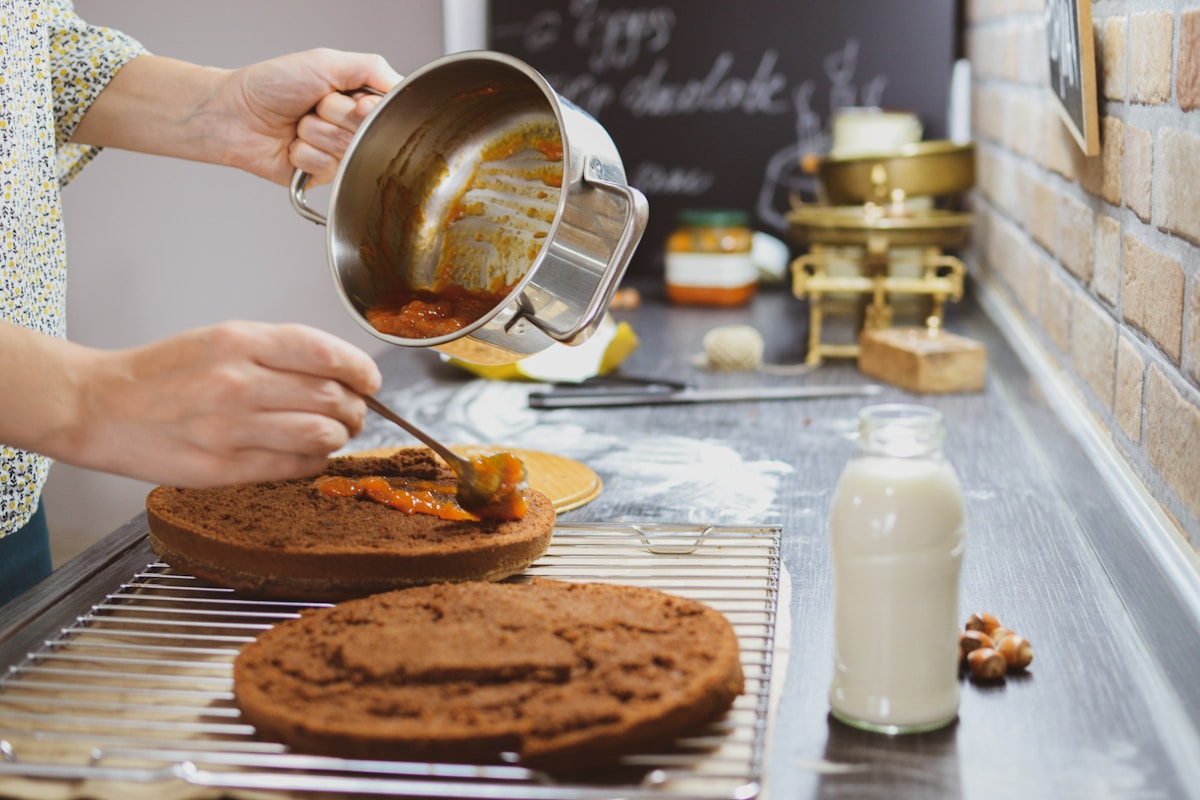
It’s one of the most frustrating moments in the kitchen. You followed the recipe. You measured carefully. You pull a beautiful, golden-brown cake from the oven, and it looks absolutely perfect. But then you take a bite, and your heart sinks. Instead of light, tender, and fluffy, the texture is… gummy. Or dense. Or even a little rubbery.

Can You Use Dark Chocolate Instead of White Chocolate in Cookies?

Can You Use Dark Chocolate Instead of White Chocolate in Cookies?

It’s a familiar scene. You’re halfway through creaming the butter and sugar for a batch of cookies, feeling like a kitchen champion. You glance at the recipe for the next step and your heart sinks. It calls for white chocolate chips, and the only bag in your pantry is a trusty package of semisweet or a fancy bar of dark chocolate.

What Is The Real Difference Between Lemon Bars And Lemon Cookie Bars?

What Is The Real Difference Between Lemon Bars And Lemon Cookie Bars?

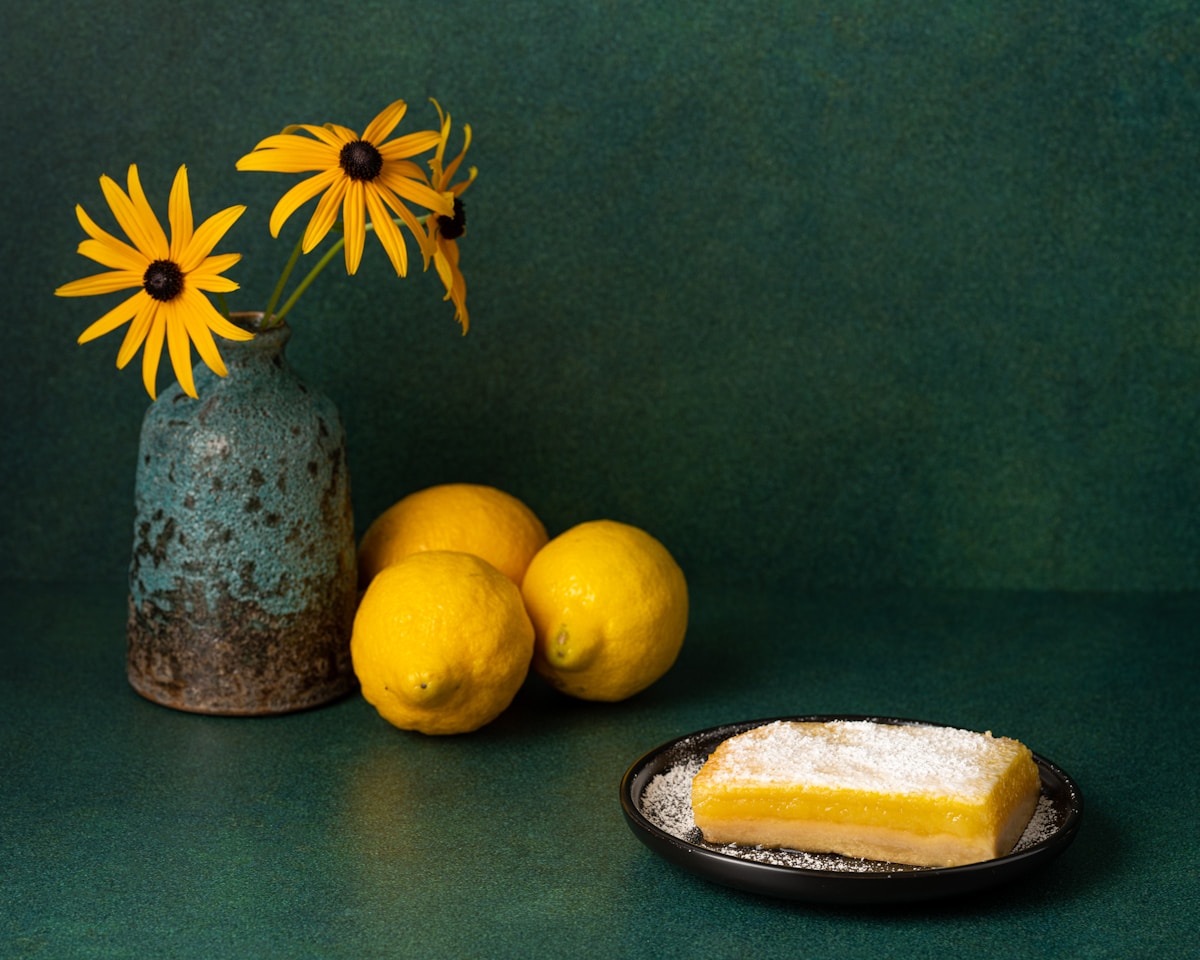
There’s a beautiful, sun-drenched moment in every baker’s journey. You’re struck by a sudden, intense craving for something bright, citrusy, and sweet. You think, “Lemon bars!” and head to your favorite recipe site. But then you see it: a parallel universe of recipes for “Lemon Cookie Bars.” They look similar, both golden squares of promise, but the descriptions are subtly different. One promises a gooey, custardy center, the other a soft, chewy bite. Are they the same thing? (Spoiler alert: they are not.)

What is a sourdough starter and how do I even begin

What is a sourdough starter and how do I even begin

Let’s be honest. You’ve seen those gorgeous, crusty loaves of sourdough bread all over social media. You’ve imagined the smell of one baking in your own oven. And then you hear the word… starter. Suddenly, it all seems impossibly complicated, like a secret club with a secret handshake. It feels like something that requires constant, scientific attention, and one wrong move will ruin everything.

Why Did My Tiered Birthday Cake Lean And Collapse

Why Did My Tiered Birthday Cake Lean And Collapse

Oh, the moment of dread. You’ve spent hours, maybe even days, planning and baking the perfect birthday cake. It’s a towering, multi-layered masterpiece, just like your little one requested. You’ve swirled the frosting, placed the decorations, and you stand back to admire your work. And then you see it. A slight… tilt. A little bulge of frosting squeezing out from the middle. You tell yourself it’s nothing, but an hour later, your glorious creation is doing the Leaning Tower of Pisa, and you’re having visions of it toppling over right before everyone sings “Happy Birthday”.

How Do I Stop My Pizza Sticking To My Cast Iron Pan

How Do I Stop My Pizza Sticking To My Cast Iron Pan

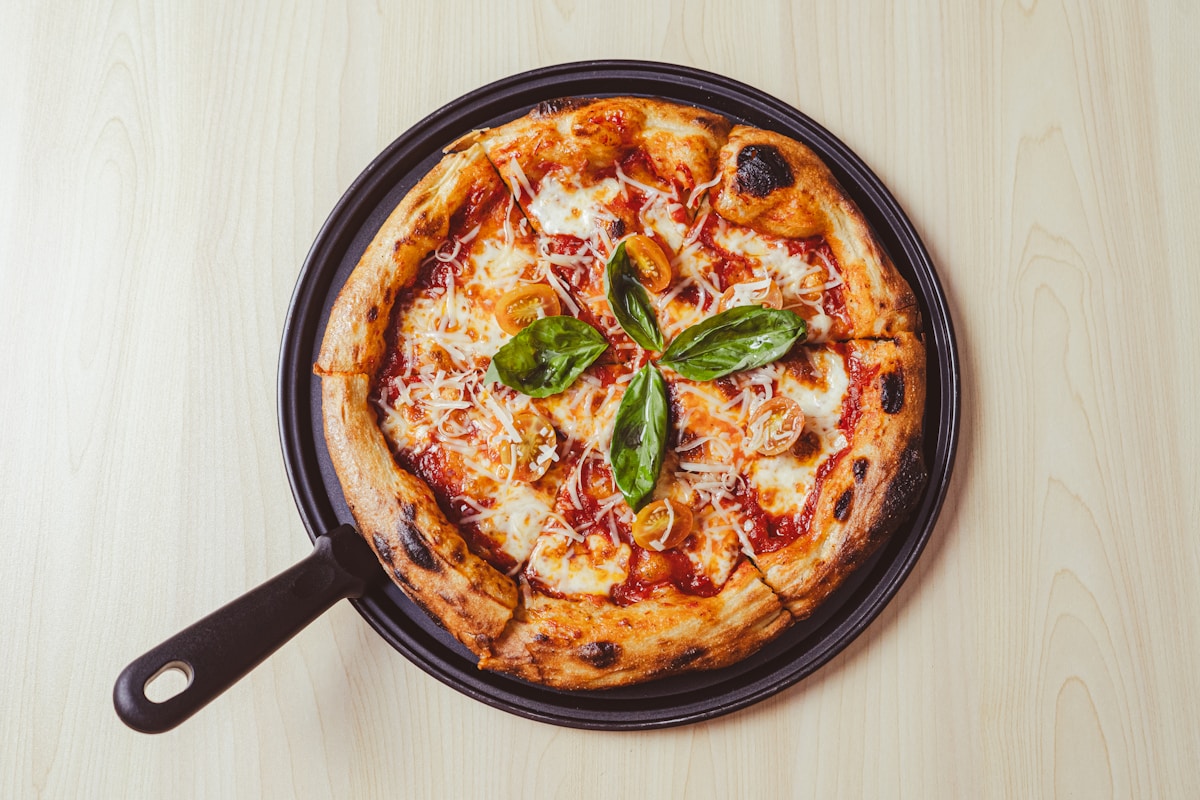
Picture this: You did it. You mixed the dough, let it rise, and stretched it into a beautiful circle. You lovingly added the sauce, sprinkled the cheese just so, and arranged the pepperoni into a perfect pattern. You slid your masterpiece, nestled in its heavy cast iron skillet, into a screaming hot oven. The whole house smells like a pizzeria.

How Do I Put Orange Slices on Cookies Without Them Turning Bitter

How Do I Put Orange Slices on Cookies Without Them Turning Bitter

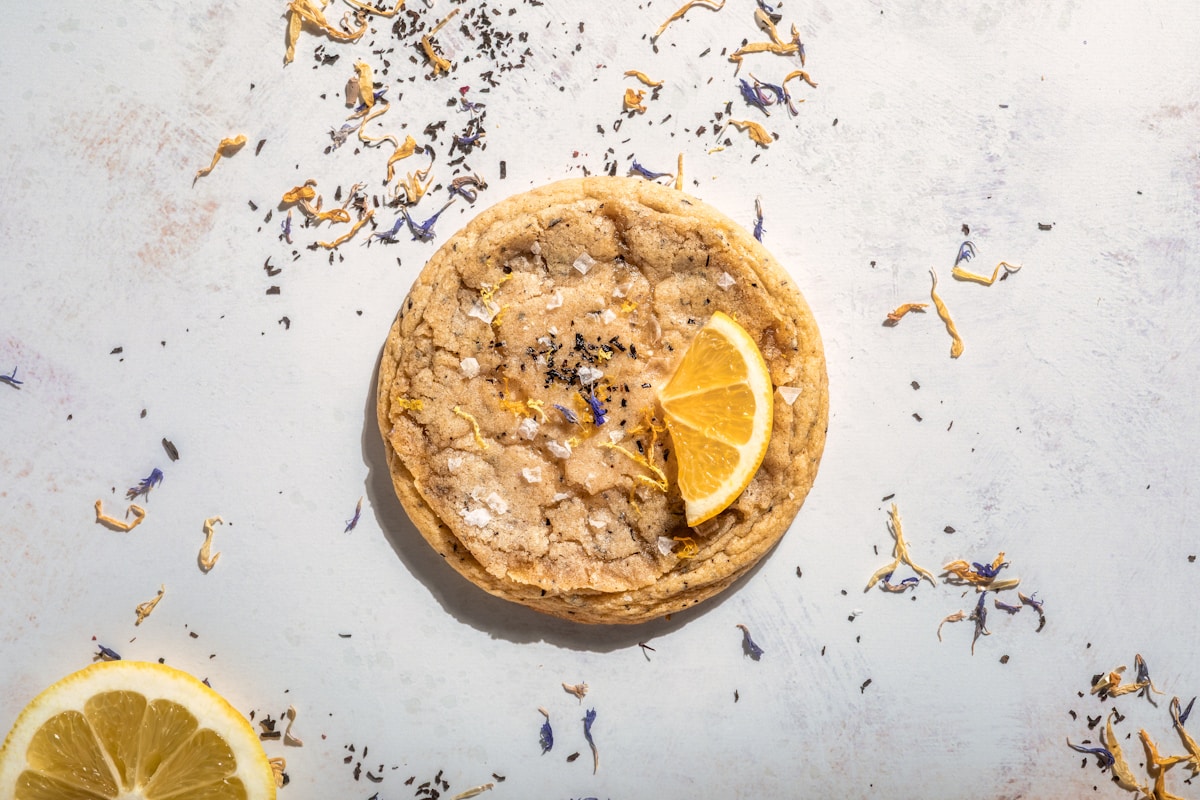
You pictured it perfectly, didn’t you? A batch of buttery, golden-brown cookies, each one crowned with a jewel-like slice of vibrant orange. It’s the kind of bake that looks like it belongs in a fancy café window. You pull them from the oven, they cool on the rack, and you take that first excited bite… only to be met with a wave of surprising bitterness and a slightly soggy center.

How Do I Bake Bread into Fun Shapes That Actually Hold

How Do I Bake Bread into Fun Shapes That Actually Hold

There’s a unique kind of kitchen disappointment that comes from watching your perfectly sculpted dough turtle slowly melt into an amorphous blob in the oven. You had a vision. You spent time pinching and shaping. And the oven returned a pancake with a vague suggestion of a shell. If this sounds familiar, you’re not alone. The leap from a standard boule to a whimsical, shaped loaf is less about artistic talent and more about understanding the chemistry of your dough.

How Do I Get That Perfect Crinkly Top On My Brownies?

How Do I Get That Perfect Crinkly Top On My Brownies?

There’s a unique kind of kitchen heartbreak that comes from a failed batch of brownies. You followed the recipe, the house smelled like a chocolate paradise, but when you pulled them from the oven and let them cool, the magic was gone. Instead of a dense, fudgy interior with a glossy, paper-thin crinkly crust, you got… well, chocolate cake. A dry, crumbly square that’s a distant cousin to the decadent brownie of your dreams.

Why Does My First Layer Cake Always Collapse?

Why Does My First Layer Cake Always Collapse?

I see you. You’ve followed the recipe perfectly. You have two beautiful, golden-brown cake rounds cooling on your counter, and a bowl of fluffy, sweet frosting ready to go. This is it. This is the moment you become a Cake Person. You place the first layer down, slather on some frosting, and gently lower the second layer on top. And then… it happens. The slide. The slow, heartbreaking tilt. The frosting starts to squish out the sides, tearing the cake as it goes. It’s a wobbly, crumb-filled mess, and suddenly, making a layer cake feels less like a fun project and more like a cruel physics experiment.

Why Is My Bread Dough So Sticky and What Am I Doing Wrong?

Why Is My Bread Dough So Sticky and What Am I Doing Wrong?

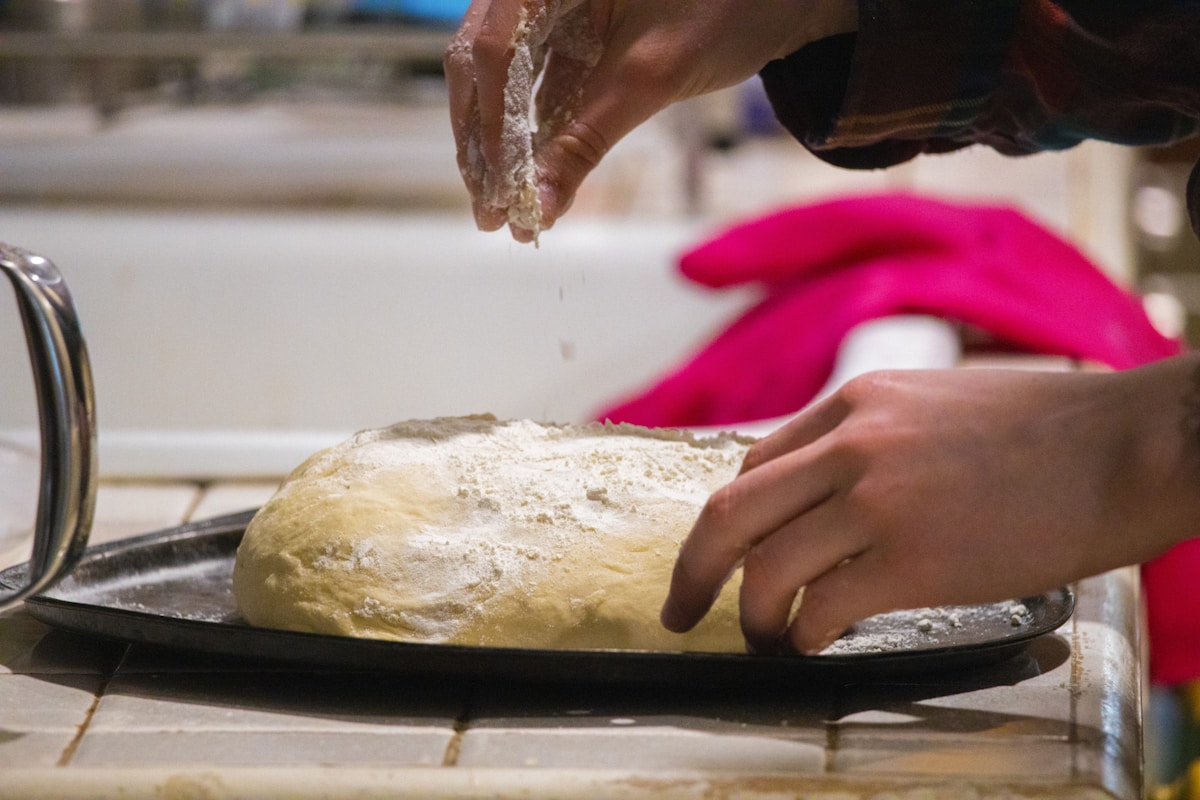
It’s a moment every new baker knows. You followed the recipe perfectly. You measured everything with care. And now you’re standing over a bowl of what can only be described as culinary glue. It’s sticking to your hands, the bowl, the counter, and your will to live. Your first instinct is probably to either dump another cup of flour in or scrape the whole mess into the trash.