How Do You Make Flaky Buttermilk Biscuits Every Time?

How Do You Make Flaky Buttermilk Biscuits Every Time?

The Tale of the Dense Biscuit

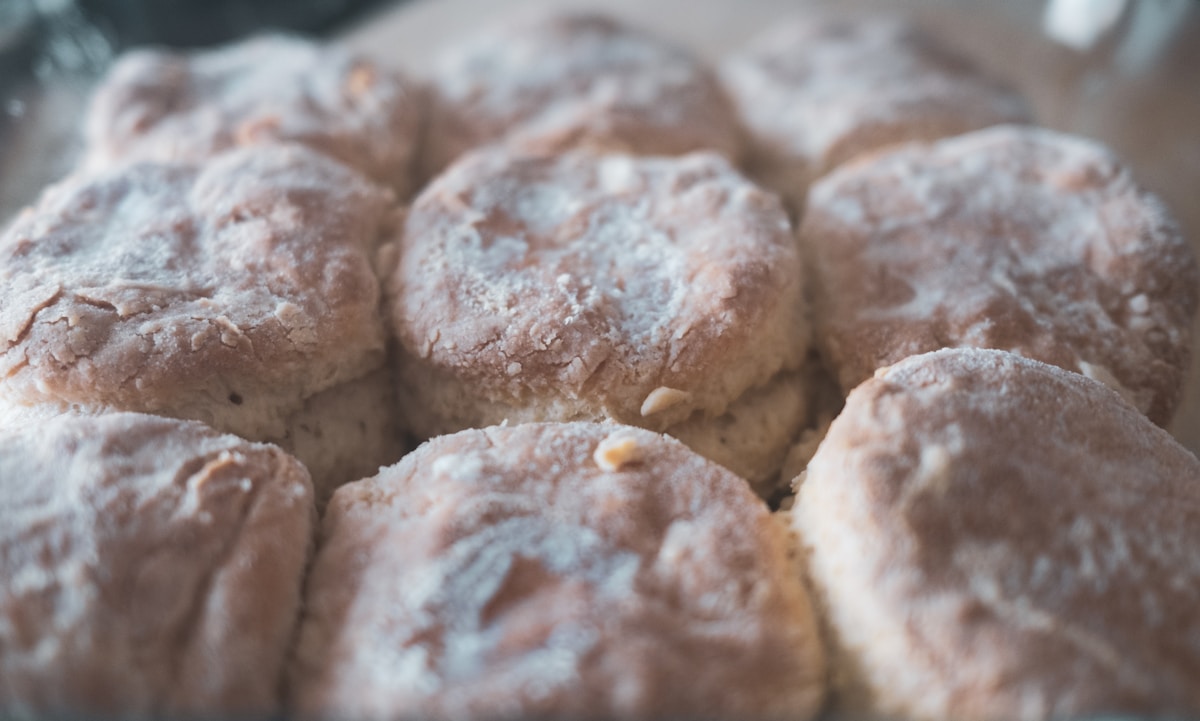
You pulled out a baking sheet, you followed the recipe step by step, and when you bit into that biscuit… it was a sad, hockey-puck of dough. It wasn’t tender. It wasn’t flaky. It was just dense. I’ve been there. In fact, that was my first three attempts at buttermilk biscuits. And here’s the good news: once you understand a few simple rules, you can turn out golden, buttery layers every single time.

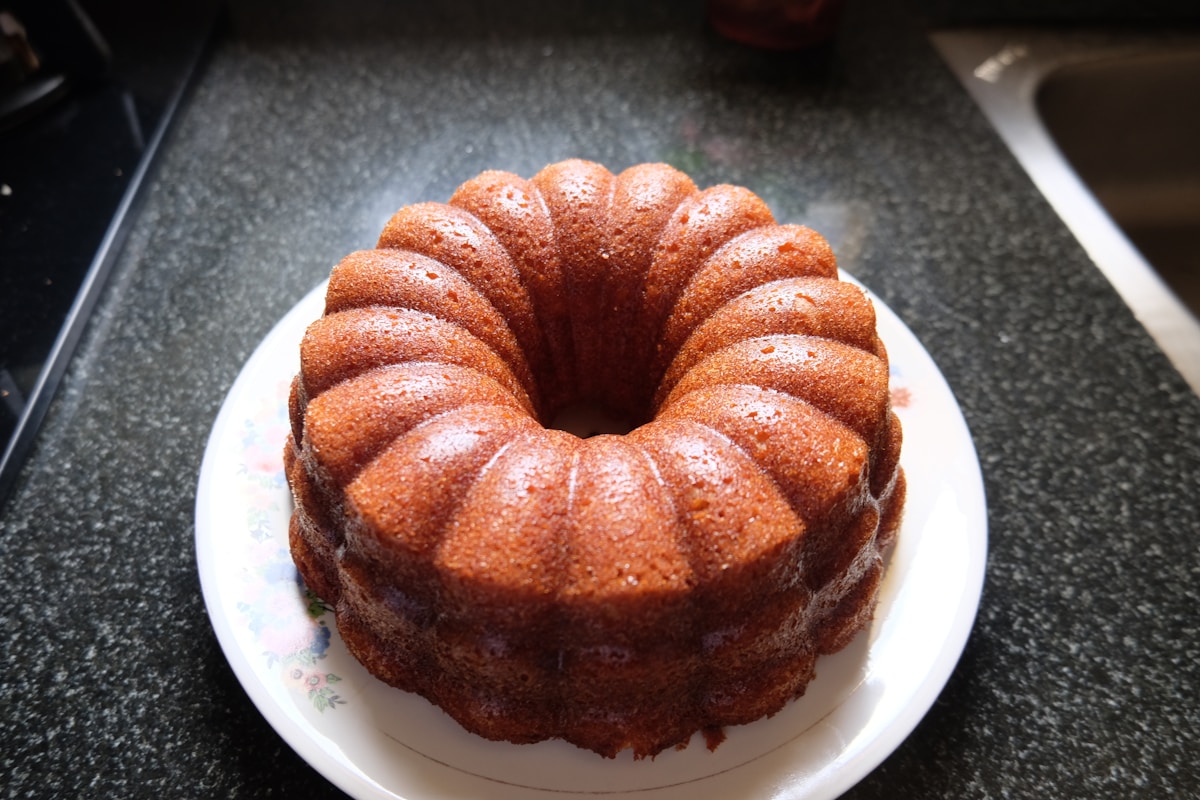
Can You Bake a Bundt Cake While Caring for a 7-Month-Old Baby?

Can You Bake a Bundt Cake While Caring for a 7-Month-Old Baby?

You know that moment. The baby is finally napping, you have a party to attend tomorrow, and all you want is to whip up a beautiful Bundt cake. But the second you open the pantry, the baby wakes up. Or you get halfway through measuring flour and need to tend to a diaper blowout. It feels impossible. I recently read a story from a Reddit baker who pulled it off with a seven-month-old in the house, and their secret wasn’t magic—it was strategy. Let me walk you through exactly how you can do the same.

Can Marshmallow Fluff Stabilize Whipped Cream for Days?

Can Marshmallow Fluff Stabilize Whipped Cream for Days?

The Whipped Cream Dilemma

You have spent hours layering a perfect cake, piping rosettes, and smoothing frosting. Then you take it to a party, and by the time dessert rolls around, your beautiful whipped cream has deflated into a sad, weeping puddle. We have all been there. Stabilized whipped cream is the baker’s secret for desserts that need to hold their shape for hours or even days. Traditional methods like gelatin, cream cheese, or instant pudding mix work, but they can change the texture or require extra steps. Enter an unlikely hero: marshmallow fluff. A Reddit user recently shared a pro tip that has the r/Baking community buzzing. Just add a large spatula of marshmallow fluff to heavy cream before whipping, and you get a sweet, stable cream that holds peaks for 2 to 3 days. No gelatin, no pudding mix, no fuss. But does it really work? And what is the science behind it? Let us dive in.

Which Non-Stick Bundt Pan Releases Cakes Best Without Greasing?

Which Non-Stick Bundt Pan Releases Cakes Best Without Greasing?

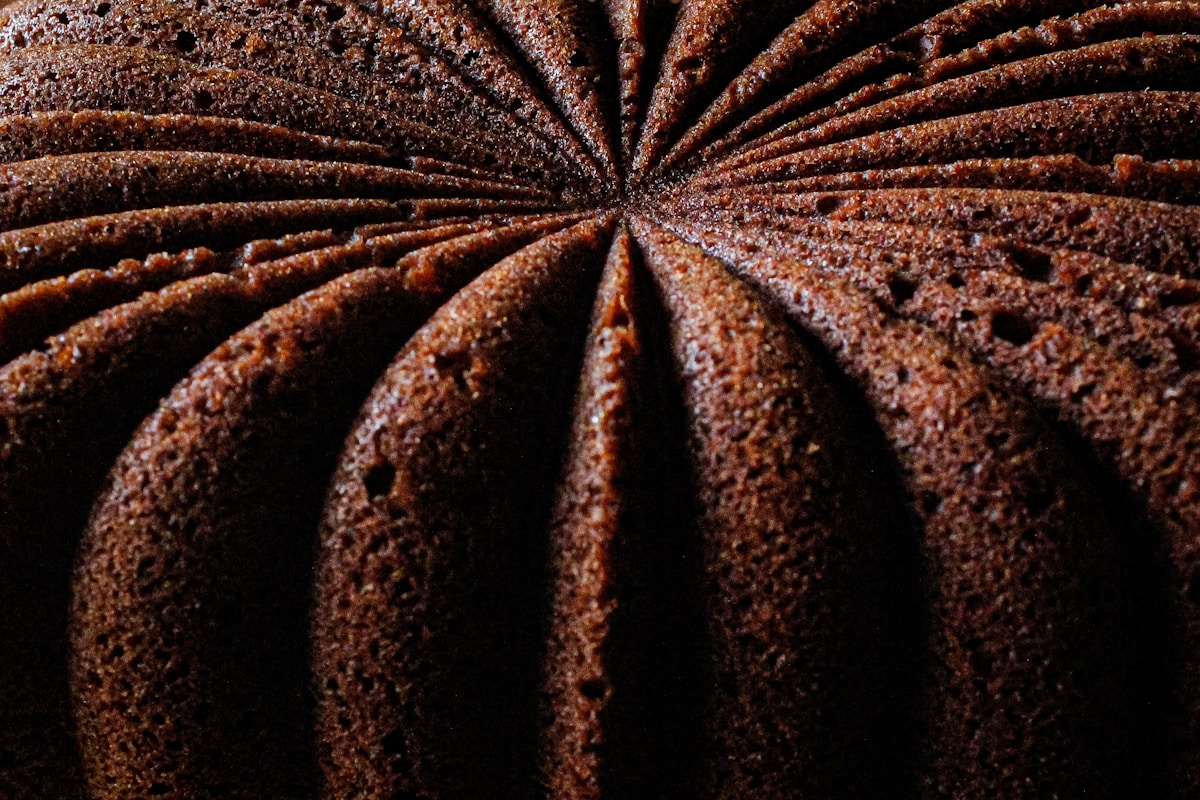
You have spent time mixing the batter, preheating the oven, and dreaming of that perfect Bundt cake. Then you flip the pan, and… half the cake stays glued to the metal. It is a kitchen heartbreak we all know. The worst part? Scraping out chunks, trying to patch them back together, and ending up with a pile of crumbs instead of a showstopper.

Why Does My Cake Dome and How Can I Level It Perfectly?

Why Does My Cake Dome and How Can I Level It Perfectly?

The Embarrassing Strawberry Cake Lesson

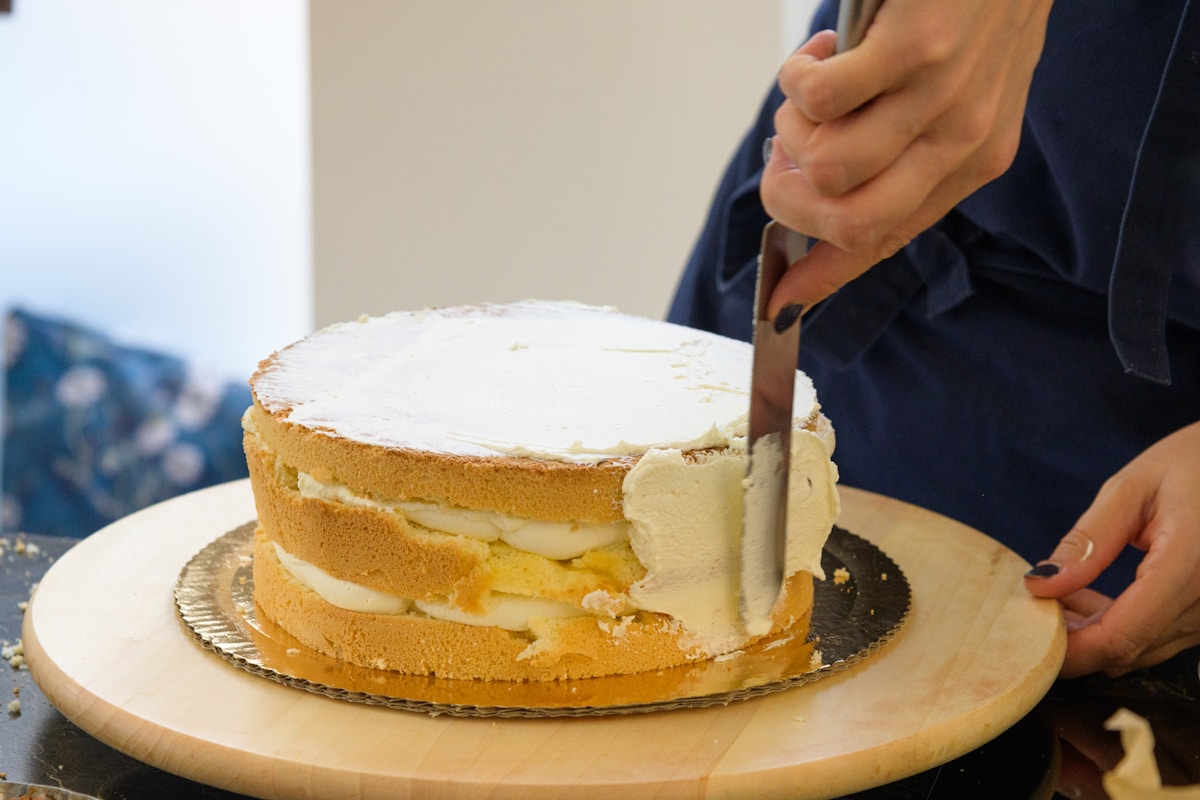
You spent hours baking a beautiful strawberry cake for your child’s teacher. You frosted it, refrigerated it, and delivered it with pride. The next day, you get a mortified text from the teacher about the cake’s unfortunate shape. This real-life story from Reddit’s r/Baking went viral because it’s a cautionary tale every baker needs to hear. The culprit? Untrimmed cake domes. (Trust me, this is a lesson you only need to learn once.)

How Do You Cut Lemon Bars Without Them Sticking and Falling Apart?

How Do You Cut Lemon Bars Without Them Sticking and Falling Apart?

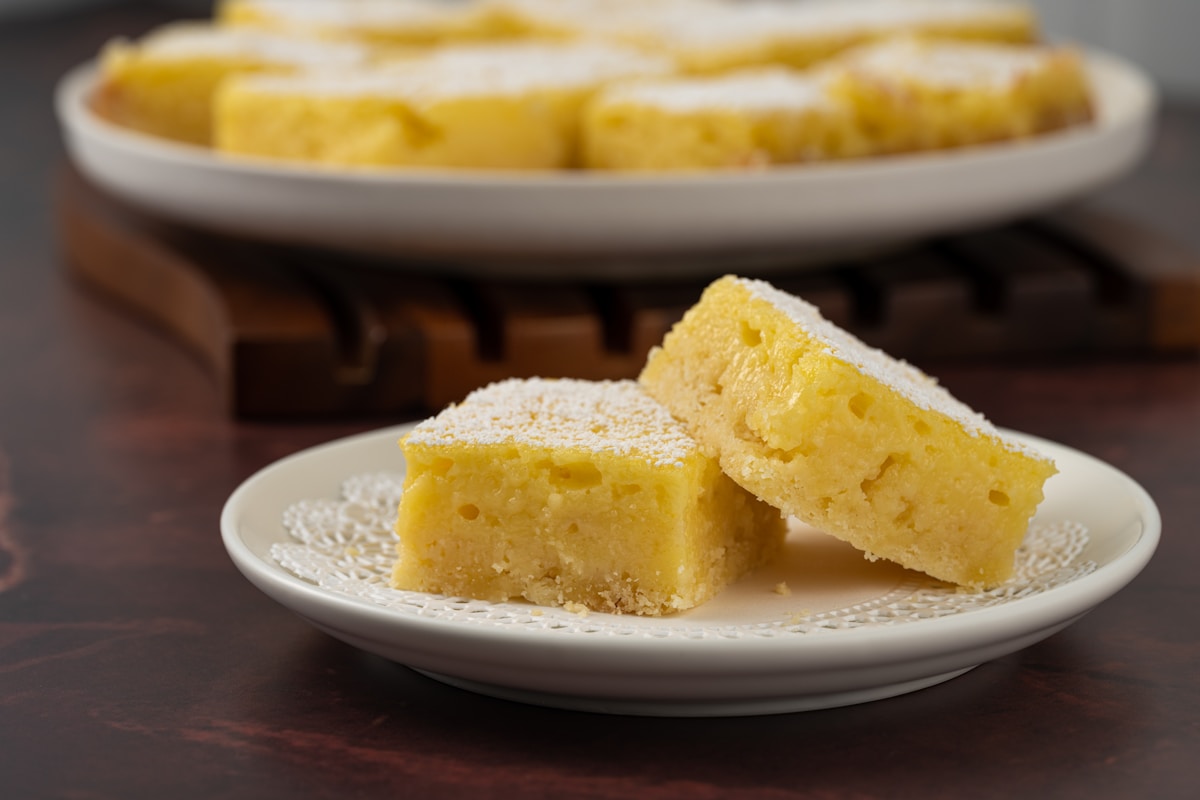
You pull a beautiful pan of lemon bars out of the fridge. The filling is perfectly set, the shortbread crust is golden, and the powdered sugar dusting looks like fresh snow. You grab a knife and confidently make the first cut — only to watch the sticky lemon curd drag across the blade, pulling the top layer apart and leaving behind a sad, smeared mess. Sound familiar? You are not alone. Cutting lemon bars cleanly has stumped home bakers and even professional pastry chefs for ages. In fact, a recent Reddit thread in r/KitchenConfidential showed servers laughing over a pan of lemon bars that was butchered during plating, then neatly fixed by a colleague. The caption simply read “No notes.” So what is the secret to getting those perfect, photogenic squares? It comes down to a few simple techniques that anyone can master. Let me walk you through them.

Can You Eat Raw Red Velvet Cake Batter Safely?

Can You Eat Raw Red Velvet Cake Batter Safely?

You pull the beaters out of the mixer, and there it is — that glorious ribbon of crimson velvet batter clinging to the metal. Your spoon hovers. Your stomach whispers, “Just one lick.” But then the memory of every food safety warning echoes in your head: raw eggs, raw flour, bacteria. Is there a way to have your batter and eat it too? The short answer is yes — if you know exactly how to make it safe. Let’s walk through exactly what the risks are and how to transform traditional red velvet batter into a completely edible treat you can eat by the spoonful without worry.

What Pan Makes the Best Crackly Top Brownies?

The Frustrating Search for That Perfect Crackly Top

You know the moment. You pull a pan of brownies out of the oven, the aroma of chocolate filling your kitchen, and you peek through the glass door with hope. But instead of that beautiful, shiny, crackled surface you see in bakery photos, you get a dull, flat top. Or worse: edges that are tough and burnt while the center is still gooey. I’ve been there. A lot of home bakers have been there. And when a recent post on the Baking subreddit went viral showing someone finally nailing that crackly crust after multiple attempts, it sparked a massive discussion. The secret, as it turns out, isn’t just about the recipe or the oven temperature — it’s about your pan.

Can You Really Bake and Decorate a Cake on the Same Day?

Can You Really Bake and Decorate a Cake on the Same Day?

We’ve all been there. That sudden jolt of realization—the birthday you forgot, the bake sale you promised to contribute to, or the sudden craving for a celebratory slice of homemade goodness. The clock is ticking, and the age-old baker’s wisdom whispers in your ear: “A cake needs to cool completely.” It’s a rule as fundamental as preheating your oven. But what happens when you just don’t have the luxury of time?

How Do I Bake Multiple Cake Layers Evenly in One Oven

How Do I Bake Multiple Cake Layers Evenly in One Oven

It’s a moment every home baker knows. You’ve measured with precision, creamed your butter and sugar into a fluffy cloud, and gently folded in your flour. Your batter is perfect. You divide it evenly between three identical pans, slide them into your preheated oven, and set the timer, dreaming of the perfectly stacked layer cake to come.

What Is The Best Way To Stabilize Whipped Cream Frosting?

What Is The Best Way To Stabilize Whipped Cream Frosting?

There’s a uniquely heartbreaking moment in baking that many of us know too well. You’ve baked a perfect cake, cooled it, and frosted it with what looked like luscious, billowy clouds of whipped cream. But an hour later, you see it: the slump. The once-sharp piped edges are softening, and a sad, watery puddle is forming at the base. Your masterpiece is weeping.

How Do I Keep My Sourdough Starter Alive When I Can't Bake?

How Do I Keep My Sourdough Starter Alive When I Can't Bake?

A sourdough starter is a beautiful thing. It’s a living, breathing culture of wild yeast and bacteria that transforms simple flour and water into magnificent bread. But let’s be honest—it can also feel like a demanding pet. It needs to be fed on a strict schedule, and the thought of leaving it for a vacation or just taking a baking hiatus can bring on a surprising amount of guilt.

How Can I Get Perfectly Flat and Even Cake Layers Every Time

How Can I Get Perfectly Flat and Even Cake Layers Every Time

You’ve done everything right. You followed the recipe to the gram, used room temperature eggs, and sifted your flour. You divide the batter perfectly between three identical pans and slide them into your preheated oven with a hopeful heart. Thirty minutes later, you pull them out and face the classic baker’s frustration: one cake is perfectly flat, one has a dome worthy of a national monument, and the third looks like a geological slump.

Is an Inaccurate Oven Secretly Ruining All Your Baking?

Is an Inaccurate Oven Secretly Ruining All Your Baking?

You did everything right. You followed the recipe for your grandmother’s famous chocolate chip cookies to the letter. You used good butter, you chilled the dough, you preheated the oven to exactly 350°F. You set the timer. But when the buzzer rings, you pull out a tray of disappointment. The edges are dark brown, almost burnt, while the centers look pale and gooey. You break one open, and sure enough, it’s raw dough inside.

How Can I Make My Lemon Desserts Taste More Lemony

How Can I Make My Lemon Desserts Taste More Lemony

There are few kitchen disappointments quite as sharp as pulling a gorgeous, golden-domed lemon loaf from the oven. The entire house smells like a sun-drenched citrus grove. You let it cool, slice into it with anticipation, and take a bite… only to be met with a vague, ghostly whisper of lemon. It’s sweet, it’s cake, but where did that incredible flavor go?

How Do You Know When An Apple Pie Is Perfectly Baked

How Do You Know When An Apple Pie Is Perfectly Baked

There are few kitchen moments more deflating than pulling a magnificent, golden-brown apple pie from the oven, only to slice into it and find a watery, crunchy mess. The crust looked perfect, the kitchen smells divine, but the filling is a soupy disaster. This isn’t a failure of your baking spirit; it’s a simple, common miscalculation of doneness.

Why Are My Homemade Cakes So Sweet And How Can I Fix It?

Why Are My Homemade Cakes So Sweet And How Can I Fix It?

Have you ever spent an afternoon in the kitchen, lovingly measuring flour, creaming butter and sugar, and watching your beautiful cake layers rise perfectly in the oven, only to take that first proud bite and think… wow, that is sweet. So sweet it makes your teeth ache. It’s a common moment of disappointment for home bakers, where the beauty of the cake on the plate doesn’t quite match the one-dimensional sugar bomb on the palate.

Why Are My Cake Layers Baking Unevenly in the Same Oven?

Why Are My Cake Layers Baking Unevenly in the Same Oven?

You followed the recipe to the letter. You measured your King Arthur flour with a scale, brought your eggs to room temperature, and creamed the butter and sugar until it was impossibly light and fluffy. You divided the batter perfectly between three identical pans. You set the timer, and the whole house filled with that glorious, warm vanilla scent.

Why Did My Swiss Meringue Buttercream Curdle or Turn Soupy

Why Did My Swiss Meringue Buttercream Curdle or Turn Soupy

There’s a moment of pure panic that every baker making Swiss meringue buttercream for the first time experiences. You’ve followed the instructions perfectly. You gently heated your egg whites and sugar, whipped them into a glorious, glossy meringue, and started adding the butter. Then, disaster strikes. Your beautiful fluff collapses into a greasy, soupy puddle, or it breaks into a lumpy, curdled mess that looks like cottage cheese.

How Can I Get Multiple Cake Layers to Bake Evenly in My Oven?

How Can I Get Multiple Cake Layers to Bake Evenly in My Oven?

That Sinking Feeling of Uneven Cakes

We’ve all been there. You’ve followed the recipe for that three-layer birthday cake to the letter. You meticulously measured your flour, creamed the butter and sugar into a pale, fluffy cloud, and gently folded in your dry ingredients. You divide the batter with the precision of a scientist, pouring equal amounts into three identical pans. You place them in the preheated oven with high hopes. When the timer dings, you pull them out, and your heart sinks.

Why Is My Apple Pie Filling Always Watery and How Do I Fix It?

Why Is My Apple Pie Filling Always Watery and How Do I Fix It?

There are few kitchen heartbreaks as keen as pulling a beautiful, golden-brown apple pie from the oven, letting it cool with heroic patience, and then making that first slice… only to watch a watery, soupy filling flood the plate. The crust is perfect, the aroma is heavenly, but the filling has betrayed you. It’s a common frustration, but I want you to know it’s not a personal failure. It’s a chemistry problem. And like any good chemistry problem, it has a solution.

How Can I Master Concrete Ganache for Razor Sharp Edges?

How Can I Master Concrete Ganache for Razor Sharp Edges?

It’s a moment every aspiring cake decorator knows well. You’ve baked the perfect layers, whipped up a dreamy filling, and stacked it all with care. Now comes the finish. You apply your frosting, scraping and smoothing, hoping for that clean, professional look. But instead, you get slight bulges, a stubborn lean, and an edge that’s more rounded than sharp. It’s frustrating, and it feels like the one thing standing between you and a truly stunning cake.

Why Are My Apples Still Crunchy In My Apple Pie?

Why Are My Apples Still Crunchy In My Apple Pie?

There’s a specific kind of baking heartbreak that I know all too well. You’ve spent hours crafting the perfect, all-butter pie crust. It’s chilled, rolled, and crimped beautifully. The pie bakes to a glorious golden-brown, filling your kitchen with the scent of cinnamon and caramelized sugar. You let it cool (im)patiently, slice a generous wedge, and take that first anticipated bite.

Why Is There Always a Gap In My Apple Pie?

Why Is There Always a Gap In My Apple Pie?

There are few kitchen moments more satisfying than pulling a perfect, golden-brown apple pie from the oven. The buttery aroma fills the air, the crust is latticed beautifully, and you can just imagine the warm, spiced filling inside. But then comes the moment of truth: you cut that first slice, and your heart sinks. A cavernous gap has formed between the top crust and the shrunken, compacted apple filling.

How Can I Bake Three Perfect Cake Layers at Once?

How Can I Bake Three Perfect Cake Layers at Once?

It’s a moment every ambitious home baker knows. The timer chimes, and you pull three beautiful pans of cake from the oven, the aroma of vanilla and butter filling your kitchen. But a closer look reveals a frustrating reality: one layer is perfectly golden, another has a pale, sunken center, and the third is threatening to burn at the edges. The dream of a majestic, perfectly stacked three-tier celebration cake suddenly feels a bit wobbly.

How Do You Safely Bake With Foraged Dandelions?

How Do You Safely Bake With Foraged Dandelions?

Have you ever looked out at a lawn dotted with bright yellow dandelions and had a curious thought flicker through your mind? Not the usual, “Time to get the weed puller,” but something more… culinary. Could those sunny little flowers actually be food? The kitchen is a place of magic, after all, and I’m here to tell you that the answer is a resounding yes. Transforming this common “weed” into a delicate, delicious baked good connects us to a long history of foraging and finding flavor in the most unexpected places.

How Do You Make Whipped Cream Frosting Stable Enough for a Cake?

How Do You Make Whipped Cream Frosting Stable Enough for a Cake?

There’s a moment every baker knows. The cake layers are perfect—level and fragrant. The kitchen is filled with the sweet promise of dessert. You whip heavy cream into a billowy, ethereal cloud of perfect peaks. You fill your piping bag, apply the first beautiful rosette, and then… you watch in slow-motion horror as it begins to soften, slump, and weep. It’s a frustratingly common problem, but it’s not a mystery. It’s chemistry.

Can You Really Bake With Flowers From Your Garden

Can You Really Bake With Flowers From Your Garden

I was scrolling through a baking forum the other day and saw a photo that stopped me in my tracks: a tray of the most delicate, buttery-looking shortbread cookies, each one adorned with the bright yellow petals of a dandelion. It was simple, beautiful, and looked utterly delicious. My first thought was, “What a brilliant idea.” My second, more cautious thought was, “Is that… safe?”

How Do I Stop Crumbs From Ruining My Cake Frosting

How Do I Stop Crumbs From Ruining My Cake Frosting

There’s a moment every aspiring cake decorator knows well. You’ve done everything right. You followed the recipe to the gram, your cake layers baked up perfectly fragrant and moist, and you’ve whipped a bowl of luscious, cloud-like buttercream. You place the final layer on top, grab your offset spatula, and begin to apply that beautiful frosting. And then it happens.

Why does chopped chocolate make better cookies than chips

Why does chopped chocolate make better cookies than chips

Have you ever pulled a tray of perfectly round, golden-brown cookies from the oven, only to feel a tiny pang of disappointment? They look right, they smell incredible, but the texture is just… fine. The chocolate is there, in neat little dots, but it doesn’t have that soul-satisfying, molten, layered quality you find at a high-end bakery. You followed the recipe to the letter, so what went wrong?

Is Your Oven Secretly Sabotaging Your Baking?

Is Your Oven Secretly Sabotaging Your Baking?

You followed the recipe to the letter. You measured the flour correctly, used room temperature butter, and didn’t overmix the batter. You set the oven to a perfect 350°F (177°C), slid in your beautiful cake pan, and set the timer. But when the buzzer went off, you pulled out a disaster: a cake with burnt edges, a sunken, soupy middle, and a deep sense of betrayal.

How Do I Stop My Cookies from Burning on the Bottom?

How Do I Stop My Cookies from Burning on the Bottom?

It’s a moment every baker dreads. You smell it before you see it—that sharp, acrid scent of sugar turning to carbon. You pull the tray out of the oven and there they are: cookies with perfectly golden-brown tops, maybe even a little doughy, but with bottoms as black as charcoal. I saw someone mention this exact problem recently when their dandelion shortbread went from delicate to disastrous in a matter of minutes. It’s a common frustration, but I’m here to tell you it’s almost always a solvable one. And no, you don’t need to buy a new oven.

Is MSG the Secret to Unforgettable Chocolate Chip Cookies?

Is MSG the Secret to Unforgettable Chocolate Chip Cookies?

We’ve all been there. You pull a fresh tray of chocolate chip cookies from the oven. They smell divine, a perfect blend of butter, brown sugar, and vanilla. They look incredible, with molten chocolate pools and golden-brown edges. You take a bite… and it’s good. But it’s not transcendent. It’s missing that little something, that elusive depth that makes you close your eyes and say, “Wow.”

Why Is My Cookie Dough Sticking In My Wooden Molds?

Why Is My Cookie Dough Sticking In My Wooden Molds?

There’s a unique kind of kitchen heartbreak that comes from a beautiful tool producing a disappointing result. You have this gorgeous, intricately carved wooden cookie mold—maybe it’s a family heirloom—and you envision creating a batch of stunning, detailed chocolate cookies. Instead, you get shapeless blobs. The dough sticks, the pattern is lost, and your work of art becomes a work of frustration. I’ve been there, and I can tell you the problem isn’t the mold; it’s the chemistry of the dough.

Why Does My Oven Burn Everything And How Can I Fix It?

Why Does My Oven Burn Everything And How Can I Fix It?

You followed the recipe with the precision of a surgeon. You measured the King Arthur flour, creamed the butter and sugar until it was light and fluffy, preheated the oven to exactly 350°F (177°C), and set the timer. Yet, halfway through, the bittersweet smell of burning sugar begins to creep from the oven door. It’s a scent every baker dreads. You pull out the tray to find the heartbreaking reality: the tops of your cookies are pale and doughy, but the bottoms are blackened discs of charcoal.

How Thick Should I Slice Apples for a Perfect Pie Filling?

How Thick Should I Slice Apples for a Perfect Pie Filling?

It’s one of the most disheartening moments in baking. You pull a magnificent apple pie from the oven. The crust is a deep, golden-brown, flaky and glistening with sugar. The aroma is intoxicating. But when you slice into it, the truth is revealed: the apples are still stubbornly crunchy, or worse, they’ve collapsed into a formless, soupy mush.

How Can I Stop My Apple Pie Filling From Being Crunchy

How Can I Stop My Apple Pie Filling From Being Crunchy

There are few moments in baking more visually rewarding than pulling a perfectly golden-brown apple pie from the oven. The crust is flaky, the sugary top is caramelized, and the aroma fills your entire kitchen. You let it cool (mostly), slice into it with anticipation, and then you hear it: the unmistakable, unwelcome crunch of a raw apple.

How Can I Get More Lemon Flavor In My Baking?

How Can I Get More Lemon Flavor In My Baking?

Have you ever pulled a beautiful, golden lemon loaf from the oven, smelling the incredible promise of bright, zesty citrus, only to take a bite and find… disappointment? The aroma was all there, but the flavor was a whisper. It’s one of the most common frustrations in the kitchen. You followed the recipe, you used fresh lemons, yet the final product tastes more like a sweet cake with a vague hint of lemon than the vibrant dessert you imagined.

Why Is My Apple Pie Filling Crunchy And How Do I Fix It

Why Is My Apple Pie Filling Crunchy And How Do I Fix It

We’ve all been there. You pull a masterpiece from the oven. The crust is a perfect, flaky, golden-brown. The aroma of cinnamon and baked apples fills your kitchen. You slice into it, revealing a mountain of what should be tender, jammy fruit. But then you take a bite, and… crunch. Instead of luscious, yielding apples, you get a mouthful of firm, undercooked slices. It’s one of the most common and frustrating pitfalls in pie baking.

How Can I Fix My Broken Swiss Meringue Buttercream?

You’re standing in your kitchen. On the counter sits a beautiful, fragrant cake, cooled to perfection and ready for its final flourish. In the bowl of your stand mixer, however, is a baker’s nightmare: a grainy, separated mess that looks more like scrambled eggs and butter than the silky, cloud-like frosting you dreamed of. Your heart sinks. All that time, all those ingredients… should you just throw it out and start over?

When Should You Use Silicone Bakeware Instead of Metal Pans?

When Should You Use Silicone Bakeware Instead of Metal Pans?

You’ve been there. You followed the banana bread recipe to the letter. The whole house smells incredible. You pull it from the oven, admiring your work… but something’s off. Instead of a deep, golden-brown crust, the sides of your loaf are pale, a little damp, and weirdly soft. The bottom is cooked, but it never got that satisfyingly crisp texture. What went wrong?

How Do You Keep Blueberries From Sinking In a Cake?

How Do You Keep Blueberries From Sinking In a Cake?

Picture this: a golden-brown lemon blueberry loaf, fresh from the oven, filling your kitchen with the scent of citrus and warm sugar. You let it cool on a wire rack, slice into it with anticipation… and your heart sinks. Every last beautiful blueberry has plummeted to the bottom, creating a dense, soggy, slightly purple layer. It’s a classic baking heartbreak, but I’m here to tell you it’s one we can solve with a little bit of kitchen chemistry.

How Do I Bake Multiple Cake Layers Evenly at Once?

How Do I Bake Multiple Cake Layers Evenly at Once?

You’ve done everything right. You followed the recipe to the gram, your batter is silky smooth, and you’ve divided it perfectly between three gleaming 8-inch pans. This is going to be the birthday cake of dreams. You slide them into the preheated oven, set the timer, and wait for that magical, buttery aroma to fill the kitchen.

Why Does My Cake Bake Unevenly and How Can I Fix It?

Why Does My Cake Bake Unevenly and How Can I Fix It?

It’s a moment every baker knows. The timer chimes, and you pull three beautiful layers of cake from the oven. Except, they aren’t quite a matched set. One has a perfectly flat top. Another has a domed, cracked peak like a tiny volcano. And the third is golden brown on one side and pale on the other. It’s a frustratingly common problem, but it’s not a sign of failure. It’s a sign of chemistry at work, and once you understand the variables, you can control them.

How Can I Stop My Apple Pie Crust From Getting Soggy?

How Can I Stop My Apple Pie Crust From Getting Soggy?

There’s a moment every pie baker knows. The pie looks magnificent coming out of the oven—a golden, flaky top crust, sugar glistening, fragrant steam puffing from the vents. You let it cool, you slice into it, you lift out that first perfect wedge, and… there it is. The heartbreakingly pale, damp, and flimsy bottom crust.

Can You Use Buttercream and Cream Cheese Frosting on the Same Cake?

Can You Use Buttercream and Cream Cheese Frosting on the Same Cake?

You’ve done it. You’ve baked the most tender, fragrant lemon cake layers imaginable. In one bowl, you have a silky, stable vanilla bean buttercream. In another, a tangy, luxurious cream cheese frosting just begging to be paired with fresh blueberries. The dream is to combine them—a sturdy, pipeable exterior with a soft, decadent filling. But then the fear creeps in: the dreaded frosting bulge.

Is Your Oven Secretly Lying About Its Temperature?

Is Your Oven Secretly Lying About Its Temperature?

You did everything right. You measured the flour meticulously, creamed the butter and sugar until it was fluffy and pale, and chilled the dough for exactly one hour. You arranged your perfect shortbread cookies on the baking sheet, slid them into the preheated oven, and set a timer. Yet, when the timer dinged, you were greeted not by golden-edged perfection, but by a tray of dark brown, borderline-burnt disappointments.

How Do I Make Thick Chewy Bakery Style Cookies at Home?

How Do I Make Thick Chewy Bakery Style Cookies at Home?

That Sinking Feeling

You’ve done everything right. You followed the chocolate chip cookie recipe to the letter. You creamed the butter and sugar until fluffy, added the eggs one at a time, and lovingly folded in the chocolate. Yet, when you pull the baking sheet from the oven, you’re greeted not by thick, glorious, bakery-style pucks, but by thin, crispy, and frankly, disappointing wafers. If this sounds familiar, you’re not alone. The quest for that perfect, thick, gooey-in-the-middle cookie is a common baking challenge, but the solution lies not in magic, but in science.

How Do You Prepare Dandelions For Baking Without Bitterness

How Do You Prepare Dandelions For Baking Without Bitterness

There’s a certain magic to the idea of turning a yard full of sunny dandelions into a delicate, floral batch of cookies. You picture yourself, basket in hand, gathering nature’s bounty. But for many aspiring foragers, that idyllic scene ends with a disappointing, bitter bite. The truth is, the line between a uniquely delicious baked good and a botanical mistake is razor-thin, and it all comes down to preparation.

How Can You Make Baking Your Own Birthday Cake Easier?

How Can You Make Baking Your Own Birthday Cake Easier?

There’s a special kind of magic that swirls around a birthday cake. It’s more than just sugar, flour, and eggs; it’s the centerpiece of a celebration, the keeper of wishes, the sweet culmination of another year gone by. And every year, as a special day approaches, you might find yourself standing in the bakery aisle, contemplating the rows of perfectly polished, store-bought cakes. They’re convenient, yes. But do they tell a story?

Will Chopped Chocolate Really Make My Cookies Better Than Chips?

Will Chopped Chocolate Really Make My Cookies Better Than Chips?

Have you ever baked a batch of chocolate chip cookies, pulled them from the oven, and felt a tiny pang of disappointment? They smell incredible, the edges are golden, but the chocolate is… restrained. The chips sit there, perfectly formed, almost stubbornly refusing to melt into the gooey, decadent puddles you see in bakery display cases. It’s a common frustration, but I’m here to tell you it’s not your fault. The secret isn’t in a complicated recipe; it’s in the chocolate itself.

What Is the Best Way to Infuse Fruit Into Cake Layers

What Is the Best Way to Infuse Fruit Into Cake Layers

Have you ever spent hours baking a beautiful, sky-high layer cake, studded with what you hoped would be vibrant fresh fruit, only to cut into it and find the flavor disappointingly faint? Or worse, the layers are slipping and sliding from a watery filling. It’s a common frustration that separates good home baking from a truly professional-quality dessert. The visual promise of fresh fruit often doesn’t translate into intense flavor, and we’re left wondering where we went wrong.

Does MSG Really Make Chocolate Chip Cookies Taste Better?

Does MSG Really Make Chocolate Chip Cookies Taste Better?

There’s a universal quest among bakers for the ‘perfect’ chocolate chip cookie. We chase that elusive balance of chewy center, crisp edge, buttery richness, and deep chocolate flavor. We chill our dough for 72 hours, we use expensive European butter, we sprinkle on flaky sea salt. But what if the next leap forward in cookie perfection wasn’t in the butter or the flour, but in a small jar of white crystals typically found in the spice aisle next to the bouillon cubes?

What Happens When You Bake a Cake with Jell-O Mix

What Happens When You Bake a Cake with Jell-O Mix

Every baker has a box of it tucked away in the pantry. That small, colorful box of Jell-O gelatin mix, usually destined for a jiggly dessert. But for years, whispers in baking communities have championed a more radical use for it: as a secret ingredient in cake batter. The promise? Impossibly vibrant colors and fruit flavors so intense they put standard extracts to shame. But this isn’t just a simple mix-in. Swapping a core structural ingredient like sugar for a gelatin-based powder is a fascinating chemical experiment. As a baker who believes understanding the ‘why’ is as important as the ‘how,’ I had to put this kitchen hack under the microscope. What really happens when you bake with Jell-O? Let’s break down the science of this colorful shortcut.

Why Do Some Chocolate Cake Recipes Not Need Eggs?

Why Do Some Chocolate Cake Recipes Not Need Eggs?

Have you ever stumbled upon a chocolate cake recipe, maybe a classic one from the back of a cocoa powder tin, and done a double-take? You scan the ingredient list: flour, sugar, cocoa, oil, water… but no eggs. It feels like a typo, a critical omission. For most of us, it’s baking 101: eggs provide structure, lift, and richness. How could a cake possibly work without them?

Why Is My Brown Sugar Turning White Around Its Terracotta Bear?

Why Is My Brown Sugar Turning White Around Its Terracotta Bear?

You reach for the brown sugar, dreaming of warm, chewy chocolate chip cookies with those delightful pockets of caramelization. You open the container, proud that you remembered to use that cute little terracotta bear to keep it soft. But instead of fluffy, scoopable sweetness, you find something strange: a weird, white, crystalline halo forming around the bear, while the rest of the sugar is maybe a little… damp.

Can I Really Bake Fluffy Dinner Rolls From Scratch

Can I Really Bake Fluffy Dinner Rolls From Scratch

Close your eyes and picture it: the restaurant bread basket arrives at your table. It’s filled with warm, impossibly soft rolls that gleam under the lights. You tear one open, steam escapes, and a pat of butter melts instantly into its pillowy center. For years, I thought that kind of magic was reserved for professional bakers with giant mixers and secret ingredients.

Are My Stuffed Cookies Raw or Just Perfectly Gooey Inside?

Are My Stuffed Cookies Raw or Just Perfectly Gooey Inside?

There’s a unique moment of baker’s anxiety that I know all too well. You’ve just pulled a tray of magnificent stuffed cookies from the oven—maybe they’re cream cheese-filled red velvet or molten Nutella-stuffed chocolate chip. They look perfect: golden brown, slightly crackled, and smelling divine. You wait just long enough not to burn your fingers, break one open, and your heart sinks. The center looks… wet. Is it the luscious, molten filling you dreamed of, or is it a gooey, underbaked, salmonella-in-waiting disaster?

Why Is My Banana Bread Gummy and Dense on the Bottom?

Why Is My Banana Bread Gummy and Dense on the Bottom?

There’s a unique kind of kitchen disappointment that every baker knows. You pull a loaf of banana bread from the oven. The top is a perfect, craggy dome of caramelized brown. The aroma is intoxicating. You let it cool (mostly), slice into it with anticipation, and then you see it: the dreaded gummy layer. The top two-thirds of the slice are light and fluffy, but the bottom third is a dense, damp, and distinctly unappealing stratum. What went wrong?

How Do You Make Rainbow Sherbet Cookies Without The Colors Turning Muddy

How Do You Make Rainbow Sherbet Cookies Without The Colors Turning Muddy

Have you ever seen a picture of perfect rainbow sherbet cookies, with their brilliant swirls of pink, orange, and lime green, and thought, “I have to make those!”? It’s a feeling I know well. The kitchen calls, promising a vibrant, edible celebration of spring. But there’s always that little voice of doubt, isn’t there? The one that whispers fears of a brownish-gray blob, the sad result of colors bleeding together, and a cookie that’s more tough than tender.

How Do Bakeries Get Chocolate Chip Cookies So Perfectly Chewy

How Do Bakeries Get Chocolate Chip Cookies So Perfectly Chewy

We’ve all been there. You follow a chocolate chip cookie recipe to the letter, dreaming of those thick, chewy discs of perfection you get from a high-end bakery. Instead, you pull a tray of flat, crispy saucers or puffy, cake-like mounds from the oven. It’s a common kitchen frustration, but I’m here to tell you that the cookie of your dreams is not out of reach. The difference isn’t magic; it’s chemistry.

How Can I Bake Cookies That Are Thin and Crispy Like Tate's?

How Can I Bake Cookies That Are Thin and Crispy Like Tate's?

There are few kitchen disappointments more acute than pulling a tray of what looks like perfect chocolate chip cookies from the oven, only to find them soft, puffy, and almost cake-like the next day. You were aiming for that delicate, buttery, shatteringly crisp texture you get from a brand like Tate’s Bake Shop, but you ended up with a cookie that’s more pillow than platform. What went wrong?