You’ve been there. You followed the banana bread recipe to the letter. The whole house smells incredible. You pull it from the oven, admiring your work… but something’s off. Instead of a deep, golden-brown crust, the sides of your loaf are pale, a little damp, and weirdly soft. The bottom is cooked, but it never got that satisfyingly crisp texture. What went wrong?
Chances are, you fell for the promise of the floppy, colorful silicone loaf pan. I get it. The marketing is fantastic: “perfect release every time!” and “no more greasing and flouring!” And while silicone bakeware has its place, it is absolutely not a one-for-one replacement for your trusty metal pans. Thinking of it that way is the fastest route to disappointing baked goods.
Here at Kitchen Fun, my job is to test the gear so you don’t waste your money. Let’s break down the science of silicone vs. metal, so you can learn when to reach for that flexible mold and when to stick with old-fashioned aluminum or steel. The right tool makes the job easier, and in baking, the pan is the tool.
The Silicone Promise vs. The Metal Reality
The fundamental difference between silicone and metal comes down to one thing: heat transfer. It’s the core concept that explains every success and every failure you’ll have with both materials.
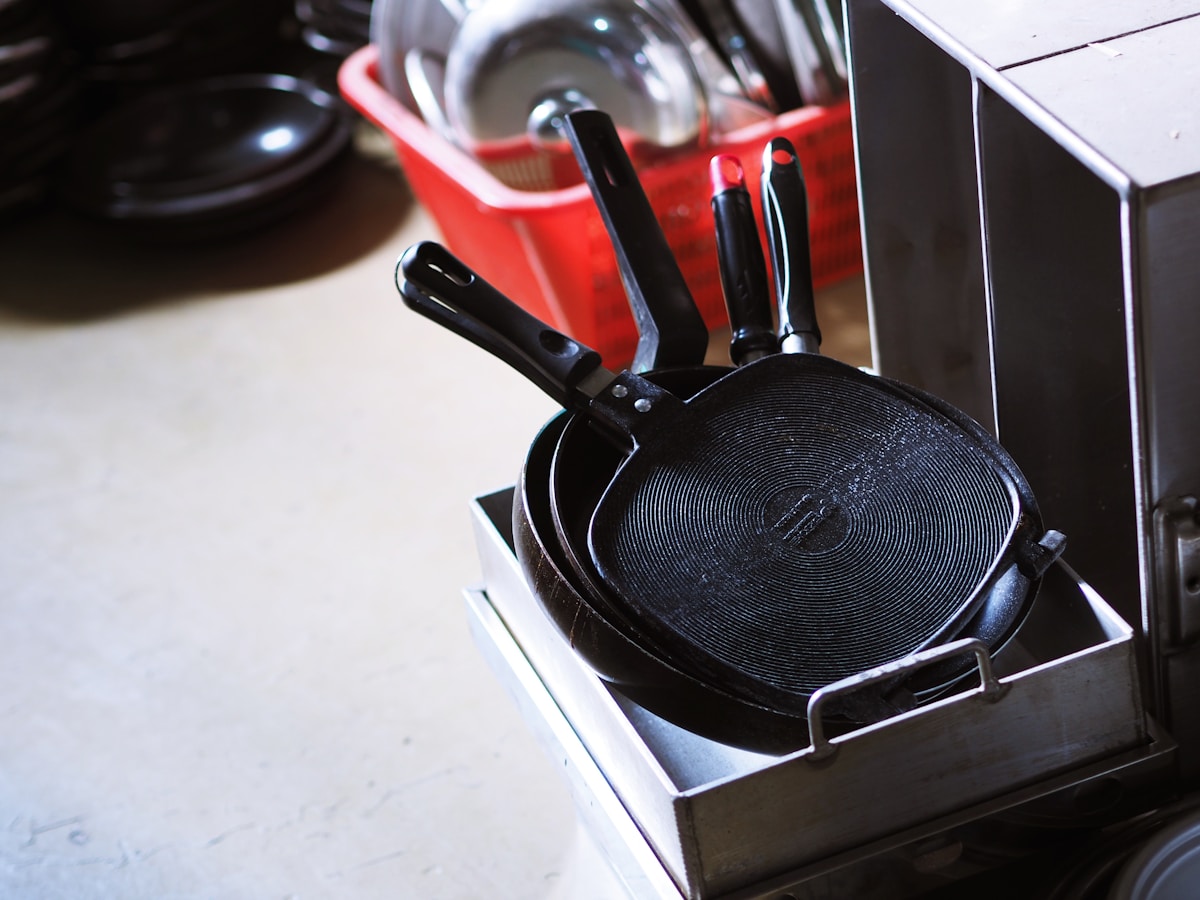
Your metal pans—whether they’re heavy-duty aluminum like the ones from Nordic Ware or simple aluminized steel sheet pans—are fantastic conductors of heat. When you put them in a hot oven, they get hot fast and transfer that energy directly and efficiently into your batter. This is what creates the Maillard reaction and caramelization, giving you those crisp edges, deep brown crusts, and the complex flavors we all crave in our baked goods. Think of a metal pan like a cast-iron skillet; it’s built for a hard, fast sear.
Silicone, on the other hand, is an insulator. It resists heat. It warms up slowly and transfers that energy gently and indirectly. Instead of aggressively browning the surface of your cake or bread, it sort of slowly coaxes it into being cooked. This is why the edges of that banana bread were pale and soft. The pan simply couldn’t get hot enough to create a real crust. It baked the bread from the inside, but steamed the outside. (Not a flavor combination I recommend.)
Understanding this single principle—metal is a conductor, silicone is an insulator—is the key. It tells you exactly which jobs are right for each.
When Silicone is the Undisputed Champion
Don’t throw out your silicone molds just yet. When used for the right tasks, their insulating properties and incredible flexibility are a massive advantage. Here are the situations where I always reach for silicone.
- Anything Frozen: This is silicone’s number one superpower. If you’re making no-bake cheesecakes, panna cotta, chocolate mousse, or homemade ice cream cakes, silicone is your best friend. Metal pans get rigid and brittle in the freezer, and getting a delicate dessert out in one piece is a nightmare. With a silicone mold, you can just peel the mold away from the frozen treat. It’s perfect, clean, and stress-free every time.
- Sticky & Delicate Items: Making homemade chocolates, caramels, or fruit gummies? Don’t even think about using a metal pan. These sticky, sugary concoctions will weld themselves to metal. Silicone’s non-stick surface allows you to pop them out with zero effort once they’ve set. The detailed molds, like those for small bundt shapes or fun figures, are also fantastic here.
- The Egg Bite Revolution: If you’ve tried to make those Starbucks-style sous-vide egg bites at home, you know silicone is essential. Whether you’re cooking them in an Instant Pot or baking them gently in the oven, a silicone mold is the perfect vessel. It cooks the eggs gently, preventing them from becoming rubbery, and the bites pop right out for easy meal prep. A great kitchen hack: you don’t need a sous vide machine. Just whisk 8 eggs with a 1/2 cup of cottage cheese (for creaminess), a cup of shredded cheese (like Gruyère), and your fillings (bacon, spinach, peppers). Pour into a greased silicone muffin pan placed on a baking sheet, and bake in a 325°F (163°C) oven for 20-25 minutes until set. They’ll be tender and delicious.
- Individual Portions (with a catch): Muffins and cupcakes are a great use for silicone. You can use individual silicone liners in a metal pan, which are reusable and fantastic. A full silicone muffin pan also works well because the small portion size allows them to cook through properly. But the catch is stability. You MUST place the floppy silicone pan on a rigid metal baking sheet before you fill it. (Your future self, not mopping up spilled batter from the oven floor, will thank you.)
When to Keep Your Silicone Pan in the Drawer
Now for the other side of the coin. For the love of good food, please do not use silicone for the following tasks. Your trusty metal pans are waiting.
- Any Kind of Bread: Sourdough, sandwich loaves, focaccia, dinner rolls, and even quick breads like the infamous banana bread need the intense, direct heat of a metal pan. This is what creates oven spring (the rapid rise when first placed in the oven) and develops a sturdy, flavorful crust. A loaf baked in silicone will almost always have a pale, soft, and slightly gummy crust. It’s a textural tragedy.
- Traditional Cakes: Layer cakes, sheet cakes, and bundt cakes rely on the rigid walls of a metal pan to help them climb and set their structure. The heat conductivity also ensures you get those lightly golden edges that pull away from the pan, which is a key indicator of doneness and adds a wonderful texture. A large silicone cake pan can bow outwards, creating a misshapen cake, and will leave you with pale, uninteresting edges.
- Anything That Needs Roasting or Crisping: This should be obvious, but it’s a common mistake. Never try to roast vegetables or meats in a silicone pan. Roasting requires high, dry heat to achieve caramelization. A silicone pan will trap moisture and steam your food, leaving you with a soggy, grey mess instead of crispy, golden-brown perfection. Stick to a heavy-duty metal sheet pan for this job.
My Rules for Buying and Using Silicone Bakeware
If you’re going to invest in some silicone pieces for the right jobs, follow these rules to make sure you’re spending your money wisely.
-
The Stability Rule: I’ll say it again because it’s the most important tip. Always place your silicone mold or pan on a sturdy metal baking sheet before filling it. Trying to move a full, wobbly pan of liquid batter is a recipe for disaster.
-
The Quality Test: Not all silicone is created equal. Cheaper molds can contain chemical fillers that you don’t want near your food. Do the pinch test: pinch and twist a part of the silicone. If it turns white, it contains fillers. High-quality, 100% food-grade silicone will retain its original color. Brands like Silpat, OXO, and GIR (Get It Right) produce reliable products. A cheap set of muffin liners might be $6, but a quality set for $12-15 is a much better long-term investment.
-
The Grease Debate: While silicone is very non-stick, it’s not foolproof, especially with egg-heavy dishes. I always give my silicone molds a quick spray with non-stick cooking oil or a light wipe with butter. It’s cheap insurance against any sticking and makes cleanup even easier.
-
The Cleaning Hack: Over time, silicone can develop a sticky, oily residue that’s hard to wash off. If this happens, don’t scrub it with abrasives. Instead, place the empty bakeware in a 350°F (175°C) oven for 10-15 minutes. This will warm up and loosen the polymerized oils. Then, carefully wash it in very hot water with a strong grease-cutting dish soap. It will come out feeling brand new.
So, is silicone bakeware a gimmick? No. Is it a universal replacement for your metal pans? Absolutely not.
Think of it as a specialist tool. You wouldn’t use a screwdriver to hammer a nail. In the same way, you shouldn’t use a silicone pan to bake a loaf of bread. But for your frozen desserts, egg bites, and homemade candies, it’s the best tool for the job. Keep your metal pans for anything that needs a crust, and you’ll have the best of both worlds.