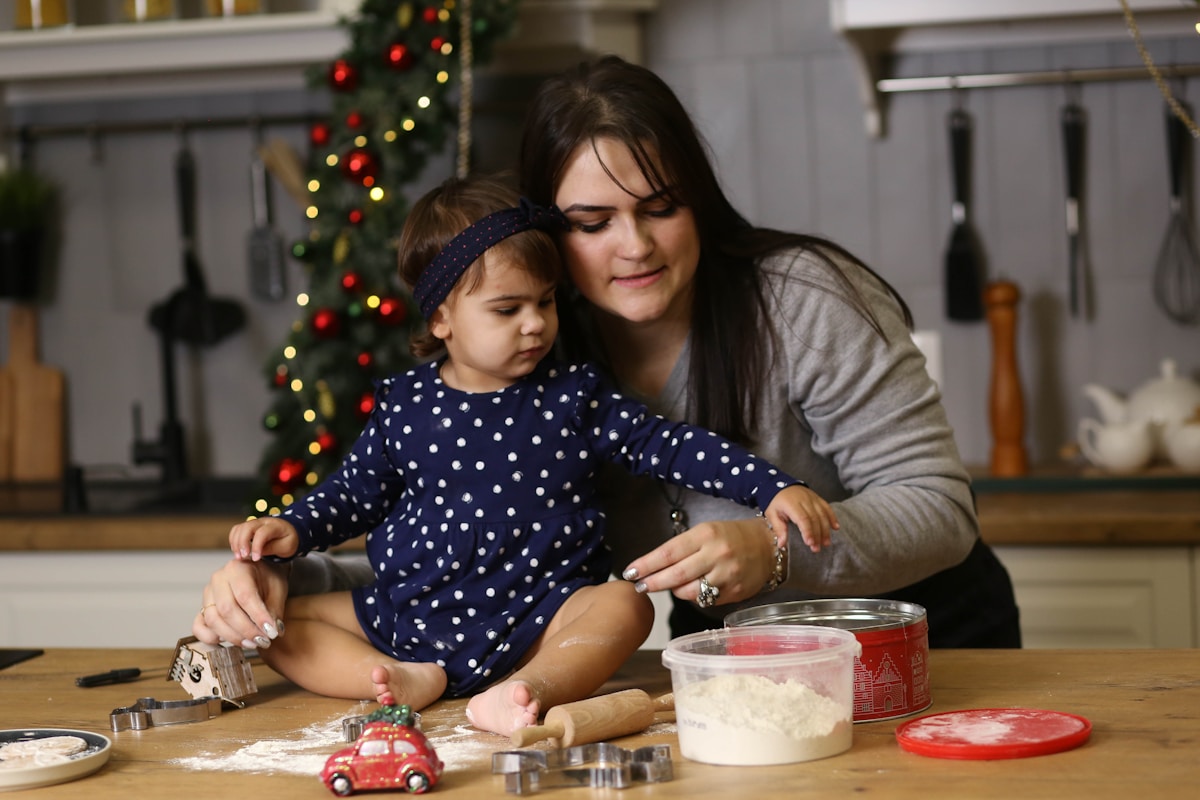
You know that moment. The baby is finally napping, you have a party to attend tomorrow, and all you want is to whip up a beautiful Bundt cake. But the second you open the pantry, the baby wakes up. Or you get halfway through measuring flour and need to tend to a diaper blowout. It feels impossible. I recently read a story from a Reddit baker who pulled it off with a seven-month-old in the house, and their secret wasn’t magic—it was strategy. Let me walk you through exactly how you can do the same.
The Reddit Inspiration and What We Can Learn
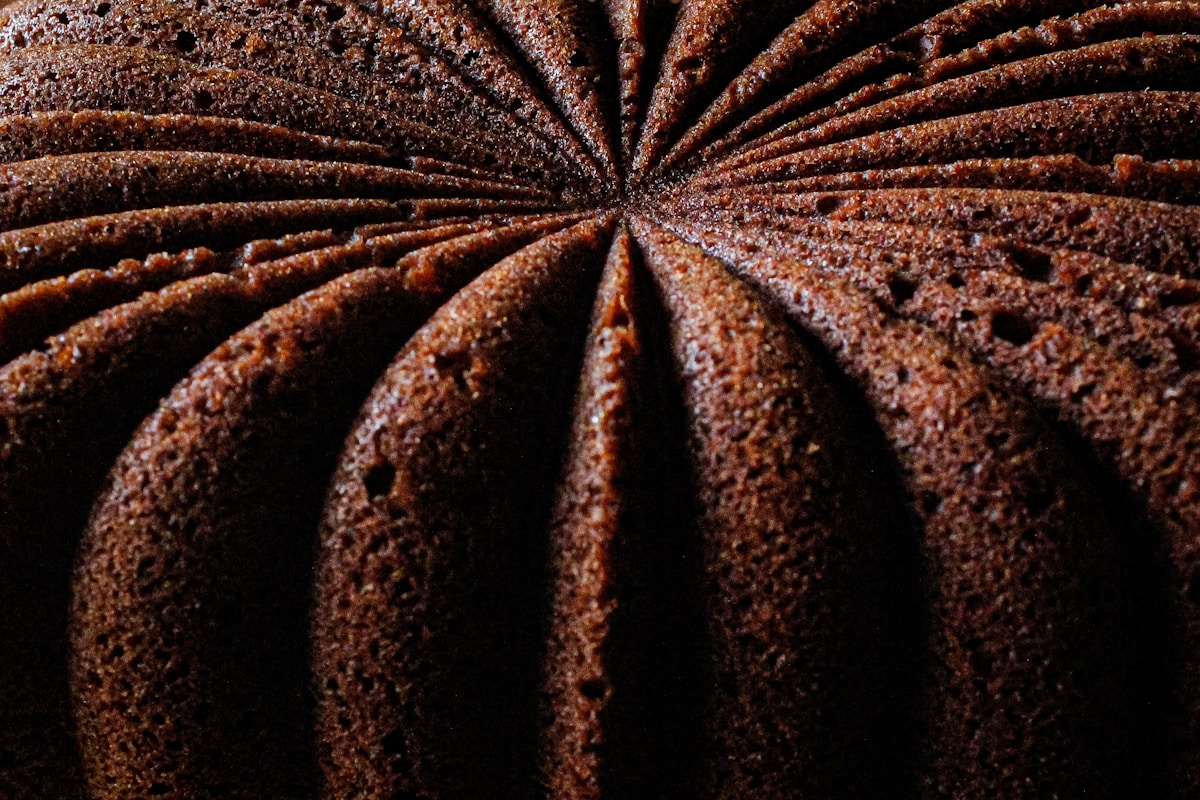
A parent on the baking subreddit shared their victory: they baked a Bundt cake for a party while caring for a seven-month-old baby. The cake released from the pan perfectly, no stuck bits, no crumbling. They used two boxes of cake mix to simplify the prep, greased the pan like they meant it, and credited patience for the flawless release. The comments section lit up with other experienced parents nodding along. One user said they always pre-measure dry ingredients the night before. Another swore by a silicone spatula for near-zero cleanup. And nearly everyone agreed on one critical detail: let the Bundt cake cool in the pan for exactly ten minutes before inverting. That single number made all the difference.
Setting Yourself Up for Success Before You Start
The key to baking with a baby is not to hope for uninterrupted time—it is to design your workflow around interruptions. Start by gathering everything you need. If you are using boxed mixes (and there is no shame in that—I use Betty Crocker or Pillsbury all the time), pull out both boxes, a large bowl, a whisk, a silicone spatula, and your Bundt pan. I prefer a Nordic Ware nonstick Bundt pan; it costs around 30 dollars and releases cakes reliably if you treat it right. Measure any wet ingredients—oil, eggs, water—and have them at room temperature before you begin. If your baby is awake and clingy, wear them in a carrier while you work. Many babies love the rhythm of mixing and the warm smell of vanilla. Just keep them away from hot surfaces and raw batter.
The Right Way to Grease a Bundt Pan for a Perfect Release
This is where most home bakers go wrong. You cannot just spray the pan with cooking spray and hope for the best. For a Bundt cake, especially a detailed Nordic Ware design, you need a thorough coating. Use a pastry brush to apply a thin, even layer of shortening—Crisco is the gold standard—making sure to get into every crevice. Then dust the pan with flour, tap out the excess, and refrigerate the pan for five minutes. That cool start helps the fat solidify and creates a barrier between the pan and the batter. If you are using nonstick spray, choose one that contains flour, like Baker’s Joy. And never use butter alone; the milk solids can burn and cause sticking.
Cooling Timing: The Ten-Minute Rule
Once the cake is baked at 350°F (175°C) for about 35 to 40 minutes for a standard Bundt, test it with a toothpick. If it comes out clean, set the pan on a wire rack and start the timer. Let it cool for exactly ten minutes—no less, no more. Too short and the structure is still fragile; too long and the steam condenses, making the cake stick. After ten minutes, place a cooling rack or serving plate on top of the pan, then confidently but gently flip it in one smooth motion. Do not shake or tap the pan. If the cake does not release immediately, wait another three to five minutes and try again. Patience, as the Reddit baker said, is everything.
Making Box Mix Work for You
Using two boxes of cake mix is a genius shortcut when your hands are full. Not only does it give you a taller, more impressive cake, but it also means fewer steps. Dump both boxes into a large bowl, add the extra eggs and oil called for on the box, and whisk by hand to avoid dragging out a stand mixer. For a 7-month-old who might need attention, hand mixing is quieter and easier to pause. One bowl means less cleanup. Plus, you can add fun mix-ins like mini chocolate chips or a teaspoon of almond extract to make it taste homemade. King Arthur Flour sells a spectacular vanilla cake mix if you want a premium option, but any brand will work.
Keeping the Kitchen Safe with a Baby Nearby
Safety comes first, always. If your baby is on the floor in a bouncer or play mat, keep them at least a few feet away from the oven and counters. Never hold a baby while pulling a hot pan out of the oven. Use oven mitts, set the hot pan on a trivet, and then tend to the child if needed. Store raw eggs and milk in the back of the fridge before you start, and keep the cake mix boxes closed when not in use. If you have to stop mid-step, cover the bowl with a clean towel and put it in the fridge. There is no rush. The cake will wait.
Realistic Expectations and Encouragement
Your cake might not look like the cover of a magazine. You might have a few cracks on the surface or a slight dip in the middle. That is perfectly fine—dust it with powdered sugar or a simple glaze and no one will know. The beauty of baking with a baby is that you are doing something for yourself while also modeling a love for cooking. Even if you have to pause three times to soothe a fussy infant, you are still creating something delicious. The Reddit baker ended up with a cake that slid out of the pan like a dream, and they felt proud not just of the cake, but of managing the chaos. You can do the same.
Final Tips and Tricks from the Trenches
- Pre-measure your dry ingredients the night before if you can. Store them in a sealed container so you can dump and go.
- Use a silicone spatula to scrape the bowl clean. It reduces mess and gets every last bit of batter into the pan.
- If your baby is teething, give them a chilled silicone spoon to gnaw on while you work. It buys you a few precious minutes.
- Clean up as you go. After you put the pan in the oven, wash the mixing bowl and put away ingredients. That way, when the cake is cooling, you are already done with the mess.
- And remember: every spill is a memory. The kitchen is where families grow together, and that includes the trial by fire of baking with a baby.
So can you bake a Bundt cake while caring for a 7-month-old? Absolutely. With a bit of planning, a good pan, and the patience to let it cool the right amount, you will have a beautiful cake and a funny story to tell. Happy baking.