Do I need a HACCP plan to sell cakes from home?

Do I need a HACCP plan to sell cakes from home?

You saw that Reddit post, didn’t you? A beginner baker proudly shares they’re starting a cake business from home, only to have a chef reply, “Don’t worry about licensing — just bake.” And then chaos erupts in the comments. Some people say you absolutely need a HACCP plan, others say cottage food laws make it optional. It’s confusing, and if you’re just starting out, that kind of conflicting advice can make you want to throw your apron in the trash. Let’s untangle this together.

Why Does My Chicken Release So Much Water When I Cook It?

Why Does My Chicken Release So Much Water When I Cook It?

You pull a beautiful, plump chicken breast from the package, season it with hope, and slide it into a hot pan. Within minutes, a sad puddle of white liquid pools around the meat. Instead of that sizzling, golden-brown crust you dreamed of, you get a pale, steamed, rubbery disappointment. If this sounds familiar, you are not alone. It happened to a Reddit user on r/Cooking recently, and the comments lit up with frustration and solutions. Let’s walk through why this happens and, more importantly, how to fix it so your chicken sears like a dream.

Can You Eat Raw Red Velvet Cake Batter Safely?

Can You Eat Raw Red Velvet Cake Batter Safely?

You pull the beaters out of the mixer, and there it is — that glorious ribbon of crimson velvet batter clinging to the metal. Your spoon hovers. Your stomach whispers, “Just one lick.” But then the memory of every food safety warning echoes in your head: raw eggs, raw flour, bacteria. Is there a way to have your batter and eat it too? The short answer is yes — if you know exactly how to make it safe. Let’s walk through exactly what the risks are and how to transform traditional red velvet batter into a completely edible treat you can eat by the spoonful without worry.

How Can You Safely Eat Raw Cake Batter?

How Can You Safely Eat Raw Cake Batter?

You are standing in your kitchen, spatula in hand, staring at the last streaks of glossy red velvet batter clinging to the mixing bowl. The cake is in the oven, but that leftover ribbon of batter looks so tempting. You know you shouldn’t eat it, but come on - just one lick? That moment of hesitation is exactly what this article is about. Recently, a Reddit user sparked an intense debate by posting a photo of a red velvet cake with a separate bowl of raw batter for dipping. They claimed it was safe because they had used pasteurized eggs. But the food safety experts in the thread were quick to point out a hidden danger: raw flour. This article will walk you through the real risks of raw cake batter and show you exactly how to make it safe enough to enjoy without worry. Let’s get started.

Is It Safe to Eat Broccoli That Has Turned Yellow

Is It Safe to Eat Broccoli That Has Turned Yellow

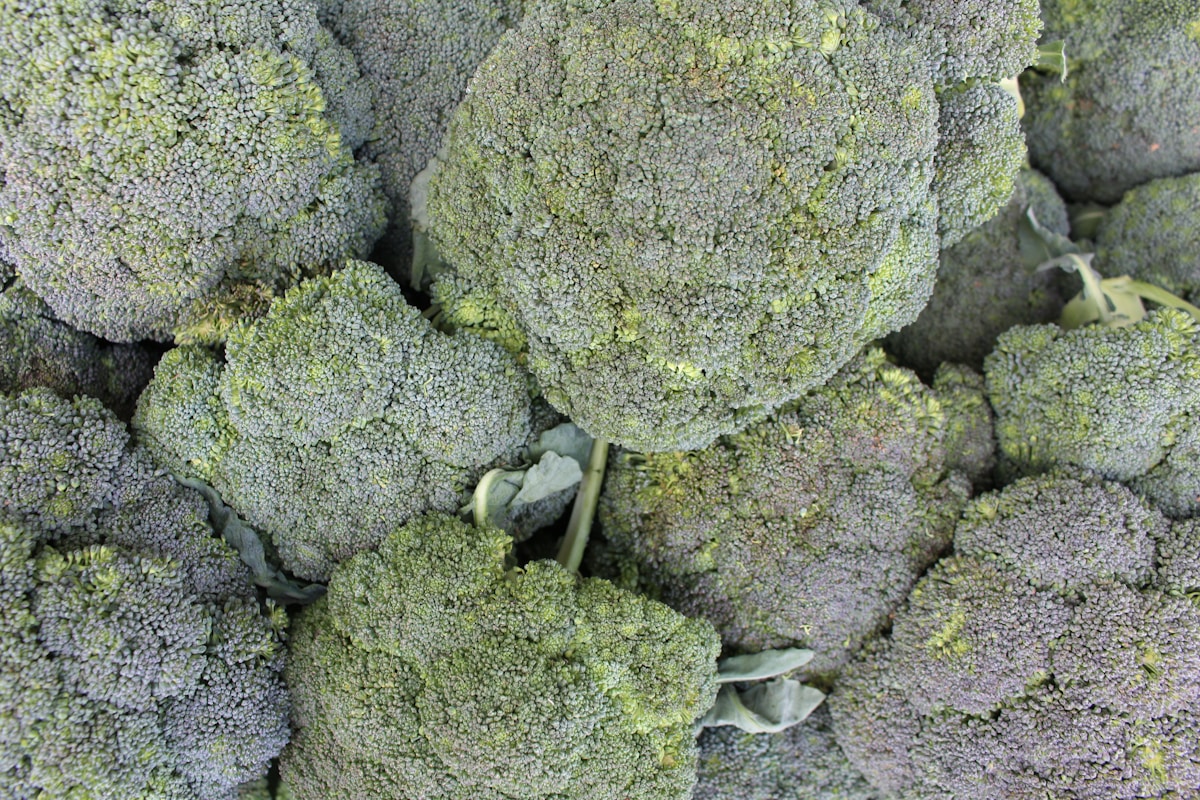
We’ve all been there. You open the crisper drawer with the best intentions, ready to make a healthy dinner, only to be greeted by a head of broccoli that looks… a little sad. The vibrant green florets you bought a few days ago are now tinged with yellow. The immediate question flashes through your mind: “Is this still good? Do I have to throw it out?”

How Do You Safely Bake With Dandelions From Your Garden

How Do You Safely Bake With Dandelions From Your Garden

It’s a familiar sight: a spring lawn, transformed into a sea of cheerful yellow dots. For many, the first instinct is to see a chore—a field of weeds to be dealt with. But what if I told you that lawn is also a pantry, and those dandelions are a delicate, edible flower with a flavor reminiscent of honey and sunshine? It sounds a bit magical, I know, but it’s pure kitchen science.

Can I Just Cut The Mold Off My Fruits And Vegetables?

Can I Just Cut The Mold Off My Fruits And Vegetables?

You reach into the crisper for that beautiful bell pepper you were planning for tonight’s stir-fry, and there it is. A small, fuzzy, white or bluish-green spot staring back at you. Your heart sinks a little. The immediate thought is, “Can I just… cut that part off?” We’ve all been there, holding a piece of produce, caught between wanting to avoid waste and worrying about food safety.

How Do You Safely Bake With Foraged Dandelions?

How Do You Safely Bake With Foraged Dandelions?

Have you ever looked out at a lawn dotted with bright yellow dandelions and had a curious thought flicker through your mind? Not the usual, “Time to get the weed puller,” but something more… culinary. Could those sunny little flowers actually be food? The kitchen is a place of magic, after all, and I’m here to tell you that the answer is a resounding yes. Transforming this common “weed” into a delicate, delicious baked good connects us to a long history of foraging and finding flavor in the most unexpected places.

Are Those USB Water Jug Pumps Actually Safe to Use

Are Those USB Water Jug Pumps Actually Safe to Use

I’ve done it. You’ve done it. We’ve all done that awkward, back-straining dance with a 5-gallon water jug, trying to hoist it onto a dispenser without creating a tidal wave in the kitchen. For years, the only alternative was a clunky, energy-guzzling water cooler that takes up precious floor space. Then, a few years ago, these tiny, USB-rechargeable water pumps started popping up everywhere online, promising a one-touch solution for under $25.

Can You Really Bake With Flowers From Your Garden

Can You Really Bake With Flowers From Your Garden

I was scrolling through a baking forum the other day and saw a photo that stopped me in my tracks: a tray of the most delicate, buttery-looking shortbread cookies, each one adorned with the bright yellow petals of a dandelion. It was simple, beautiful, and looked utterly delicious. My first thought was, “What a brilliant idea.” My second, more cautious thought was, “Is that… safe?”

How do you safely use foraged flowers in your baking?

How do you safely use foraged flowers in your baking?

There’s a certain magic in transforming a handful of wild petals into a delicate, flavorful cookie or a beautifully adorned cake. It feels elemental, connecting our modern kitchens to the natural world just outside our doors. But as a baker who believes that our craft is fundamentally about applied chemistry, I also know that this magic must be grounded in precision and safety. Incorporating foraged ingredients isn’t just about rustic charm; it’s about understanding botany, environment, and our own physiology.

Can You Really Bake With Dandelions From Your Yard?

Can You Really Bake With Dandelions From Your Yard?

You’ve seen them a thousand times: a constellation of bright yellow suns dotting a spring lawn. For most, the dandelion is a persistent weed. But for a baker, it’s an invitation to experiment. The question isn’t just can you bake with them, but how do you do it correctly to unlock their delicate, honey-like flavor without any of the bitterness?

How Long Can Delivered Food Safely Sit On My Counter?

How Long Can Delivered Food Safely Sit On My Counter?

That magical sound of the doorbell rings, and your delicious, hard-earned dinner has arrived. You bring the fragrant bag inside, set it on the counter, and then… life happens. The dog suddenly needs to go out, your phone buzzes with a call from your mom, you get pulled into a five-minute video on social media. Before you know it, an hour has passed.

How Can I Reheat Lobster Without Making It Rubbery

How Can I Reheat Lobster Without Making It Rubbery

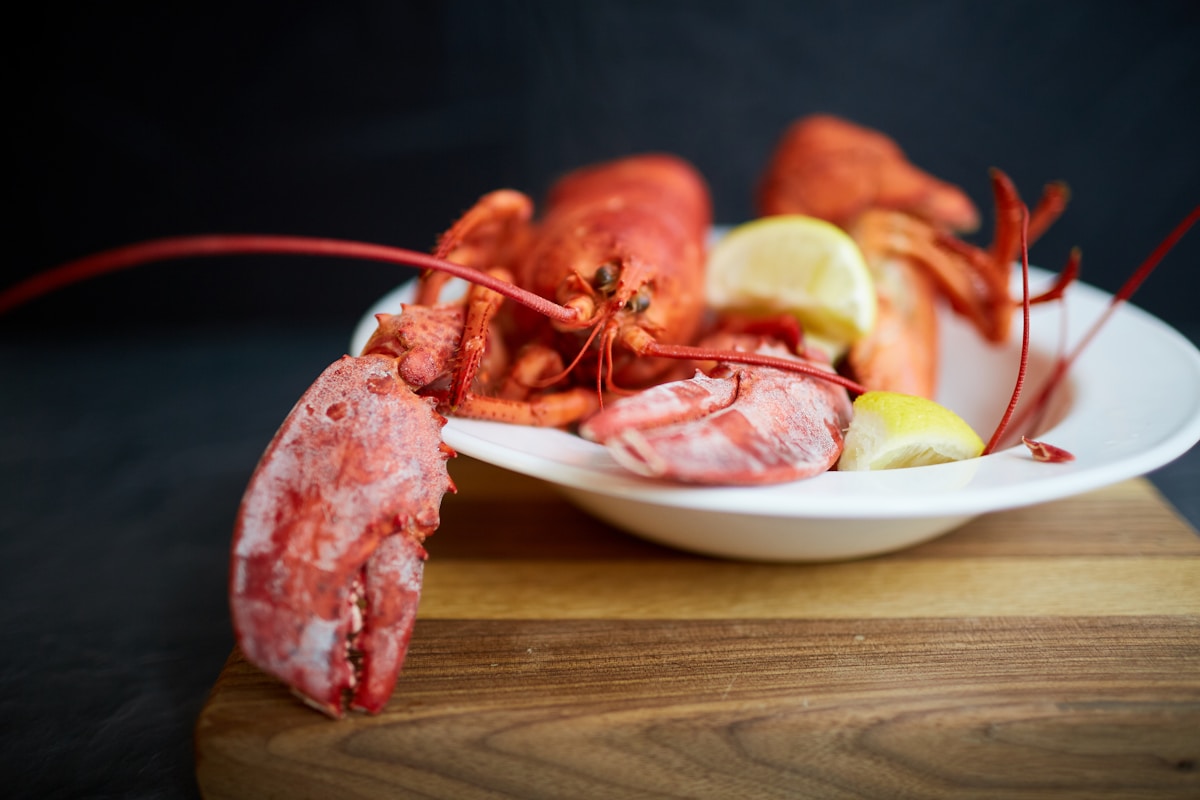
That little white takeout box in your fridge feels like it’s worth its weight in gold. Inside is the delicious remainder of a special lobster dinner. You were so excited to have it for lunch tomorrow, but now a tiny bit of panic is setting in. How do you reheat lobster without turning that sweet, tender meat into a sad, bouncy eraser?

Am I Making These Simple Mistakes In The Kitchen

Am I Making These Simple Mistakes In The Kitchen

I remember it so clearly. My first attempt at a “fancy” dinner for my friends. I was going to make a beautiful chicken and vegetable stir-fry. I had the recipe, I had the ingredients, and I had… a complete disaster. The chicken was pale and rubbery, and the vegetables were a sad, soggy pile swimming in a watery sauce. What went wrong?

What Can I Do With Broccoli That Has Turned Yellow?

What Can I Do With Broccoli That Has Turned Yellow?

We’ve all been there. You open the crisper drawer with the best intentions, reaching for that beautiful head of broccoli you bought a few days ago, only to find… it’s not quite as green as you remember. A few yellow blossoms are starting to peek through. Your heart sinks a little. Is it still good? Is it safe for the kids? Do you have to throw the whole thing out?

Can You Really Bake With Dandelions From Your Yard?

Can You Really Bake With Dandelions From Your Yard?

Have you ever looked out at a lawn blanketed in cheerful yellow dandelions and seen more than just weeds? Most of us have been trained to see them as a nuisance, a botanical problem to be solved. But for a curious baker, they represent an opportunity—a wild, edible ingredient with a surprisingly delicate, honey-like flavor profile just waiting to be explored.

How Do You Prepare Dandelions For Baking Without Bitterness

How Do You Prepare Dandelions For Baking Without Bitterness

There’s a certain magic to the idea of turning a yard full of sunny dandelions into a delicate, floral batch of cookies. You picture yourself, basket in hand, gathering nature’s bounty. But for many aspiring foragers, that idyllic scene ends with a disappointing, bitter bite. The truth is, the line between a uniquely delicious baked good and a botanical mistake is razor-thin, and it all comes down to preparation.

How Should I Organize My Fridge to Safely Store Raw Meat

How Should I Organize My Fridge to Safely Store Raw Meat

We’ve all been there. You get home from the grocery store, you’re tired, and the only goal is to win the game of Fridge Tetris as quickly as possible. The milk goes here, the eggs go there, and that package of raw chicken breasts? It gets squeezed onto whatever shelf has a free spot, maybe right next to the container of leftover pasta you plan on eating for lunch tomorrow.

Does It Really Matter Where I Store Raw Meat In My Fridge

Does It Really Matter Where I Store Raw Meat In My Fridge

Let’s be honest, we’ve all done it. You get home from the grocery store, arms full, and the only goal is to get everything put away so you can finally sit down. The milk goes where it fits, the bag of lettuce gets shoved onto a shelf, and that package of raw chicken breasts? It lands wherever there’s an open spot. You close the door, job done. But what if I told you that this quick, seemingly harmless habit could be one of the biggest food safety mistakes you can make in your own kitchen?

How Can You Safely Repurpose Fancy Leftovers at Home?

How Can You Safely Repurpose Fancy Leftovers at Home?

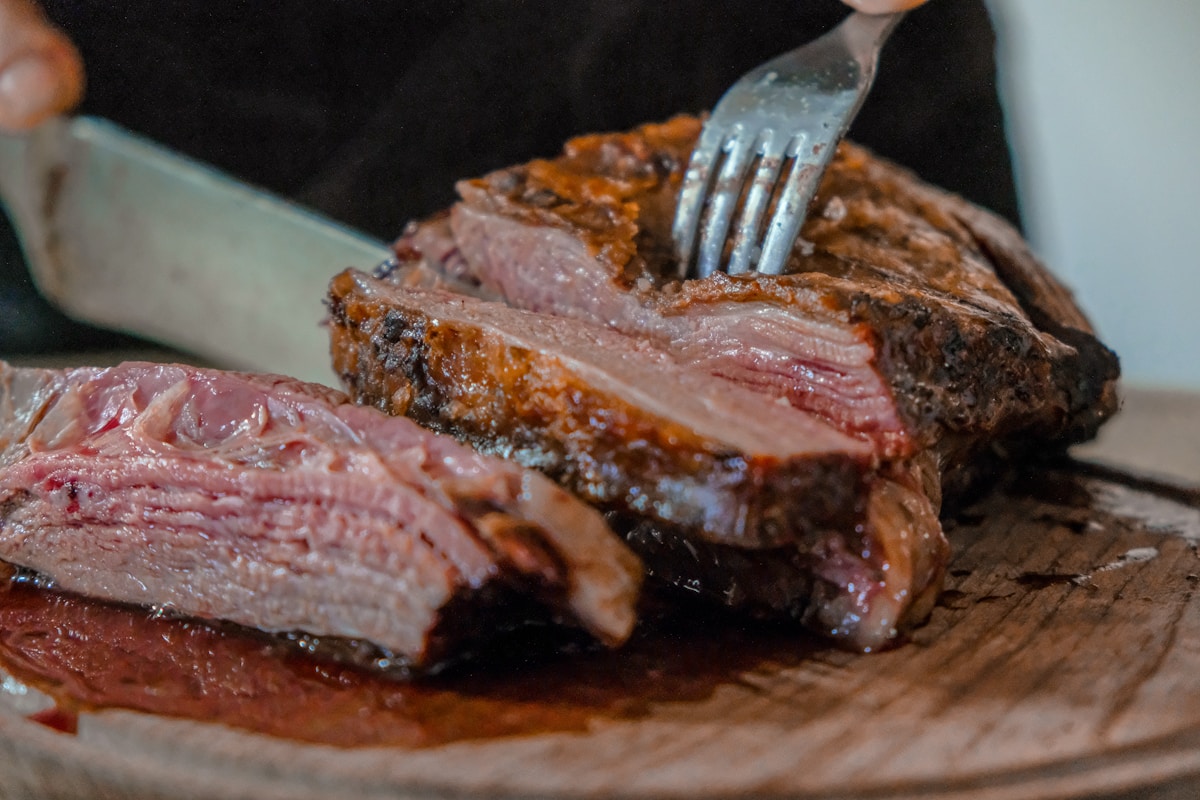
Have you ever stood in front of your open refrigerator the morning after a beautiful holiday dinner or a special party, staring at the remnants of a feast? There’s the last piece of perfectly roasted prime rib, a small bowl of delicate crab salad, and that incredible, complex sauce you spent hours on. Your heart says, “This is too good to waste!” but your mind whispers, “What on earth do I do with it?”

How Can I Tell If My Chicken Is Cooked Without It Being Dry

How Can I Tell If My Chicken Is Cooked Without It Being Dry

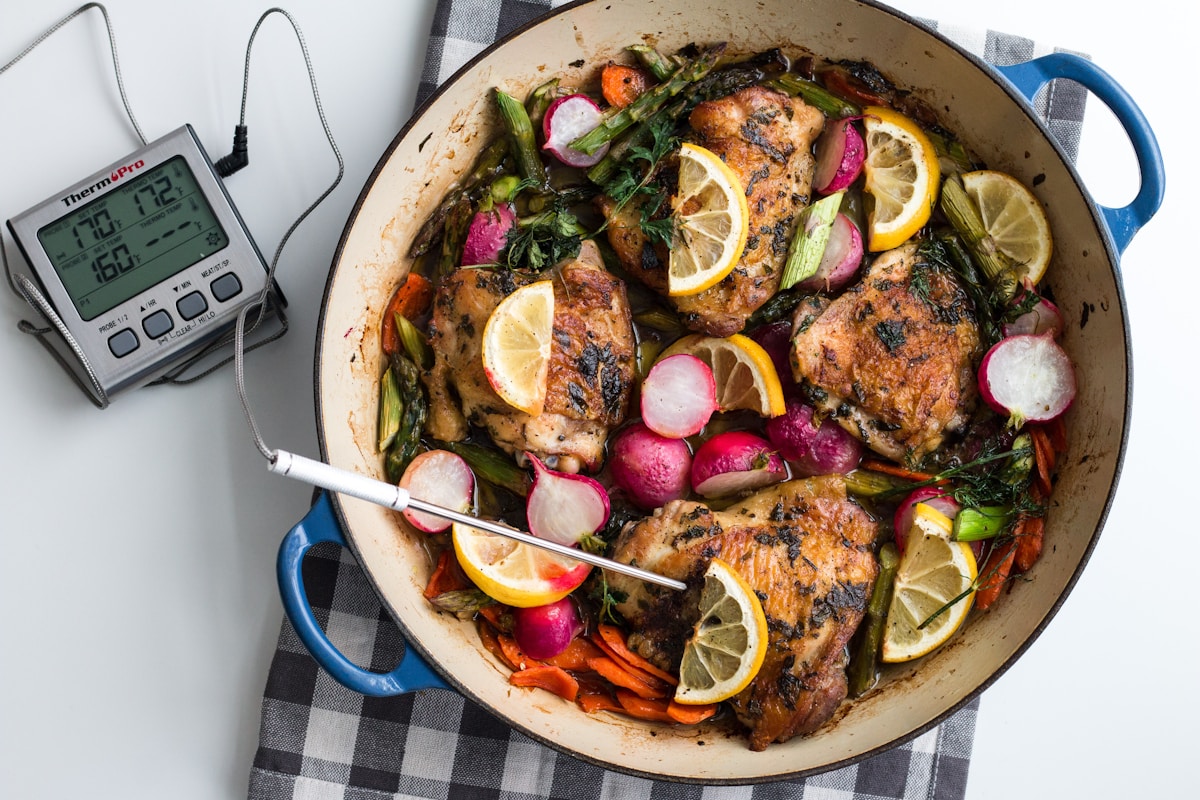
We’ve all been there. You’re standing over a skillet with a beautiful chicken breast, golden brown on the outside. You slice into it, heart pounding just a little. It looks… mostly white? But wait, is that a hint of pink right in the very center? The panic sets in. Visions of food poisoning dance in your head. So you do what seems sensible: you throw it back in the pan for another five minutes, “just to be safe.”

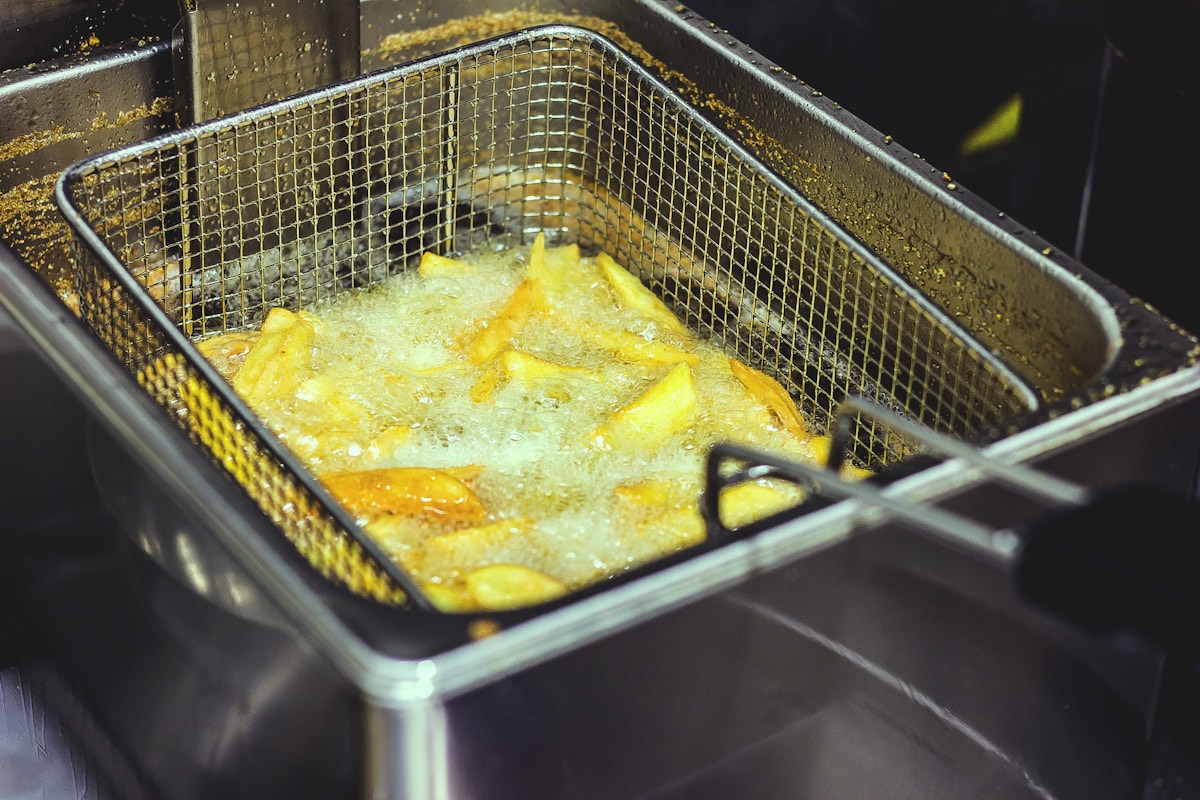
Why Is My Fried Food Always Soggy Instead of Crispy?

Why Is My Fried Food Always Soggy Instead of Crispy?

Have you ever been there? You’ve followed the recipe to a T. The chicken is perfectly breaded, the potatoes are cut into beautiful batons, the doughnuts are proofed and ready. You gently lower your masterpiece into a shimmering pot of hot oil, expecting a sizzle and a glorious golden-brown transformation. Instead, you get… well, a sad, oily sponge. Or worse, a burnt-on-the-outside, raw-on-the-inside tragedy.

I Don't Care, I Eat Pig Just as Usual

I Don't Care, I Eat Pig Just as Usual

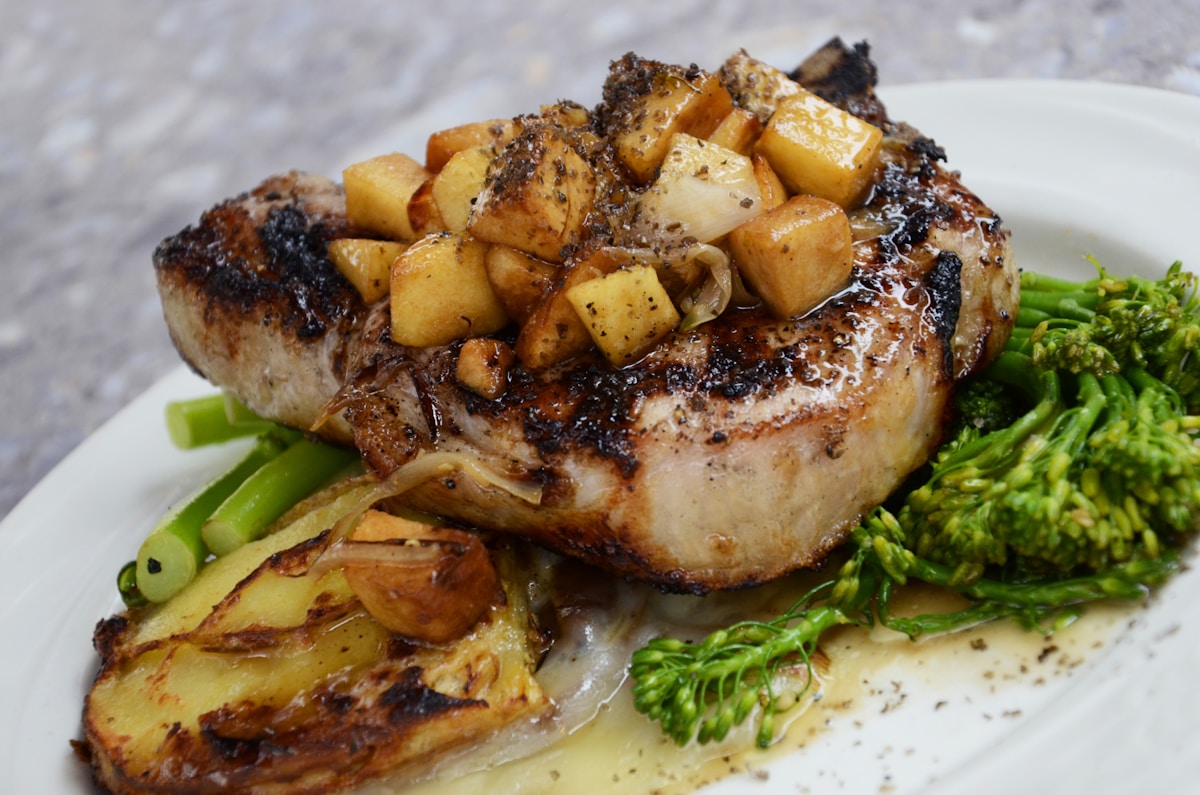
When pigs catch up with this new flu virus, they will just endure it like a common flu — unlike humankind, who would be likely to die if they go untreated. Yet somehow, it’s the pigs that got the bad reputation. While the world was busy renaming menus, cancelling pork orders, and avoiding the butcher’s counter, I was in my kitchen doing what I always do: cooking pork. Deliciously, confidently, and without a single shred of guilt.

Swine Flu: Make Pig Under Focus

Swine Flu: Make Pig Under Focus

I used to think pig meat is pretty safe to eat, at least when compared to beef or chicken. Never thought Swine Flu disease would cause so much fuss in the world — or put the humble pork chop under such an intense spotlight. When the H1N1 outbreak swept across headlines in 2009, supermarkets in some countries saw pork sales plummet overnight, entire nations banned imports, and home cooks found themselves second-guessing recipes they’d made a hundred times. The kitchen, that magic place where yummy food adds joy to life, suddenly felt like uncertain territory. It didn’t need to.