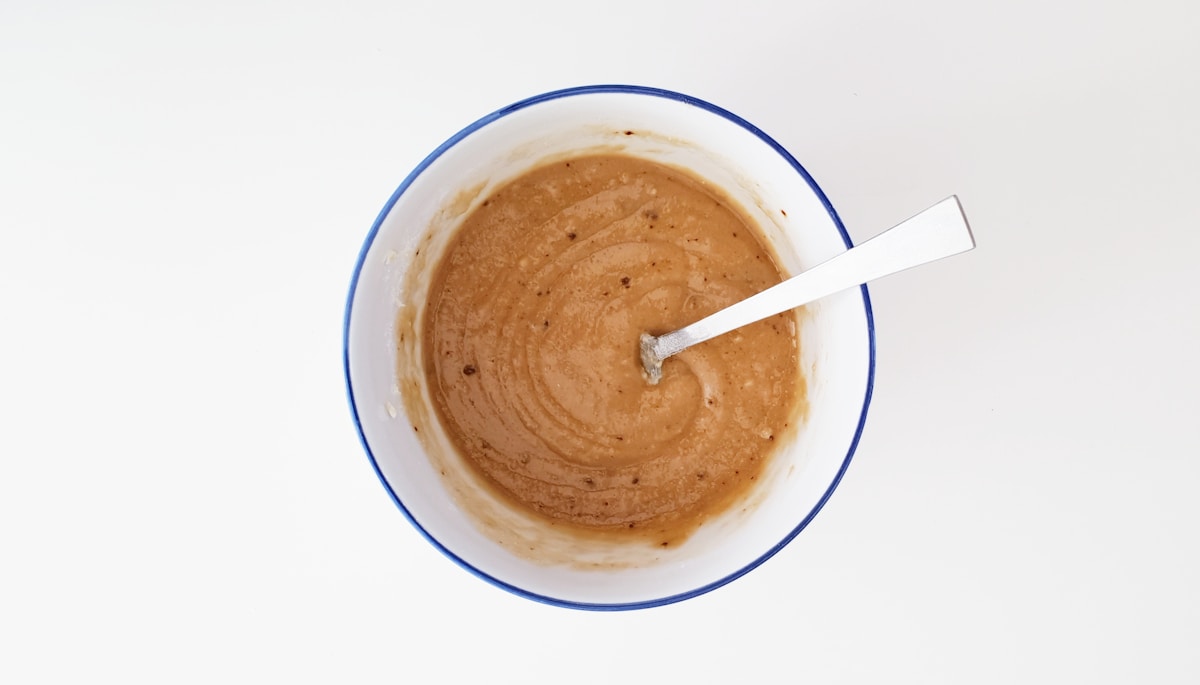
You pull the beaters out of the mixer, and there it is — that glorious ribbon of crimson velvet batter clinging to the metal. Your spoon hovers. Your stomach whispers, “Just one lick.” But then the memory of every food safety warning echoes in your head: raw eggs, raw flour, bacteria. Is there a way to have your batter and eat it too? The short answer is yes — if you know exactly how to make it safe. Let’s walk through exactly what the risks are and how to transform traditional red velvet batter into a completely edible treat you can eat by the spoonful without worry.
Why Traditional Cake Batter Is Risky
When we talk about raw cake batter, two main culprits are responsible for foodborne illness. The first is raw eggs, which can carry Salmonella enteritidis. The CDC estimates that 1 in 20,000 eggs is contaminated, but that number jumps when eggs are pooled or improperly stored. The second — and less talked about — is raw flour. Flour is a raw agricultural product. It hasn’t been treated to kill pathogens like E. coli, which can survive drying and milling. The FDA warns that consuming raw dough or batter made with untreated flour and raw eggs poses a real health risk, especially for children, pregnant women, older adults, and anyone with a weakened immune system.
The Red Velvet Escape: Why Safe Batter Is Easier Than You Think
Now here’s the good news: red velvet cake batter is actually one of the easiest batters to make “edible-safe.” Why? Because the star ingredient — red food coloring — is already completely safe to consume. (Yes, even the neon-bright gel kind.) The tricky parts are the flour and the eggs, and we have simple fixes for both.
Step 1: Heat-Treat Your Flour
You don’t need any special equipment. Grab your flour — all-purpose or cake flour both work — and spread it evenly on a baking sheet. Pop it into an oven preheated to 350°F (175°C) and bake for 5 minutes. That’s it. The heat kills any potential E. coli or other bacteria. Let the flour cool completely before using it. (Your future self will thank you for not skipping this step.) You can also microwave flour in a bowl on high for 30-second intervals, stirring in between, until it reaches 165°F (74°C). But the oven method is foolproof and hands-off.
Step 2: Replace Raw Eggs
You have three solid options here. The first is pasteurized eggs — these are whole eggs that have been gently heated to kill bacteria without cooking the egg. Look for cartons labeled “pasteurized” at the grocery store. The second option is liquid egg substitute, like the one from Bob’s Red Mill or a brand such as Just Egg. These are typically made from mung bean protein and are completely safe to eat raw. The third — and my favorite for red velvet — is to omit eggs entirely and use a simple mixture of buttermilk and a little extra oil, or go with a vegan recipe that relies on applesauce or flax eggs. For red velvet, buttermilk is already a star ingredient, so swapping works beautifully.
Step 3: Skip the Leavening (Or Use a Swap)
Traditional cake batter uses baking soda and vinegar (or baking powder) to create lift. In an edible batter, you don’t want that chemical reaction happening in your stomach. It’s safe to eat in tiny amounts, but it can taste metallic or bitter. Just leave them out. For texture, a pinch of salt and a splash of vanilla extract will give you that classic red velvet flavor without the fizz.
Putting It All Together: An Edible Red Velvet Batter Recipe
Here’s a simple ratio you can whip up in 10 minutes. Start with 1 cup of heat-treated all-purpose flour. Add 1/4 cup unsweetened cocoa powder (the kind used for red velvet, like natural cocoa), 1/2 cup granulated sugar, and a pinch of salt. Whisk those dry ingredients together. In a separate bowl, mix 2 tablespoons of pasteurized buttermilk (or regular buttermilk — it’s already pasteurized), 1 teaspoon vanilla extract, 1/4 cup melted unsalted butter (cooled), and 1 to 2 tablespoons of red food coloring (gel or liquid — gel gives a deeper color). Combine wet and dry, stir until just blended. Taste it. If it’s too thick, add a splash of milk. Too thin? Add a tablespoon of flour. And there you have it — a safe, spoonable red velvet batter that tastes just like the real deal.
Brand Recommendations and Pro Tips
For red food coloring, I trust Americolor gel paste — it’s intensely pigmented and doesn’t water down the batter. If you want a natural alternative, beet powder works but gives a more purplish hue. For heat-treated flour, King Arthur Flour is a reliable brand. For a ready-made shortcut, Pillsbury now sells edible cookie dough mixes, and some specialty shops carry edible cake batter tubs — but making your own is cheaper and more fun.
One kitchen hack I love: turn your edible red velvet batter into quick no-bake truffles. Roll tablespoon-sized balls, chill them on a parchment-lined tray for 30 minutes, then dip in melted white chocolate. They look like little red gems and taste exactly like the cake you didn’t bake. (Trust me on this one.)
What About the Cocoa Powder and Buttermilk?
Good question. Cocoa powder is typically roasted during processing, so it’s safe to consume without cooking. Buttermilk is pasteurized. The only ingredient that requires attention is the flour, and you’ve already handled that. The butter is melted and then cooled, so technically it’s been heated. Everything in this edible batter is safe to eat raw.
Can I Use This Batter for Other Cakes?
Absolutely. The same technique works for vanilla, lemon, chocolate, or any cake batter. Just swap the cocoa for more flour or add citrus zest. For chocolate cake, you’d heat-treat the flour and use pasteurized eggs or a substitute. The principle is universal: treat the flour, replace the eggs, leave out the leavening.
Try This Tonight: Edible Red Velvet Batter Dip
Next time you’re craving a sweet, creamy snack, skip the store-bought frosting and make a small batch of this edible batter. Serve it with graham crackers, pretzels, or fresh strawberries. It’s perfect for a midnight treat, a kid-friendly baking project, or just to satisfy that batter-loving urge without the worry. Remember: the kitchen is more forgiving than you think — and with these simple swaps, you can have your red velvet and eat it too.