Can You Restore a Vintage Cast Iron Skillet Found in the Yard?

Can You Restore a Vintage Cast Iron Skillet Found in the Yard?

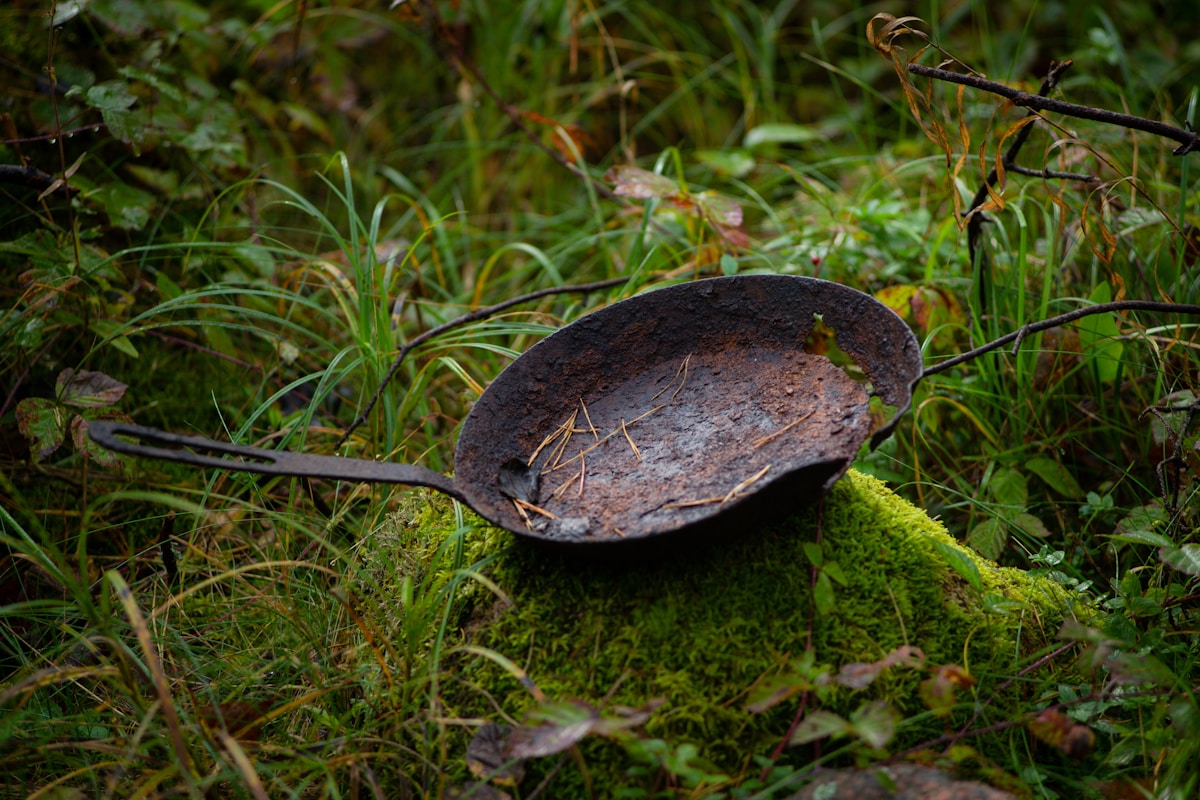
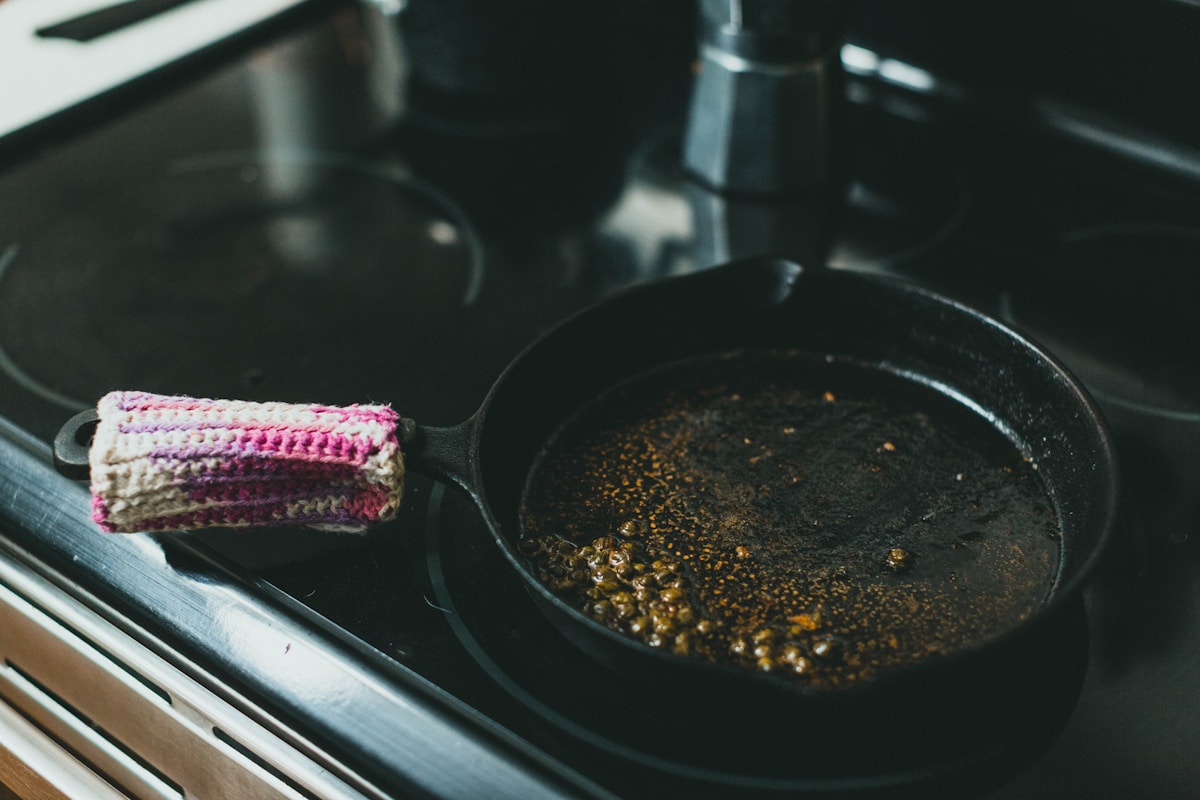
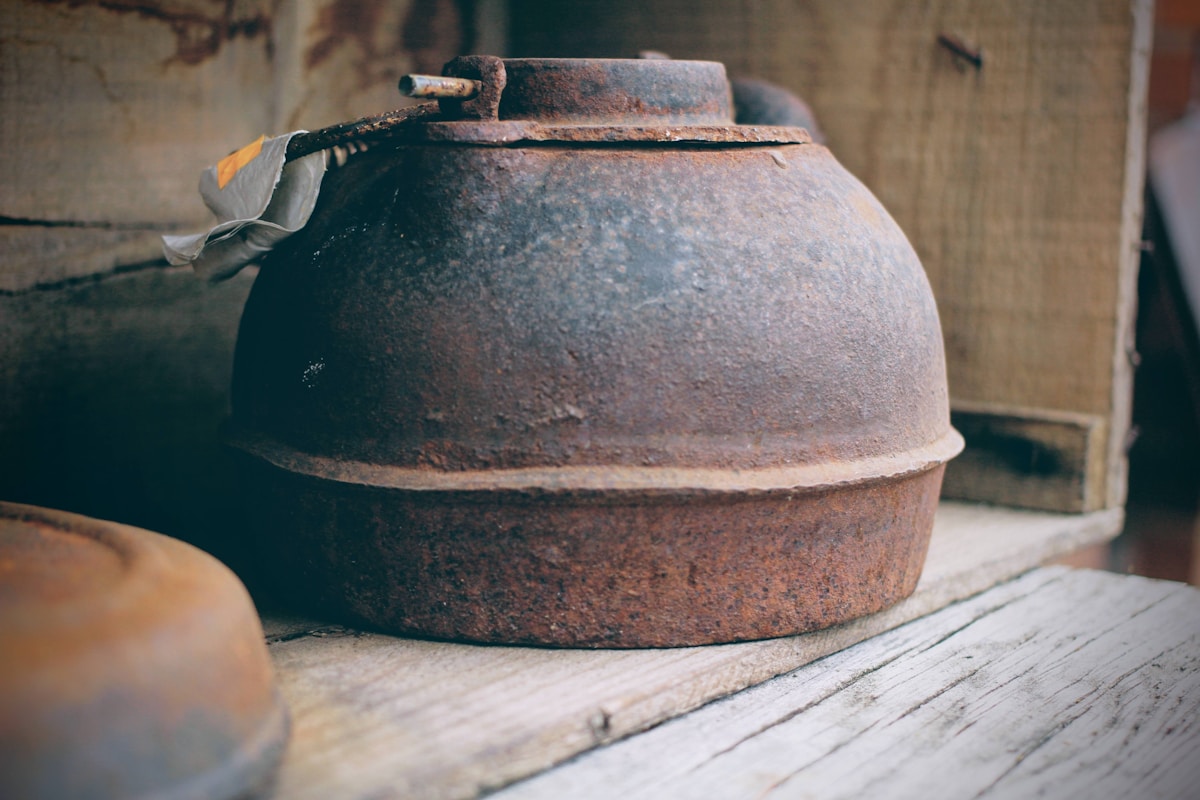
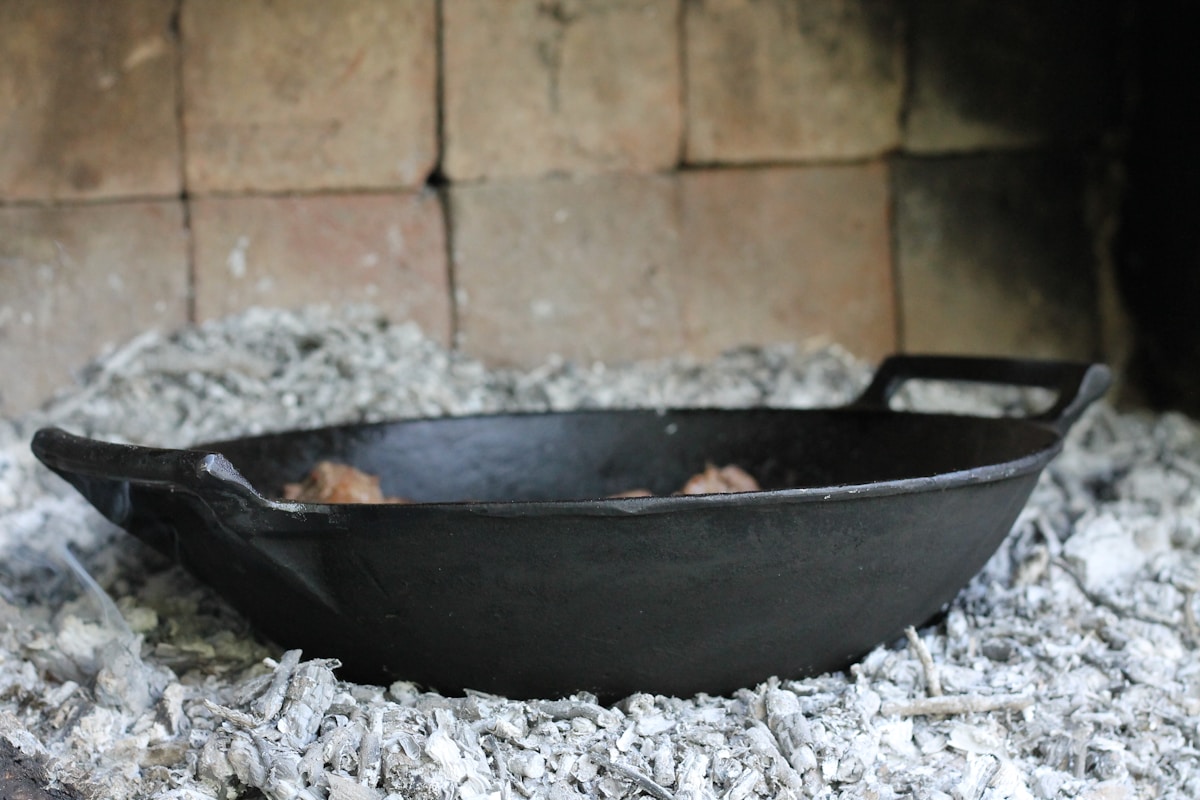
You’re weeding the garden on a warm Saturday, pulling out roots and rocks, when your trowel hits something solid. You dig it up—a small, heavy, rust-caked skillet. It’s black with orange crust, maybe from the 1920s. Your first thought: “Can I actually use this?” The answer is a confident yes. With the right steps, that crusty relic can become your most treasured non-stick pan. I’ve restored dozens of pans over the years, and I’m going to walk you through exactly how to do it safely and successfully. Let’s get that skillet back on the stove.

How Often Should You Really Sharpen Your Kitchen Knives?

How Often Should You Really Sharpen Your Kitchen Knives?

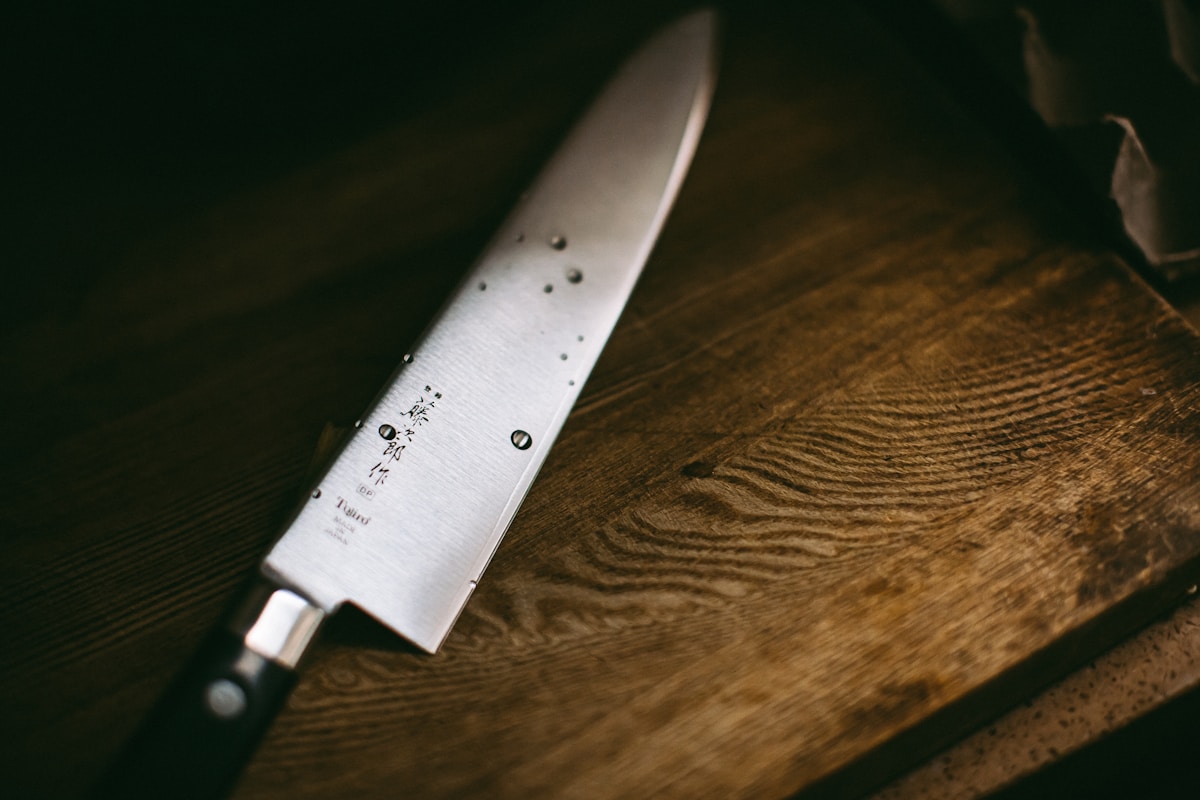
You know the struggle. You press down on a ripe tomato, the knife skids off the skin, and you end up with a squashed mess and a frustrated sigh. It’s a classic sign that your blade has gone dull. Recently, a Reddit thread on r/KitchenConfidential blew up when a line cook shared that their manager actually called blunt knives “totally fine” and banned staff from using the sharpening stones. That post sparked a huge debate about when knives really need sharpening versus when just a little honing will do. As someone who has tested dozens of knives and spent years in both home and commercial kitchens, I’m here to clear up the confusion. Let’s talk about what “dull” actually means, why it’s dangerous, and how often you should sharpen your kitchen knives to keep them cutting safely and smoothly.

Can You Restore a Rusty Vintage Cast Iron Skillet Found in the Ground?

Can You Restore a Rusty Vintage Cast Iron Skillet Found in the Ground?

The Thrill of the Find

Picture this: you’re weeding the garden in your 1920s home, and your trowel clinks against something solid. You brush away the dirt and uncover a small cast iron skillet, maybe a #3 or #4 size, buried for decades. Your first thought might be “cool relic,” but your second is likely “can I actually cook with this?” The answer is a resounding yes - but you’ll need to put in some work. I’ve restored dozens of vintage pans, and I’m here to walk you through the process so you don’t ruin that piece of history. (Trust me on this one - patience pays off.)

Will Expensive Cookware Actually Save You Money in the Long Run?

Will Expensive Cookware Actually Save You Money in the Long Run?

We’ve all been there. You’re in the middle of flipping pancakes on a Sunday morning, and a small, black flake of non-stick coating lands right in the batter. Or you’re trying to get a fine dice on an onion for your famous chili, but your cheap knife is mashing it into a tear-inducing pulp. It’s frustrating, and it makes cooking feel like a chore.

What Pan Gives Fudgy Brownies a Perfect Crackly Top Every Time?

What Pan Gives Fudgy Brownies a Perfect Crackly Top Every Time?

The Brownie Top Dilemma You Know Too Well

You pull a batch of brownies from the oven, let them cool, and slice in. The inside is perfectly fudgy — rich, dense, almost like a truffle. But the top? Matte, dull, and maybe a little doughy. No crackle. No shiny crust. You wonder: what went wrong? I’ve been there myself, and I can tell you the culprit is almost always the pan. After testing dozens of batches and chatting with bakers on Reddit’s r/AskBaking, I’ve nailed down exactly which pan delivers that iconic crackly top. Let’s break it down.

Is a Rechargeable Water Pump the Best Kitchen Gadget You Don't Own Yet?

Is a Rechargeable Water Pump the Best Kitchen Gadget You Don't Own Yet?

You know the feeling. You’re making a big batch of chicken stock, pasta for the whole family, or canning a harvest of summer tomatoes. The recipe calls for a gallon or more of water. So you place your biggest, heaviest stockpot in the sink, fill it to the brim, and then face the dreaded journey: the slow, careful shuffle from sink to stove, trying not to slosh water all over the floor or strain your back in the process. We’ve all been there.

Can You Really Save a Completely Rusted Cast Iron Pan?

Can You Really Save a Completely Rusted Cast Iron Pan?

You see it in the back of your grandmother’s cabinet, at a garage sale for a couple of bucks, or maybe you just forgot one on the back burner. It’s a cast iron skillet, but it’s not the beautiful, jet-black, glossy pan you see in cooking videos. It’s a sad, crusty, orange-flaked mess. Your first thought is probably, “Well, that’s ruined. Into the trash it goes.”

Is Spending More on High-End Kitchen Gear Really Worth It?

Is Spending More on High-End Kitchen Gear Really Worth It?

I saw a great conversation online the other day. It wasn’t even about kitchens. It was about a guy who was tired of his cheap circular saw breaking, so he finally spent the money on a professional-grade one. The philosophy was simple: “Buy it once, cry once.” You feel the sting of the price upfront, so you don’t have to feel the chronic pain of a tool that fails you over and over again.

What Can You Really Cook in a Mini Cast Iron Pot

What Can You Really Cook in a Mini Cast Iron Pot

You’ve seen it. Tucked away in the cookware aisle, or maybe hanging by the checkout as a tempting impulse buy. It’s the tiny cast iron skillet, usually around 3.5 inches, looking like a toy for a dollhouse kitchen. The first thought for most people is, “That’s adorable.” The second thought is almost always, “But what on earth would I actually do with it?”

Can You Really Save a Rusted Cast Iron Pan?

Can You Really Save a Rusted Cast Iron Pan?

It’s a familiar story. You find it at a garage sale, in the back of your grandmother’s cupboard, or buried in your own cabinet—a cast iron skillet, covered in a brittle orange crust of rust and caked with the black, bumpy ghosts of meals past. Your first instinct is probably to sigh and haul it to the trash. It looks ruined, a lost cause.

What Is A Tiny Cast Iron Pot Actually Used For?

What Is A Tiny Cast Iron Pot Actually Used For?

You’ve seen it before. Tucked away on a shelf at a thrift store, maybe at a garage sale, or even included as a “bonus” in a larger cookware set. A cast iron pot, but miniature. It looks like it belongs in a dollhouse kitchen. Your first thought is almost certainly, “That’s cute, but what on earth would I actually do with it?”

Are Those USB Water Jug Pumps Actually Safe to Use

Are Those USB Water Jug Pumps Actually Safe to Use

I’ve done it. You’ve done it. We’ve all done that awkward, back-straining dance with a 5-gallon water jug, trying to hoist it onto a dispenser without creating a tidal wave in the kitchen. For years, the only alternative was a clunky, energy-guzzling water cooler that takes up precious floor space. Then, a few years ago, these tiny, USB-rechargeable water pumps started popping up everywhere online, promising a one-touch solution for under $25.

Are Those Rechargeable Water Jug Pumps Actually Worth Buying

Are Those Rechargeable Water Jug Pumps Actually Worth Buying

Let’s be honest. We’ve all been there. Staring at a massive 5-gallon water jug, mentally preparing for the awkward, back-straining lift-and-flip maneuver required to get it onto the cooler. You brace yourself, heave the 40-pound behemoth, and hope you don’t send a tidal wave of water across your kitchen floor. It’s a clumsy, inefficient process we’ve just accepted as normal.

What Are Small Cast Iron Pots Actually Good For?

What Are Small Cast Iron Pots Actually Good For?

You’ve seen them. Tucked away on a shelf at a kitchen supply store, or maybe sitting dusty in a thrift shop, looking like a toy from a doll’s kitchen. I’m talking about those tiny cast iron pots, the ones often smaller than a coffee mug, usually holding less than 20 ounces. Your first thought is probably, “That’s adorable.” Your second thought is almost always, “But what would I ever do with it?”

What Is A Mini Cast Iron Skillet Actually Good For?

What Is A Mini Cast Iron Skillet Actually Good For?

You’ve seen them. Sitting on the store shelf next to their hefty 10- and 12-inch siblings, those tiny 3.5- to 6-inch cast iron skillets look almost like toys. Your first thought is probably, “Cute, but what would I possibly do with that besides melt a tablespoon of butter?” It’s a fair question, one I see pop up all the time, even from seasoned cooks.

Is the Tiny Lodge Cast Iron Melting Pot Worth Buying?

Is the Tiny Lodge Cast Iron Melting Pot Worth Buying?

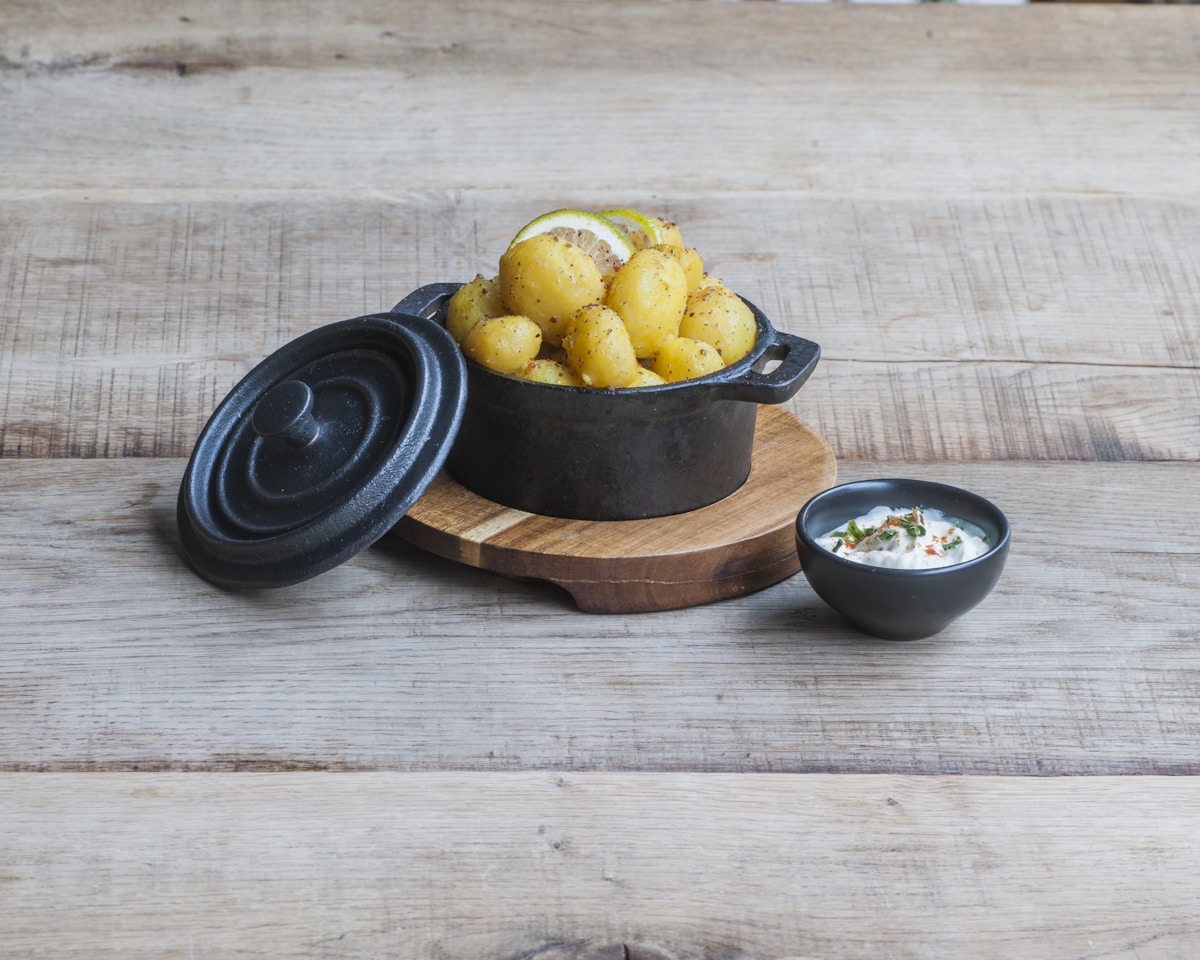
You’ve seen it. Maybe tucked away on a shelf at a kitchen store, or perhaps in a photo online, looking like a toy skillet’s big brother. It’s the Lodge 15-ounce (that’s about 0.4 liters) cast iron melting pot. It’s so small, you can hold it in the palm of your hand. The immediate question that pops into your head is always the same: “What on earth is that for?” Is it a gimmick? A cute but useless piece of metal destined to gather dust? Or is it one of those hyper-specific tools that, once you own it, you can’t imagine living without?

Is a $15 Water Pump the Best Kitchen Gadget You Are Not Using?

Is a $15 Water Pump the Best Kitchen Gadget You Are Not Using?

We’ve all been there. You’re staring at a full 5-gallon water jug, a behemoth of blue plastic that weighs a solid 40 pounds. The water cooler is empty, or you need to heave it onto the counter to refill the coffee maker. You brace yourself, do the awkward lift-and-tip, and hope you don’t send a gallon of water sloshing onto the floor.

Is a Mini Cast Iron Pot Actually Worth the Kitchen Space?

Is a Mini Cast Iron Pot Actually Worth the Kitchen Space?

You’ve seen it. Maybe it was tucked away on a shelf at a kitchen supply store, or it popped up as a “recommended for you” item online. It’s that tiny, impossibly cute cast iron pot. It looks like a proper Dutch oven went through a shrink ray, and the first thought is always, “That’s adorable.” The second thought, right on its heels, is, “But what would I actually do with it?”

Should You Repair or Replace Your Stand Mixer

Should You Repair or Replace Your Stand Mixer

That sound. That horrible, grinding, ‘I’m-about-to-give-up’ groan from your trusty stand mixer right in the middle of a batch of cookie dough. Your heart sinks. Is this the end for your kitchen workhorse? The temptation to just browse for a shiny new model is strong. But before you add a new appliance to your cart, let’s talk about whether your old friend is worth saving.

Have I Actually Ruined My Cast Iron Skillet Forever?

Have I Actually Ruined My Cast Iron Skillet Forever?

It’s a heart-sinking moment for any home cook. You pull out your trusty cast iron skillet—the one that’s seared countless steaks and crisped up a thousand potato hashes—only to find it looking…awful. Maybe a well-meaning houseguest left it to soak in the sink, and now it’s covered in a fine layer of orange rust. Or maybe after a particularly smoky cooking session, it’s caked in a thick, black, flaky crust that won’t budge.

Which Kitchen Tools Are Actually Worth Investing In?

Which Kitchen Tools Are Actually Worth Investing In?

I’ve been there. You’re halfway through peeling a bag of potatoes for a big family dinner, and the flimsy blade of your $5 vegetable peeler snaps right off the plastic handle. Or maybe it’s the non-stick skillet you bought six months ago, now flaking into your morning eggs. It’s a frustrating, wasteful, and frankly, expensive cycle.

Does a Dutch Oven Really Make Better Stew Than a Crockpot?

Does a Dutch Oven Really Make Better Stew Than a Crockpot?

You’ve been smelling it all day. That rich, savory aroma of beef stew has filled your house for eight hours. You lift the lid of your crockpot, expecting meltingly tender morsels of beef. You poke a piece with a fork, and it falls apart beautifully. Success! But then you take a bite, and the magic fades. The meat, despite being shreddable, is somehow… dry. Stringy. Tough.

What Can You Actually Cook in a Mini Cast Iron Skillet?

What Can You Actually Cook in a Mini Cast Iron Skillet?

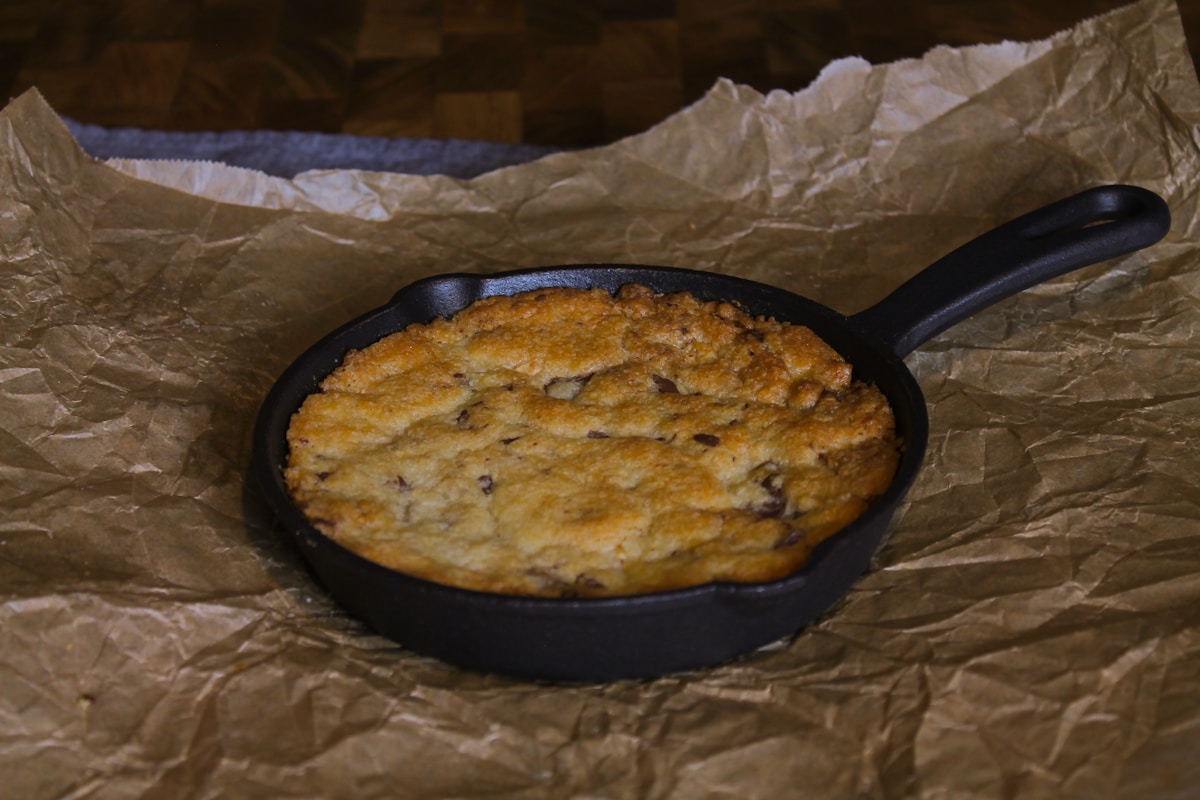
Let’s be honest. You probably have one. It sits on a shelf or hangs from a pot rack, looking more like a dollhouse accessory than a piece of serious cookware. It’s that tiny 3.5-inch or 5-inch cast iron skillet, likely a gift from a well-meaning relative or an impulse buy from the checkout line. For months, maybe years, its primary job has been acting as a spoon rest, a paperweight, or a coaster for your morning coffee.

Is a $150 Chef's Knife Really Better Than a $50 One?

Is a $150 Chef's Knife Really Better Than a $50 One?

You know the feeling. You’re standing in front of a beautiful, ripe tomato, ready to slice it for a sandwich. You grab your trusty old chef’s knife, the one that came in a block set years ago. You press down, and… mush. The skin wrinkles, the juice squirts out, and you’re left with a sad, squashed mess instead of a clean, perfect slice. It’s one of the most common frustrations in the kitchen, and it always leads to the same question: Is it my knife? And do I really need to spend a fortune to fix it?

Will Acidic Marinades Ruin My Cast Iron Skillet?

Will Acidic Marinades Ruin My Cast Iron Skillet?

You’ve got your meal prep planned. Four beautiful salmon fillets, a zesty lemon-dill marinade, and your trusty cast iron skillet ready to go. The goal: a perfect, crispy-skinned salmon that will still be delicious on Wednesday. But then a nagging thought creeps in: “Won’t the lemon juice in this marinade destroy my hard-earned seasoning?”

Should You Buy Your Cast Iron Pan at a Restaurant Supply Store?

Should You Buy Your Cast Iron Pan at a Restaurant Supply Store?

Walk into a restaurant supply store and it feels like you’ve found a secret club for chefs. Giant whisks, stacks of sheet pans, and no-frills equipment that looks like it means business. Tucked away on a steel shelf, you’ll find them: cast iron skillets. They look a little rough, they feel heavy, and they’re shockingly cheap.

Should I Buy a 10 or 12 Inch Cast Iron Skillet?

Should I Buy a 10 or 12 Inch Cast Iron Skillet?

You’re standing in the cookware aisle, or maybe you’re staring at two options online. In one corner, the 10-inch cast iron skillet. It looks capable, confident, and manageable. In the other, the 12-inch skillet. It’s bigger, brawnier, and promises family-sized meals and glorious, sprawling sears. The price difference is usually minimal, so the decision feels even harder. Which one is the right tool for your kitchen?

When Should You Use Silicone Bakeware Instead of Metal Pans?

When Should You Use Silicone Bakeware Instead of Metal Pans?

You’ve been there. You followed the banana bread recipe to the letter. The whole house smells incredible. You pull it from the oven, admiring your work… but something’s off. Instead of a deep, golden-brown crust, the sides of your loaf are pale, a little damp, and weirdly soft. The bottom is cooked, but it never got that satisfyingly crisp texture. What went wrong?

Should I Buy a 10 or 12 Inch Cast Iron Skillet for My First Pan

Should I Buy a 10 or 12 Inch Cast Iron Skillet for My First Pan

You’re standing in the kitchen aisle, or maybe you have two browser tabs open. On one side, the 10-inch cast iron skillet. It looks manageable, friendly even. On the other, the 12-inch behemoth. It looks serious, professional, and honestly, a little intimidating. You’ve heard the legends—that a good cast iron pan is a “buy it for life” purchase that will outlive you. The pressure is on to make the right choice from the get-go.

Should You Buy a Cast Iron Pan from a Restaurant Supply Store

Should You Buy a Cast Iron Pan from a Restaurant Supply Store

Have you ever walked into one of those giant, warehouse-style restaurant supply stores? The ones with shelves stacked to the ceiling with industrial-sized everything, from 50-pound bags of flour to spatulas the size of canoe paddles. It’s a magical, slightly intimidating place. And somewhere, usually tucked away on a bottom shelf, you’ll find them: a stack of plain, heavy, almost brutally simple cast iron pans for a price that seems too good to be true.

Should I Buy a 10 or 12 Inch Cast Iron Skillet for My First Pan

Should I Buy a 10 or 12 Inch Cast Iron Skillet for My First Pan

You’re standing in the cookware aisle, ready to finally take the plunge. In front of you are two heavy, black skillets that look nearly identical. One is a 10-inch. The other is a 12-inch. Your brain tells you, “Bigger is better, right? More space!” But a nagging voice wonders if you’ll be able to lift the bigger one when it’s full of sizzling hot oil.

Is a Super Sharp Japanese Knife Right For Your Kitchen

Is a Super Sharp Japanese Knife Right For Your Kitchen

You know the feeling. You’re trying to get a nice, thin slice from a ripe tomato, and your trusty chef’s knife just… squishes it. The skin wrinkles, the seeds spill out, and you’re left with a pulpy mess instead of a perfect slice for your sandwich. It’s frustrating, and it’s usually the moment when cooks start gazing longingly at those beautiful, razor-sharp Japanese knives.

What Are Those Tiny Cast Iron Pots Actually Good For

What Are Those Tiny Cast Iron Pots Actually Good For

You need to melt two tablespoons of butter for a batch of popcorn. You open the cabinet and stare at your options. Do you grab a full-sized, one-quart saucepan, knowing most of the precious butter will just coat the bottom and sides? Or do you zap it in a bowl in the microwave, playing the familiar game of “will it melt gently or will it explode into a greasy Jackson Pollock painting?”

What Is That Tiny Cast Iron Pot Actually Good For?

What Is That Tiny Cast Iron Pot Actually Good For?

You’ve seen it. Maybe it was a gift, or maybe you saw it hanging in the cookware aisle and bought it on a whim because, let’s be honest, it’s adorable. I’m talking about that miniature cast iron pot, usually the Lodge 15-Ounce Melting Pot, looking like a toy version of its larger skillet cousins. It sits in your cabinet, and every time you see it, you ask the same question: “Besides melting a tablespoon of butter, what is this thing really for?”

What Is The Best Pan For Charring Vegetables Perfectly

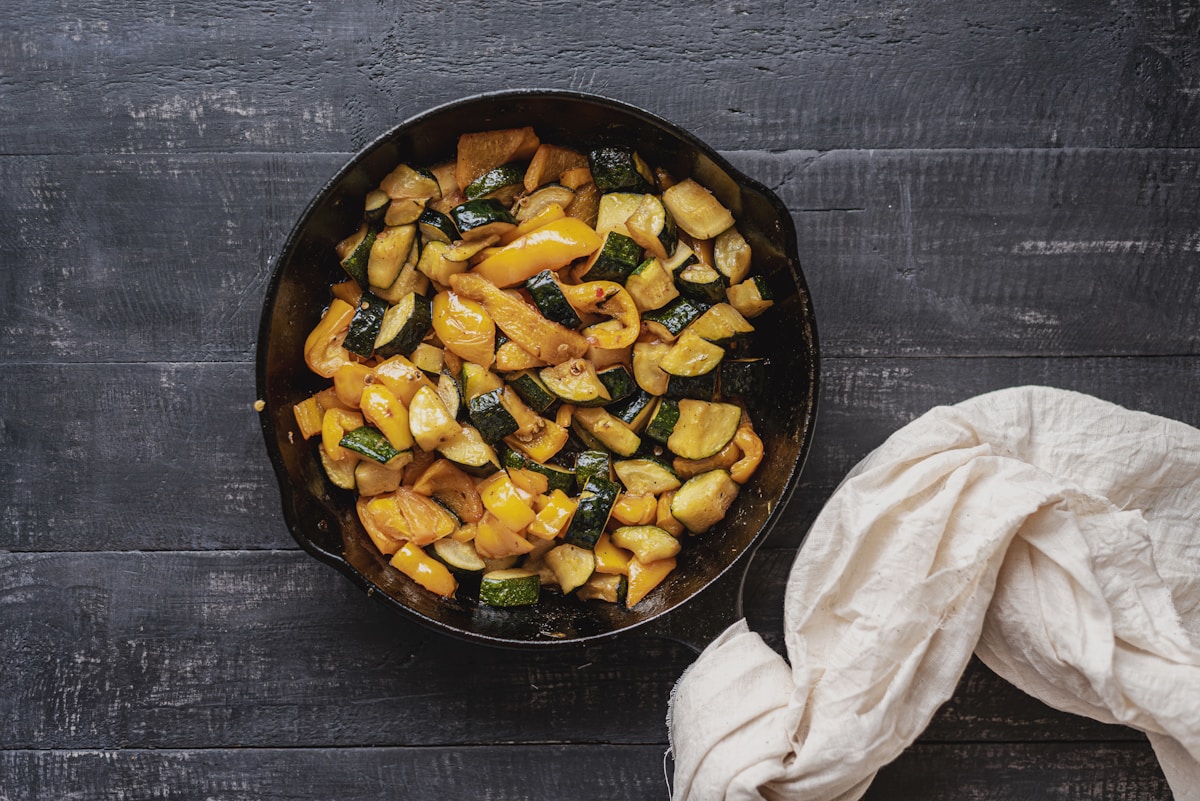
We’ve all been there. You’re making tacos, dreaming of those blistered, sweet, and smoky strips of bell pepper and onion you get at your favorite taqueria. You slice them up, toss them in a pan, and ten minutes later… you have a sad, steaming pile of limp, grayish vegetables. All sizzle, no substance. The flavor is gone, the texture is floppy, and your taco dreams are dashed.

What Should I Look For In An Immersion Blender For My Kitchen

What Should I Look For In An Immersion Blender For My Kitchen

You’ve been there. The soup is simmering perfectly on the stove, smelling incredible. Now comes the dreaded part: carefully ladling cup after scalding-hot cup into your big, clunky countertop blender. You pray you don’t splash liquid fire onto your hands, and then you have to pour it all back into the pot, creating a mountain of dishes.

Are Silicone Pans Ruining Your Cakes and Breads

Are Silicone Pans Ruining Your Cakes and Breads

You followed the recipe perfectly. You measured your King Arthur flour to the gram, your butter was at the ideal room temperature, and your oven was preheated to a precise 350°F (175°C). Yet, when the timer dings, you pull out a cake that’s… disappointing. It’s pale, a little dense, and the edges are strangely soft, almost gummy. Sound familiar? Before you blame the recipe or your oven, look at the pan. If you’re using silicone, you’ve likely found the culprit.

What Can You Actually Cook in a Mini Cast Iron Pot

What Can You Actually Cook in a Mini Cast Iron Pot

You know the moment. You need to melt two tablespoons of butter. You grab your smallest saucepan, which is still way too big. The butter sizzles, foams, and threatens to brown in about thirty seconds flat. Or you’ve made a beautiful pan gravy, but by the time you get it to the table in a gravy boat, it’s lukewarm. These are the small, everyday kitchen frustrations that make you wonder if there’s a better tool for the job.

Should I Buy a 10-Inch or 12-Inch Cast Iron Skillet First

Should I Buy a 10-Inch or 12-Inch Cast Iron Skillet First

You’re standing in the aisle, ready to finally buy your first cast iron skillet. You’ve heard the stories, seen the gorgeous food photos, and you’re ready for that perfect steak sear. But then you see them: two identical-looking black skillets, one just a bit bigger than the other. One feels hefty and serious. The other feels… manageable. This is the classic cast iron dilemma: the 10-inch versus the 12-inch.

Should I Throw Away My Garlic Press Because Chefs Hate It?

Should I Throw Away My Garlic Press Because Chefs Hate It?

You’ve seen it in a celebrity chef’s kitchen tour. The gleaming knives, the perfectly organized spice rack, the eight-burner stove. But what you don’t see is a garlic press. In fact, many professional chefs, most famously the late Anthony Bourdain, have openly scorned this common kitchen gadget. It’s enough to make you look at the one in your own drawer with a little bit of shame.

Should You Buy That Smooth Cast Iron From a Restaurant Supply Store

Should You Buy That Smooth Cast Iron From a Restaurant Supply Store

You’ve seen them before. Tucked away on a cold, metal shelf in the back of a restaurant supply warehouse, sitting between giant whisks and stacks of sheet pans. It’s a cast iron skillet, but it looks… different. It’s dark and heavy, sure, but the cooking surface isn’t pebbly and rough like the Lodge skillet your friend swears by. It’s smooth, almost metallic, with a faint brushed pattern.

How Do You Safely Restore Vintage Cast Iron Pans

How Do You Safely Restore Vintage Cast Iron Pans

You’ve seen it before. Tucked away on a dusty shelf at a thrift store, buried in a box at a garage sale, or passed down from a grandparent’s kitchen. It’s a cast iron skillet, but it looks more like a shipwreck artifact than a kitchen tool. It’s covered in a crust of black, flaky carbon, maybe with a few blossoms of orange rust peeking through. Most people walk right past it. But you shouldn’t.

What Gear Do I Need for Serious Weekly Meal Prep

What Gear Do I Need for Serious Weekly Meal Prep

It’s 3 PM on a Sunday. Your kitchen counter is a chaotic landscape of cutting boards, vegetable peels, and mismatched containers. You’ve been chopping for what feels like an eternity, and you’re not even halfway through the mountain of onions for this week’s chili, soup, and stir-fry bases. You think to yourself, “There has to be a better way.”

Is a Vintage Griswold Cast Iron Pan Really Worth the High Price

Is a Vintage Griswold Cast Iron Pan Really Worth the High Price

You’ve probably been there. You bring home a brand new, heavy-as-a-brick cast iron skillet from the store. The label promises a lifetime of perfect sears and non-stick performance. But your first few attempts at frying an egg look more like a scrambled mess welded to a rough, black surface. You scrub, you season, you repeat, wondering if you’re missing a secret.