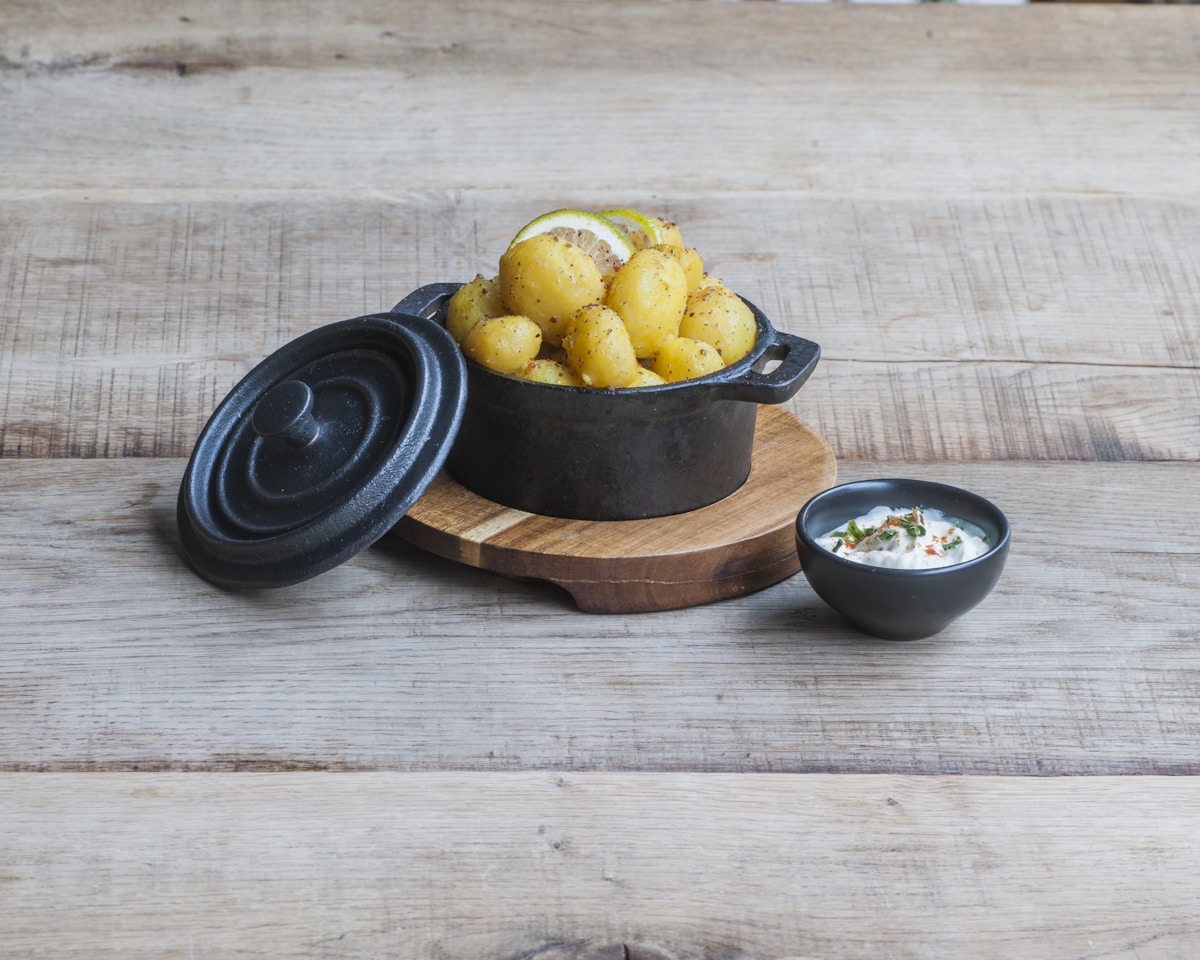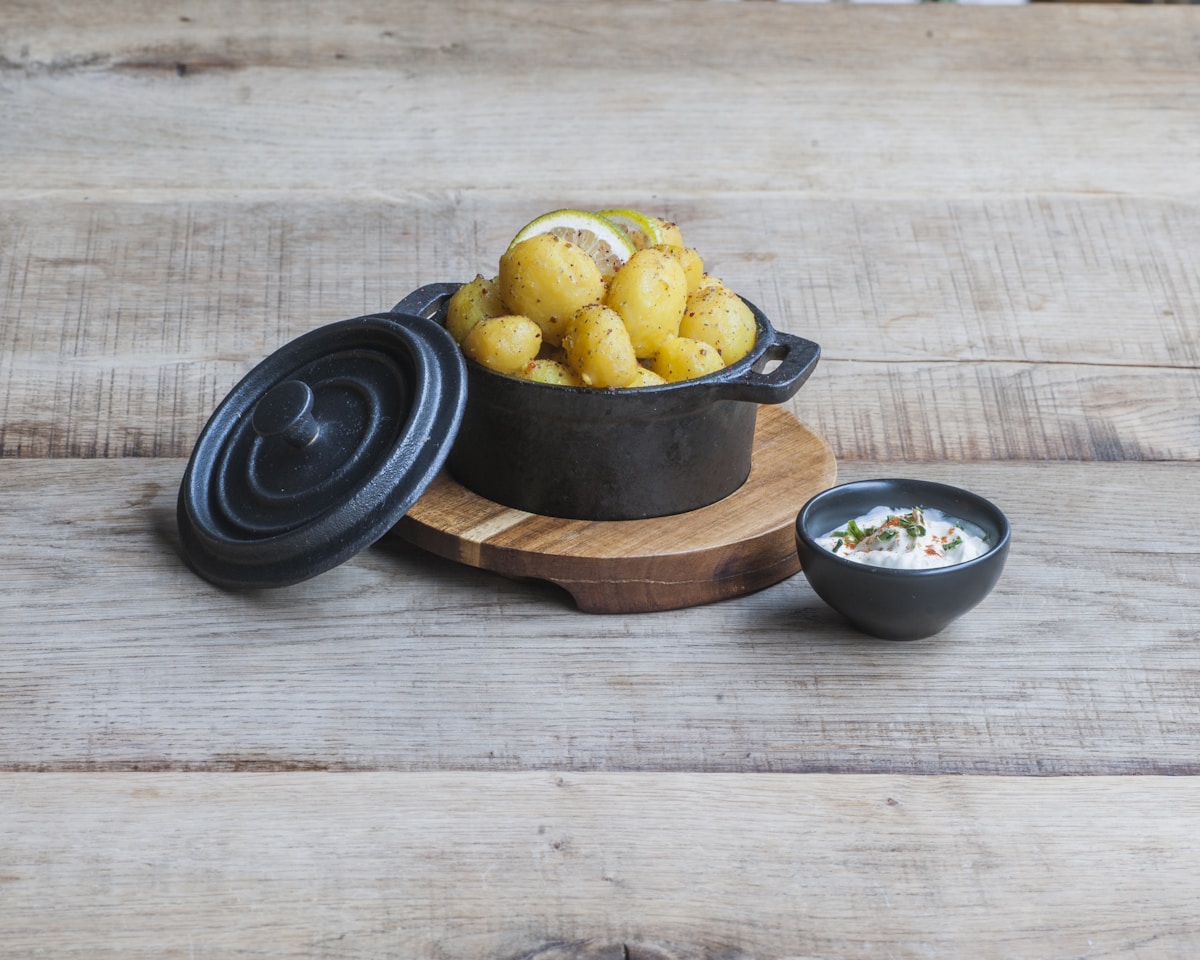
You’ve seen it. Maybe it was a gift, or maybe you saw it hanging in the cookware aisle and bought it on a whim because, let’s be honest, it’s adorable. I’m talking about that miniature cast iron pot, usually the Lodge 15-Ounce Melting Pot, looking like a toy version of its larger skillet cousins. It sits in your cabinet, and every time you see it, you ask the same question: “Besides melting a tablespoon of butter, what is this thing really for?”
I see this question pop up constantly online, especially on forums like Reddit’s r/castiron. Someone posts a picture of their new, tiny pot, and the question is always the same. The good news is, this little pan is far from a one-trick pony. It’s a specialist. And in the kitchen, sometimes a specialist is exactly what you need to take your cooking from good to great. It’s not an everyday pan, but for the jobs it does, it does them better than almost anything else.
Let’s break down why this miniature workhorse deserves a spot on your stove and not just in the back of your cupboard. It’s time to unlock its potential.
The Prep Work Powerhouse
Most of the magic of the mini pot happens before the main event. It excels at small, precise heating tasks where a larger pan would be inefficient and unwieldy, often leading to scorched ingredients.
Perfectly Browned Butter, Every Time Melting butter is its named purpose, but browning butter is where it truly shines. Brown butter, or beurre noisette, is a secret weapon for bakers and cooks. It has a rich, nutty, toasty aroma that elevates everything from chocolate chip cookies to pan-seared fish. Making it in a large, light-colored stainless steel pan is the classic method, but the thick, dark cast iron offers an incredible advantage: unparalleled heat control.
The heavy cast iron heats slowly and evenly, giving you a much wider window to get the browning just right. In a thin pan, butter can go from melted to burnt in seconds. Here’s how to do it in your mini pot:
- Place 4 tablespoons (1/2 stick) of unsalted butter in the pot over medium-low heat.
- Let it melt completely, then continue to cook as it foams and sputters. Swirl the pan occasionally.
- After 3-5 minutes, you’ll notice the sputtering subsides and brown specks (toasted milk solids) begin to form at the bottom. The aroma will become intensely nutty. (This is the best part.)
- Once the butter is a beautiful amber color, immediately pour it into a heatproof bowl to stop the cooking. Don’t walk away!
Using a larger skillet for this small amount would cause the butter to spread thin and burn almost instantly. The mini pot’s contained size is key.
Blooming Spices for Maximum Flavor Toasting or “blooming” whole or ground spices in hot oil or fat is a technique that separates good cooking from fantastic cooking. It unleashes the fat-soluble compounds in spices, deepening and intensifying their flavor in a way that just sprinkling them in dry never will. This pot is the perfect vessel for it.
Imagine you’re making a curry. Instead of just dumping your cumin, coriander, and turmeric into the main pot, warm a tablespoon of ghee or oil in your mini pot. Add the spices and heat them for just 30-60 seconds, swirling constantly until they become incredibly fragrant. Then, pour the entire mixture into your main dish. The difference in flavor is astonishing.
Warming Syrups and Sauces Nothing ruins a perfect stack of pancakes like cold maple syrup. Popping the whole bottle in the microwave is an option, but it’s imprecise. Gently warming a single serving of syrup in the mini pot on low heat is a much more civilized experience. The cast iron will also keep it warm at the table. The same goes for warming up a small amount of chocolate or caramel sauce for an ice cream sundae. It provides gentle, even heat that won’t scorch the sugars.
The Single-Serving Specialist
Sometimes, you’re just cooking for one. The mini pot embraces this, turning out perfect individual portions of dishes that would be lost in a standard 10-inch skillet.
The Ultimate Roasted Garlic Head A whole head of roasted garlic is a beautiful thing—soft, sweet, caramelized, and perfect for spreading on bread or mixing into sauces. Your mini pot is the exact right size to roast one perfect head.
- Preheat your oven to 400°F (200°C).
- Slice off the top 1/4 inch of a head of garlic to expose the cloves.
- Place it cut-side-up in the mini pot.
- Drizzle generously with olive oil, and sprinkle with salt and pepper.
- Cover with foil (or the pot’s lid, if it has one) and bake for 30-40 minutes.
- Remove the foil and bake for another 10 minutes until the cloves are golden brown and buttery soft.
The pot cradles the garlic, ensuring it steams and roasts in the oil instead of drying out on a large baking sheet.
Individual Skillet Desserts This is where the mini pot becomes the star of the show. A warm, gooey, single-serving skillet cookie or brownie is pure comfort. Just press a scoop of your favorite cookie dough into the greased pot and bake until the edges are set and the center is soft. Top it with a scoop of vanilla ice cream for a restaurant-worthy dessert experience. It’s portion control, but in the most indulgent way possible.
From Kitchen to Table: The Serving Star
The rustic charm of cast iron makes it a fantastic serving vessel. Because it retains heat so well, it’s ideal for keeping dips and sauces warm right on the table.
Picture this: you have guests over. You bring out a small cheese board with a mini pot of warm, bubbly marinara for mozzarella sticks, or a personal-sized portion of spinach and artichoke dip that stays hot. It’s practical, it looks fantastic, and it elevates the whole experience. A small bowl gets cold in minutes; this little pot will keep your queso or brie dip perfectly molten.
Is It a Gimmick? My Honest Take
So, after all this, is the Lodge Melting Pot a must-have piece of equipment? No. You can absolutely live without it. But that’s not the right question. The right question is: “For about $15, does it solve common kitchen problems better than other tools?” And the answer to that is a resounding yes.
Let’s compare:
| Task | Using a Mini Cast Iron Pot | Using a Standard Saucepan |
|---|---|---|
| Browning 2 Tbsp Butter | Even heat, excellent control, low risk of burning. | Butter spreads thin, heats rapidly, high risk of burning. |
| Warming 1/4 Cup Syrup | Holds heat at the table, gentle heating. | Cools quickly once off the stove, easy to scorch. |
| Roasting 1 Garlic Head | Cradles garlic perfectly, efficient use of oil. | Garlic sits awkwardly, requires more oil to pool around it. |
| Serving a Hot Dip | Excellent heat retention, great presentation. | Loses heat immediately, purely functional appearance. |
Pros:
- Unmatched Heat Control: Its small, heavy mass is perfect for delicate tasks.
- Versatile: From prep work to dessert to serving, it has many roles.
- Durable: It’s cast iron. It will outlive you. (Seriously.)
- Affordable: It’s one of the cheapest, most useful cast iron pieces you can buy.
Cons:
- Niche: It’s a specialist. You won’t use it every single day.
- Handle Gets HOT: Like all cast iron, the handle is part of the mold. You need a pot holder, always.
- Requires Cast Iron Care: It needs to be kept dry and lightly oiled to prevent rust.
My verdict is simple: this is the definition of value over vanity. It’s a low-cost tool that performs its specific jobs flawlessly. If you’re a baker who loves brown butter, someone who frequently makes small sauces, or just a person who loves a good single-serving dessert, this pot will be one of the best $15 you ever spend on your kitchen.
Quick Care Guide
Don’t be intimidated by cast iron care. It’s simple.
- To Clean: After use, scrape out any food. Use a stiff brush and hot water. A tiny drop of soap is fine if needed, but usually isn’t.
- To Dry: This is the most important step. Dry it with a towel, then place it on a burner over low heat for a minute or two until every last drop of moisture is gone. (This prevents rust.)
- To Season: While it’s still warm, wipe a very thin layer of neutral oil (like canola or grapeseed) all over the pot with a paper towel. Let it cool.
That’s it. The more you use it, the better the nonstick “seasoning” will become.
So, go ahead and rescue that tiny pot from the back of the cabinet. It’s not a toy; it’s a tool. A surprisingly useful, wonderfully effective tool that’s waiting to make your time in the kitchen just a little bit easier and a whole lot more delicious.