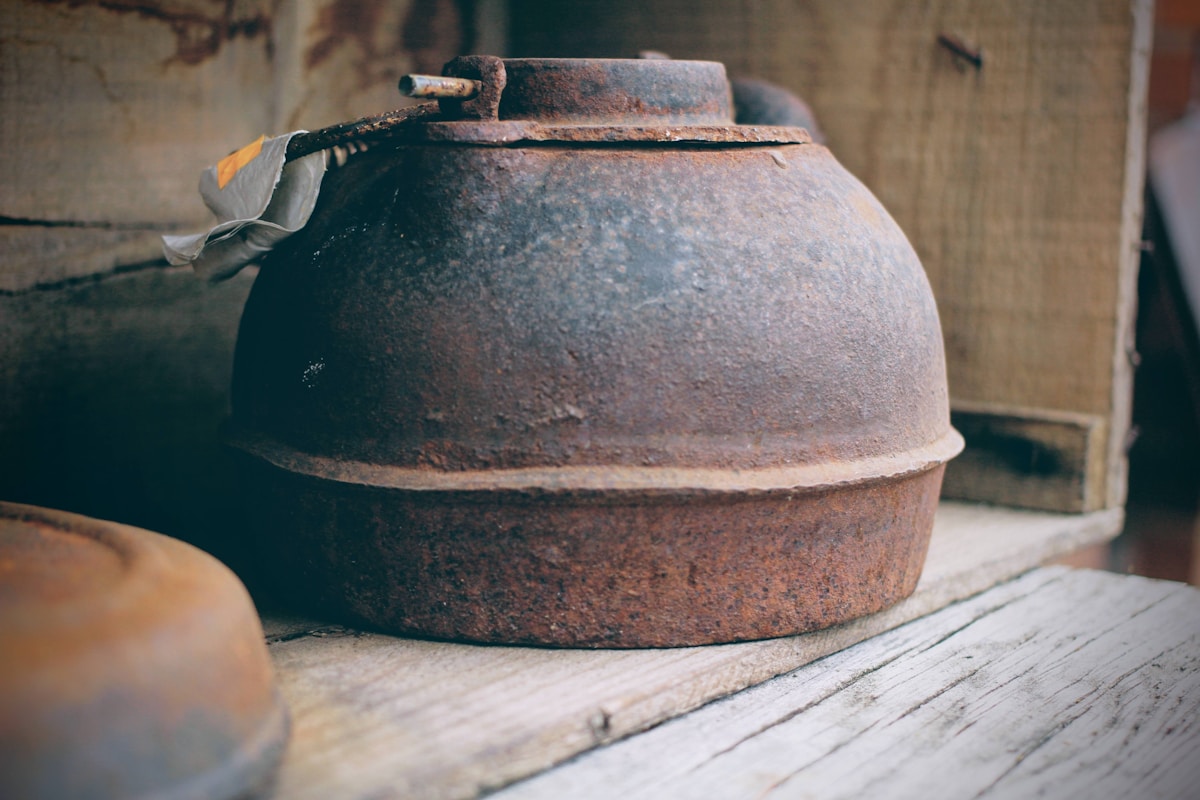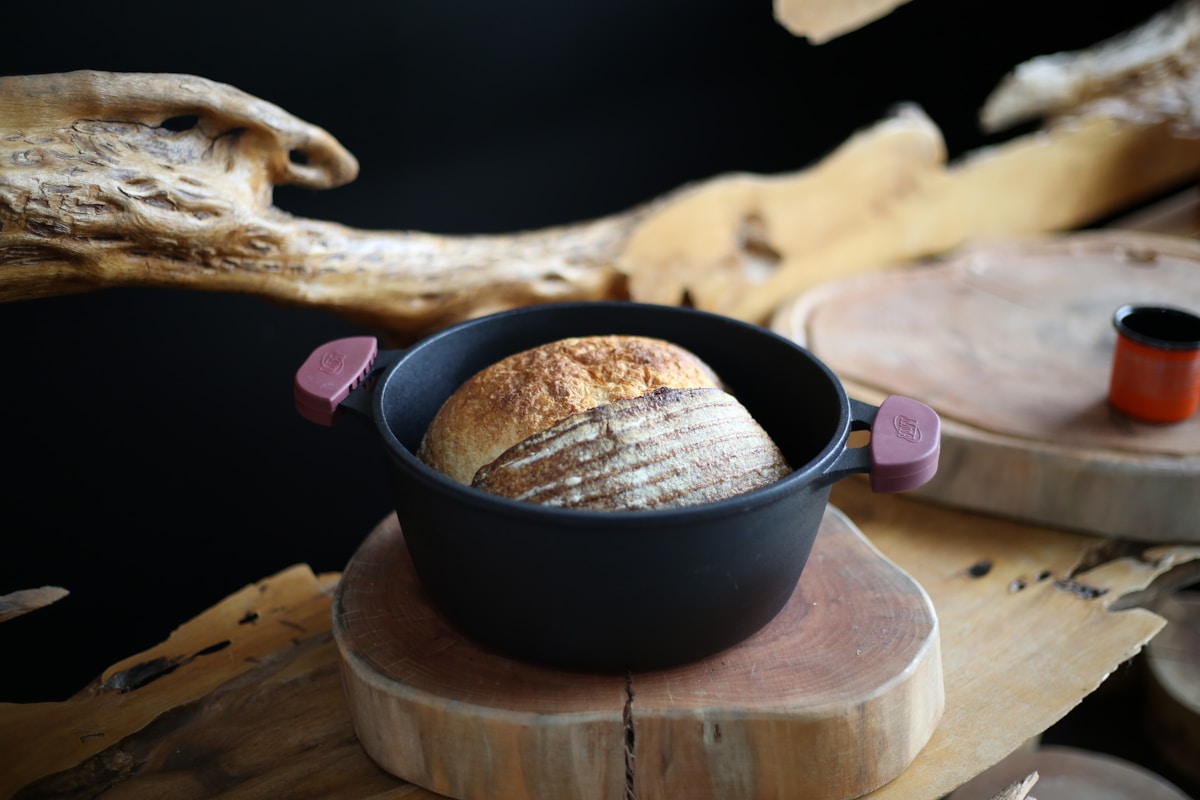
You’ve seen them. Tucked away on a shelf at the kitchen store or popping up online, looking like a piece of dollhouse cookware. A tiny cast iron pot, maybe one quart or even smaller, impossibly cute and begging the question: “What on earth would I actually do with that?”
It’s a fair question. In an era where we’re all trying to declutter and embrace minimalism, buying a single-task, niche piece of gear can feel frivolous. We want tools that are workhorses, not dust-collecting ornaments. And let’s be direct: you are not cooking a family meal in a one-quart pot. It’s not going to replace your Dutch oven or your trusty 10-inch skillet.
But after using one of these little guys in my test kitchen for the past few months, I’ve found that dismissing it as a novelty is a mistake. The most expensive tool isn’t always the right one, and sometimes, the smallest tool is the most efficient. This tiny pot isn’t about cooking big; it’s about cooking small, with precision and control. So, let’s break down whether this miniature marvel deserves a spot in your cabinet.
First Things First What is a ‘Mini’ Pot?
Before we get into the uses, let’s define our terms. When I say “mini cast iron pot,” I’m generally talking about cookware with a capacity between 0.5 quarts (about 2 cups) and 1.5 quarts (6 cups). They often come with a matching lid and look like a shrunken-down version of a classic Dutch oven.
The most common and accessible version is the Lodge 1-Quart Cast Iron Serving Pot. It’s affordable, indestructible, and a perfect entry point. You’ll also see enameled versions from brands like Staub and Le Creuset, which offer easier cleanup and beautiful aesthetics for a much higher price.
The key feature, regardless of brand, is the material itself. Cast iron’s magic lies in its heat retention. Once it gets hot, it stays hot. In a large pan, this is great for searing steaks. In a tiny pan, this property opens up a whole new world of small-batch culinary tasks that other cookware just can’t handle as well.
The Jobs a Mini Pot Does Beautifully
This is where the rubber meets the road. If you find yourself doing any of these tasks regularly, a mini pot could genuinely make your life easier.
-
Perfectly Melted Butter & Chocolate: Microwaving butter is a gamble—one second it’s solid, the next it’s a sputtering, separated mess. Melting it in a full-size saucepan often leads to browning too quickly because the surface area is too large. A mini cast iron pot, heated gently over low heat, is the perfect tool. The thick walls distribute heat evenly, melting butter or chocolate without any risk of scorching. It’s foolproof for making a small batch of brown butter for a sauce or cookies.
-
Keeping Dips and Sauces Hot: This is my favorite use. You make a fantastic queso dip, a spinach and artichoke dip, or some au jus for French dip sandwiches. You bring it to the table in a regular bowl, and within 10 minutes, it’s lukewarm and congealed. (A culinary tragedy.) Heat the mini pot in a 350°F (175°C) oven for about 15 minutes, pour in your hot dip, and bring it to the table. Its thermal mass will keep that dip beautifully warm for a surprisingly long time. No cords, no fuss.
-
Toasting Spices, Nuts, and Seeds: If you want to elevate your cooking, start toasting your whole spices. The flavor difference is staggering. Tossing a tablespoon of cumin seeds or a handful of pine nuts into a large skillet is inefficient; they skitter around and can burn easily. The small, contained space of a mini pot is ideal. A minute or two over medium heat, swirling constantly, and you’ll be hit with an incredible aroma. That’s your cue they’re done.
-
Single-Serving Bakes and Desserts: This is where the mini pot becomes a showstopper. It’s the perfect vessel for individual portions, going straight from the oven to the table.
- Molten Lava Cakes or Brownies: Prepare your favorite brownie batter, pour it into the greased pot, and bake. You get a dessert with crispy edges and a gooey center, served warm with a scoop of ice cream on top.
- Individual Fruit Crumble: Toss some berries or chopped apples with sugar and a pinch of cinnamon, top with a simple oat crumble, and bake at 375°F (190°C) until bubbly and golden. It’s portion control and presentation in one.
- Baked Eggs: Think shakshuka for one. Sauté a little garlic and onion in the pot on the stove, add a bit of crushed tomato and spices, then crack an egg right in the middle. Transfer the whole thing to the oven and bake until the egg white is set. Serve it with a chunk of crusty bread for dipping. (Your weekend brunch just got a serious upgrade.)
-
Garlic Confit: This sounds fancy, but it’s incredibly simple and a mini pot is the ideal tool. Place a dozen peeled garlic cloves into the pot and pour in enough olive oil to cover them completely. Cook in a 250°F (120°C) oven for about 1.5 to 2 hours, or until the cloves are tender and lightly golden. Let it cool, and you have soft, spreadable garlic to use on bread, in dressings, or mashed into potatoes. Using a large pot for this would require an enormous amount of oil, making the mini pot the efficient choice.
Head-to-Head Mini Pot vs. Small Saucepan
The biggest argument against the mini cast iron pot is that a small saucepan can do most of these things. That’s partially true, but the performance isn’t the same. Let’s compare.
-
Heat Retention: Winner: Mini Cast Iron Pot. It’s not even a contest. A thin-walled saucepan loses heat almost the second you take it off the burner. Cast iron’s ability to stay hot is what makes it superior for tableside serving of dips or keeping a sauce warm.
-
Oven & Broiler Safety: Winner: Mini Cast Iron Pot. Most saucepans have plastic or resin handles that are only oven-safe up to 350°F (175°C), if at all. A cast iron pot is a single piece of metal. You can take it from the stove, to a 500°F oven, to the broiler without a second thought. This versatility is crucial for baked eggs or finishing a gratin.
-
Durability: Winner: Mini Cast Iron Pot. A good saucepan can last years, but a cheap nonstick one will inevitably get scratched and need replacing. A cast iron pot is a lifetime purchase. You could probably pass a Lodge pot down to your grandkids. (Seriously, they’re nearly indestructible.)
-
Ease of Cleaning: Winner: Small Saucepan. Let’s be honest. A quick wash with soap and water is easier than the care and seasoning a traditional cast iron pot requires. (Enameled cast iron bridges this gap, offering easy cleaning but at a higher price.)
-
Precision & Speed: Winner: Small Saucepan. If you need to boil a cup of water quickly or need rapid temperature changes, the thin walls of a saucepan will respond much faster than the slow, steady heat of cast iron.
Models to Consider
If you’re sold on the idea, here are a few options at different price points.
-
The Workhorse: Lodge 1-Quart Cast Iron Serving Pot
- Price: $20 - $30
- Pros: Incredibly affordable, pre-seasoned, and will last forever. It’s the benchmark for performance and value. The dual-handle design is great for stability.
- Cons: Requires traditional cast iron care (no dishwasher, keep it dry and oiled).
-
The Functional Art: Staub 0.75-Quart Petite French Oven
- Price: $150+
- Pros: Absolutely beautiful enameled finish in a variety of colors. The enamel interior doesn’t require seasoning and is much easier to clean. Exceptional quality and heat retention.
- Cons: The price. It’s a significant investment for a niche product.
-
The Middle Ground: Cuisinart Chef’s Classic 0.5-Quart Mini Casserole
- Price: $25 - $40
- Pros: Enameled for easy cleaning at a much more accessible price point than the premium European brands. A great option if you want the benefits of enamel without the high cost.
- Cons: The enamel may not be as durable as Staub’s in the long run, but for the price, it’s a fantastic performer.
The Final Verdict Is It a Must-Have or a Nice-to-Have?
After all this, here’s my honest take: a mini cast iron pot is not an essential piece of kitchen equipment. You can survive without one. Your 10-inch skillet, 3-quart saucepan, and large Dutch oven are the true non-negotiables.
However, I’d classify it as a “high-value specialist.” It performs a specific set of tasks significantly better than its more versatile counterparts.
You should buy a mini cast iron pot if:
- You frequently make small batches of sauces or melt ingredients.
- You love hosting and want a better way to serve hot dips.
- You’re excited by the idea of making individual desserts and meals.
- You appreciate durable, long-lasting tools and already enjoy cooking with cast iron.
You should probably skip it if:
- Your kitchen storage is extremely limited.
- You rarely cook the types of dishes listed above.
- You dislike the maintenance of traditional cast iron (and don’t want to spring for an enameled version).
For the price of a Lodge, it’s a low-risk investment that can bring a lot of utility and fun to your kitchen. It’s a tool that, once you have it, you’ll find more and more uses for. It’s not about vanity; it’s about using the right tool for the job, no matter how small.