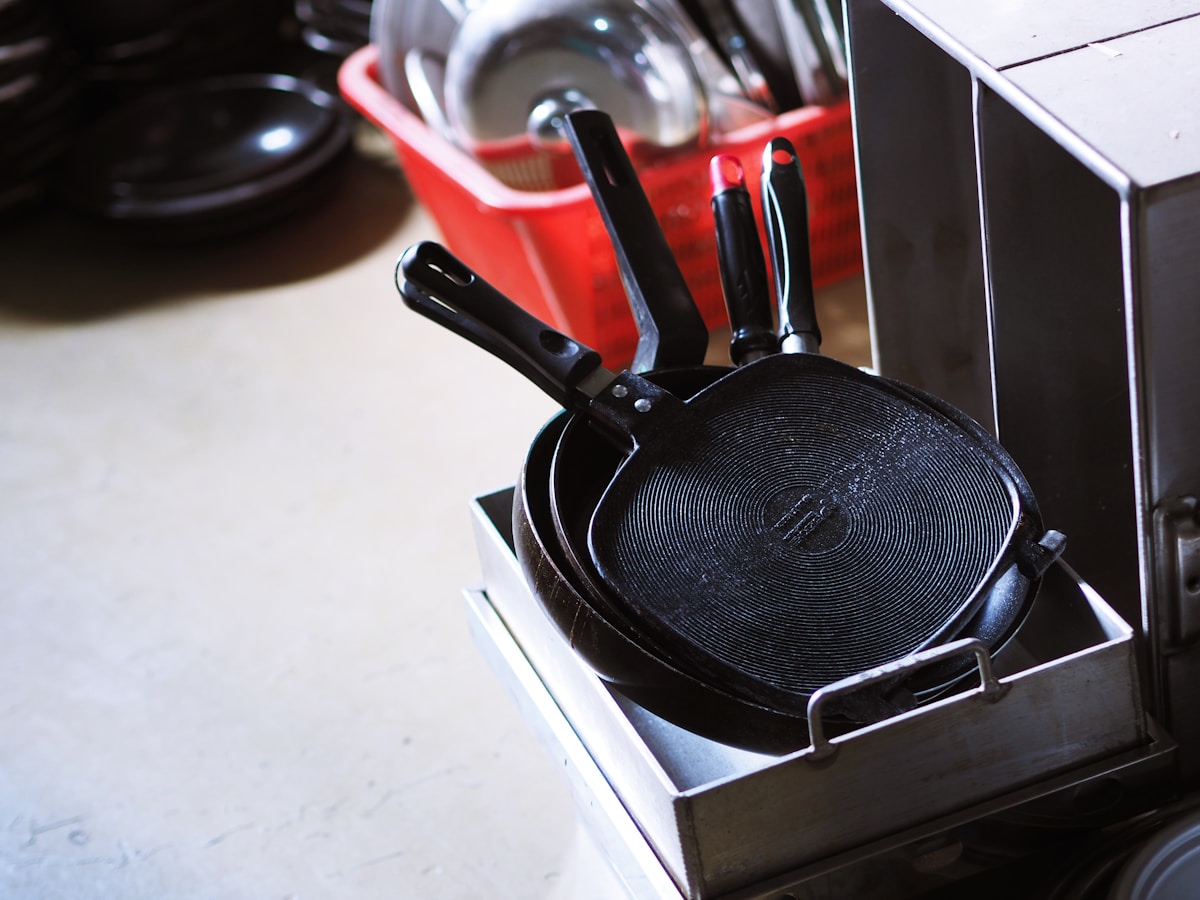
You see it in the back of your grandmother’s cabinet, at a garage sale for a couple of bucks, or maybe you just forgot one on the back burner. It’s a cast iron skillet, but it’s not the beautiful, jet-black, glossy pan you see in cooking videos. It’s a sad, crusty, orange-flaked mess. Your first thought is probably, “Well, that’s ruined. Into the trash it goes.”
I’m Lucas, and I’ve tested, reviewed, and restored more cookware than I can count. I’m here to tell you that ninety-nine percent of the time, that thought is completely wrong. That rusty skillet isn’t garbage; it’s a treasure waiting to be uncovered. Cast iron is one of the few things in the kitchen that truly is a ‘buy it for life’ (or in this case, ‘find it for life’) item. With a little bit of elbow grease and the right process, you can turn that rusted relic into the best pan you’ve ever owned.
Why Cast Iron Rusts and Why It’s Not a Death Sentence
First, let’s get the science out of the way. It’s simple: iron, when exposed to oxygen and moisture, rusts. That’s it. Your beautiful black cast iron pan has a protective shield called seasoning. This isn’t just a layer of oil; it’s a layer of polymerized oil. Through heating, the fat molecules have cross-linked and bonded to the metal, creating a hard, plastic-like, non-stick surface.
When that seasoning gets worn away, scrubbed off, or compromised, moisture can get to the bare iron underneath. A little bit of water left in the pan after washing is all it takes to see a few orange spots. A lot of neglect (like leaving it to soak in the sink — please don’t do that) leads to a full-blown rust takeover.
But here’s the key: that rust is almost always just on the surface. Unlike a car where rust can eat through the metal, the core of your cast iron pan is perfectly sound. All we need to do is remove the rust and the failed seasoning, get back to the raw metal, and then build a new, better seasoning layer from scratch. You’re not just cleaning it; you’re giving it a factory reset.
The Restoration Toolkit What You’ll Actually Need
Forget fancy equipment. You don’t need a sandblaster or a machine shop. The best methods use common household items. This is my go-to kit for bringing even the crustiest pans back from the dead.
- A Lye-Based Oven Cleaner: This is the magic ingredient. The most common and effective one is Easy-Off Heavy Duty Oven Cleaner in the yellow can. The key ingredient is lye (sodium hydroxide), which chemically dissolves the old, baked-on grease and seasoning. (Do not use the fume-free blue can version; it won’t work.)
- Heavy-Duty Plastic Trash Bag: You’ll need one large enough to completely seal the pan inside. No leaks!
- Safety Gear: This is non-negotiable. Lye is caustic and can cause serious chemical burns. You need thick rubber gloves and safety glasses or goggles. Work in a well-ventilated area, preferably outside.
- A Scrubber: Steel wool is the classic choice for removing the stubborn bits. A stainless steel chainmail scrubber also works wonderfully.
- White Vinegar: Plain old distilled white vinegar will be our rust remover.
- Basic Dish Soap: A good degreasing soap like Dawn is perfect for the final wash before seasoning.
- Seasoning Oil: You need a neutral oil with a relatively high smoke point. Good options include grapeseed oil, canola oil, avocado oil, or even classic Crisco shortening. Avoid olive oil for this initial process, as its low smoke point can lead to a sticky finish.
- Lint-Free Rags or Paper Towels: You’ll need these for applying and, more importantly, wiping off the oil.
Step-by-Step The From-Rust-to-Ready-to-Cook Process
Ready to get to work? Set aside a weekend for this. Most of the time is just waiting, but the results are worth it.
Step 1: The Lye Bath (Stripping the Old Gunk)
Put on your gloves and goggles. Take your pan outside or to a very well-ventilated space. Place it inside the trash bag. Generously spray every single surface of the pan—inside, outside, handle, everything—with the yellow-cap Easy-Off. Don’t be shy. Once it’s coated, seal the bag up tight, pushing out most of the air. Now, put it somewhere safe (like the garage) where pets or kids can’t get to it, and let it sit for at least 24 hours. For really thick, old seasoning, you might even need 48 hours.
Step 2: The Big Reveal and Rust Removal
After a day or two, put your safety gear back on. Open the bag carefully (still outside) and take the pan to a sink. Using hot water and your scrubber, start scrubbing. The old seasoning and crud should slough off in a sludgy, black mess. It’s deeply satisfying. Wash it all off with soap and water.
You’ll likely still see orange rust patches. Now for the vinegar. Make a 50/50 solution of white vinegar and water in your sink, just enough to submerge the pan. Let it soak for no more than 30 minutes. The acid in the vinegar reacts with the iron oxide (rust) and dissolves it. After 30 minutes, pull it out and give it a good scrub with steel wool. The rust should come right off, revealing a dull, grayish metal underneath. This is your pan in its raw, naked state. (Your future self will thank you for not soaking it longer, as the acid can begin to etch and pit the iron itself.)
Immediately wash the pan one last time with soap and water to neutralize the vinegar, and then—this is critical—dry it completely. I mean bone dry. The best way is to towel it off and then place it in a 200°F (about 95°C) oven for 10-15 minutes to evaporate every last molecule of moisture.
Step 3: The Seasoning Ritual (Building Your New Surface)
Now for the most important part. While the pan is still warm (but cool enough to handle), put a tiny amount of your chosen seasoning oil in it—about a teaspoon. Use a lint-free cloth or paper towel to rub that oil over every single surface of the pan. Again, inside, outside, handle, all of it.
Here is the single most important kitchen hack for seasoning: once it’s coated, take a clean cloth and wipe it all off. Seriously. Wipe it down like you made a mistake and didn’t want any oil on it at all. The microscopic layer that remains in the pores of the iron is all you need. Too much oil will turn into a sticky, splotchy, uneven mess.
Place the pan upside down on the middle rack of your oven. Put a sheet of aluminum foil on the rack below it to catch any potential drips (though if you wiped it off correctly, there shouldn’t be any). Heat your oven to 450-500°F (232-260°C). Once it’s at temperature, let the pan bake for one full hour. After an hour, turn the oven off but leave the pan inside to cool down slowly. This process is called polymerization, and it’s what creates that tough, non-stick surface.
Your pan will look a little bit bronze or brown. This is normal. To get that deep black color and a durable finish, you need to repeat this process at least 3 to 5 times. Yes, it takes time, but this foundation is everything.
Your First Meal and a Lifetime of Good Cooking
Congratulations! You’ve successfully resurrected a piece of culinary history. That pan is now ready for action. The seasoning will continue to build and improve with every use, especially for the first few months.
For its maiden voyage, cook something fatty. Sautéing onions in butter, frying bacon, or baking a skillet cornbread are all excellent choices. These fatty foods will help bolster that fresh layer of seasoning you worked so hard to create. Avoid acidic foods like tomatoes or wine sauces for the first few cooks, as they can be a bit harsh on a young seasoning layer.
From here on out, maintenance is simple. After cooking, wash it with a brush and a little bit of soap and hot water. (Yes, you can use soap. That’s a myth from a time when soaps contained lye.) The most important part is to dry it thoroughly immediately after washing. I always put mine back on the stovetop over low heat for a minute to make sure it’s completely dry. Then, just wipe a very thin layer of cooking oil inside while it’s still warm, and you’re done.
So next time you see a rusty pan, don’t see a piece of junk. See potential. See a weekend project that will reward you with decades of delicious food and the satisfaction of knowing you saved something that was built to last forever.