You need to melt two tablespoons of butter for a batch of popcorn. You open the cabinet and stare at your options. Do you grab a full-sized, one-quart saucepan, knowing most of the precious butter will just coat the bottom and sides? Or do you zap it in a bowl in the microwave, playing the familiar game of “will it melt gently or will it explode into a greasy Jackson Pollock painting?”
It’s a small, daily kitchen frustration we all know. It’s the same story when you want to warm up a half-cup of maple syrup for pancakes or keep a bit of gravy hot. Using a big pot for a tiny job feels wasteful and inefficient. This is where you might have seen a peculiar little piece of cookware pop up online or in a kitchen store: the tiny cast iron pot. It’s adorable, hefty, and looks like it belongs in a dollhouse. And you’ve probably asked yourself the same question I did: “Is that thing a gimmick, or is it actually useful?”
As the gear reviewer here, I’ve tested my fair share of single-task kitchen gadgets that end up collecting dust. I was skeptical. But after getting my hands on one and putting it through its paces, I’m here to tell you the verdict. Let’s break down what these mini pots are really for and whether you should make room for one in your kitchen.
First Things First What Is a Tiny Cast Iron Pot
Before we get into the uses, let’s define what we’re talking about. These aren’t just small saucepans; they are miniature cauldrons forged from solid cast iron. The most common and accessible model you’ll find is the Lodge 15-Ounce Cast Iron Melting Pot. It typically holds less than 20 ounces (about 590 ml), has a thick, heavy base, a stubby handle, and often a little pour spout on each side.
Its key feature is its material. Cast iron is a master of heat retention. Unlike aluminum or even stainless steel which heats up and cools down quickly, cast iron takes its time to get hot, but once it’s there, it stays there. This property is the secret to its surprising utility. This isn’t a pot for rapidly boiling water; this is a pot for holding a steady, consistent temperature, both on and off the heat.
For a piece of Lodge cookware, they are also incredibly affordable. You can usually find one for between $15 and $25. This isn’t a major kitchen investment; it’s an inexpensive tool that, if you use it, offers fantastic value.
Beyond Butter The Surprisingly Long List of Uses
Okay, so it’s called a “melting pot.” And yes, it is absolutely fantastic for melting butter. The heavy bottom distributes the heat so gently that you get perfectly melted, unsputtering butter every time. But calling it just a butter melter is like calling a chef’s knife just a tomato slicer. Here’s a rundown of the jobs this little workhorse excels at.
Warming and Serving:
- Perfectly Warmed Syrup: Pour your maple syrup in, set it on a back burner on low while you make pancakes, and it will be perfectly warm when you’re ready to serve. Better yet, the cast iron will keep it warm on the breakfast table long after you’ve pulled it from the stove. (A cold syrup tragedy averted.)
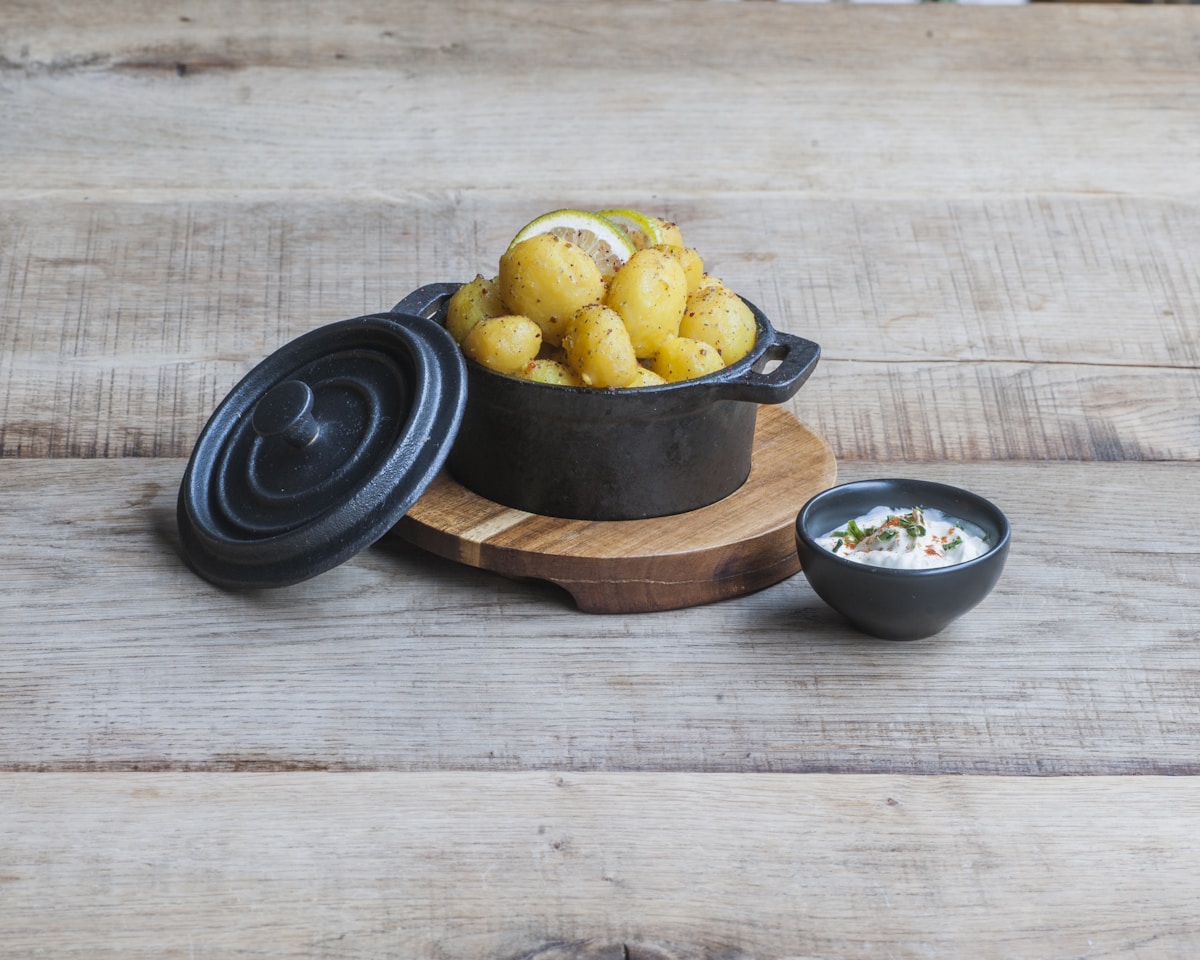
- Sauces, Gravies, and Dips: It’s the perfect vessel for keeping a small amount of cheese sauce for pretzels, au jus for a French dip sandwich, or leftover gravy warm. It’s also brilliant for serving individual hot dips like queso or spinach artichoke dip directly from the oven to the table.
- Chocolate Melting: Melting chocolate can be finicky. The gentle, even heat of this pot is perfect. Just put it on your lowest stove setting, add your chocolate wafers, and stir. It won’t scorch. Aim for a gentle heat, never letting the chocolate go above 115°F (46°C), and you’ll have a smooth, glossy texture perfect for dipping strawberries or drizzling over a cake.
Cooking and Baking in Miniature:
- The Single-Serve Skillet Dessert: This is where the mini pot truly shines. You can make an incredible, single-serving brownie or chocolate chip cookie skillet. The cast iron creates those amazing crispy edges while the inside stays gooey and molten. It’s a 15-minute dessert that feels incredibly indulgent.
- Mini Skillet Cookie Recipe: Mix 2 tbsp melted butter, 2 tbsp brown sugar, 1 tbsp white sugar, 1/4 tsp vanilla, and a pinch of salt in a small bowl. Whisk in 1 egg yolk. Then, stir in 1/4 cup of all-purpose flour and 1/8 tsp baking soda. Finally, fold in 3 tbsp of chocolate chips. Press the dough into your lightly greased mini pot and bake at 350°F (175°C) for 12-15 minutes, until the edges are golden but the center is still soft. Top with a scoop of vanilla ice cream. (You’re welcome.)
- Roasting Garlic: Pop a whole head of garlic, drizzled with olive oil, into the pot and roast it in the oven. The size is perfect, and the even heat makes for creamy, sweet roasted garlic every time.
- The Perfect Fried Egg: Need one perfectly round egg for a breakfast sandwich? The base of this pot is the ideal size. The heat retention ensures a crispy-edged, perfectly cooked egg white.
Mini Pot vs Small Saucepan Which Is Better
This is the practical question. You probably already have a small saucepan, so why would you need this too? They aren’t mutually exclusive; they’re two different tools for different jobs.
| Feature | Tiny Cast Iron Pot | Small Saucepan (Stainless/Aluminum) |
|---|---|---|
| Heat Retention | Excellent. Stays hot for a long time. | Poor to Fair. Cools down quickly. |
| Heating Speed | Slow. Takes time to heat up. | Fast. Heats up in seconds. |
| Best For | Gentle melting, keeping things warm, oven-to-table serving. | Quick heating, boiling liquids, acidic sauces. |
| Durability | Generational. Will outlive you. | Varies. Non-stick coatings wear out. |
| Cleaning & Care | Requires seasoning, hand-wash only, must be dried thoroughly. | Easy. Most are dishwasher-safe. |
| Presentation | Rustic and impressive. | Utilitarian. |
The bottom line: A small saucepan is your sprinter, great for quick tasks like boiling a cup of water or heating soup. The tiny cast iron pot is your marathon runner, built for endurance—holding heat steadily and looking good while doing it. It’s not a replacement; it’s a specialist.
Care and Feeding of Your Tiny Titan
If you’re new to cast iron, don’t be intimidated. The care is simple and becomes second nature.
- Seasoning: Your pot will come pre-seasoned, but it gets better with every use. Seasoning is just oil baked onto the iron, which creates a natural, non-stick surface. Every time you cook with fat in it, you’re adding to the seasoning.
- Cleaning: After use, rinse it with hot water and use a stiff brush or a scraper to remove any stuck-on bits. A little bit of mild soap is fine on modern, well-seasoned cast iron (the old rule about “no soap” was from when soap contained lye). Avoid harsh scouring pads.
- The Kitchen Hack: For really stubborn food, pour an inch of water in the pot and bring it to a boil on the stove. The stuck-on food will lift right off.
- Drying (The Most Important Step): Never let it air dry. Rust is the enemy. After washing, wipe it dry and then place it on a warm burner for a minute or two to evaporate every last drop of moisture.
- Oiling: While it’s still warm, wipe a very thin layer of a neutral cooking oil (like canola or grapeseed) over the entire surface with a paper towel. This protects it from moisture and builds the seasoning.
The Final Verdict Should You Buy One
So, after all this, is a tiny cast iron pot worth your money and your cabinet space?
Here’s my direct, no-fluff answer: it depends entirely on how you cook.
You should absolutely buy one if:
- You are a cast iron enthusiast who loves the material.
- You frequently make things that need small amounts of melted butter (popcorn, seafood).
- You make pancakes or waffles regularly and dream of perfectly warm syrup.
- You love making and serving hot, cheesy dips for guests.
- The idea of a 15-minute, single-serving skillet cookie makes your heart sing.
You can probably skip it if:
- You are a kitchen minimalist who prizes multi-taskers above all else.
- You rarely find yourself needing to melt or warm small quantities of anything.
- You absolutely despise hand-washing dishes and the idea of seasoning cookware sounds like a chore.
For under $25, the tiny cast iron pot is a low-risk purchase that offers surprisingly high rewards. It’s not an essential, must-have piece of gear like a good chef’s knife or a 10-inch skillet. But it is one of the most useful, charming, and high-performing “specialty” items I’ve ever tested. It solves a specific set of common kitchen problems with unmatched efficiency and style. It’s a true case of the right tool for the job—and a perfect example of how a small, inexpensive item can bring a whole lot of joy to your kitchen.