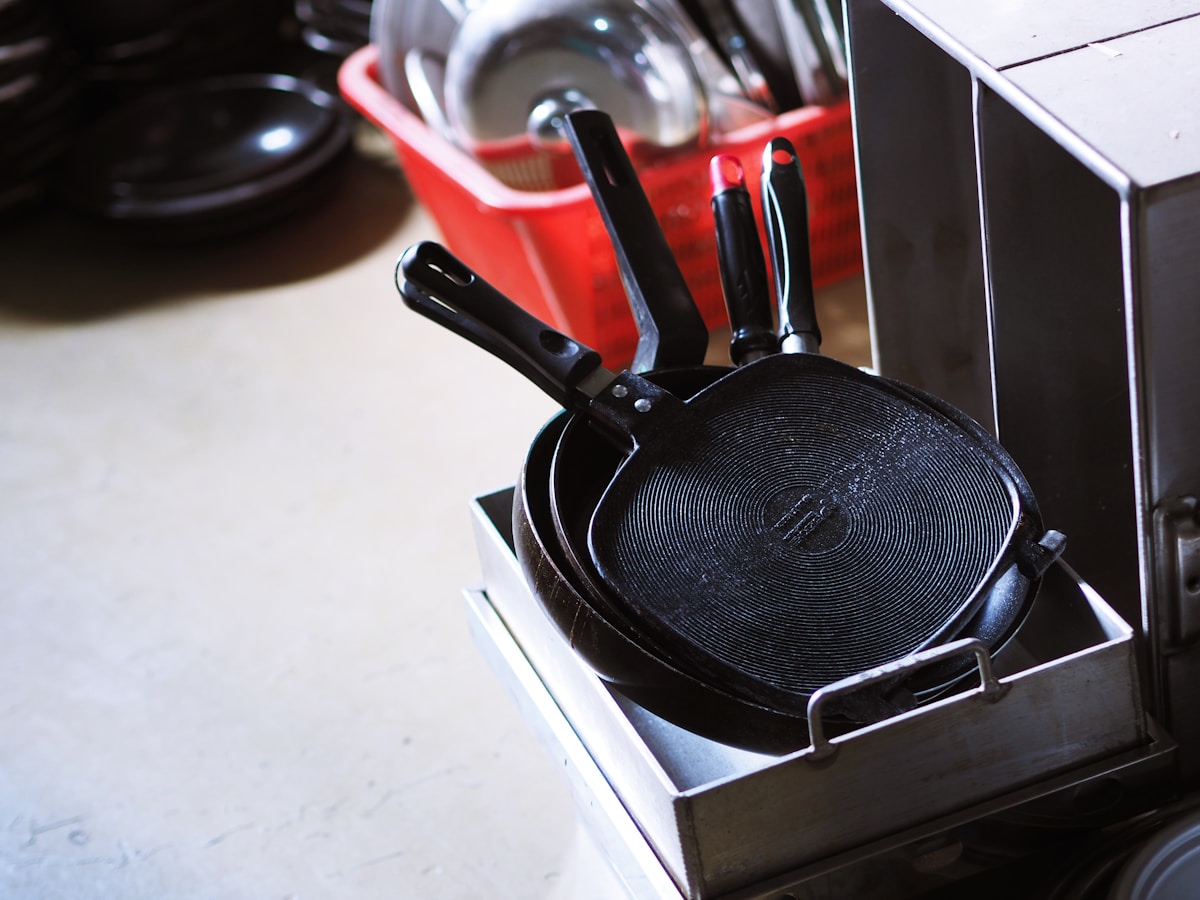
It’s a heart-sinking moment for any home cook. You pull out your trusty cast iron skillet—the one that’s seared countless steaks and crisped up a thousand potato hashes—only to find it looking…awful. Maybe a well-meaning houseguest left it to soak in the sink, and now it’s covered in a fine layer of orange rust. Or maybe after a particularly smoky cooking session, it’s caked in a thick, black, flaky crust that won’t budge.
Your first thought is probably, “That’s it. It’s ruined.” You start mentally calculating the cost of a new one. But I’m here to tell you to stop, take a breath, and put your wallet away. Unless your skillet is physically cracked in half or warped into a bowl, I can almost guarantee you haven’t ruined it. You’ve just given it a little too much character.
So What Does ‘Ruined’ Actually Mean for Cast Iron?
Let’s get one thing straight: cast iron is not like the non-stick pans you buy at a big-box store. Those pans have a delicate, chemically-sprayed coating. When that coating scratches or flakes, the pan’s performance is permanently degraded. There’s no fixing it; you just have to toss it.
Cast iron is fundamentally different. It’s a solid, thick piece of iron alloy. Its “non-stick” surface isn’t a coating—it’s seasoning. Seasoning is nothing more than multiple, ultra-thin layers of cooking oil that have been heated past their smoke point, causing them to polymerize and bond to the metal. This creates a hard, slick, natural surface.
Because the surface is something you build yourself, it’s also something you can always rebuild. The only two ways to truly kill a cast iron pan are:
- Cracking It: This usually happens from thermal shock (plunging a sizzling hot pan into cold water) or dropping it on a hard floor. Cast iron is brittle. If you see a crack, it’s game over.
- Warping It: Extreme, uneven heat can cause the bottom of the pan to bulge or warp, so it no longer sits flat on your stove. This makes even heating impossible. A slight wobble is manageable, but a major warp is a fatal flaw.
Anything else—rust, carbon buildup, sticky spots, flakiness—is a surface-level problem. It’s an issue with the seasoning, not the pan itself. And that is 100% fixable.
Diagnosing Your Pan What’s Really Wrong
Before you can fix the problem, you need to know what you’re looking at. It usually falls into one of two categories.
-
Rust (The Orange Menace): This is simply iron oxide. It happens when the bare iron of your pan is exposed to moisture for too long. Maybe you let it air dry, left it soaking, or stored it in a damp cabinet. It looks scary, but it’s completely harmless and only on the surface. It hasn’t eaten through your pan.
-
Carbon Buildup (The Black Flakes): This is the tough, crusty black stuff that flakes off into your food. It’s not the pan peeling. It’s a combination of old, burnt food particles and layers of seasoning that didn’t apply properly. It builds up over time, becomes brittle, and eventually starts to chip away. It makes food stick and tastes bitter. (It’s also why some old pans feel bumpy).
In both cases, the solution is the same: strip away the old, damaged surface and build a new one from scratch.
The Restoration Playbook From Wreck to Workhorse
Restoring a pan is a two-phase process: stripping it down to the bare metal, then meticulously re-seasoning it. It sounds intimidating, but it’s a surprisingly satisfying project. Here’s the most accessible method for home cooks.
Phase 1: Stripping to Bare Metal (The Easy-Off Method)
Yes, oven cleaner. Specifically, you need yellow-cap Easy-Off Heavy Duty Oven Cleaner. Check the ingredients; it must contain lye (sodium hydroxide), as this is what breaks down the old seasoning and carbon. The fume-free versions won’t work.
Safety First: Do this outside or in a very well-ventilated area. Wear rubber gloves and eye protection. Lye is no joke.
- Prep: Take your pan outside and place it in a heavy-duty garbage bag.
- Spray: Generously spray the entire pan—inside, outside, handle, everywhere—with the yellow-cap Easy-Off. Don’t be shy.
- Bag It: Seal the pan inside the garbage bag, pressing out most of the air. This keeps the spray from drying out so it can work its magic.
- Wait: Let it sit for 24-48 hours. For really thick carbon buildup, you might need the full two days. Find a safe spot for it on a patio or balcony.
- Scrub & Rinse: Wearing your gloves, remove the pan. The old seasoning and gunk should have turned into a black, sludgy mess. Scrub it under hot water with a stainless steel scrubber or scouring pad. It should come off with minimal effort.
- Deal with Rust: If there was rust, the stripping process will expose it. To remove it, give the pan a brief soak (no more than 30 minutes) in a 50/50 solution of white vinegar and water. The rust will dissolve. Scrub again and rinse thoroughly.
At the end of this process, you should be looking at a dull, grey piece of metal. This is the raw cast iron. (It’s beautiful, isn’t it?)
Phase 2: Re-seasoning from Scratch
Now you have to protect that bare metal from rust and build your new cooking surface. You must act quickly, as bare iron will start to rust in minutes.
- Dry Completely: Wash the stripped pan with soap and water one last time. Immediately place it on a stove burner over low heat for 5-10 minutes. This evaporates every last molecule of moisture. (This is the most critical step.)
- Apply Oil: While the pan is still warm (not hot), apply your first layer of seasoning oil. Use a high-smoke-point fat like grapeseed oil, canola oil, or even Crisco shortening. Pour a small amount (about a teaspoon) into the pan.
- Wipe It Off: Using a lint-free cloth or paper towel, rub the oil over every single surface of the pan. Inside, outside, handle, all of it. Now, take a clean cloth and wipe it all off as if you made a mistake and didn’t want any oil on there at all. The microscopic layer that remains is perfect.
- Bake It: Place the pan upside down on the middle rack of your oven. Put a sheet of foil on the rack below to catch any potential drips. Heat your oven to 450-500°F (230-260°C), which is well above the oil’s smoke point.
- Polymerize: Let it bake for one full hour. You might notice a faint smell and a bit of smoke; that’s the oil polymerizing. It’s a good sign. After an hour, turn the oven off but do not open the door. Let the pan cool down completely inside the oven for a couple of hours.
- Repeat: One layer is a start, but it’s not enough. For a durable, slick base, you need to repeat steps 2 through 5 at least two more times. Three to four coats will give you a fantastic starting point.
Your pan will emerge with a uniform, dark bronze or black, satiny finish. It’s ready for action.
How to Keep It From Happening Again
Now that you’ve done the hard work, daily maintenance is easy. The goal is to gently build on the seasoning you just created.
- Cook With It: The best thing for your seasoning is to cook, especially with fatty foods like bacon or cornbread.
- Clean Promptly: Don’t let the pan sit with food in it. Clean it after it has cooled down a bit but is still warm.
- Use Soap (Yes, Really): The old myth about never using soap on cast iron comes from a time when soap was made with lye, which would strip seasoning. Modern dish soap is just a mild detergent. It’s perfectly fine and helps remove food residue. Just don’t let it soak.
- Dry Thoroughly: This is non-negotiable. Never air dry. Either hand dry with a towel or, even better, place it on a low burner for a minute to ensure it’s bone-dry.
- Add a Maintenance Coat: While it’s still warm from drying, wipe on a tiny amount of your seasoning oil. It should just barely shimmer, not look greasy.
That’s it. Treat your skillet with just a little bit of care, and it will outlive you. A forgotten, rusty pan isn’t garbage—it’s an heirloom waiting to be reclaimed.