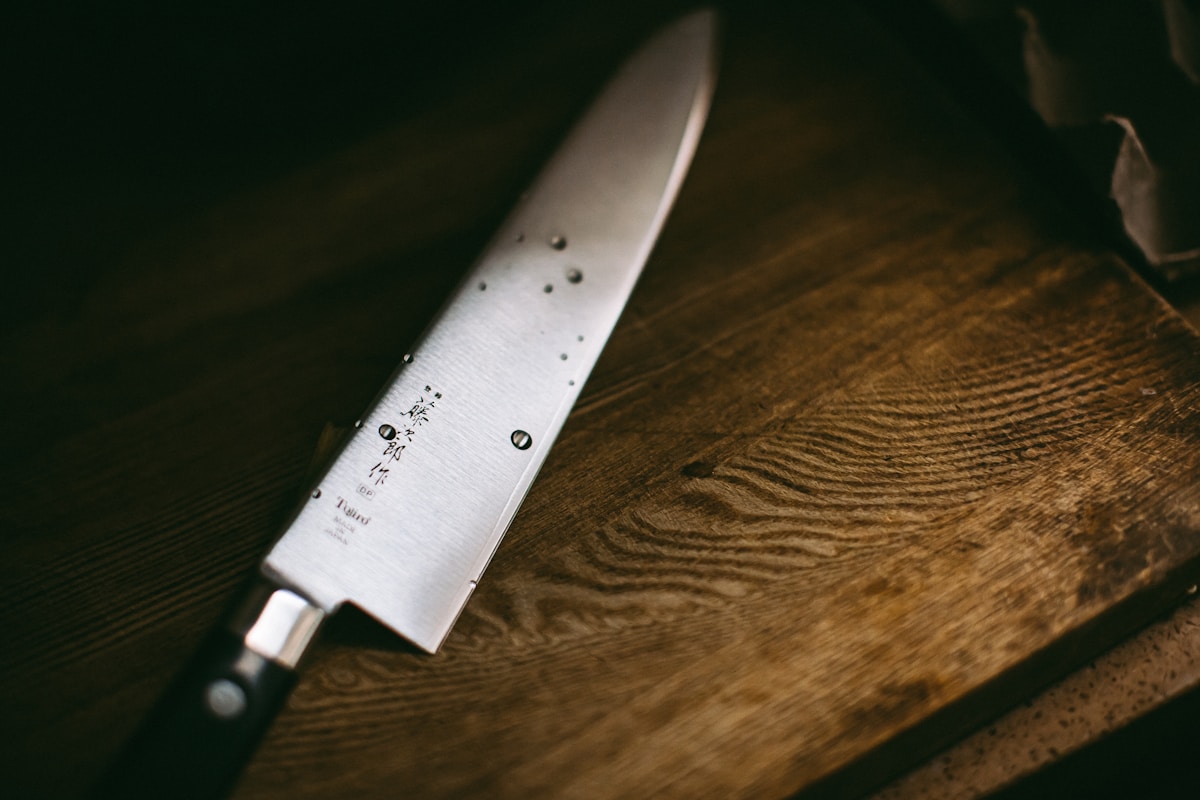
You know the struggle. You press down on a ripe tomato, the knife skids off the skin, and you end up with a squashed mess and a frustrated sigh. It’s a classic sign that your blade has gone dull. Recently, a Reddit thread on r/KitchenConfidential blew up when a line cook shared that their manager actually called blunt knives “totally fine” and banned staff from using the sharpening stones. That post sparked a huge debate about when knives really need sharpening versus when just a little honing will do. As someone who has tested dozens of knives and spent years in both home and commercial kitchens, I’m here to clear up the confusion. Let’s talk about what “dull” actually means, why it’s dangerous, and how often you should sharpen your kitchen knives to keep them cutting safely and smoothly.
Understanding Dull: The Tomato Test and More
A sharp knife doesn’t need force. If you have to bear down to cut through a tomato skin, your edge is gone. The same goes for onions: a dull blade will slip off the shiny surface and often land on your finger. And when you try to chiffonade basil, jagged, bruised leaves are a dead giveaway. The USDA actually recommends testing your knife by trying to slice a ripe tomato or cutting a piece of paper. If the knife doesn’t bite into the paper cleanly, it’s time for action. Visual inspection alone isn’t enough because micro‑burrs can look sharp but still perform poorly. So when your knife fails those simple tests, you’re not just losing precision — you’re creating a safety hazard. Dull blades require more pressure, and more pressure means more chances of slipping and cutting yourself. That’s why professional chefs take sharpness so seriously.
Honing vs. Sharpening: Know the Difference
A huge source of confusion is mixing up honing and sharpening. Honing with a steel (the long rod) doesn’t remove metal — it realigns the microscopic edge that gets bent during normal use. You should hone your knife every few uses or at least once a week. It takes seconds and keeps the blade performing at its peak between full sharpenings. Sharpening, on the other hand, actually grinds away metal to create a new edge. This is what you do with whetstones, electric sharpeners, or pull‑through gadgets. Home cooks generally need a professional sharpening every 3 to 6 months, depending on how often you cook. Commercial kitchens? That timeline shrinks to every few weeks or even weekly. The line cook from the Reddit story had sharpening experience and wanted to use the provided stones — but the manager overruled him. That’s a dangerous policy. A good manager should understand that a sharp knife is a safe knife.
How to Test Sharpness (Without a Tomato)
If you don’t have a ripe tomato handy, grab a sheet of standard printer paper. Hold it up by one corner and try to slice through it with the knife. A truly sharp blade will cut cleanly and effortlessly, making a smooth arc. A dull knife will either tear the paper, snag, or just push it away. Another quick test: try shaving a tiny bit of hair off your forearm. (Carefully — this isn’t a dare.) If the blade glides without pulling, you’re in good shape. I’ve also seen chefs simply run a finger lightly across the edge — perpendicular to the blade, not along it. A sharp edge feels like it has a tiny “bite” or roughness. A smooth, slick feeling means it’s dull. Use these tests weekly, and you’ll never be caught off guard.
The Right Tools and a Practical Schedule
For home cooks, this is a realistic routine: hone with a steel every 5–10 uses. Invest in a good honing steel — around $20–$40 for a quality model from brands like Victorinox or Wusthof. Then, schedule a full sharpening every 3–4 months. You can learn to use whetstones (a basic 1000/6000 grit combo stone runs $30–$50), or send your knives to a professional sharpening service (often $5–$10 per knife). If you prefer electric sharpeners, the Chef’s Choice Trizor XV is a solid choice at about $150, but be aware they remove more metal than stones. For serious home cooks, a set of Japanese water stones (like Shapton Pro) gives you incredible control, starting around $40 per stone. Remember, a $40 Victorinox Fibrox chef’s knife — sharpened properly — will outperform a $200 dull German knife every time. Price doesn’t equal performance if you neglect maintenance.
How to Advocate for Better Knife Care (Even in a Tough Workplace)
The Reddit post resonated because many cooks work under managers who don’t understand knives. If you’re in that situation, approach it diplomatically. Start by showing, not telling. Bring in a sharp knife from home and let the team see how much easier prep becomes. Share the paper test with your manager — “Hey, watch this — a sharp knife cuts paper, ours don’t.” Point out that dull knives actually cause more injuries and slow down service. If budget is the issue, suggest a weekly honing class and a $20 stone that can be shared. Many kitchen supply stores offer free sharpening workshops. And if all else fails, invest in your own stones and sharpen your personal knives at home. Your hands are worth it. (Trust me on this one — I’ve seen too many line cooks with bandaged fingers.)
The Bottom Line on Blades
A sharp knife is a joy to use. It makes prep faster, cuts cleaner, and reduces fatigue. The best schedule for most of us is weekly honing and professional or stone sharpening every three to six months. Don’t wait until you’re wrestling with a tomato. Test your blade now with a piece of paper. If it fails, grab your steel or your stone and give that edge the love it deserves. Your future self (and your fingers) will thank you.