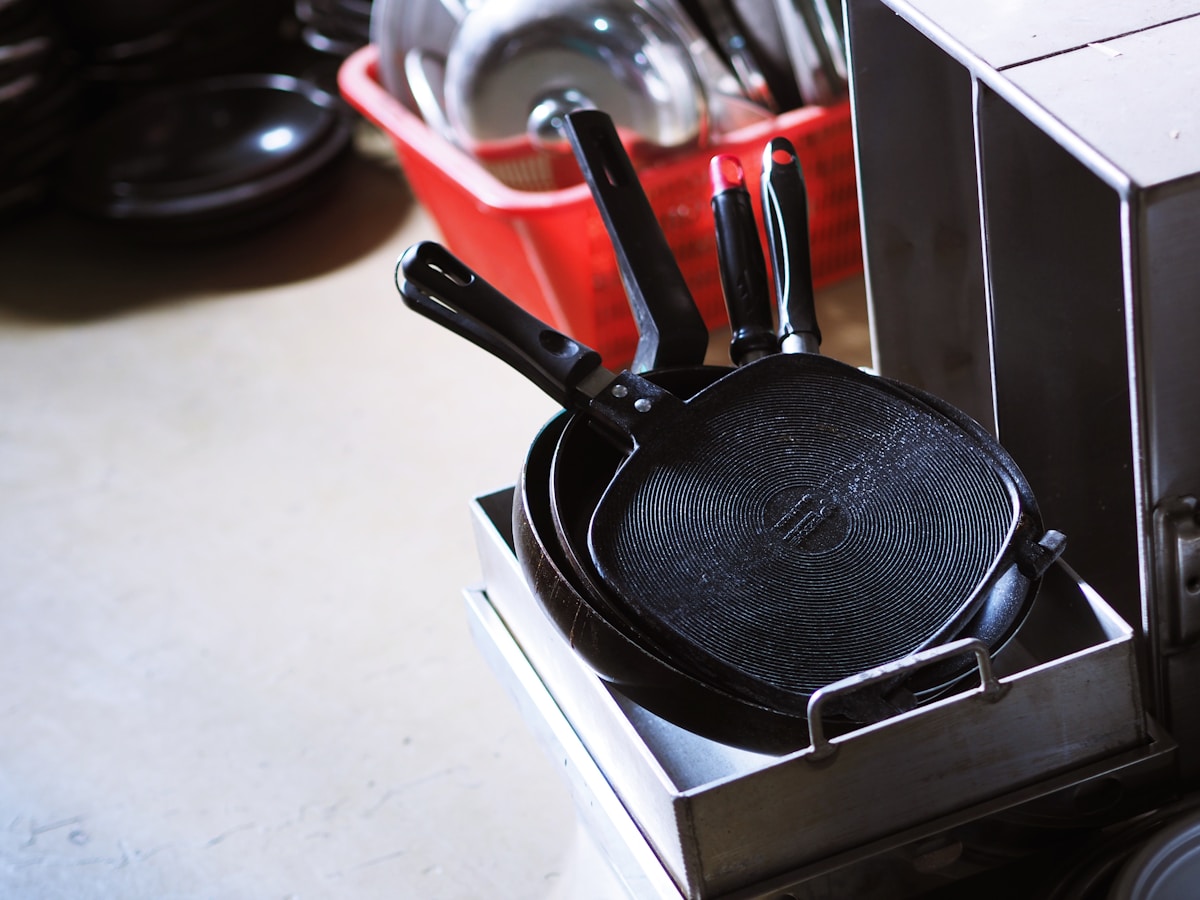
I’ve been there. You’re halfway through peeling a bag of potatoes for a big family dinner, and the flimsy blade of your $5 vegetable peeler snaps right off the plastic handle. Or maybe it’s the non-stick skillet you bought six months ago, now flaking into your morning eggs. It’s a frustrating, wasteful, and frankly, expensive cycle.
You buy a cheap tool. It works poorly, then it breaks. You throw it out and buy another one. This is the “disposable mindset,” and it costs us more than just money—it costs us our patience and joy in the kitchen.
Here at kitchen-fun.com, my philosophy is simple: the right tool makes cooking easier, but the most expensive tool isn’t always the right one. Today, we’re talking about the opposite of the disposable mindset. We’re talking about “Buy It For Life” (BIFL) tools. These are the pieces of gear you buy once, and with a little care, they’ll serve you, your kids, and maybe even your grandkids. This isn’t about vanity; it’s about value.
The ‘Buy It For Life’ Kitchen Philosophy Explained
The ‘Buy It For Life’ idea isn’t about hoarding expensive things. It’s about making a deliberate choice to invest in quality, durability, and performance. It’s choosing a tool that will feel like an extension of your hand in ten years, not one that will be sitting in a landfill.
Think of it like this: a $15 non-stick pan might last you a year if you’re lucky. Over a decade, that’s $150 spent on frustrating, easily damaged pans. A $30 cast iron skillet, on the other hand, will last a century. It gets better with age. The math is simple, and it’s overwhelmingly in favor of buying well, once.
This approach isn’t just for your wallet. It’s better for the planet, reducing the endless cycle of manufacturing and waste. And more importantly, it makes cooking more enjoyable. A well-balanced knife that holds an edge, a pan that heats evenly, a mixer that powers through dense dough—these things remove friction from the cooking process, letting you focus on the magic of creating delicious food.
The Workhorse 1 The Chef’s Knife
If you are going to invest in a single quality item for your kitchen, this is it. Your chef’s knife is your primary tool. It touches almost every single thing you cook. A bad knife is clumsy, dangerous (a dull knife is far more likely to slip and cut you), and turns prep work into a genuine chore.
What you’re looking for is high-carbon steel. This metal is hard enough to hold a razor-sharp edge for a long time but isn’t so brittle that it chips easily. It’s the sweet spot for kitchen performance.
Models to Consider:
- The Gold Standard: Wüsthof Classic 8-inch Chef’s Knife (~$170) This is the quintessential German knife. It’s forged from a single piece of steel, has a full tang (meaning the metal runs all the way through the handle), and has a nice heft to it. The weight and blade curve make it perfect for a “rocking chop” motion. It feels indestructible.
- The Precision Instrument: Global G-2 8-inch Chef’s Knife (~$120) If the Wüsthof is a German luxury car, the Global is a Japanese sports car. It’s much lighter, made from a single piece of stamped steel (including the handle), and is famous for its screamingly sharp edge. It excels at fine slicing and dicing. The dimpled handle provides a surprisingly secure grip.
- The Unbeatable Value: Victorinox Fibrox Pro 8-inch Chef’s Knife (~$50) Let me be clear: this knife has no business being this good for this price. It’s the workhorse of professional kitchens everywhere for a reason. It’s not forged like the Wüsthof, but its high-carbon stainless steel blade takes an incredible edge and holds it well. The handle is grippy and no-nonsense. It proves my core philosophy: you don’t have to spend the most to get the best tool for the job.
Kitchen Hack: Honing vs. Sharpening Your BIFL knife needs care. Most people think their knife is dull when it just needs to be honed. Honing uses a steel rod to re-align the microscopic teeth on the blade’s edge. Sharpening actually grinds away metal to create a new edge. You should hone your knife almost every time you use it (it takes 10 seconds), but you’ll only need to sharpen it once or twice a year.
The Workhorse 2 The Cast Iron Skillet
People are scared of cast iron. They hear words like “seasoning” and “rust” and run back to coated pans. But the truth is, a cast iron skillet is one of the easiest and most rewarding tools you can own. (And it’s ridiculously cheap for what it offers.)
Its superpower is heat retention. Once it gets hot, it stays hot. This is the key to creating that deep, gorgeous, crusty brown sear on a steak or a piece of chicken that you just can’t replicate in a flimsy pan. You want to get it screaming hot, well over 450°F (232°C), before your food even touches it.
Seasoning is just baked-on oil that creates a natural, non-stick surface. Every time you cook with fat in your pan, you’re making the seasoning better. The “no soap” rule is mostly a myth. A little bit of modern dish soap is fine; just dry the pan thoroughly on the stove and wipe a thin layer of oil inside before storing.
Models to Consider:
- The Only One You Really Need: Lodge 12-inch Cast Iron Skillet (~$30) This is it. The icon. Made in the USA since 1896. It comes pre-seasoned from the factory, so you can use it right away. It will handle anything you throw at it, from frying bacon to baking cornbread to searing that perfect steak. It will outlive you, your house, and probably civilization itself.
- The Upgrades: Field Company or Stargazer (~$145+) These are modern, boutique cast iron brands. Their main selling point is a super-smooth, machined cooking surface, which feels more like vintage cast iron. They are lighter than a Lodge, too. Are they beautiful? Absolutely. Do they cook any better than a perfectly seasoned Lodge? In my tests, the difference is negligible. Buy this if you appreciate the craftsmanship, not because you think it will make you a better cook.
How to Sear the Perfect Steak: Take your steak out of the fridge 30 minutes before cooking. Pat it completely dry with paper towels (moisture is the enemy of a good sear). Season it aggressively with coarse salt and black pepper. Place your Lodge skillet over medium-high heat. Add a tablespoon of a high-smoke-point oil like grapeseed or avocado oil. When the oil just starts to smoke, gently lay your steak in the pan. You should hear a loud, aggressive sizzle. Don’t touch it for 3 minutes. Flip it and cook for another 2-3 minutes for a perfect medium-rare. Let it rest for 10 minutes before slicing.
The Investment Piece The Dutch Oven
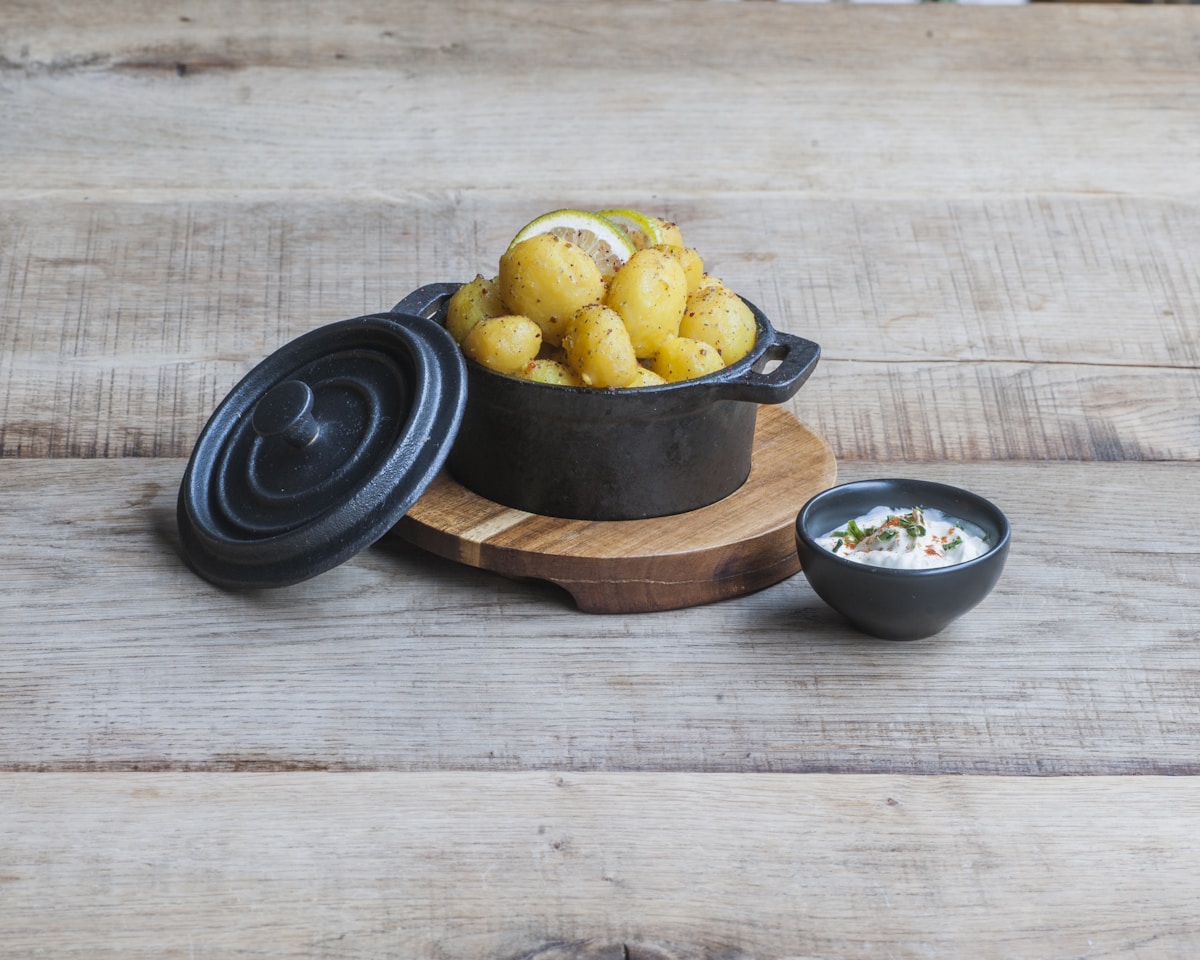
If the chef’s knife is your daily driver and the cast iron skillet is your weekend sports car, the enameled cast iron Dutch oven is the family SUV. It’s big, versatile, and can handle any job with grace. From slow-braising a pot roast to baking a crusty loaf of no-knead bread, it’s a true kitchen champion.
The enamel coating is the key. It gives you all the heat retention benefits of cast iron, but with a non-reactive, easy-to-clean surface. This means you can simmer acidic tomato sauces or deglaze with wine without worrying about stripping your seasoning or getting a metallic taste.
Models to Consider:
- The Aspirational Icon: Le Creuset 5.5-quart Round Dutch Oven (~$420) This is the pot you see in magazines. Made in France, it features beautiful colors and an almost legendary reputation for quality control and durability. The light-colored interior makes it easy to monitor browning. It comes with a lifetime warranty and is considered by many to be a family heirloom.
- The Worthy Competitor: Staub 5.5-quart Cocotte (~$370) Also made in France, Staub is Le Creuset’s biggest rival. Key differences: Staub’s interior is a matte black enamel, which is great for searing and hides stains, but makes it harder to see fond development. The lid is also heavier and features small spikes on the underside designed to drip condensation back onto the food, supposedly for better basting.
- The Smart Money Pick: Lodge 6-quart Enameled Dutch Oven (~$80) Here’s Lodge again, saving the day. For about one-fifth the price of the European brands, you get about 90% of the performance. The heat distribution is excellent, and it does everything you need it to do. Will the enamel be as chip-resistant after 25 years of heavy use? Maybe not. But for the price, the value is simply impossible to beat.
The Game-Changer The Stand Mixer
Not everyone needs a stand mixer. But if you’re a serious baker who regularly makes bread, cookies, or cakes, it’s not a luxury—it’s a transformative tool. It frees up your hands and delivers results that are simply not possible with arm power alone. (Trust me, I’ve tried.)
The reason these are BIFL items is their legendary motor construction. Early KitchenAid mixers used a gear-driven system that was famously over-engineered. Modern ones still use a direct-drive transmission that is incredibly powerful and reliable. That’s why you hear stories of people still using the mixer they inherited from their grandmother.
Models to Consider:
- The Home Standard: KitchenAid Artisan Series 5-quart Tilt-Head (~$450) This is the one you probably picture in your head. It’s available in dozens of colors and is powerful enough for just about any home baking task, from whipping a single egg white to kneading a batch of pizza dough. The tilt-head design makes it easy to access the bowl and swap attachments.
- The Power User’s Choice: KitchenAid Professional 600 Series 6-quart Bowl-Lift (~$550) If you’re making multiple loaves of dense, whole-wheat bread every week, this is your machine. The bowl-lift design is more stable under heavy loads, and the motor is more powerful. It’s bigger and heavier, but it’s a true workhorse for the dedicated enthusiast.
The value here is time and consistency. Whipping cream to stiff peaks takes 90 seconds. Making a perfect meringue is effortless. It kneads bread dough more effectively than any human can, developing gluten for a better crumb structure.
Final Thoughts Is It Worth It For You?
You do not need to go out and buy all of these things tomorrow. The ‘Buy It For Life’ journey is a marathon, not a sprint.
Start by identifying your biggest frustration in the kitchen. Do you hate chopping with your dull, cheap knife? Start there. Do you dream of making falling-apart-tender pot roast? The Dutch oven is your first step. Choose one piece that will have the biggest impact on the way you cook right now.
Investing in quality tools is an act of self-care for the home cook. It’s about respecting the process and your ingredients. It’s about buying fewer, better things that remove frustration and add a little bit of joy back into your kitchen. Spend your money wisely, and you’ll be rewarded with a lifetime of delicious meals.