


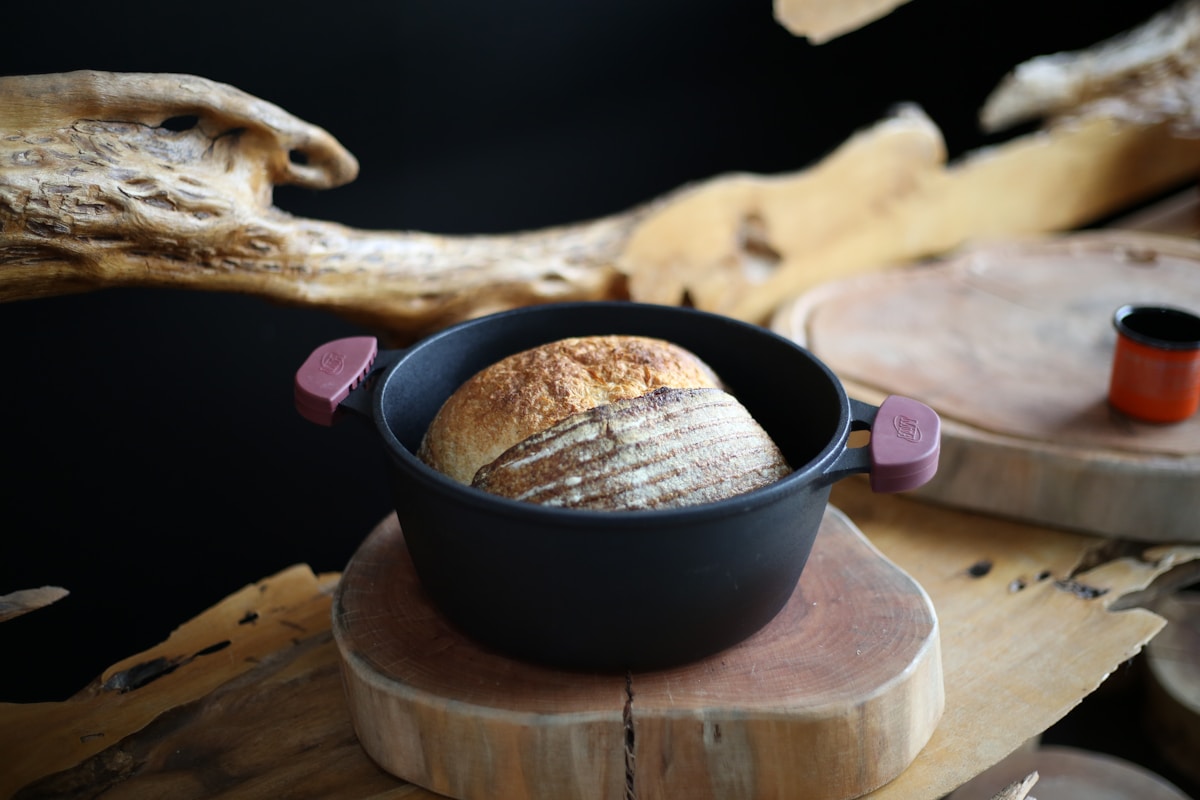
You’ve seen them. Tucked away on a shelf at a kitchen supply store, hanging at a flea market, or maybe even in your grandmother’s cabinet. I’m talking about the mini cast iron skillet or pot. The one that’s barely big enough to fry a single egg. It’s cute, hefty for its size, and undeniably charming.
The first thought for many is, “What on earth is this for?” It seems like the textbook definition of a “unitasker” — a single-purpose gadget destined to become kitchen clutter. You pick it up, weigh it in your hand, and wonder if it’s worth the ten or twenty bucks, let alone the cabinet space.
Let’s be honest. In a world of avocado slicers and banana keepers, skepticism is healthy. But I’m here to tell you that this little piece of iron is one of the most misunderstood and underrated tools in the kitchen. It’s not a unitasker; it’s a specialist. And once you understand its strengths, you’ll wonder how you managed without one. So, let’s break down exactly what this miniature workhorse can do.
Beyond Butter The Unsung Hero of Gentle Heat
The most common job people assign to a mini cast iron pot is melting butter. And yes, it excels at that. But why it excels is the key to unlocking its other uses. Cast iron is known for its incredible heat retention. Once it’s hot, it stays hot. But it also heats up slowly and evenly, which gives you a level of control you can’t get with a thin-walled saucepan that develops scorching hot spots in seconds.
This gentle, even heat makes it the perfect vessel for delicate tasks that can go wrong in a flash:
-
Perfectly Melted Chocolate: Forget the hassle of a double boiler. Place your chopped chocolate in a 3.5-inch skillet or a small half-pint pot on the lowest possible heat setting. The iron will diffuse the flame’s energy, melting the chocolate into a glossy, smooth pool without any risk of seizing or scorching. For best results, keep an eye on the temperature — you don’t want to exceed 115°F (46°C) for dark chocolate or 110°F (43°C) for milk or white chocolate. It’s perfect for when a recipe calls for a small amount of melted chocolate for drizzling.
-
Warming Sauces and Syrups: Have you ever tried to warm up a quarter-cup of maple syrup for your pancakes in a regular saucepan? It either instantly boils over or half of it sticks to the bottom. A mini pot solves this completely. It’s the ideal size for gently warming a single serving of caramel sauce for an ice cream sundae or a bit of au jus for a sandwich.
-
Infusing Oils: Want to make a quick garlic or chili oil for dipping bread? Gently warm a half-cup of olive oil with a crushed garlic clove or some chili flakes over low heat. The cast iron will coax the flavors out without frying the ingredients to a crisp. This is something that’s nearly impossible to do well in a larger pan.
For these tasks, I’m a big fan of the Lodge 5-inch Cast Iron Skillet (Model H5MS) or their adorable Miniature Cast Iron Casserole Pot, which holds about half a pint. They typically run between $15 and $25, a tiny investment for this much control.
The Single-Serving Superstar From Breakfast to Dessert
This is where the mini pan truly becomes a star. Its ability to go from stovetop to oven to table makes it the king of individual-portion cooking. It delivers food with a rustic, comforting presentation that a simple ramekin just can’t match.
Think about these delicious possibilities:
-
The Perfect Baked Egg: For a quick, protein-packed breakfast, a mini skillet is unbeatable. Spoon in a base of your favorite salsa, marinara, or some leftover creamed spinach. Make a small well in the center, crack an egg into it, and bake at 375°F (190°C) for about 10-12 minutes, or until the white is set but the yolk is still runny. Serve it right in the skillet with a side of toast for dipping. (Your weekend breakfast game will never be the same.)
-
Individual Cornbread or Mac & Cheese: A small skillet creates the perfect portion of cornbread with maximum crust — which we all know is the best part. Same for mac and cheese. An individual serving baked in a mini skillet gets that incredible, bubbly, crispy-cheesy top layer that everyone fights over.
-
The Ultimate Gooey Skillet Cookie: This alone is worth the price of admission. Press your favorite chocolate chip cookie dough into a buttered 3.5-inch or 5-inch skillet. Bake until the edges are golden brown and the center is still slightly soft. Top it with a scoop of vanilla ice cream while it’s still sizzling hot from the oven. The skillet keeps it warm, creating a molten, gooey dessert experience from the first bite to the last. It’s pure magic.
Serving dishes this way isn’t just a novelty. The cast iron retains heat so well that your food stays piping hot throughout the meal, enhancing the entire eating experience.
The Prep Cook’s Secret Weapon
Beyond cooking full dishes, a mini cast iron pan is an invaluable tool for small, foundational cooking steps, often called mise en place. These are the little things that are awkward to do in a full-sized skillet.
-
Toasting Nuts and Spices: How many times have you tried to toast a tablespoon of pine nuts or sesame seeds in a 12-inch skillet? They fly everywhere, and it’s impossible to keep them from burning in one spot while others remain raw. In a mini skillet, the small surface area keeps them contained. You can gently swirl the pan over medium-low heat and get perfectly even, fragrant results in a minute or two. The same goes for blooming whole spices like cumin or coriander seeds in oil to release their aromatic compounds before adding them to a curry or chili.
-
Sautéing a Pinch of Aromatics: Sometimes a recipe just calls for a single minced shallot or clove of garlic. Firing up a large pan for that feels like a waste. The mini pan is perfect for quickly sweating these small amounts before adding them to a larger dish.
-
A Heat-Proof Spoon Rest or Salt Cellar: This might sound odd, but it’s incredibly practical. A tiny cast iron pan makes a fantastic, indestructible spoon rest right next to your stove. It won’t melt, stain, or crack. You can also use one as a rustic salt cellar for kosher salt, giving you easy access for seasoning as you cook.
Sizing Up The Options What to Look For
When you’re ready to add one to your collection, you’ll generally find two types: the mini skillet and the mini pot (often called a mini Dutch oven or casserole pot).
-
Mini Skillets (3.5 to 6.5 inches): These are best for baked eggs, skillet cookies, individual cornbread, and searing a single scallop. The low sides make it easy to get a spatula in there.
-
Mini Pots (0.5 to 1 pint): These are your go-to for melting, warming sauces, serving hot dips like spinach-artichoke, or baking a tiny pot pie or fruit crumble.
Lodge is the undisputed king of affordable, high-quality cast iron, and their mini pieces are no exception. You can’t go wrong. For those who want an enameled version that doesn’t require seasoning, brands like Staub and Le Creuset make gorgeous (and much more expensive) miniature cocottes.
And here’s a quick kitchen hack for seasoning: if your mini pan is small enough, you can season it in your toaster oven! It’s much faster and more energy-efficient than heating up your full-sized oven for such a small piece of cookware. Just follow the same principles: a micro-thin layer of a high-smoke-point oil, baked for an hour at 450°F (232°C).
The Verdict Is It a Gimmick or a Go-To Tool?
So, do you need a mini cast iron pot? No, you can probably survive without one. But the real question is whether it earns its keep. And for me, the answer is a resounding yes.
For a very small price, you get a tool that offers precise heat control for delicate ingredients, a charming way to cook and serve individual portions, and a durable little helper for all sorts of prep tasks. It solves a dozen small, annoying kitchen problems that larger pans create.
Unlike a dedicated strawberry-huller, this isn’t a one-trick pony. It melts, bakes, sears, toasts, and serves. In a world of flimsy gadgets, it’s a hefty, durable piece of equipment that will literally last for generations. It’s not kitchen clutter; it’s a smart, specialized tool that adds both function and fun to your cooking. (And your skillet cookies will be legendary.)
