You’re standing in the cookware aisle, or maybe you’re staring at two options online. In one corner, the 10-inch cast iron skillet. It looks capable, confident, and manageable. In the other, the 12-inch skillet. It’s bigger, brawnier, and promises family-sized meals and glorious, sprawling sears. The price difference is usually minimal, so the decision feels even harder. Which one is the right tool for your kitchen?
I’ve been there. I’ve tested, lifted, seared, and baked in dozens of cast iron pans over the years, from budget-friendly workhorses to pricey artisan pieces. And I can tell you this: the difference between these two sizes is more significant than you think. It’s not just about two inches; it’s about weight, heat control, and the kind of cooking you actually do day-to-day. Let’s break down the practical realities so you can invest your money wisely and get a pan you’ll actually use, not one that gathers dust.
The Weight and Handling Dilemma
Before we even talk about food, let’s talk about physics. This is often the single most important factor people overlook. Cast iron is heavy, and that weight difference adds up fast.
-
A 10-inch skillet (specifically, the classic Lodge 10.25-inch model) weighs around 5 to 6 pounds (about 2.5 kg). This is substantial, but most home cooks can comfortably lift it with one hand to move it around the stovetop or transfer it to the oven.
-
A 12-inch skillet from the same brand jumps to about 8 pounds (over 3.6 kg). That extra 2-3 pounds makes a world of difference. For many people, this becomes a two-handed pan. Forget elegantly tossing vegetables with a flick of the wrist. Moving it from a hot burner to a 400°F (205°C) oven requires a firm, confident grip. Washing it in the sink can feel like a mini workout.
Think about your daily kitchen routine. Do you store your pans in a low cabinet? Lifting an 8-pound skillet from below your knees is no small feat. Do you have any wrist or grip strength issues? If so, the 12-inch skillet can quickly become a chore to use, and a tool you dread using is a tool that won’t get used. The 10-inch, on the other hand, is the sweet spot of heft and usability. It’s heavy enough to hold heat beautifully but light enough for everyday maneuvering.
Sizing Up Your Cooking Surface
Okay, so the 12-inch is heavier. The trade-off is more cooking space, right? Absolutely. But how much more, and do you need it?
Let’s do some quick math. The surface area of a 10-inch circle is about 78.5 square inches. The surface area of a 12-inch circle is about 113 square inches. That means a 12-inch skillet gives you roughly 44% more cooking surface. That’s a huge jump.
Here’s what that means for your food:
The 10-Inch Skillet is Perfect For:
- Cooking for 1-2 people: It comfortably fits two chicken breasts, two pork chops, or two salmon fillets without them touching.
- Searing one large steak: You’ll get a fantastic wall-to-wall crust on a single ribeye or New York strip.
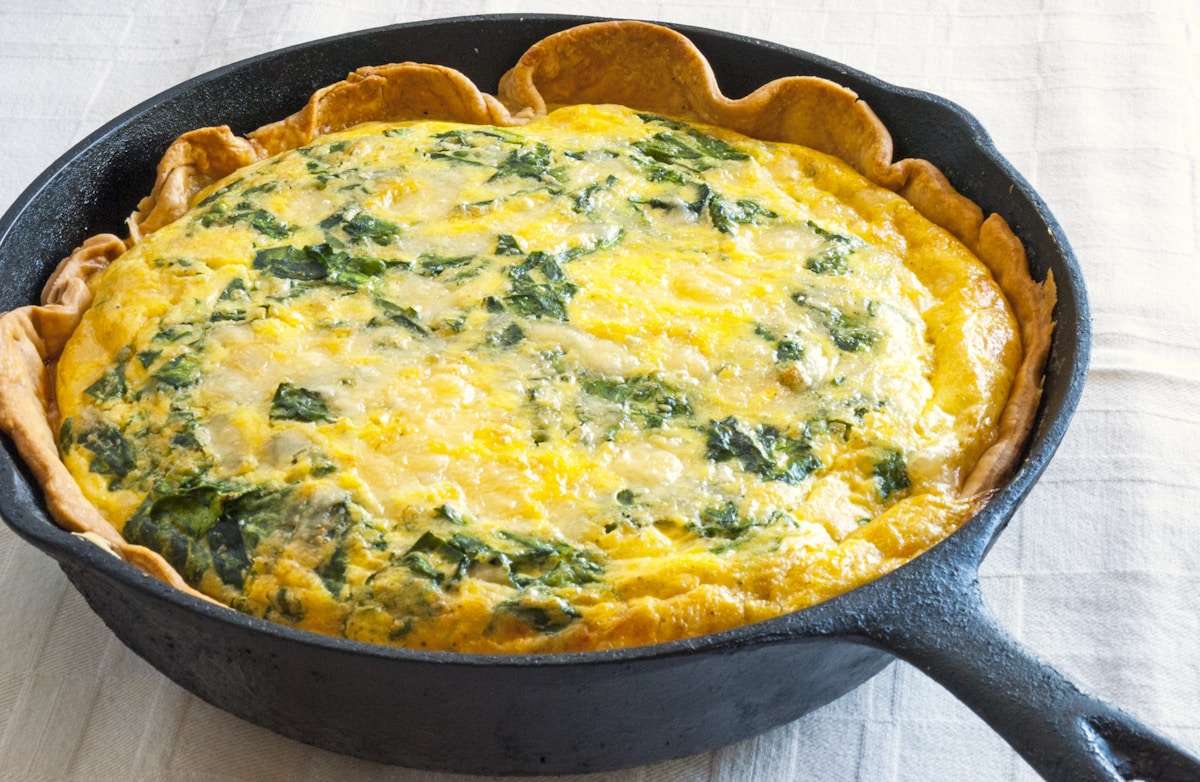
- Breakfast duty: It’s ideal for a four-egg scramble or frittata, or frying two to three eggs without them running all over the place.
- Classic cornbread: Most standard cornbread recipes (like the one on the back of the Jiffy box) are formulated for a 9 or 10-inch pan. It yields a cornbread with the perfect thickness and crispy edges.
The 12-Inch Skillet Shines When:
- Cooking for 3-4 people: You can sear four chicken breasts or pork chops at once, which is a major time-saver. Crowding a pan is the enemy of a good sear—it causes food to steam instead of brown. The 12-inch gives you the space to avoid this.
- Searing multiple steaks: You can easily fit two large steaks, making it the clear winner for a steak night for two.
- Family-sized meals: Think large frittatas, a big batch of roasted potatoes, or a shallow-fry for multiple pieces of chicken.
- Skillet pizza: If you want to make a generous, shareable pan pizza with a crispy crust, the 12-inch is your go-to.
The Stovetop and Heat Distribution Factor
Here’s a technical detail that often gets missed: your pan needs to match your burner. A huge pan on a tiny burner is a recipe for uneven cooking.
If you have a large gas stove with powerful burners that distribute flame widely, a 12-inch pan will heat up fairly evenly. However, if you have a standard electric coil or glass-top stove, your burners might be only 6 or 8 inches in diameter. When you place a 12-inch pan on a small burner, you create a very hot center and cooler outer edges.
This means the food in the middle might burn before the food on the perimeter is cooked. You can mitigate this by preheating the pan slowly and for a longer time (a good 10 minutes on low-medium heat), but it’s still a challenge. A 10-inch skillet, by contrast, is a much better match for the size of most standard home stove burners, leading to more even, predictable heat distribution from edge to edge.
Head-to-Head Cooking Showdown
Let’s put them in the ring for a few common tasks to see who comes out on top.
| Cooking Task | 10-Inch Skillet Verdict | 12-Inch Skillet Verdict | Lucas’s Pick |
|---|---|---|---|
| Searing Two Steaks | It’s a squeeze. You risk steaming them. Better to cook them one at a time. | The clear winner. Ample room for two big steaks to develop a perfect crust. | 12-Inch |
| Baking Cornbread | The gold standard. Produces a thick, moist cornbread with amazing crust. | Makes a larger but thinner cornbread. Can sometimes cook too fast at the edges. | 10-Inch |
| Everyday Fried Eggs | Perfect. Keeps 2-4 eggs contained for a nice, neat cook. | Can feel like overkill. The eggs can spread out too much if you’re not careful. | 10-Inch |
| One-Pan Dinner | Ideal for recipes serving two, like a sausage and pepper skillet. | Better for family-sized (serves 4) one-pan meals without crowding. | Depends on household size |
| Maneuverability | Easy to move from stovetop to oven. Simple to handle while cleaning. | Heavy. Often requires two hands, especially when full of hot food and oil. | 10-Inch |
My Final Verdict The Right Choice For You
After years of cooking with both, my advice is almost always the same: If this is your first cast iron skillet, buy the 10-inch.
Specifically, buy the Lodge 10.25-inch Classic Skillet. It’s affordable, indestructible, pre-seasoned, and made in the USA. It is the perfect training ground for learning how to control temperature, build seasoning, and master cast iron cooking. Its balance of surface area and manageable weight makes it incredibly versatile. You will use it for everything from searing a steak to baking a skillet cookie.
So, who should buy the 12-inch? You should only start with a 12-inch skillet if you can confidently say yes to at least two of these three questions:
- Do I regularly cook for three or more people?
- Am I comfortable and confident lifting over 8 pounds of hot, heavy metal with one or two hands?
- Do I have a large stovetop burner that can heat the pan’s surface evenly?
If you can’t, start with the 10-inch. Master it. Use it for a year. If you find yourself consistently wishing you had more space, then you can add a 12-inch to your collection. But for 90% of home cooks starting their cast iron journey, the 10-inch skillet isn’t just the right choice; it’s the perfect choice.
Kitchen Hack Bonus: The absolute key to a long-lasting cast iron pan is keeping it dry to prevent rust. After washing and towel-drying, always place your skillet back on the stove over low heat for 2-3 minutes. This evaporates every last trace of moisture from the iron’s pores. Once it’s bone dry and warm, wipe a very thin layer of neutral oil (like canola or grapeseed) onto the cooking surface with a paper towel. This little ritual takes one minute and is the single best thing you can do to maintain your seasoning. (Your pan will thank you.)