You’ve seen it. Maybe it was tucked away on a shelf at a kitchen supply store, or it popped up as a “recommended for you” item online. It’s that tiny, impossibly cute cast iron pot. It looks like a proper Dutch oven went through a shrink ray, and the first thought is always, “That’s adorable.” The second thought, right on its heels, is, “But what would I actually do with it?”
This isn’t just a passing thought; it’s the core of a smart kitchen philosophy. Every tool has to earn its cabinet space. In a world of single-purpose gadgets, it’s easy to fall for novelty over utility. So, let’s put that little pot to the test. We’re going to break down whether a miniature cast iron pot, like the popular Lodge 15-Ounce (0.4-Liter) Melting Pot, is a hidden gem or just a dust collector in disguise. My job is to help you spend your money wisely, and that means deciding if this little guy is the right tool for your kitchen.
What Exactly Are We Talking About?
First, let’s get specific. The most common version of this tool is the Lodge Cast Iron Melting Pot. It’s a stout, single-piece cast iron pot that holds about 15 ounces, or just under two cups. It typically features two pour spouts and a short, stubby handle. You can find them for around $15 to $25, making them one of the most affordable pieces of cast iron you can buy.
Like all cast iron, its superpower is heat retention. Once it gets hot, it stays hot for a long time. This is key to understanding its best uses. It’s not designed for searing a steak or simmering a family-sized stew. Its small thermal mass means it heats up relatively quickly on a burner, but its real talent is holding that heat steady, whether on the stove, in the oven, or on the dining table.
It comes pre-seasoned, but like any new cast iron, it benefits from a few rounds of your own seasoning to build up a truly non-stick surface. Remember, this is still cast iron. It requires the same care as its larger siblings: no dishwasher, dry immediately after washing, and keep it lightly oiled. The question is, is that maintenance worth it for such a small vessel?
The Most Popular Uses Put to the Test
Online forums and cooking communities have a handful of go-to suggestions for these mini pots. I’ve tried them all, and here’s my honest breakdown of where this pot shines and where it falls flat.
1. Melting Butter & Warming Liquids This is its most-touted use. Need a pool of melted butter for dipping lobster or drizzling over popcorn? The pot works beautifully. It melts the butter gently on low heat without the risk of scorching you might get in a thin-walled saucepan. The pour spouts are reasonably effective, though a fast pour can still lead to a dribble down the side. (Pour slowly!)
For warming maple syrup for a pancake breakfast, it’s a game-changer. Heat the syrup on the stove, bring the whole pot to the table, and the cast iron will keep it perfectly warm through second helpings. It’s a huge upgrade from a cold pitcher or constantly running back to the microwave.
- Verdict: Excellent. It performs these simple tasks perfectly and adds a rustic, functional charm to the table.
2. Single-Serving Desserts This is where the mini pot goes from a simple tool to a presentation powerhouse. Think of a single, giant, gooey chocolate chip cookie (a “pizookie”) or a rich, fudgy brownie baked and served right in the pot. The cast iron creates an incredible crust while the inside stays molten.
Here’s a simple recipe to try: For a single brownie, melt 2 tablespoons of butter in the pot on low heat. Remove from heat and stir in 1/4 cup of sugar, 2 tablespoons of cocoa powder, and a pinch of salt. Whisk in 1 egg and a dash of vanilla extract, then fold in 3 tablespoons of all-purpose flour. Bake at 350°F (175°C) for 18-22 minutes. Top with a scoop of vanilla ice cream and serve right in the pot with a spoon. The experience is fantastic.
- Verdict: A home run. If you love making individual desserts for yourself or a partner, this alone might justify the purchase.
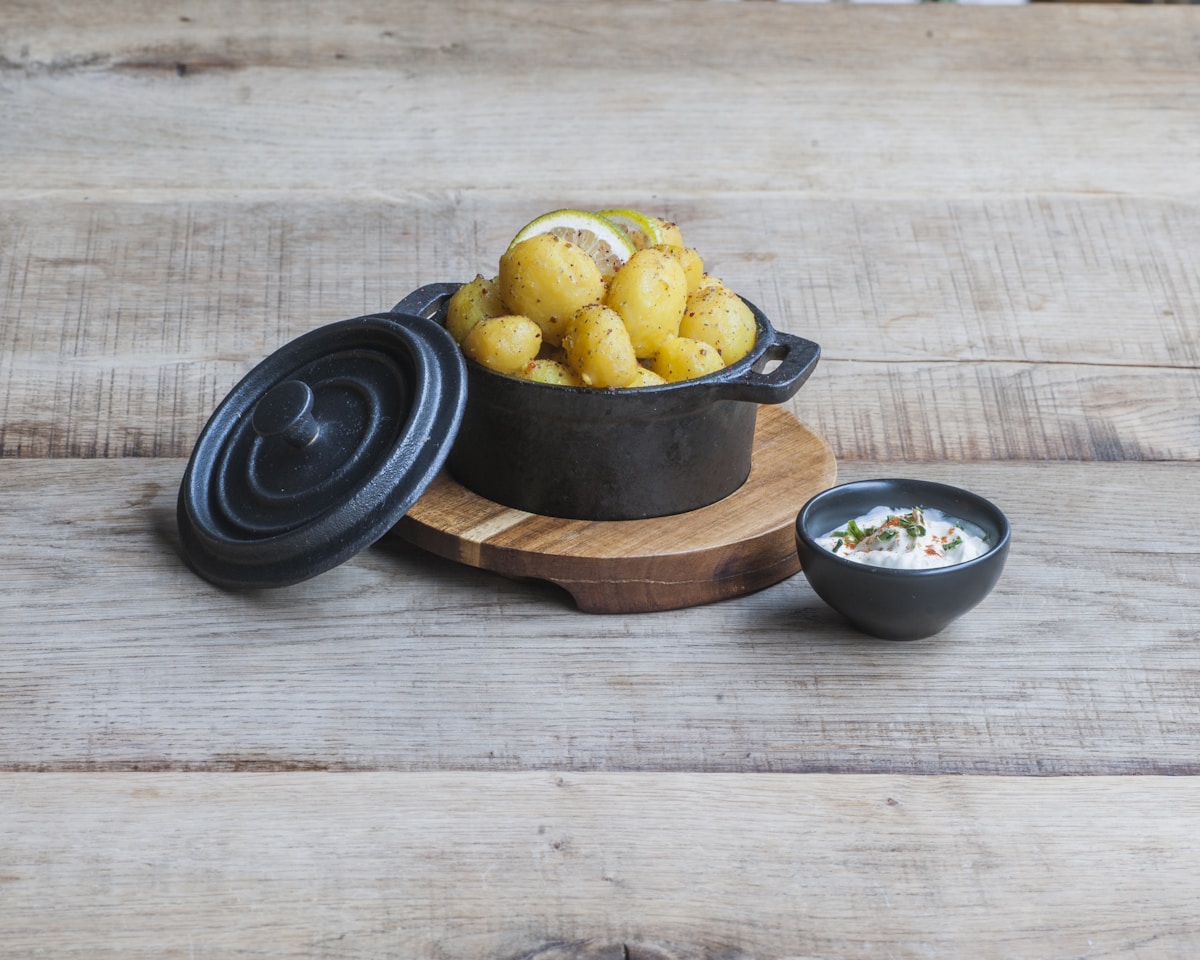
3. Individual Savory Dishes The same principle applies to savory foods. It’s the perfect size for a single serving of French onion soup, as the entire pot is broiler-safe for melting that glorious layer of Gruyère cheese on top. You can also use it for individual servings of mac and cheese, baked eggs (shakshuka for one!), or serving warm dips like spinach-artichoke or queso.
- Verdict: Very good, but a bit more niche. You can accomplish the same thing with standard ceramic ramekins, which are often easier to store. The cast iron’s main advantage here is superior heat retention.
The Reality Check: Downsides and Dealbreakers
No tool is perfect, and it’s important to be honest about the drawbacks. Before you click “buy,” consider these points.
- The Handle: The integrated cast iron handle gets dangerously hot. This is not an exaggeration. You absolutely must treat it like the pot itself and use a thick oven mitt or a dedicated silicone handle cover. Forgetting this even once is a painful mistake.
- Clutter Factor: This is the big one. Is it a “unitasker” — a tool that only does one thing? Not quite, but it’s close. If you have limited kitchen storage, a small 1-quart saucepan is infinitely more versatile. It can do everything this pot can do (melt butter, warm sauces) and much more.
- Maintenance: While not difficult, you can’t just toss it in the sink to soak. It demands the same hand-washing, immediate drying, and occasional oiling as a full-sized skillet. For an item you might only use once a week, that can feel like a chore compared to a stainless steel or ceramic alternative.
Comparison: Mini Pot vs. The Alternatives
Let’s pit the mini pot against other common kitchen tools to see who wins for specific jobs.
Task: Melting a stick of butter
- Mini Pot: Gentle, even heating. Stays warm off the heat. Requires hand-washing. Grade: A-
- Small Saucepan: Heats faster, but can scorch if you’re not careful. Dishwasher safe (if stainless steel). More versatile overall. Grade: B+
- Microwave in a Bowl: Fastest option. Can sometimes heat unevenly or splatter. Easiest cleanup. Grade: B
Task: Baking a single-serving dessert
- Mini Pot: Excellent crust, fantastic presentation, stays warm for serving. Grade: A+
- Ramekin: Good for baking, but doesn’t create the same crust. Easier to clean and store. Grade: B
- Muffin Tin: Good for portion control but lacks the “special occasion” feel. Grade: C+
As you can see, the pot isn’t always the best tool, but it excels in its specific niches, particularly when presentation and heat retention matter.
My Final Verdict: A Worthwhile Luxury
So, should you buy a mini cast iron pot? After extensive use, here’s my practical conclusion: this is not an essential, must-have piece of kitchen gear. You can absolutely live without it.
However, I classify it as a “high-value luxury.”
For a small investment (often under $20), you get a tool that performs a few tasks exceptionally well and with a ton of charm. It’s not a daily driver like your 10-inch skillet, but when you do pull it out, it makes the meal feel a little more special.
You should buy this pot if:
- You frequently make popcorn and want a dedicated butter melter.
- You host brunch and love the idea of serving warm syrup at the table.
- You enjoy making single-serving desserts or dishes and appreciate the rustic presentation.
- You already own and love cast iron and want to add a fun, inexpensive piece to your collection.
You should probably skip it if:
- You are a minimalist or have very limited kitchen storage.
- You hate the idea of hand-washing another dish.
- You already own a small saucepan and ramekins that serve your needs.
Ultimately, the mini cast iron pot is a fun, functional, and affordable tool that punches well above its weight. It won’t change your life, but it might just make your next bowl of popcorn or pancake breakfast a little more joyful. (And for that price, it’s a risk worth taking.)