You see it every time you walk through a kitchen store. Tucked between the hefty 12-inch skillets and the cavernous Dutch ovens is a miniature cast iron pot, no bigger than your fist. Your first thought is, “That’s adorable.” Your second thought is, “But what on earth would I do with it?”
It’s a question I see all the time on cooking forums, and frankly, it’s one I asked myself years ago. It feels like a novelty, a piece of cookware designed more for a dollhouse than a working kitchen. It’s easy to dismiss it as a cute but useless gimmick designed to take your money.
Well, I bought one on a whim—a little 15-ounce Lodge melting pot—and I’m here to tell you: this tiny titan is one of the most surprisingly useful tools I own. It’s a specialist, not a generalist, and once you understand its purpose, you’ll wonder how you managed without it. So let’s break down whether this little pot is a waste of precious cupboard space or an unsung kitchen hero.
What Exactly Is a ‘Mini’ Cast Iron Pot?
First, let’s get on the same page. We’re not talking about a small 6-inch skillet. We’re talking about genuinely tiny pots, often called melting pots, mini cocottes, or miniature Dutch ovens. Brands like Lodge, Staub, and Le Creuset all make versions, but you can find great options from many manufacturers.
Here are the typical specs:
- Capacity: Usually between 8 and 20 ounces (about 240 to 600 ml).
- Models to Look For: The Lodge 15 oz Melting Pot (LMPC3) is a classic workhorse. The Lodge 8 oz Cast Iron Mini Dutch Oven (H5MIC) is perfect for individual soups or desserts.
- Price: This is the best part. They are almost always incredibly affordable. You can typically find a high-quality one for between $10 and $25. (Yes, really.)
Don’t let the size or price fool you. These are made from the exact same rugged, heavy-duty cast iron as their full-sized siblings. They offer the same legendary heat retention and even heating, just in a compact package. This isn’t a toy; it’s a serious piece of equipment.
The Undisputed King of Melting
If the mini cast iron pot had only one job, this would be it. Its primary function is to melt things, and it does so with unparalleled grace. The thick cast iron walls absorb and distribute heat gently and evenly, which is exactly what you want for delicate tasks.
Think about all the times you’ve needed to melt a small amount of something. You could use the microwave, but you risk scorching your chocolate or ending up with explosive, splattered butter. You could use a larger saucepan, but it’s overkill, feels wasteful, and creates another big dish to wash.
The mini pot is the perfect solution. Here’s how it excels:
-
Garlic Butter, Perfected: Need to drizzle some butter over popcorn, baste a roasting chicken, or make a dip for shrimp or lobster? This is your tool. Place 4 tablespoons (about 56g) of butter in the pot over low heat. It will melt beautifully without browning too quickly. Toss in a crushed garlic clove and a pinch of fresh parsley, and you have an instant, elegant dipping sauce that you can serve right in the pot. The iron holds the heat, keeping your sauce warm at the table.
-
Foolproof Chocolate: Melting chocolate for dipping strawberries or drizzling over a cake can be a stressful affair. The mini pot makes it foolproof. The gentle, indirect heat prevents seizing and scorching. Plus, the retained heat keeps the chocolate at the perfect fluid consistency for much longer than a standard ceramic or glass bowl would.
-
Cheese Sauces and Dips: Making a small batch of queso or a beer cheese dip for two? The small size helps the ingredients meld without burning, and you can take it directly from the stovetop to the table for dipping. (Your future self will thank you for the minimal cleanup.)
The Art of the Single Serving
This is where the mini pot goes from a useful gadget to a game-changer, especially if you cook for one or love to host. Its ability to go from stovetop to oven to broiler to table makes it the ultimate vessel for individual-sized dishes. It creates a rustic, restaurant-quality presentation that always impresses.
Here are a few of my favorite single-serving applications:
-
Classic French Onion Soup: This is perhaps the most iconic use for a mini pot. It’s the perfect size for a single, hearty serving. After you’ve simmered your onions, you can ladle the soup into the pot, top it with a crusty piece of bread and a generous heap of Gruyère cheese, and slide it directly under the broiler. The result is that glorious, bubbling, perfectly browned cheesy crust that is the hallmark of a great French onion soup.
-
Perfectly Baked Eggs: For a five-star brunch at home, this is my go-to. Lightly grease the inside of the pot, then add a splash of heavy cream, some sautéed spinach or mushrooms, and maybe some crumbled bacon. Crack one or two eggs on top, sprinkle with Parmesan cheese, and bake at 375°F (190°C) for 12-15 minutes, or until the whites are set but the yolks are still runny. Serve with toast points for dipping. It’s simple, elegant, and contained entirely in one pot.
-
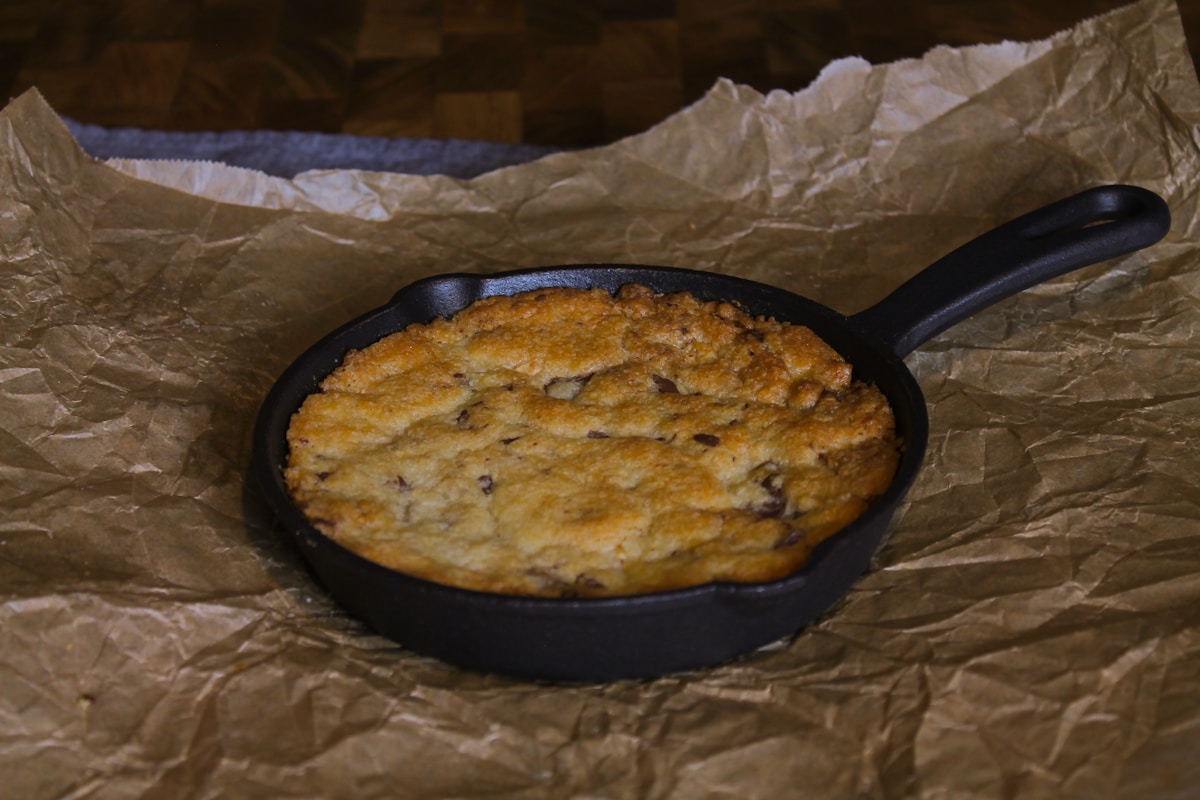
Individual Desserts: Serving dessert in a mini cast iron pot is an instant crowd-pleaser. Imagine giving each guest their own personal apple crumble, bubbling hot from the oven. Or a deep-dish chocolate chip cookie, slightly underbaked in the center, served with a scoop of vanilla ice cream melting on top. The cast iron keeps the dessert warm long after it leaves the oven, making every bite perfect.
Kitchen Hacks from the Cast Iron Cult
Beyond the obvious uses, the passionate online community of cast iron enthusiasts has discovered a whole world of creative applications for these little pots. They are far more versatile than they first appear.
-
Garlic Confit: This sounds incredibly fancy, but the mini pot makes it laughably easy. Peel about a head’s worth of garlic cloves (15-20) and place them in the pot. Pour in enough olive oil to cover them completely. Bake in a low oven, around 250°F (120°C), for 1.5 to 2 hours. The garlic will become incredibly soft, sweet, and spreadable. Use it on crusty bread, mix it into mashed potatoes, or add it to pasta sauces. The pot is the perfect small-batch vessel.
-
The Dedicated Bacon Grease Pot: Many savvy cooks save their bacon grease for cooking later. Instead of a glass jar that can crack from the heat, use a mini cast iron pot with a lid. It’s durable, heatproof, and looks fantastic sitting on your countertop. (Trust me on this one.)
-
Kitchen Hack: The Spice Toaster: To get the most flavor out of whole spices like cumin seeds, coriander, or fennel, you need to toast them first. A large skillet can be clumsy for a small amount. The dry mini pot over medium-low heat is perfect. The small surface area concentrates the heat, and you can toast a tablespoon of seeds in about 60 seconds until they become wonderfully fragrant. This small step makes a huge difference in your cooking.
The Verdict: So, Should You Actually Buy One?
Let’s be direct. Is a mini cast iron pot a must-have kitchen tool that you cannot live without? No. You can absolutely melt butter in a saucepan and bake eggs in a ramekin. Your kitchen will function just fine without one.
But, should you get one? For the ridiculously low price, my answer is a resounding yes, provided you fit into one of these categories:
- You love hosting: If you enjoy creating special dining experiences, the presentation value alone is worth the price.
- You cook for one or two: It’s perfect for making single-serving meals and desserts without creating a mountain of dishes.
- You are a cast iron enthusiast: It’s an inexpensive and genuinely useful addition to your collection.
- You find yourself constantly melting small things: It solves this specific problem better than any other tool.
This isn’t a tool of necessity; it’s a tool of convenience, efficiency, and charm. It won’t replace your 10-inch skillet, but it will absolutely earn its tiny spot in your cupboard. For less than the cost of lunch, you get a piece of cookware that makes sauces easier, desserts more special, and everyday cooking just a little more fun. In my book, that’s not a gimmick. That’s a kitchen hero.