You’ve seen them. Sitting on a shelf at the kitchen store, nestled beside their 10-inch and 12-inch siblings, looking almost like a toy. The mini cast iron pot. Maybe it’s an 8-ounce melting pot or a one-quart Dutch oven. My first thought, years ago, was, “Cute. But what a gimmick.”
I’d pick it up, feel its surprising heft, and put it back down, convinced it was a solution in search of a problem. What could you possibly make in there that you couldn’t make in a regular small saucepan? It felt like pure kitchen novelty, designed to collect dust.
Then, a friend served me an individual apple crumble baked in one. It was bubbling, perfectly browned, and stayed warm through the entire scoop of vanilla ice cream. I was sold. That little pot wasn’t a gimmick; it was a specialist. Like a lot of people who ask this question online, I just hadn’t understood its job description. Let’s break down exactly what these little workhorses are for and if one deserves a spot in your cupboard.
So What Exactly Is a Mini Cast Iron Pot?
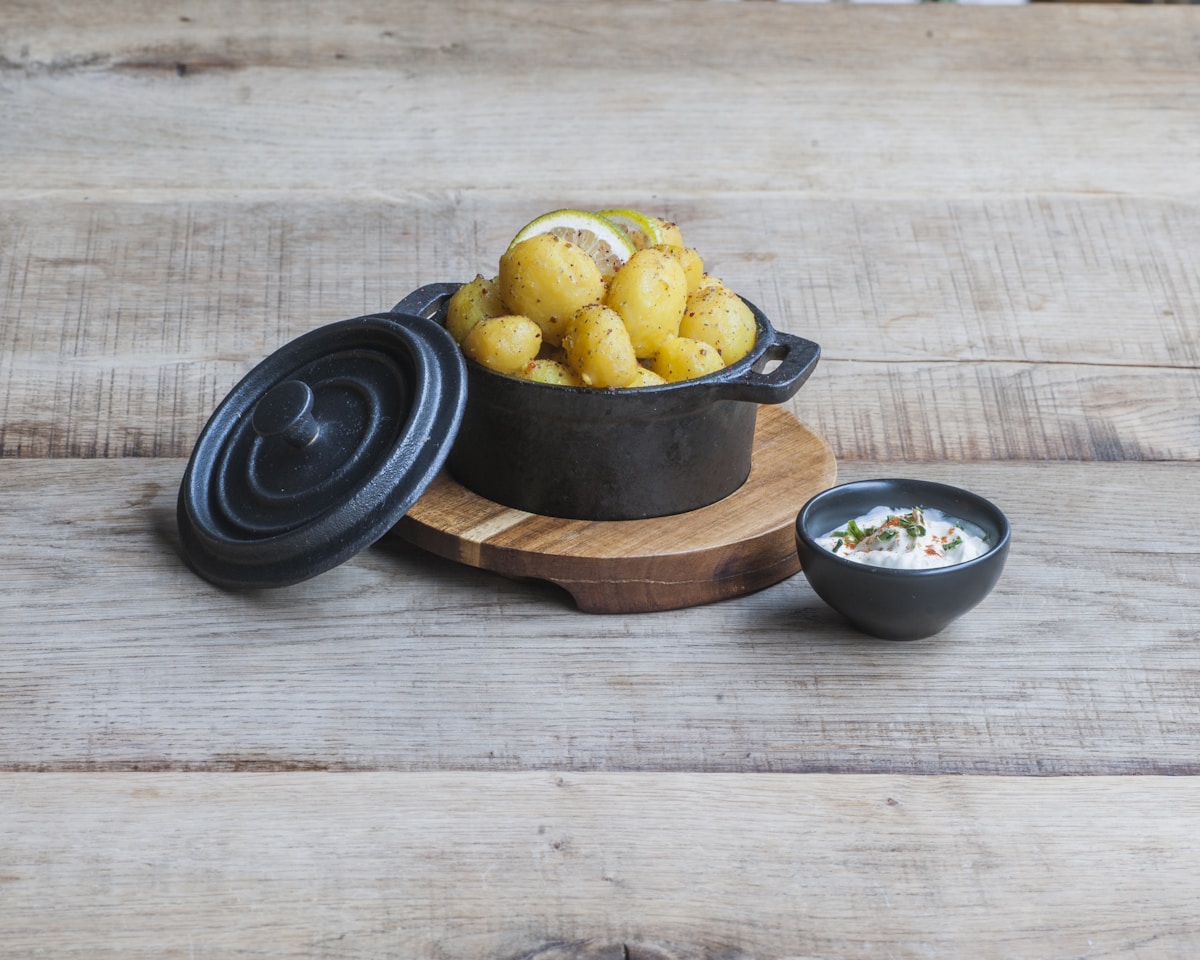
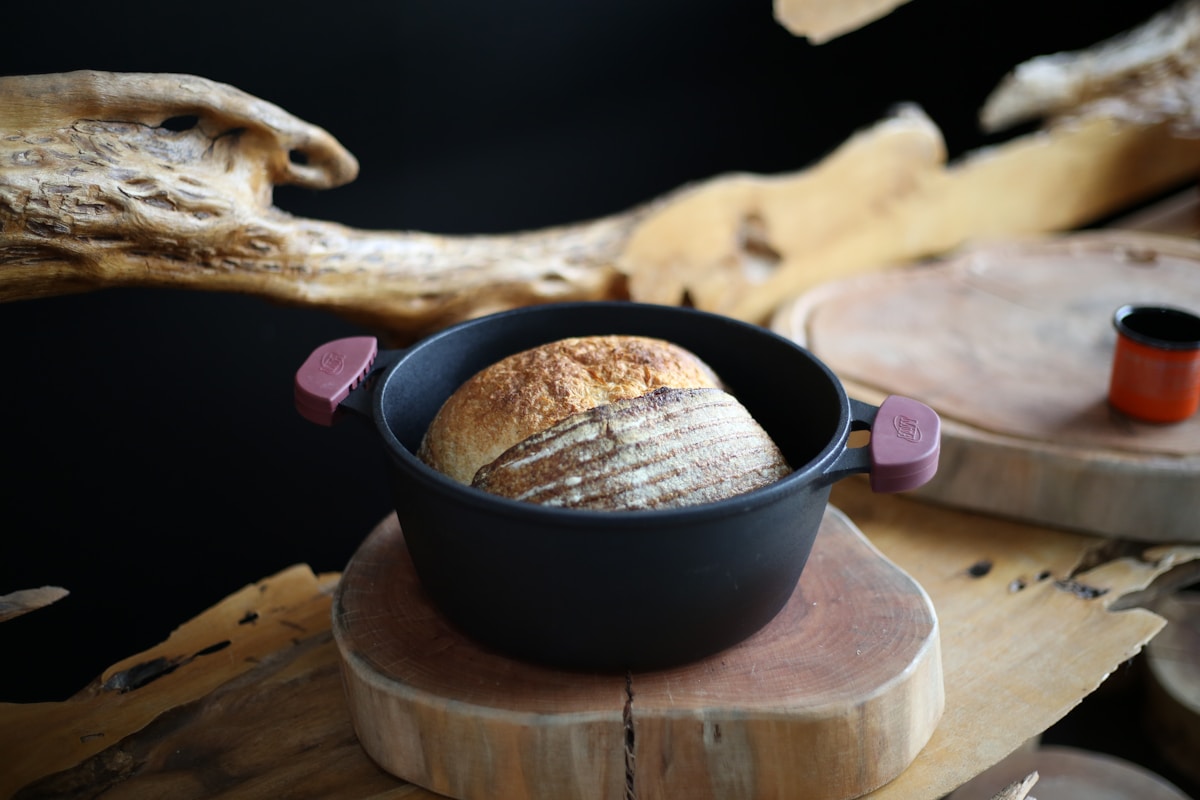
First, let’s get specific. We’re generally talking about cast iron vessels that hold anywhere from 8 ounces (1 cup) to about 1.5 quarts. The most common and arguably most useful ones are the tiny melting pots or the single-serving Dutch ovens. Lodge, the standard-bearer for affordable cast iron, makes a popular 1-quart version and even smaller 15-ounce “servings pots.”
The material is identical to the big skillets you know and love: heavy, thick cast iron. This isn’t just for looks. That density is the whole point. Cast iron is a champion of heat retention. While it heats up slowly, it holds that heat tenaciously and distributes it evenly. In a large skillet, this gives you a perfect steak sear. In a tiny pot, it creates a personal, radiant oven that keeps its contents hot long after it leaves the stove or oven.
Best of all, they’re inexpensive. You can often find a quality mini pot from a brand like Lodge for $15 to $30. In the world of cookware, that’s practically an impulse buy. But the question remains: is it a smart one?
The Obvious Wins The Melt and Warm Station
Let’s start with the most straightforward jobs where a mini pot immediately proves its worth. These are the tasks that make you say, “Oh, that’s what it’s for.”
First up: melting. Specifically, melting butter. If you’ve ever tried to melt two tablespoons of butter in a standard saucepan, you know it instantly sizzles and browns at the edges before the middle has even liquefied. A microwave is faster but notorious for hot spots and explosive splatters. A mini cast iron pot is the perfect tool for the job. It heats gently and evenly, giving you beautifully melted, liquid gold for drizzling over popcorn, dipping crab legs, or mixing into a recipe.
This same principle applies to warming things. Think about a single serving of marinara for dipping breadsticks, a side of au jus for a French dip sandwich, or a small amount of leftover soup for a quick lunch. The mini pot heats it up without scorching and, more importantly, keeps it warm. You can bring it right to the table or your desk, and it will stay hot to the last drop. (Try that with a thin-walled metal or ceramic bowl.)
This warming prowess makes it the undisputed king of party dips. A small batch of queso or spinach artichoke dip, heated in the pot, can be served directly in it. The cast iron acts like a personal warming plate, keeping the dip molten and delicious far longer than a standard serving dish. No more sad, congealed cheese five minutes into the party.
The Main Event Single-Serving Savory Dishes
This is where the mini pot graduates from a simple utility player to a true culinary tool. Its ability to go from stovetop to oven to table makes it ideal for crafting perfect individual savory meals with fantastic presentation.
My absolute favorite use is for baked eggs. You can create a perfect single-serving Shakshuka. Sauté a bit of minced onion and garlic in the pot with a splash of olive oil right on the burner. Add about a cup of crushed tomatoes, a pinch of cumin and smoked paprika, and season with salt and pepper. Let it simmer for a few minutes, then use a spoon to make a small well in the center and crack an egg into it. Transfer the whole pot to a preheated 375°F (190°C) oven and bake for 10-12 minutes, or until the egg white is set but the yolk is still runny. Served with a piece of crusty bread, it’s a restaurant-quality meal for one.
It’s also the perfect vessel for individual French Onion Soup. After you’ve caramelized your onions and made your broth, you can ladle a single portion into the mini pot, top it with a slice of baguette and a generous pile of Gruyère cheese, and slide it under the broiler until it’s browned and bubbly. No need for special ceramic crocks.
You can also make fantastic mini pot pies, personal mac and cheese with a crispy breadcrumb topping, or even individual shepherd’s pies. The key is that the cast iron’s even heating cooks the filling through while creating a beautiful crust on anything that touches the sides and top.
The Grand Finale Individual Desserts
If the savory dishes didn’t convince you, the desserts will. This is the mini pot’s time to shine, creating those irresistible, straight-from-the-oven treats that are impossible to refuse.
The classic is a single-serving skillet cookie. Just press a ball of your favorite cookie dough into the lightly greased pot and bake. The result is a cookie with crispy edges and a perfectly soft, gooey center. Top it with a scoop of ice cream while the pot is still warm, and the cast iron will keep the cookie soft and melty as you eat.
Fruit crumbles and cobblers are just as easy. Toss a handful of berries or chopped apples with a little sugar and cornstarch, place them in the pot, and cover with a simple topping. For a quick crumble—my go-to kitchen hack—just mix equal parts flour, brown sugar, and rolled oats with cold, cubed butter until it looks like coarse sand. Sprinkle it over the fruit and bake at 350°F (175°C) until the fruit is bubbly and the top is golden brown.
And of course, there’s the molten lava cake. The superior heat control of cast iron is ideal for achieving that perfectly cooked exterior with a liquid chocolate center. It’s a dessert that feels incredibly fancy but is remarkably simple in one of these pots.
The Practical Realities Cleaning and Seasoning
Alright, let’s address the cast iron elephant in the room: the maintenance. Is cleaning a tiny pot worth the hassle?
In my experience, yes. In fact, it’s often easier than the alternative. For melting butter or warming sauce, a quick rinse with hot water and a swipe with a brush is usually all it needs. The key rules of cast iron still apply: avoid harsh soap, never let it soak, and always dry it completely to prevent rust.
My method is simple: scrub, rinse, and then place the pot back on a warm burner for 30-60 seconds until every last drop of moisture has evaporated. Then, a quick wipe with a paper towel and a tiny drop of neutral oil keeps the seasoning perfect. Because it’s so small, this entire process takes less than two minutes. (Your future self will thank you.)
Compare that to scrubbing a large, sticky saucepan you used for a tiny amount of food. The mini pot contains the mess, making cleanup proportional to the meal you just made.
The Verdict Is a Mini Cast Iron Pot Worth Your Money?
So, we come back to the original question. Is this a gimmick or a genuinely useful tool?
The answer is: it’s a specialist. It is not an all-purpose pot for a minimalist kitchen. If you only have room for three pieces of cookware, this shouldn’t be one of them. You can’t sear a steak or make pasta for two in it.
However, if you often cook for one, love making individual desserts, or frequently find yourself needing to melt or warm small quantities of food, a mini cast iron pot isn’t just useful—it’s the best tool for the job. For its low price, it offers tremendous value in both performance and presentation.
It’s a problem-solver. It solves the problem of scorched butter, of quickly cooling dips, of wanting a decadent dessert without baking a whole cake. It’s a tool that adds a little bit of joy and a touch of rustic elegance to your cooking. And in my book, any tool that does that for under $30 is no gimmick. It’s a kitchen hero in disguise.