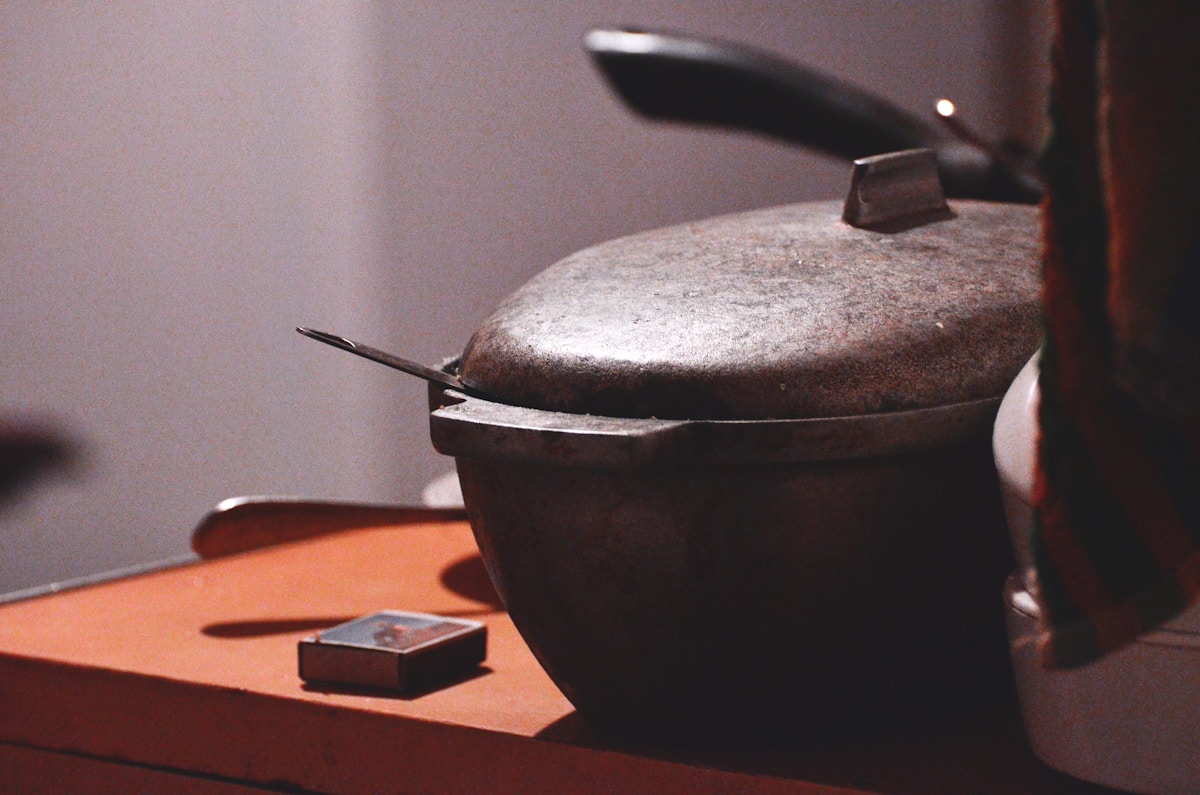
You know the feeling. You reach for your cast iron skillet to fry a couple of eggs, and it feels like you’re picking up a manhole cover. Your wrist strains a little as you heave it onto the burner. It’s a fantastic tool for searing a steak, sure, but for everyday cooking? Sometimes it just feels like… a lot.
This is the modern cast iron experience for most people. The pans are heavy, thick, and nearly indestructible. But I get emails all the time from readers who have found an old, surprisingly light skillet at a flea market and swear it’s the best pan they’ve ever used. They talk about glass-smooth surfaces where eggs slide around like they’re on an air hockey table.
So what’s the real story? Is a fifty-year-old pan you found in a dusty antique shop for ten bucks actually better than a brand-new, top-rated skillet? As always, the answer isn’t just yes or no. It’s about matching the right tool to the right job—and your budget. Let’s break it down.
The Heavyweight Champion: Modern Cast Iron
When we talk about modern cast iron, one name dominates the conversation: Lodge. Their classic 10.25-inch skillet is probably the single best value in all of cookware. For around $25, you get a pan that will last for generations. (Seriously, your great-grandkids could be using it.)
These pans are made using a process called sand-casting. Molten iron is poured into a mold made of sand. When the pan is broken out, it has a slightly bumpy, pebbly texture. Lodge and other modern manufacturers sell these pans with a factory “pre-seasoning,” which is a layer of baked-on soybean oil. It’s a good start, but it’s not truly non-stick out of the box.
The Pros:
- Unbeatable Heat Retention: This is the main advantage of that heavy, thick construction. Once you get a modern Lodge skillet ripping hot—say, 500°F (260°C) for a perfect steak sear—it holds that heat tenaciously. When you drop a cold piece of meat onto it, the pan’s temperature doesn’t plummet.
- Affordability & Accessibility: You can buy one almost anywhere, from big-box stores to online retailers. There is no better bang for your buck.
- Durability: You could probably run one over with a truck and it would be fine. They are built to be absolute workhorses.
The Cons:
- The Weight: A 10.25-inch Lodge weighs about 5.3 pounds. That doesn’t sound like much, but try holding it with one hand to pour out bacon grease. It’s cumbersome and can be a real challenge for anyone with wrist or strength issues.
- The Rough Surface: That pebbly texture creates more friction than a smooth surface. It takes a lot more time and cooking—dozens of layers of seasoning—to fill in those microscopic valleys and achieve that coveted non-stick finish.
The Lightweight Contender: The Magic of Vintage Iron
Now, let’s talk about the pans your grandmother probably used. We’re talking about brands like Griswold and Wagner, which were the titans of their day (roughly from the late 1800s to the mid-1900s). Finding one of these is like a treasure hunt for cooks.
The manufacturing process was different back then. After being cast, these pans were stone-ground or milled down on the inside, polishing the cooking surface to an incredibly smooth, almost satin-like finish. They were also cast with thinner walls, making them significantly lighter.
A vintage 10-inch Griswold, for example, might weigh just over 4 pounds. That pound of difference is immediately noticeable. It transforms the pan from a heavy-duty searing machine into a nimble, everyday tool.
The Pros:
- Superior Ergonomics: The lighter weight makes a world of difference. You can toss vegetables, flip pancakes with a flick of the wrist, and carry it from stove to table without a second thought. It becomes a true “daily driver.”
- The Smooth Surface: This is the real game-changer. A well-seasoned vintage pan has a non-stick surface that rivals modern Teflon, but with all the benefits of cast iron. That smooth finish allows the seasoning to build up into a flawless, glass-like layer.
- The Thrill of the Hunt: There’s a certain joy in finding a grimy, rusted piece at a yard sale for $5, taking it home, and restoring it to its former glory.
The Cons:
- The Hunt: You can’t just go to the store and buy one. It takes patience to scour flea markets, antique shops, and online marketplaces. And prices can vary wildly, from a few dollars to hundreds for a rare piece.
- Restoration Required: Most vintage pans you find will need some work. They’re often covered in old, cruddy seasoning or, worse, rust. You’ll have to strip them down to the bare metal and re-season them from scratch. (Don’t worry, it’s easier than it sounds.)
- Potential for Damage: You have to inspect vintage pieces carefully for cracks or a wobble (which means it’s warped and won’t sit flat on a modern glass cooktop).
Head-to-Head Performance: The Cook-Off
So how do they stack up in the kitchen? I tested a new Lodge 10.25-inch against a 1940s-era Griswold No. 8 skillet.
- Searing a Ribeye: The Lodge has a slight edge here. Its sheer thermal mass meant it lost less heat when the steak hit the pan, resulting in a slightly deeper, more even crust. The Griswold still did a fantastic job, but the Lodge was built for this exact task.
- Frying Two Eggs: The vintage Griswold won, and it wasn’t even close. With just a dab of butter, the eggs floated on the surface. I could slide them around the pan just by tilting it. The Lodge, even with its decent seasoning, had a few sticking points due to the rougher texture.
- Flipping Pancakes: Again, the Griswold’s lighter weight and smooth surface made it the clear winner. Getting a spatula underneath the pancake was effortless, and a simple wrist-flick was enough to flip it perfectly. The Lodge required a bit more careful spatula work.
Kitchen Hack: The Easy Way to Restore a Rusty Pan
Found a rusty old skillet? Don’t be intimidated. The easiest and safest way to strip it is using yellow-cap Easy-Off oven cleaner, which contains lye.
- Prep: Do this outside or in a very well-ventilated area. Wear rubber gloves and eye protection.
- Spray & Bag: Place the cold pan in a heavy-duty trash bag. Liberally spray the entire pan—top, bottom, and handle—with the yellow-cap Easy-Off.
- Seal & Wait: Seal the bag tightly, pushing out the excess air. Let it sit for 24-48 hours. The lye will dissolve all the old seasoning and crud.
- Scrub & Rinse: Open the bag (still wearing gloves!) and scrub the pan under hot water with a stainless steel scrubber. All the gunk should come right off, revealing the bare grey iron.
- De-Rust (If Needed): If there’s any remaining rust, soak the pan for 30-minute intervals in a 50/50 solution of white vinegar and water. Scrub again.
- Dry & Season Immediately: Dry the pan thoroughly with a towel and then place it in a 200°F (95°C) oven for 15 minutes to evaporate all moisture. Now, it’s ready for seasoning. This process is your ticket to turning a 50-cent find into a million-dollar performer.
The Final Verdict: Which Skillet Should You Buy?
As with most things in the kitchen, the “best” pan depends entirely on you.
Buy a New Lodge if:
- You’re a cast iron beginner and want a foolproof, affordable entry point.
- Your primary use will be high-heat searing for steaks, burgers, and chicken.
- You don’t want to spend time hunting or restoring a pan.
Hunt for a Vintage Pan if:
- You want a single pan for all-purpose, daily cooking (eggs, sautéing, bacon).
- You value light weight and maneuverability over maximum heat retention.
- You enjoy the process of restoring old tools and owning a piece of history.
What About the Third Option? Boutique Modern Pans. There’s a growing market of companies like Smithey, Field Company, and Stargazer who are essentially trying to remake vintage-style pans. They cast their skillets and then mill the surfaces smooth, just like the old days. They are beautifully crafted, lighter than a Lodge, and have that amazing smooth surface right out of the box. The downside? They are expensive, often running from $150 to over $250. They are a fantastic choice if you want the vintage experience without the hunt and have the budget for it.
For my money, the ideal kitchen has one of each: a heavy modern Lodge for those high-heat searing jobs and a lightweight vintage skillet for everything else. But if I could only have one? I’d take the vintage pan every single time. The joy of using a perfectly balanced, glass-smooth tool for everyday cooking is something every home cook should experience.