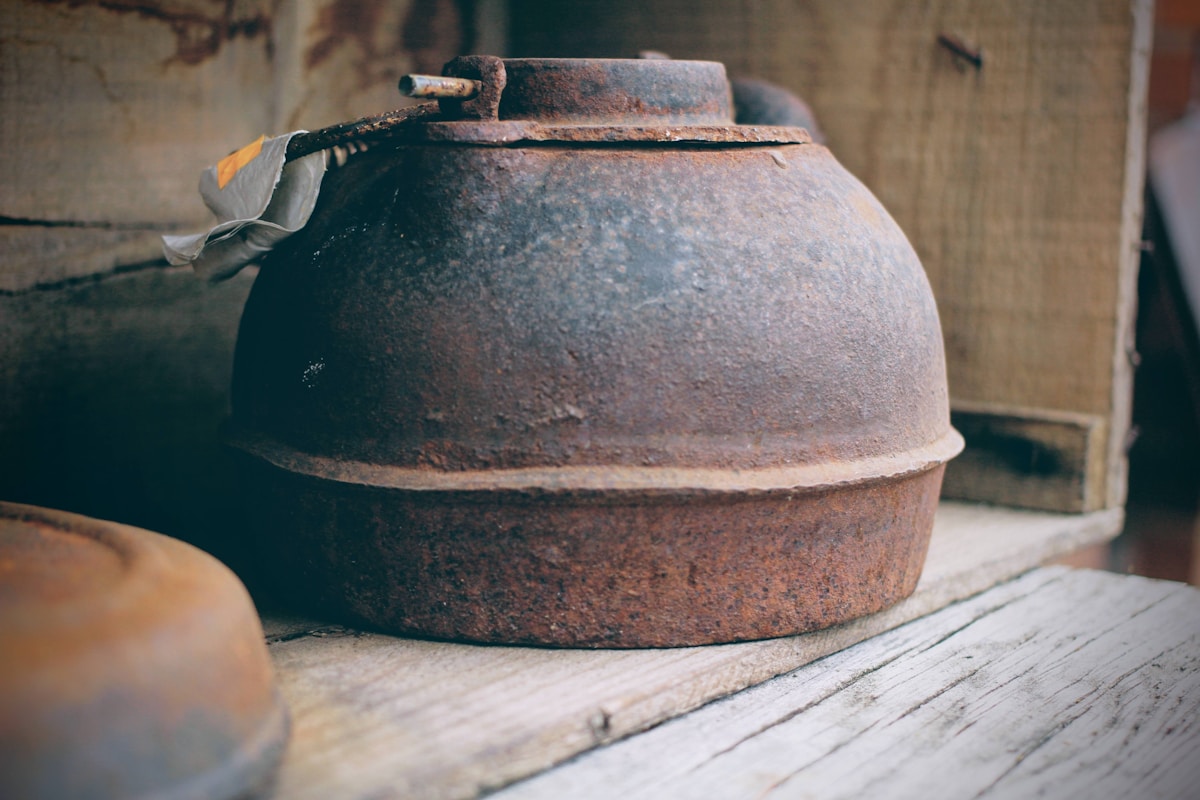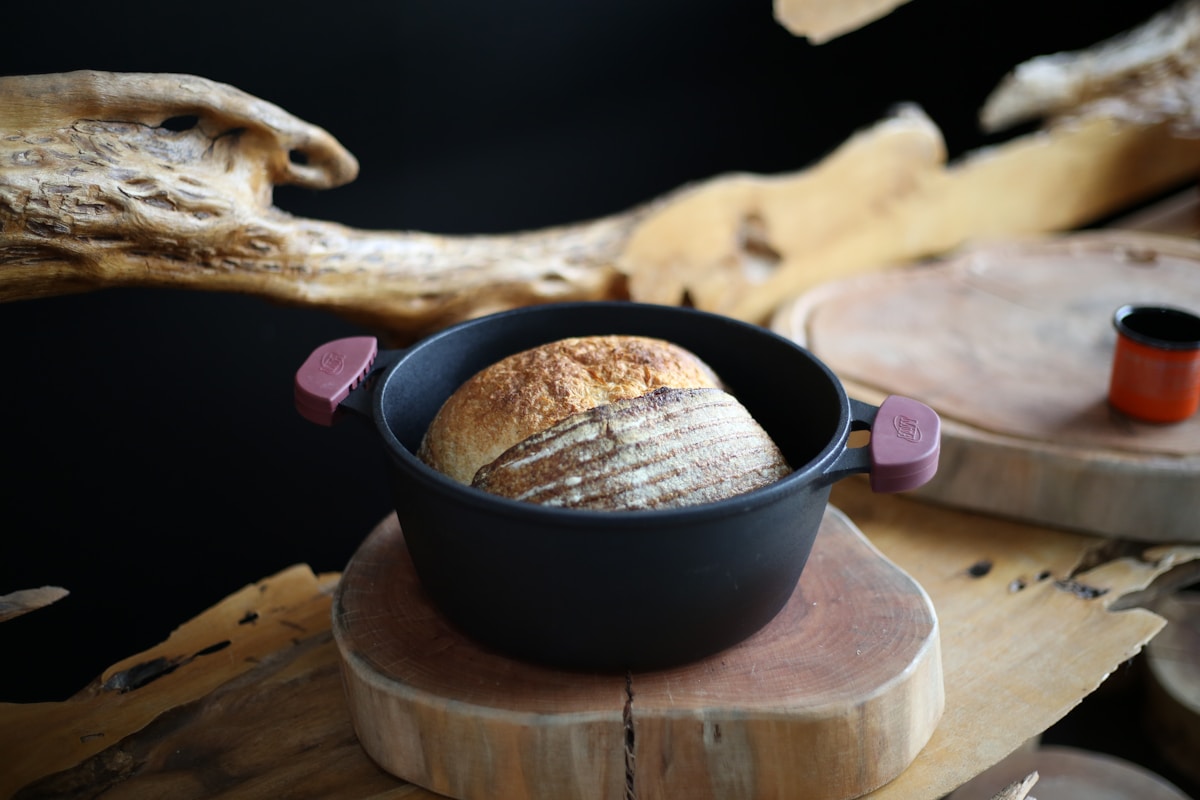
You’ve seen it before. Tucked away on a shelf at a thrift store, maybe at a garage sale, or even included as a “bonus” in a larger cookware set. A cast iron pot, but miniature. It looks like it belongs in a dollhouse kitchen. Your first thought is almost certainly, “That’s cute, but what on earth would I actually do with it?”
I see this question pop up all the time. A while back, a user on a cast iron forum posted a picture of a dusty little Lodge pot they’d found, asking if it was even worth the effort to restore. The community’s response was immediate and overwhelming, and for good reason. That tiny pot, officially sold as a “butter melter” or “melting pot,” is one of the most underrated, versatile, and secretly useful pieces of cookware you can own.
This isn’t a gimmick. It’s a dedicated problem-solver hiding in plain sight. It’s the embodiment of my core philosophy: the right tool makes cooking easier, and it’s rarely the biggest or most expensive one on the shelf. So, let’s break down exactly why this miniature workhorse absolutely deserves a spot in your kitchen.
The Obvious (And Excellent) Uses: Beyond Just Butter
Let’s start with the name on the box: Butter Melter. It does this one job with absolute perfection. The beauty of cast iron is its thermal mass—it absorbs and distributes heat slowly and gently. You can place this little pot on your stove’s lowest setting and melt a stick of butter for a lobster dinner or a big bowl of popcorn without a single browned or scorched spot. (A moment of silence for all the butter we’ve lost to a thin-bottomed saucepan that went from solid to burnt in the blink of an eye.) Cast iron gives you a massive buffer against mistakes.
This same principle applies perfectly to warming maple syrup. Microwaving syrup is a disaster; you get super-heated pockets of lava surrounded by lukewarm liquid. Heating it in a regular pan feels like overkill and is hard to pour. The mini pot is the perfect solution. A gentle minute or two on low heat gives you perfectly warm, deliciously pourable syrup for a stack of pancakes or waffles. Better yet, the pot’s heat retention means it will stay warm on the table all through breakfast.
But its utility for liquids goes far beyond breakfast. This is the ultimate tool for heating small amounts of sauce. Need to warm up a half-cup of marinara for a quick lunch of mozzarella sticks? Done. Want to whip up a small batch of cheese sauce for a personal plate of nachos? Ideal. Heating some leftover au jus from last night’s roast beef for a French dip sandwich? There is literally no better tool for the job. You get precise temperature control without dirtying a two-quart saucepan for a tiny amount of food.
The Serving Powerhouse: Keeping Things Hot at the Table
Here’s where we move from simple utility to kitchen genius. As I mentioned, heat retention is cast iron’s superpower. A standard ceramic gravy boat looks nice, but it’s a heat vampire, sucking the warmth out of your gravy. Within ten minutes, it’s lukewarm. The fix is simple and elegant.
Before serving dinner, pop your mini cast iron pot in the oven at 350°F (175°C) for about 10 minutes. Pour your piping-hot gravy into the pre-heated pot and bring it to the table. I promise you, it will stay hot through second and even third helpings. Your Thanksgiving and Sunday roast dinners just got a major upgrade.
This concept extends beautifully to dips and appetizers. It’s the perfect size for a warm spinach and artichoke dip, a gooey queso, or a savory crab dip meant for two people. You can mix, bake, and serve all in the same vessel. The Lodge Melting Pot (a common model is the LMP3) holds about 15 ounces, or just under two cups (440ml). That’s a generous portion for a shared appetizer. It looks fantastic on a cheeseboard, bringing a rustic, homey charm that a simple bowl just can’t match.
The Single-Serving Baker: Your Personal Dessert Vessel
If you’re still not convinced, this should do it. This little pot is an incredible single-serving baking dish. Because cast iron heats so evenly and holds that heat so well, it creates phenomenal textures and crusts that you just can’t get from ceramic or glass.
The classic move is a single-serving brownie or a “pizookie”—a skillet cookie. Imagine a warm, fudgy brownie with irresistibly crispy edges and a molten, gooey center, baked and served right in its own little pot. Top it with a scoop of vanilla ice cream that slowly melts into the warm brownie, and you have a dessert experience that is pure indulgence.
It’s incredibly easy to do. Here’s a quick guide:
- Prepare your favorite brownie or cookie dough batter as directed.
- Lightly grease and flour (or cocoa powder for brownies) the inside of the pot.
- Fill it about halfway to two-thirds full with your batter.
- Bake in a preheated oven at 350°F (175°C) for about 20-25 minutes. The exact time depends on your batter, but start checking with a toothpick when the edges look set and pull away slightly from the sides.
But don’t stop at brownies. Think mini apple crumbles with a crunchy oat topping, individual bread puddings, a tiny shepherd’s pie, or a personal baked mac and cheese with a ridiculously crisp top. Anything you would bake in a small ramekin, you can bake in this pot for a superior, evenly-cooked result.
The Kitchen Sidekick: Unexpected Hacks and Clever Tricks
This is where we get into the clever, in-the-know uses that make seasoned cooks nod in appreciation. These are the little things that solve daily kitchen annoyances.
Roasting Garlic: Trim the top off a whole head of garlic to expose the cloves. Place it cut-side-up in the pot, drizzle generously with olive oil, and sprinkle with salt and pepper. Roast in a 400°F (200°C) oven for 30-40 minutes until the cloves are soft, caramelized, and sweet. You can squeeze the roasted garlic out like butter to spread on crusty bread or mix into mashed potatoes. The pot contains the whole process perfectly.
Toasting Spices and Nuts: Need to toast a tablespoon of cumin seeds or a handful of pine nuts to wake up their aromatic oils? A big skillet can be clumsy, and its large surface area can lead to uneven heating and scorching. The small pot’s contained size and even heat make it the perfect tool for gently toasting small quantities without burning them. Just keep them moving and use your nose—when it smells fragrant, it’s done.
Kitchen Hack of the Day: The Indestructible Spoon Rest. This is my absolute favorite trick. When I’m searing a steak or simmering a sauce, I’m constantly using a metal tasting spoon or a hot spatula. You can’t put it on a plastic rest (it’ll melt), and a ceramic one can crack from the sudden temperature change (thermal shock). My solution? I place my mini cast iron pot right next to the stove and use it as a spoon rest. It can handle any amount of heat you throw at it, and it keeps drips contained. It’s also the perfect vessel for collecting rendered bacon grease.
Is It Worth the Drawer Space? A Practical Verdict
So, after all that, should you actually run out and buy one? As always, let’s be practical and weigh the pros and cons.
The Pros:
- Incredibly Versatile: It’s a melter, warmer, server, baker, roaster, and kitchen tool holder. It punches way above its weight class.
- Excellent Performance: You get the unmatched heat retention and even distribution of cast iron, scaled down for small tasks.
- Built to Last: It’s a solid piece of cast iron. With minimal care, it will outlive you, your children, and possibly your grandchildren. (No, really.)
- Extremely Affordable: A brand new Lodge melting pot typically costs between $10 and $20. You can often find them for just a few dollars at thrift stores. It’s a tiny investment for a tool you will use for decades.
The Cons:
- Niche Size: Its small capacity is both its greatest strength and its biggest limitation. You aren’t cooking a family meal in this.
- Requires Cast Iron Care: You have to season it, wash it carefully by hand, and dry it immediately and thoroughly to prevent rust. The good news is that this entire process takes about 60 seconds for a pot this small.
- Heavy for its size: It’s dense. Don’t be surprised by its heft.
The Bottom Line: Is this an essential, must-have piece of cookware like a 10-inch skillet or a stockpot? No. But is it one of the highest-value, most surprisingly useful “specialty” items you can possibly own? Absolutely. For the cast iron enthusiast, the solo cook, or anyone who simply loves a clever, multi-purpose tool, it’s a must-buy.
If you see one, grab it. Don’t hesitate. You will find a use for it. Then another. And another. Soon, you’ll wonder how you ever managed without your trusty little pot. It’s a classic case of the right tool—not the biggest or most expensive—making your time in the kitchen just a little bit easier and a whole lot more fun.