


You know the moment. You need to melt two tablespoons of butter. You grab your smallest saucepan, which is still way too big. The butter sizzles, foams, and threatens to brown in about thirty seconds flat. Or you’ve made a beautiful pan gravy, but by the time you get it to the table in a gravy boat, it’s lukewarm. These are the small, everyday kitchen frustrations that make you wonder if there’s a better tool for the job.
I’ve seen them all over the internet and in kitchen stores: those adorable, tiny cast iron pots. They look great in photos, but are they practical? Or are they just another kitchen gadget destined to collect dust in a cabinet? As the gear reviewer here at Kitchen Fun, I’m skeptical of anything that seems like a ‘unitasker.’ So I bought one—specifically, the popular Lodge 15-Ounce Cast Iron Melting Pot—and put it through its paces for a few months. Here’s the honest breakdown of whether this little piece of iron is a kitchen hero or a gimmick.
What Exactly Is a Mini Cast Iron Pot?
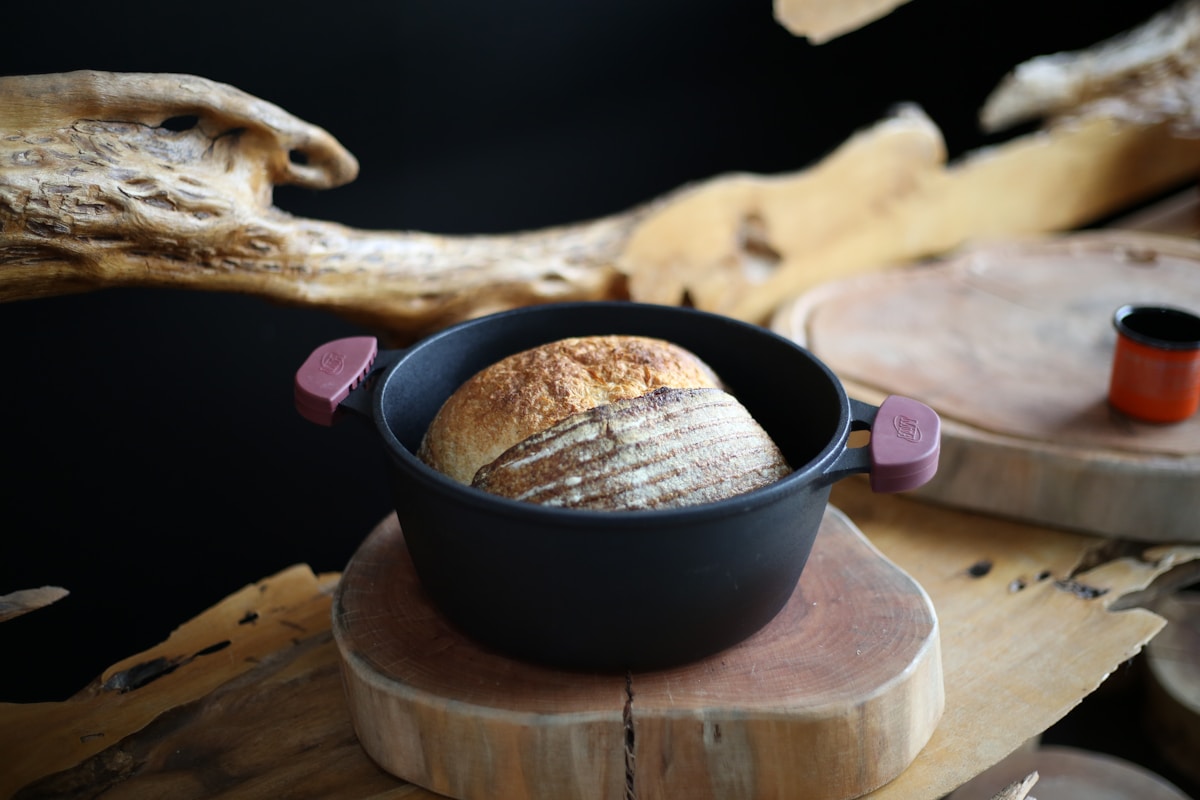
First, let’s define what we’re talking about. A mini cast iron pot is typically a small, single-handled pot with a capacity of one quart or less. The model I tested, the Lodge LMP3, holds just 15 ounces (about 0.45 quarts or 440 ml). It’s essentially a scaled-down version of its larger, more famous skillet cousins, made from the same hunk of heavy, durable cast iron.
Because it’s a Lodge, it comes pre-seasoned from the factory, though like all cast iron, its non-stick properties will improve with every use. It’s a solid, hefty little thing that feels nearly indestructible. The best part? It’s affordable. You can usually find one for between $15 and $25. In the world of cookware, that’s about as low-risk as it gets.
The magic, of course, is in the material. Cast iron is legendary for its heat retention. It takes a while to heat up, but once it’s hot, it stays hot. This property is precisely what makes this tiny pot so surprisingly useful for specific tasks where temperature stability is everything.
The Top 5 Practical Uses I’ve Found
After weeks of reaching for this little pot, I found it graduating from a novelty to a genuine staple. It doesn’t do everything, but what it does, it does exceptionally well. Here are the tasks where it truly shines:
1. The Perfect Butter & Chocolate Melter This is its headline feature, and it doesn’t disappoint. Because the thick cast iron heats so gently and evenly, it’s practically impossible to scorch butter or seize chocolate. On low heat, it brings butter to a perfect, clear liquid state, ideal for baking or making a clarified butter for dipping seafood. My favorite use is for garlic bread: I’ll melt a half-stick of butter in the pot, toss in a few crushed garlic cloves and a pinch of dried oregano, and let it infuse gently for five minutes. The pot holds the heat so well I can turn the burner off and it stays warm and ready for brushing onto bread.
2. The Sauce & Gravy Guardian This was the surprise win for me. Serving a beautiful steak au poivre? A holiday dinner with turkey gravy? A batch of homemade caramel or hot fudge for an ice cream bar? Pouring it into a standard ceramic gravy boat means it’s cold in ten minutes. If you warm this cast iron pot first, it will keep your sauce piping hot right at the table for a half-hour or more. (Kitchen Hack: For maximum heat retention, pop the empty pot in a 200°F / 93°C oven for 10 minutes before pouring your hot sauce in. It makes a huge difference.) It’s also brilliant for tableside cheese sauce for nachos or pretzels.
3. The Single-Serving Sidekick Living in a small household means I don’t always need a giant 12-inch skillet. This mini pot is perfect for cooking a single fried egg (it makes a perfectly round one!), toasting a tablespoon of pine nuts or sesame seeds without them flying everywhere, or sautéing a handful of mushrooms and shallots to top a steak. It forces portion control and saves you from washing a massive pan for a tiny job.
4. The Individual Dessert Baker This is where the mini pot goes from practical to delightful. You can take it directly from the oven to the table for a rustic, impressive presentation. Think single-serving brownies, deep-dish skillet cookies, or mini fruit crumbles. The cast iron creates incredible crusts. For a quick dessert, try this: press about 3-4 tablespoons of your favorite store-bought cookie dough into the buttered pot. Bake at 350°F / 175°C for 12-15 minutes until the edges are golden but the center is still soft. Top with a scoop of vanilla ice cream and serve right in the pot with a spoon. (Your guests will love this.)
5. The Outdoor Grilling Assistant On the grill, space is at a premium. This little pot is a grilling game-changer. It’s small enough to tuck into a corner of the grate to keep your BBQ sauce warm and brushable. It’s also my go-to for melting butter with a little lime juice and chili powder for brushing onto grilled corn on the cob. Its durable nature means you don’t have to worry about it on the high heat of a grill.
Performance Test How It Actually Heats
To move beyond feelings, I grabbed my infrared thermometer. On a medium-low gas flame, the pot took about 3 minutes to reach a stable 300°F / 150°C across its entire base. There were no significant hot spots—the center was only about 10-15 degrees hotter than the edges, which is excellent performance and explains why it melts things so gently.
The real story is heat retention. I heated the pot to 350°F / 175°C and removed it from the heat. After 10 minutes on a wooden trivet, the surface was still reading 220°F / 104°C. After 20 minutes, it was still over 150°F / 65°C. A thin stainless steel saucepan of a similar size dropped below that temperature in less than 5 minutes. This is why it keeps sauces so warm.
One critical note: that handle is also cast iron. It gets just as hot as the pot itself. Do not, under any circumstances, grab it without a thick potholder or a dedicated silicone handle cover. (Seriously, this is a lesson you only want to learn once.)
The Downsides Is It a ‘Unitasker’?
No tool is perfect, and this one has clear limitations. First, it’s tiny. You’re not cooking dinner in this. It’s for components, not main courses. Second, it’s heavy for its size—that’s the price you pay for heat retention. Finally, it demands the standard cast iron care regimen: hand-wash only, dry immediately and thoroughly, and wipe with a thin layer of cooking oil periodically to maintain the seasoning. If you’re a ’throw everything in the dishwasher’ cook, this is not the pot for you.
This brings us back to the central debate: is it a ‘unitasker’? The term often implies a useless gadget, but I disagree with that classification here. I prefer to call it a specialist. A fish spatula is a specialist. So is a garlic press. If you never cook fish or press garlic, they are useless. But if you do, they are the absolute best tool for the job. The same logic applies here. If you frequently do the tasks this pot excels at, it’s not a unitasker—it’s an invaluable specialist that will make your time in the kitchen easier and more enjoyable.
My Final Verdict Should You Buy One?
After months of regular use, the little Lodge pot has earned a permanent, accessible spot in my kitchen. It solved several small but persistent annoyances, and the individual desserts are a huge bonus.
So, here’s my bottom line:
You should absolutely buy a mini cast iron pot if:
- You often melt butter, chocolate, or coconut oil.
- You love making and serving warm sauces, gravies, or dips.
- You frequently cook for one or two people.
- You appreciate a rustic, oven-to-table presentation for individual desserts.
- You do a lot of grilling and need a small, durable pot for the grates.
You should probably skip it if:
- Your kitchen storage is extremely limited.
- You despise hand-washing any cookware.
- You never do any of the specific tasks listed above.
For under $25, this isn’t a major financial decision. It’s a small, low-risk investment in a tool that, if it fits your cooking style, will pay you back with perfectly melted butter, hot gravy, and delightful single-serving treats for years to come. It’s a prime example of my core philosophy: the right tool makes cooking better, and it doesn’t have to be the most expensive one.


