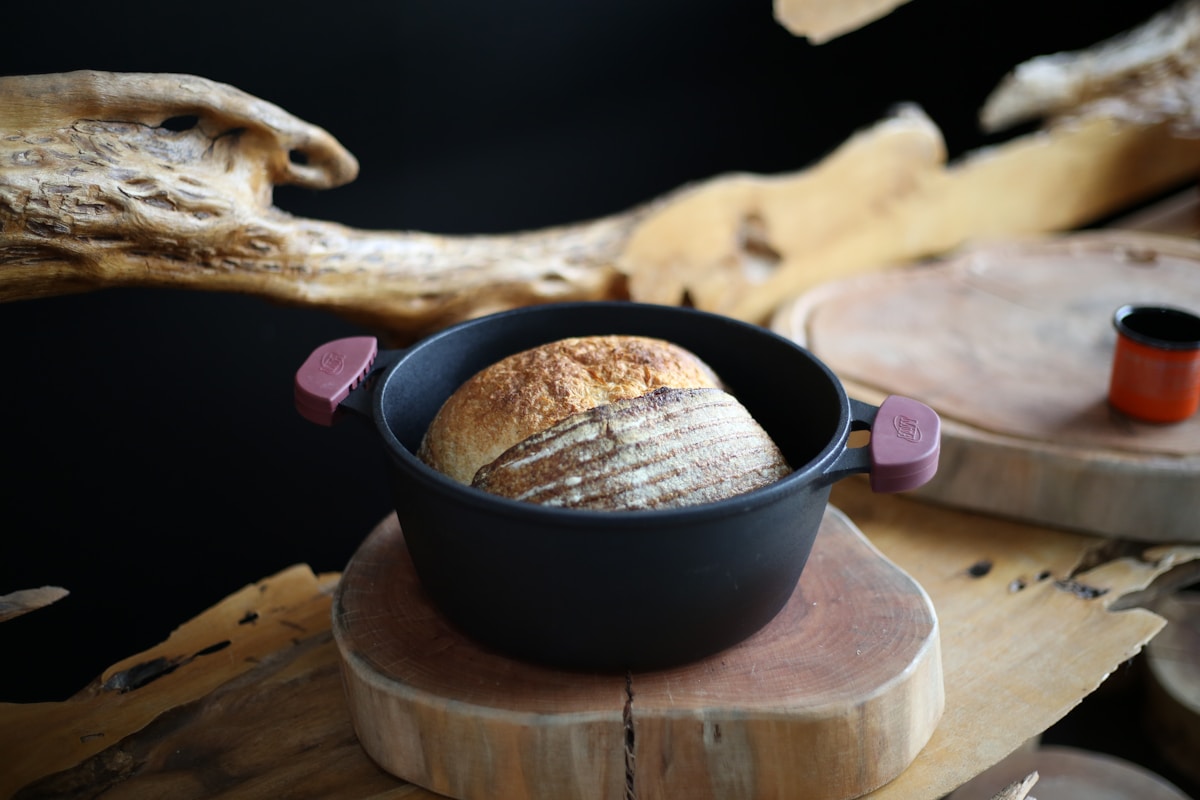
You’ve seen them. Sitting there on the shelf at a kitchen supply store, looking like something from a dollhouse. A tiny, perfect, miniature cast iron skillet. Your first thought is probably the same as mine was: “That’s cute. But what on earth would I do with it? Melt a single pat of butter?”
It’s a fair question. In a world of 12-inch workhorse skillets and giant Dutch ovens, a 3.5-inch or 5-inch pan seems like a gimmick. A piece of kitchen novelty destined to collect dust. But I’m here to tell you that this little piece of iron is one of the most surprisingly useful, high-value tools you can add to your collection. (Yes, really.)
The most expensive tool isn’t always the right one, and this is a prime example. For less than the price of a couple of fancy coffees, you get a specialized tool that solves a bunch of small, annoying kitchen problems you didn’t even realize could be solved so easily. Let’s break down why this tiny titan deserves a spot on your stove.
Why Size (and Material) Matters
The magic of cast iron is its heat retention. It gets hot, and it stays hot. This property, called high thermal mass, is what gives you that incredible sear on a steak. In a tiny skillet, this same property works on a micro-scale, and that’s its secret weapon.
Think about toasting a tablespoon of sesame seeds in a large 10-inch pan. The heat is spread out, it’s hard to control, and they can go from pale to burnt in a split second. Now, picture it in a mini skillet. The concentrated, stable heat toasts them evenly and deeply, releasing all their fragrant oils without the risk of scorching. The thick iron base acts as a buffer, giving you more control over the process.
This principle applies to anything you cook in small quantities. Trying to melt a few tablespoons of butter with some chopped garlic for pasta? In a big pan, the milk solids can burn before the garlic is even fragrant. In a mini skillet, the heat is gentle and contained. It’s a tool of precision.
Brands like Lodge sell these mini skillets for a song, often ranging from $8 to $20 for their 3.5-inch or 5-inch models. They come pre-seasoned and are virtually indestructible. It’s a tiny investment for a tool that performs specific jobs better than its larger, more expensive cousins.
Beyond Melting Butter Practical Everyday Uses
Okay, so it’s great for precise heating. But what are the actual, practical applications you’ll use day-to-day? You’d be surprised.
-
Perfectly Roasted Garlic: This alone might be worth the price of admission. Take a whole head of garlic, slice off the top quarter-inch to expose the cloves. Place it cut-side-up in your mini skillet. Drizzle generously with olive oil and sprinkle with salt and pepper. Cover tightly with foil, pop it in the oven at 400°F (200°C) for 35-45 minutes. The result is a head of soft, sweet, caramelized garlic butter that you can squeeze onto bread, mix into mashed potatoes, or add to sauces. The skillet is the perfect size to contain the garlic and oil, essentially confit-ing it in its own little hot tub.
-
Blooming Spices & Nuts: To get the most flavor out of whole spices like cumin or coriander seeds, you need to toast them. Throw them in a dry mini skillet over medium-low heat for 60-90 seconds, shaking constantly. You’ll know they’re done when they smell incredibly fragrant. This process releases their volatile oils and transforms their flavor. The same goes for nuts like pine nuts or slivered almonds, which toast to a perfect golden brown without burning.
-
Individual Hot Dips & Sauces: Having people over? Making a small batch of queso or spinach-artichoke dip and serving it in a mini cast iron skillet is a pro move. The skillet keeps the dip bubbly and hot right on the table. For a quick single-serving queso, just melt 1/2 cup of shredded Monterey Jack with 2 tablespoons of milk and a spoonful of chopped jalapeños and cilantro directly in the skillet over low heat. For sauces, it’s perfect for warming a single serving of marinara for a snack or keeping au jus hot for a French dip sandwich.
The Main Event Single-Serving Skillet Desserts
This is where the mini skillet truly shines and becomes the star of the show. There is nothing quite like a personal-sized, piping hot skillet cookie or brownie, served straight from the oven with a scoop of vanilla ice cream melting on top.
The crispy, buttery edges and the gooey, molten center are a texture combination made in heaven, and the cast iron is essential for creating it. Here’s a simple, go-to recipe for a single-serving skillet cookie that will change your life.
Mini Skillet Chocolate Chip Cookie
- 2 tablespoons unsalted butter, melted
- 2 tablespoons brown sugar, packed
- 1 tablespoon granulated sugar
- 1 egg yolk (save the white for an omelet!)
- 1/4 teaspoon vanilla extract
- 1/4 cup all-purpose flour
- 1/8 teaspoon baking soda
- A pinch of salt
- 3 tablespoons of your favorite chocolate chips
- Flaky sea salt for finishing
Instructions:
- Preheat your oven to 375°F (190°C). Place your mini cast iron skillet inside to get it hot.
- In a small bowl, whisk together the melted butter and sugars until combined.
- Whisk in the egg yolk and vanilla extract.
- Stir in the flour, baking soda, and salt until just combined. Don’t overmix. Fold in the chocolate chips.
- Carefully remove the hot skillet from the oven. Plop the cookie dough into the center and spread it out a bit.
- Bake for 15-18 minutes, or until the edges are golden brown and set, but the center is still soft.
- Let it cool for a few minutes (it will be lava-hot), sprinkle with flaky sea salt, and top with a scoop of ice cream. Dig in with a spoon.
The Kitchen Hack The Perfect Fried Egg
Here’s my favorite practical tip, the one that makes me reach for this little pan multiple times a week. The 3.5-inch mini skillet is the ultimate tool for frying a single egg. (Your future self will thank you for this.)
Why? It’s a natural egg ring. The small diameter and high sides contain the egg white, preventing it from spreading out into a thin, sad, amoeba-like shape. Instead, it cooks up, creating a thicker white that becomes perfectly set just as the yolk reaches your desired runniness. It creates a perfectly round, sandwich-sized egg every single time.
Just preheat the pan over medium heat, add a small pat of butter, and crack your egg in. The result is so much better than an egg fried in a large pan, you’ll wonder how you ever did it before. It’s a small detail, but it makes for a much better breakfast sandwich or avocado toast.
Care and Keeping Is It a Hassle
Let’s address the cast iron elephant in the room: maintenance. People worry that cast iron is finicky and hard to care for. With a mini skillet, the process is so fast it’s barely a chore.
After cooking, just wash it out with hot water and a stiff brush while it’s still warm. (Avoid soap unless you absolutely have to, as it can strip the seasoning). Then, and this is the most important step, dry it completely. The easiest way is to put it back on a low burner for 30-60 seconds until every drop of water has evaporated.
Finally, while it’s still warm, add a couple of drops of a neutral oil (like canola or grapeseed) and wipe it all over the interior with a paper towel. That’s it. The whole process takes less than a minute. For a tool this useful, it’s a tiny price to pay.
The Verdict Is It a Gimmick or a Gem
So, is the mini cast iron skillet a must-have? For the price, and for the number of specific tasks it does better than any other tool, my answer is a resounding yes. It’s not a gimmick; it’s a specialist.
You won’t be searing a steak in it. You won’t be making dinner for the family. But you will be making the best skillet cookies, the most evenly toasted spices, the cutest fried eggs, and the most perfectly roasted garlic of your life.
It’s the embodiment of my core philosophy: the right tool makes cooking easier and more fun. And in this case, the right tool is also the smallest and one of the cheapest. It’s a true kitchen gem that delivers immense value and earns its tiny spot in your cupboard.