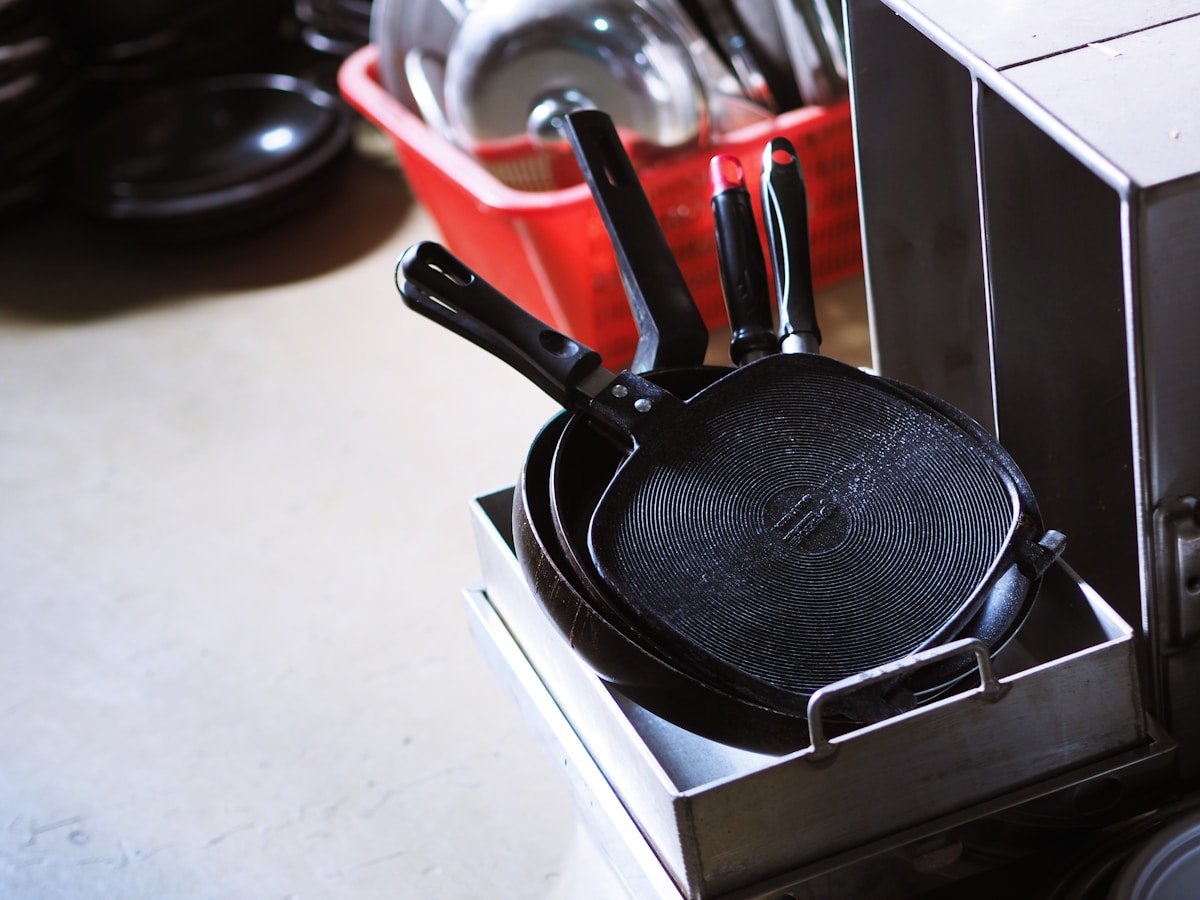
What Are the Best Tips for a New Cast Iron Skillet Owner?

What Are the Best Tips for a New Cast Iron Skillet Owner?

So you just picked up your first cast iron skillet — maybe a classic Lodge, heavy as a brick, and full of promise. You’ve heard they last forever, give you restaurant-quality sears, and even bake a mean cornbread. But then you start reading online horror stories: rust spots, scrambled eggs that glue themselves to the pan, and ruined seasoning that leaves you starting from scratch. Take a breath. I’ve been through all of it, and I’m here to tell you that cast iron is actually one of the most forgiving and rewarding cookware investments you’ll ever make. The right tips — and a little patience — turn that hunk of metal into a nonstick heirloom.
Can You Restore a Vintage Cast Iron Skillet Found in the Yard?

Can You Restore a Vintage Cast Iron Skillet Found in the Yard?

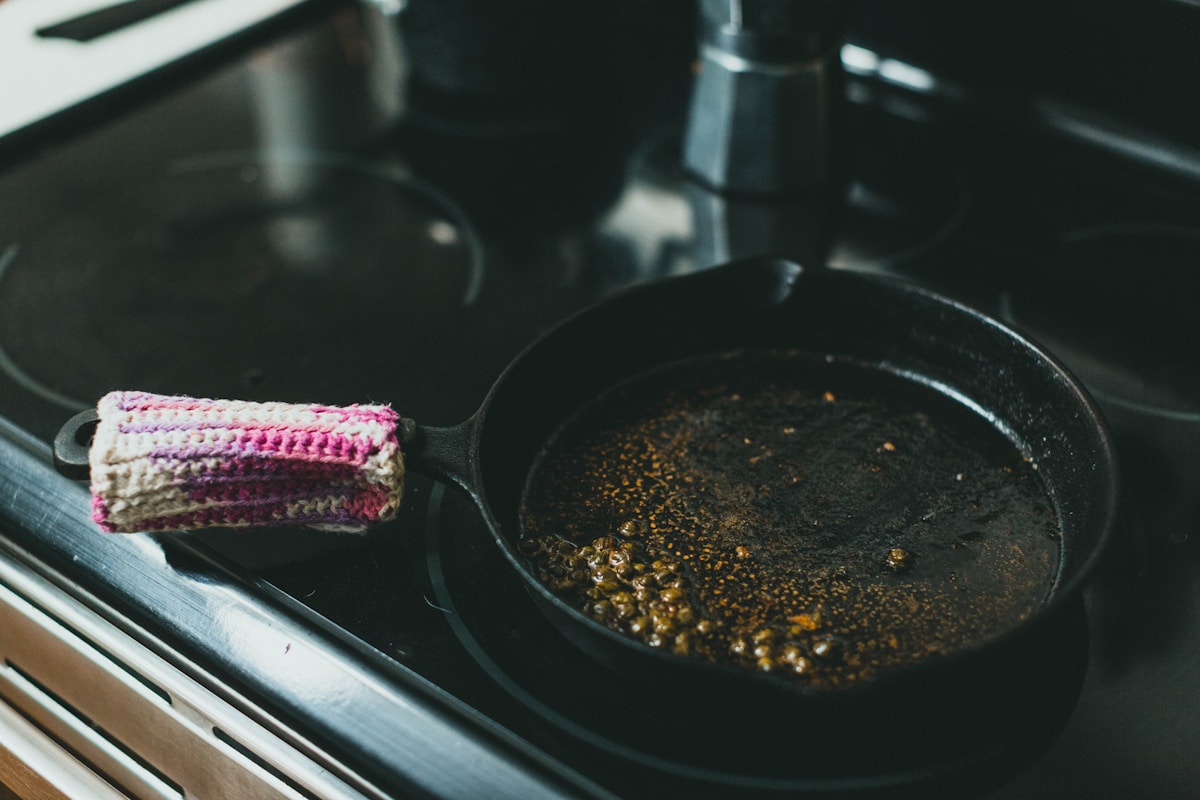
You’re weeding the garden on a warm Saturday, pulling out roots and rocks, when your trowel hits something solid. You dig it up—a small, heavy, rust-caked skillet. It’s black with orange crust, maybe from the 1920s. Your first thought: “Can I actually use this?” The answer is a confident yes. With the right steps, that crusty relic can become your most treasured non-stick pan. I’ve restored dozens of pans over the years, and I’m going to walk you through exactly how to do it safely and successfully. Let’s get that skillet back on the stove.

Is a cast iron skillet truly the best first pan for a new cook?

Is a cast iron skillet truly the best first pan for a new cook?

You’re standing in the cookware aisle. To your left, a wall of shiny, expensive stainless steel sets that look like they belong in a professional kitchen. To your right, colorful non-stick pans promising that a fried egg will slide right off with zero effort. And then you see it—the heavy, black, slightly intimidating cast iron skillet. It looks like something your grandparents would have used. No fancy colors, no high-tech coatings, just a solid piece of metal.