You’ve seen it. Tucked away in the cookware aisle, or maybe hanging by the checkout as a tempting impulse buy. It’s the tiny cast iron skillet, usually around 3.5 inches, looking like a toy for a dollhouse kitchen. The first thought for most people is, “That’s adorable.” The second thought is almost always, “But what on earth would I actually do with it?”
I get it. In a world of 12-inch frying pans and 8-quart Dutch ovens, a skillet that can barely hold a single egg seems… frivolous. A novelty. Recently, a home cook on a popular online forum asked that exact question after buying one, and the community response was a testament to the tool’s hidden genius. It turns out, this miniature workhorse is one of the most surprisingly useful and high-value pieces of gear you can own. It’s not about cooking big meals; it’s about perfecting the small tasks that make a good meal great.
So, let’s put the novelty aside and get practical. I’ve put my own Lodge 3.5-inch mini skillet through its paces for years. Here’s a breakdown of what this little pan can actually do, why it sometimes beats its larger siblings, and whether it deserves a spot in your crowded kitchen cabinets.
The Obvious (and Not-So-Obvious) Small Jobs
Let’s start with the basics. The most common suggestion for a mini skillet is melting butter. And yes, it’s fantastic for that. You can melt a few tablespoons of butter for a recipe or for drizzling over popcorn without dirtying a whole saucepan. The same goes for warming a single serving of maple syrup for your pancakes—the cast iron holds the heat beautifully, keeping it warm at the table.
But that’s just scratching the surface. The real magic of a tiny cast iron pot lies in its incredible heat retention on a small scale. This makes it perfect for tasks where temperature control is key:
-
Toasting Spices and Nuts: Need a tablespoon of cumin seeds or a handful of pine nuts toasted? A large skillet can easily scorch them because the heat is spread out over too large a surface. The mini skillet contains them, allowing you to toast them evenly over low heat until their aroma fills the kitchen. You get more control and less waste.
-
Blooming Spices: For many recipes, especially curries and chilis, you’ll get a deeper flavor by “blooming” your spices in hot oil first. This process releases their fat-soluble compounds. Doing this in a mini skillet is efficient and concentrates the aroma, which you can then pour directly into your main pot.
-
Roasting a Single Head of Garlic: This is one of my absolute favorite uses. Slice the top off a head of garlic, place it cut-side-up in the skillet, drizzle generously with olive oil, and sprinkle with salt and pepper. Roast it in the oven at 400°F (200°C) for 30-40 minutes until the cloves are soft, sweet, and caramelized. The skillet is the perfect size, and you can serve the roasted garlic right from it with a fresh baguette. No foil needed.
Your Personal Dessert Skillet
This is where the mini skillet goes from a utility player to a main-event star. Individual, oven-to-table desserts have a rustic charm that’s hard to beat, and this little pan is the perfect vessel for them. Because it can go from stovetop to oven, it’s incredibly versatile.
The Perfect Skillet Cookie for One: Forget making a whole batch of cookies when a craving strikes. With a mini skillet, you can have a warm, gooey, personal-sized cookie in under 30 minutes.
- Simple Recipe: Mix 2 tablespoons of melted butter, 2 tablespoons of brown sugar, 1 tablespoon of white sugar, a splash of vanilla, and a pinch of salt. Whisk in one egg yolk (save the white for another use). Then, stir in 1/4 cup of all-purpose flour and 1/4 teaspoon of baking soda. Finally, fold in a handful of chocolate chips.
- The Method: Press the dough into your lightly greased mini skillet. Bake in a preheated oven at 350°F (175°C) for about 15-18 minutes, or until the edges are golden brown but the center is still a little soft. Top it with a tiny scoop of vanilla ice cream while it’s still sizzling. (Trust me on this one.)
Individual Fruit Crumble or Cobbler: This is even easier. Take a cup of your favorite fruit—berries, sliced peaches, or chopped apples work great. Toss them with a tablespoon of sugar and a teaspoon of cornstarch to thicken the juices. Pour this into the skillet. For the topping, mix a few tablespoons of oats, flour, brown sugar, and a pinch of cinnamon with some cold, cubed butter until it looks like coarse crumbs. Sprinkle it over the fruit and bake at 375°F (190°C) for 20-25 minutes until the fruit is bubbly and the top is golden. It’s a perfect, portion-controlled dessert.
Savory Sides and Single Servings
The mini skillet isn’t just for sweets. It’s a fantastic tool for making small savory dishes feel special and for nailing portion control.
The Ultimate Breakfast Sandwich Egg: If you love a good breakfast sandwich on an English muffin or bagel, you know the struggle of the sprawling fried egg. The 3.5-inch skillet is your solution. It’s the perfect size to create a thick, perfectly round fried or scrambled egg that fits your sandwich perfectly. Just add a little butter or oil, crack the egg in, and cook to your liking.
Individual Shakshuka or Baked Eggs: For a solo brunch, you can make a single-serving shakshuka. Sauté some onion and garlic in the skillet, add a bit of spiced tomato sauce, make a well in the center, and crack an egg into it. Transfer the whole thing to the oven and bake until the egg white is set. Serve it right in the skillet with a side of crusty bread for dipping.
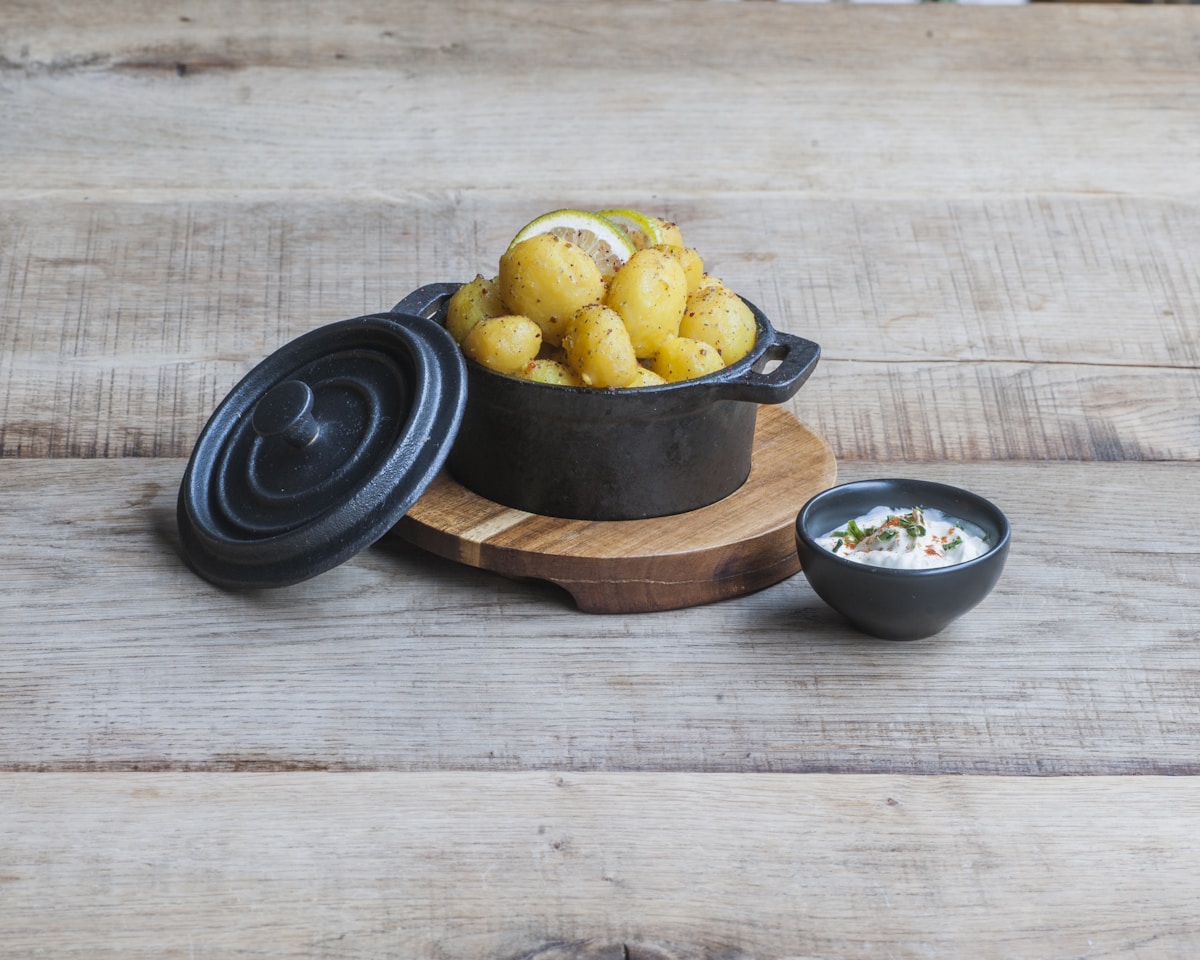
Warm Dips for Two: Instead of making a giant bowl of spinach-artichoke dip or queso, you can make a small, shareable portion in the mini skillet. Assemble your dip, bake it until bubbly, and serve it directly in the hot skillet. The cast iron will keep the dip warm and delicious for much longer than a ceramic bowl would.
The Nitty Gritty: Is It Worth Your Money and Space?
As with any kitchen tool, the answer is: it depends. Let’s break it down with some honest pros and cons.
Pros:
- Incredibly Affordable: A Lodge 3.5-inch skillet typically costs less than $10. It’s one of the cheapest and most durable pieces of cookware you can buy.
- Superior Heat Retention: Just like its big brothers, it holds heat like a champ, which is great for searing, baking, and keeping food warm for serving.
- Perfect Portion Control: It naturally limits you to single servings, which is great for desserts and side dishes.
- Less Waste, Less Cleanup: Why dirty a 10-inch pan to toast a spoonful of nuts? The mini skillet saves you from unnecessary cleanup.
- Stunning Presentation: Serving a dish in a sizzling mini skillet gives it an immediate “wow” factor. Your guests will be seriously impressed.
Cons:
- It’s a Niche Tool: You won’t be using it for your main course. It is a specialist, not a generalist.
- Awkward Handle: The handle is proportionally tiny and gets just as hot as the pan. You’ll always need an oven mitt or handle cover.
- It’s Still Cast Iron: It requires the same care as any other cast iron pan. You need to season it, avoid harsh soaps, and dry it immediately to prevent rust. (A quick tip: after washing, I always put mine back on the warm burner for a minute to make sure it’s bone dry.)
The Final Verdict
In a world of single-use kitchen gadgets, the mini cast iron skillet stands out. It’s not a gimmick. It’s a real, durable tool that solves a dozen small problems you might not have even noticed you had. It makes small-batch tasks more efficient, turns simple desserts into special occasions, and offers perfect portion control.
Does everyone need one? Probably not. If your cabinets are already bursting and you never find yourself melting small amounts of butter or making single desserts, you can pass. But for its tiny price tag, the mini cast iron skillet offers a massive return in value and versatility. It punches way above its weight class, proving my core belief once again: the right tool makes cooking easier, and it’s almost never the biggest or most expensive one on the shelf.