Will Expensive Cookware Actually Save You Money in the Long Run?

Will Expensive Cookware Actually Save You Money in the Long Run?

We’ve all been there. You’re in the middle of flipping pancakes on a Sunday morning, and a small, black flake of non-stick coating lands right in the batter. Or you’re trying to get a fine dice on an onion for your famous chili, but your cheap knife is mashing it into a tear-inducing pulp. It’s frustrating, and it makes cooking feel like a chore.
Can You Really Save a Completely Rusted Cast Iron Pan?

Can You Really Save a Completely Rusted Cast Iron Pan?

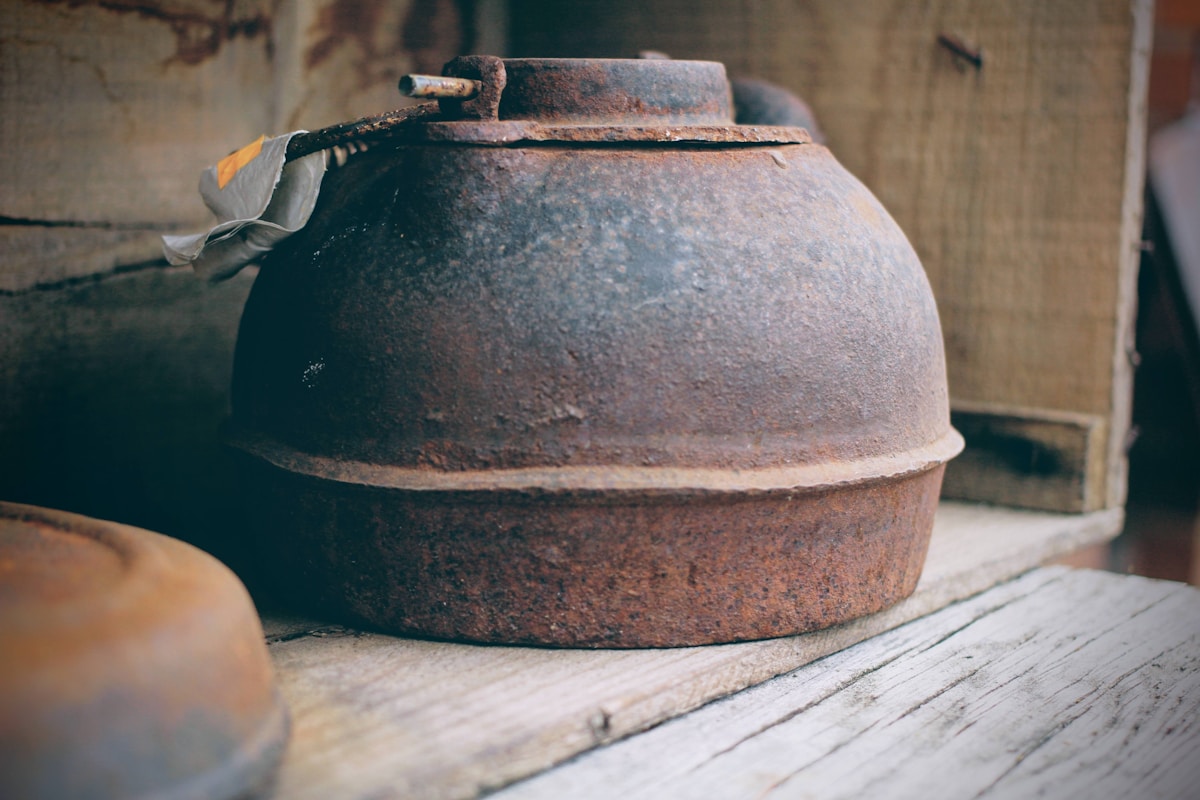
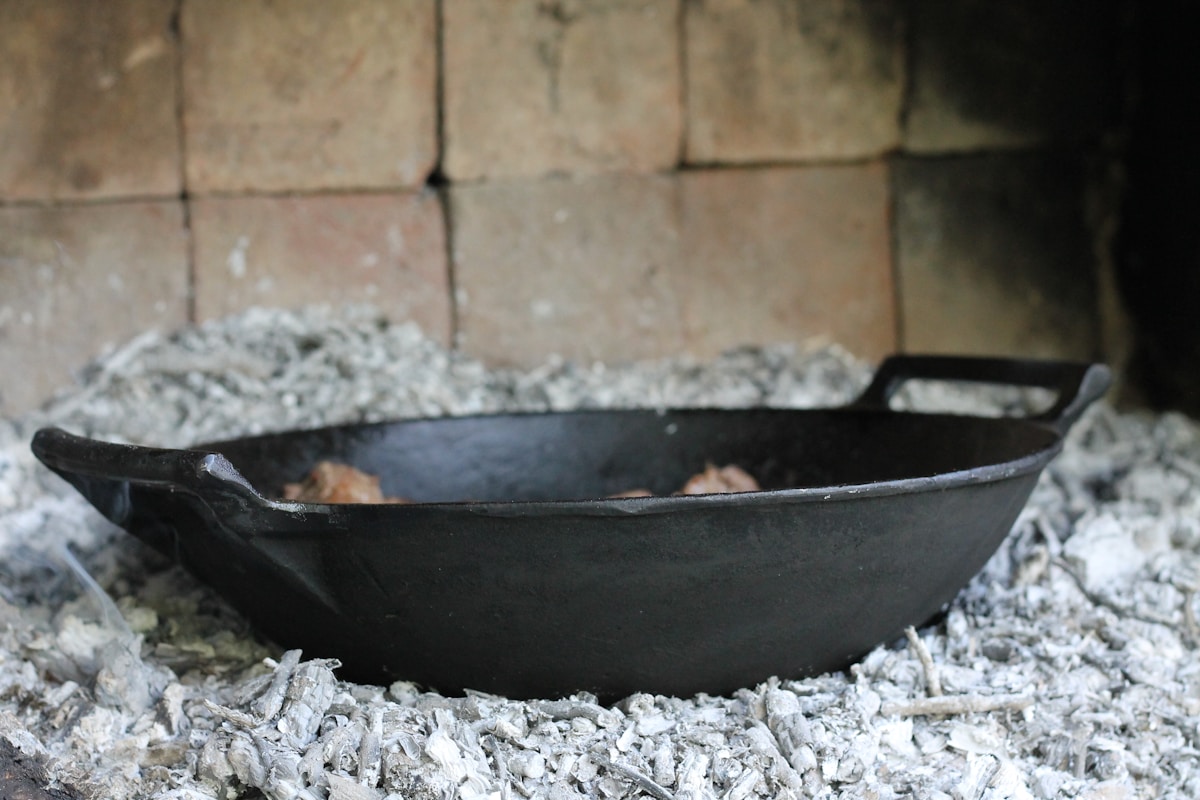
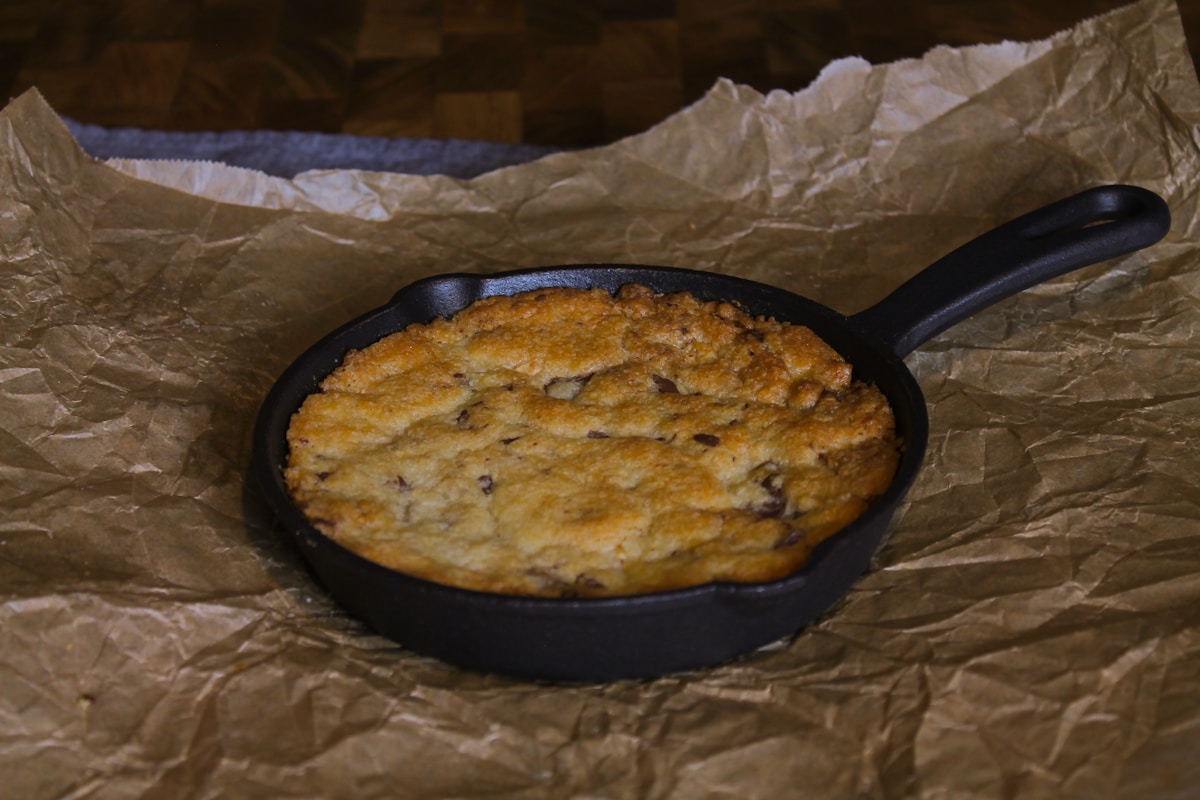
You see it in the back of your grandmother’s cabinet, at a garage sale for a couple of bucks, or maybe you just forgot one on the back burner. It’s a cast iron skillet, but it’s not the beautiful, jet-black, glossy pan you see in cooking videos. It’s a sad, crusty, orange-flaked mess. Your first thought is probably, “Well, that’s ruined. Into the trash it goes.”

Is Spending More on High-End Kitchen Gear Really Worth It?

Is Spending More on High-End Kitchen Gear Really Worth It?

I saw a great conversation online the other day. It wasn’t even about kitchens. It was about a guy who was tired of his cheap circular saw breaking, so he finally spent the money on a professional-grade one. The philosophy was simple: “Buy it once, cry once.” You feel the sting of the price upfront, so you don’t have to feel the chronic pain of a tool that fails you over and over again.

Does Your Cake Pan Color Really Matter for Baking?

Does Your Cake Pan Color Really Matter for Baking?

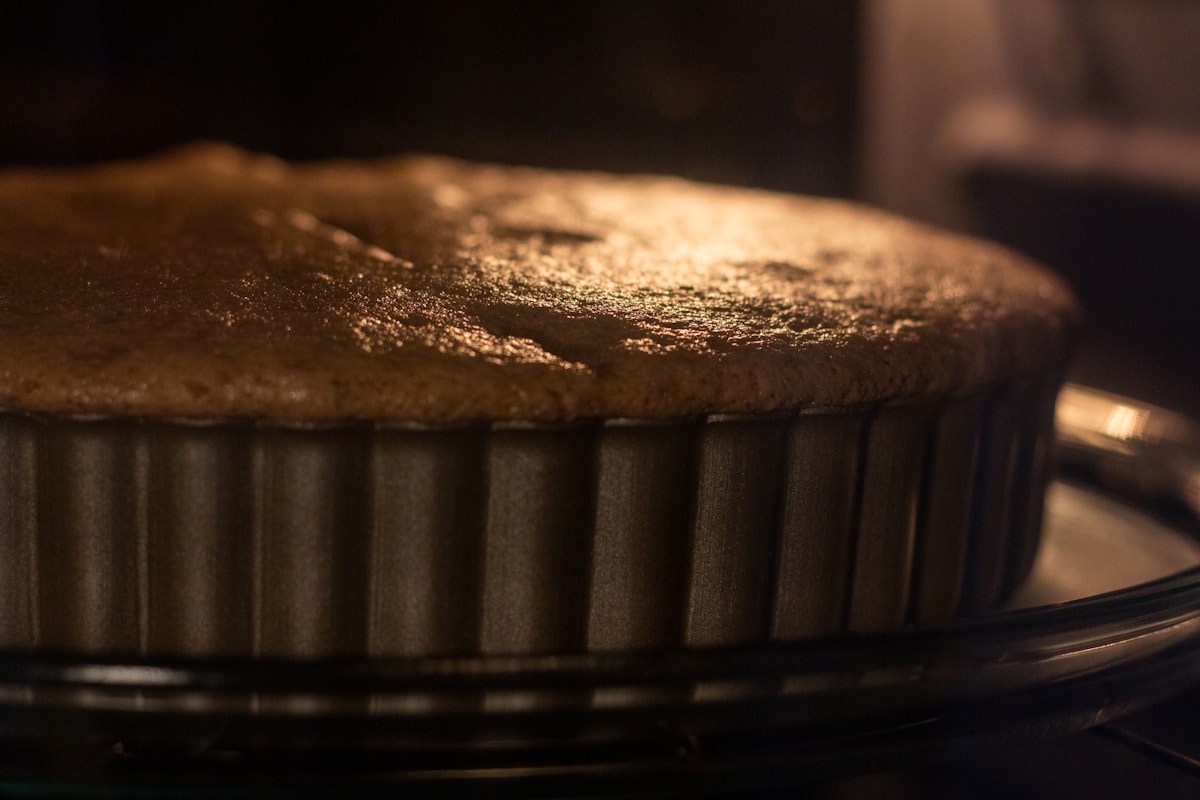
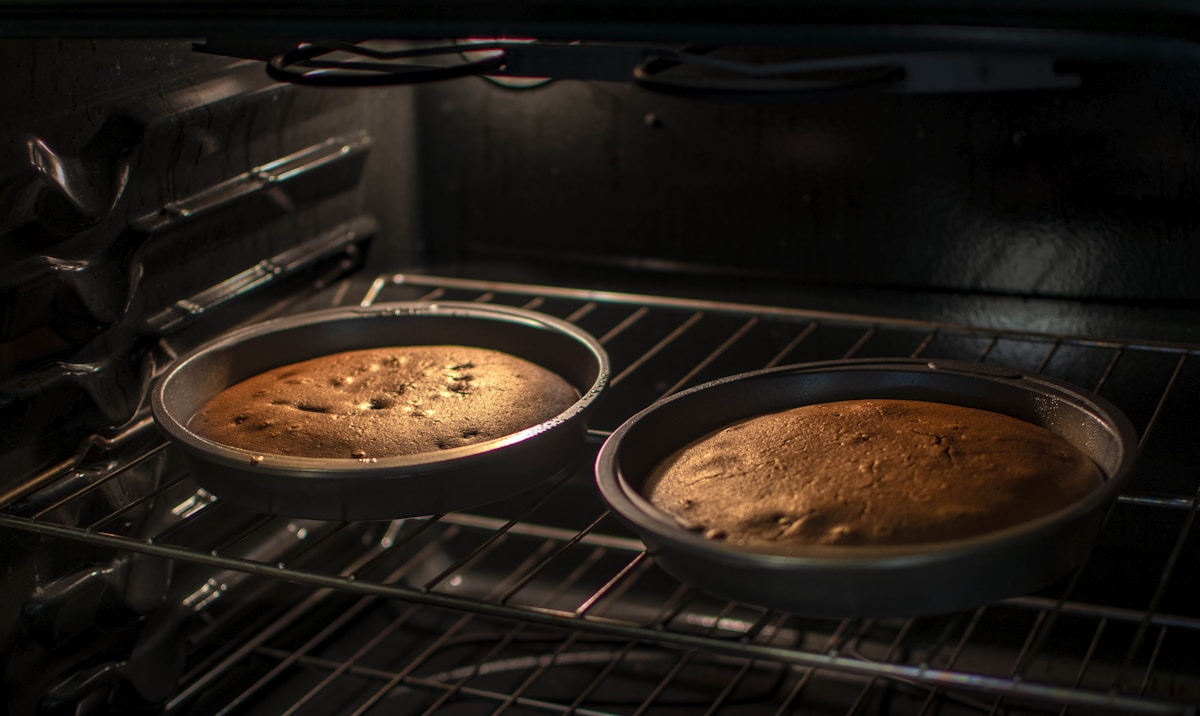
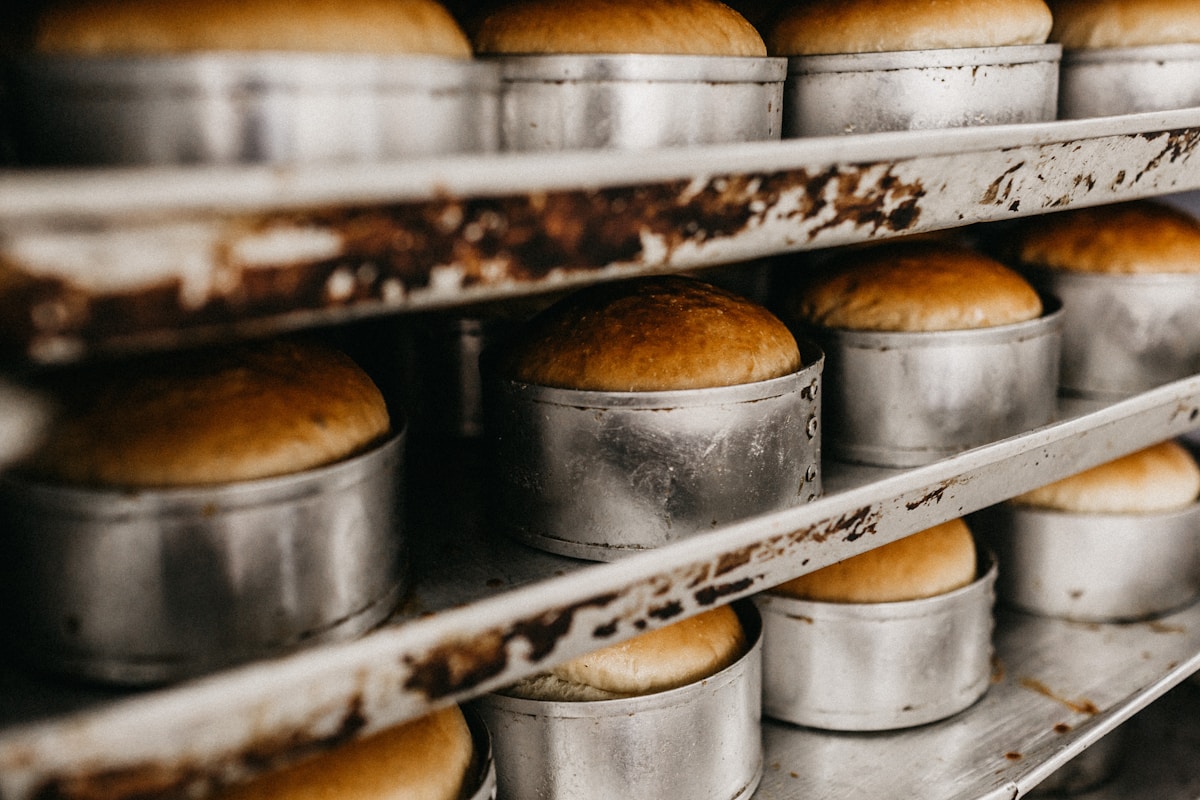
You did everything right. You measured the flour perfectly, brought your eggs to room temperature, and followed the recipe to the letter. You pull your beautiful cake layers from the oven, only to feel that familiar sinking feeling. The edges are dark, almost crisp, and pulling away from the sides, while a toothpick inserted in the center comes out with a smear of wet batter. What went wrong?

What Can You Really Cook in a Mini Cast Iron Pot

What Can You Really Cook in a Mini Cast Iron Pot

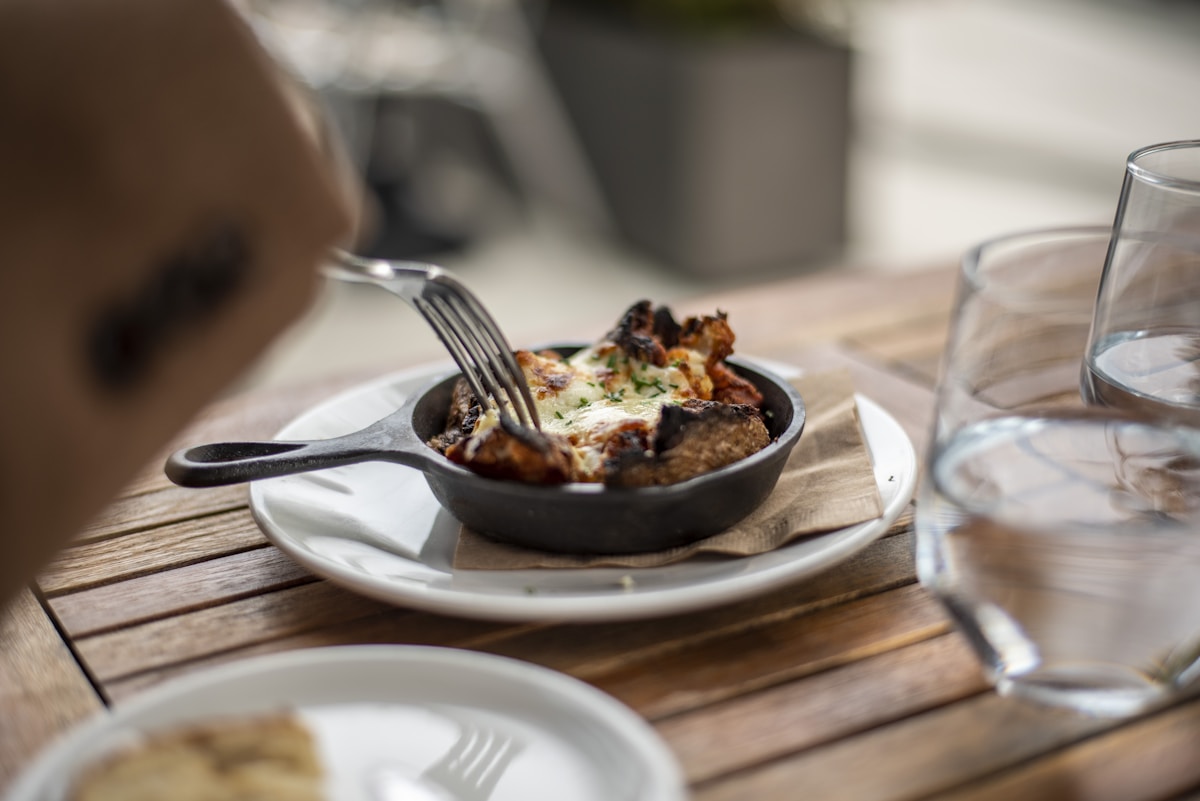
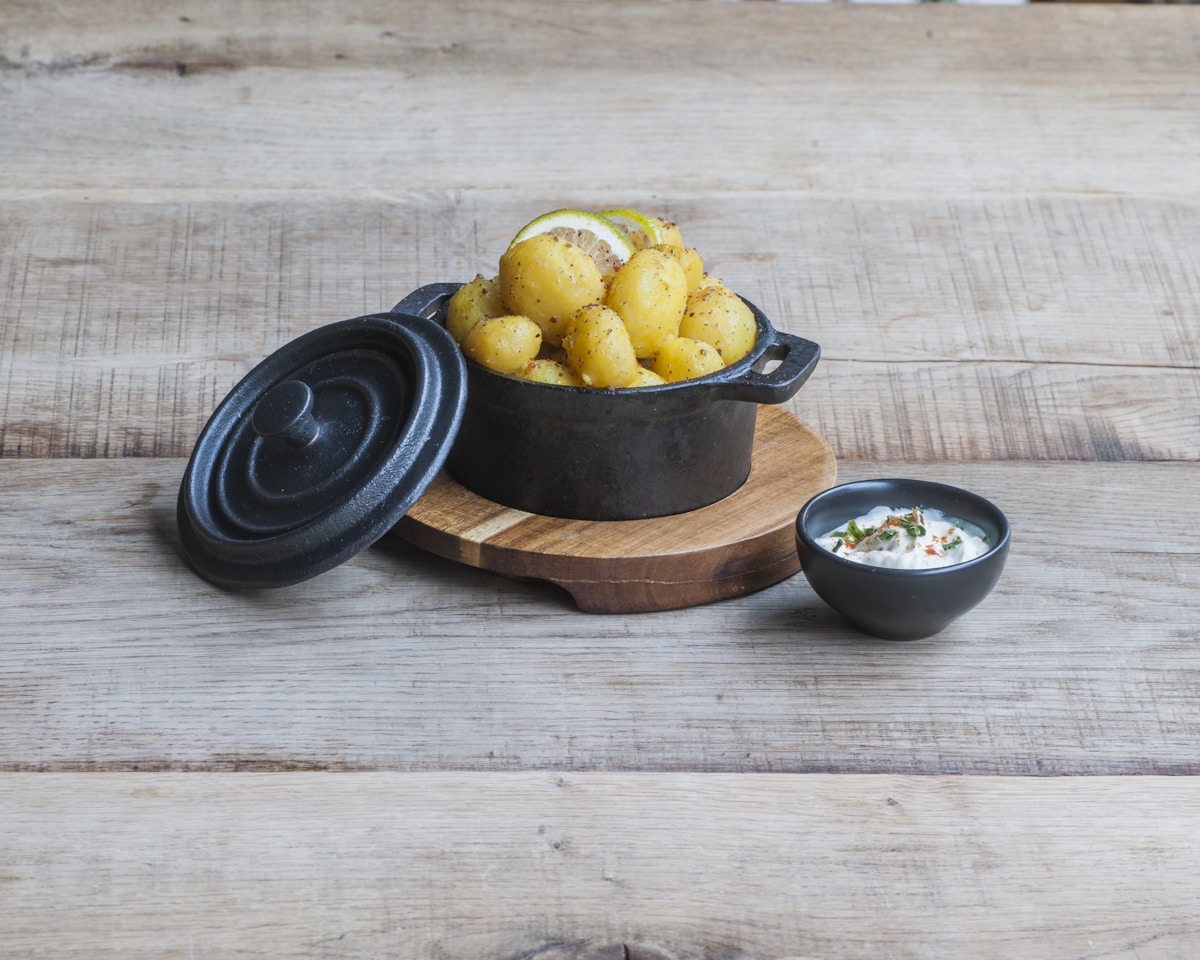
You’ve seen it. Tucked away in the cookware aisle, or maybe hanging by the checkout as a tempting impulse buy. It’s the tiny cast iron skillet, usually around 3.5 inches, looking like a toy for a dollhouse kitchen. The first thought for most people is, “That’s adorable.” The second thought is almost always, “But what on earth would I actually do with it?”

Why Does My Cake Burn on the Edges and Stay Raw Inside?

Why Does My Cake Burn on the Edges and Stay Raw Inside?

You’ve done everything right. You followed the recipe to the letter, measured your flour perfectly, and even let your eggs come to room temperature. You preheat the oven, set the timer, and slide your beautiful cake batter in, full of hope. But when the timer dings, you’re met with that all-too-common tragedy: dark, over-baked edges that threaten to turn into crust, and a gooey, under-baked center that sinks sadly as it cools.

What Size Cast Iron Skillet Should I Actually Buy?

What Size Cast Iron Skillet Should I Actually Buy?

You’re standing in the aisle, staring at a wall of dark, heavy pans. They all look the same, yet they’re all different sizes. An 8-inch, a 10-inch, a massive 12-inch. You’ve heard the legends — that a good cast iron skillet is a ‘buy it for life’ tool, a future family heirloom that only gets better with age. The pressure is on. If you’re going to buy just one, which one is it?

Can You Cook a Great Steak Without a Cast Iron Pan?

Can You Cook a Great Steak Without a Cast Iron Pan?

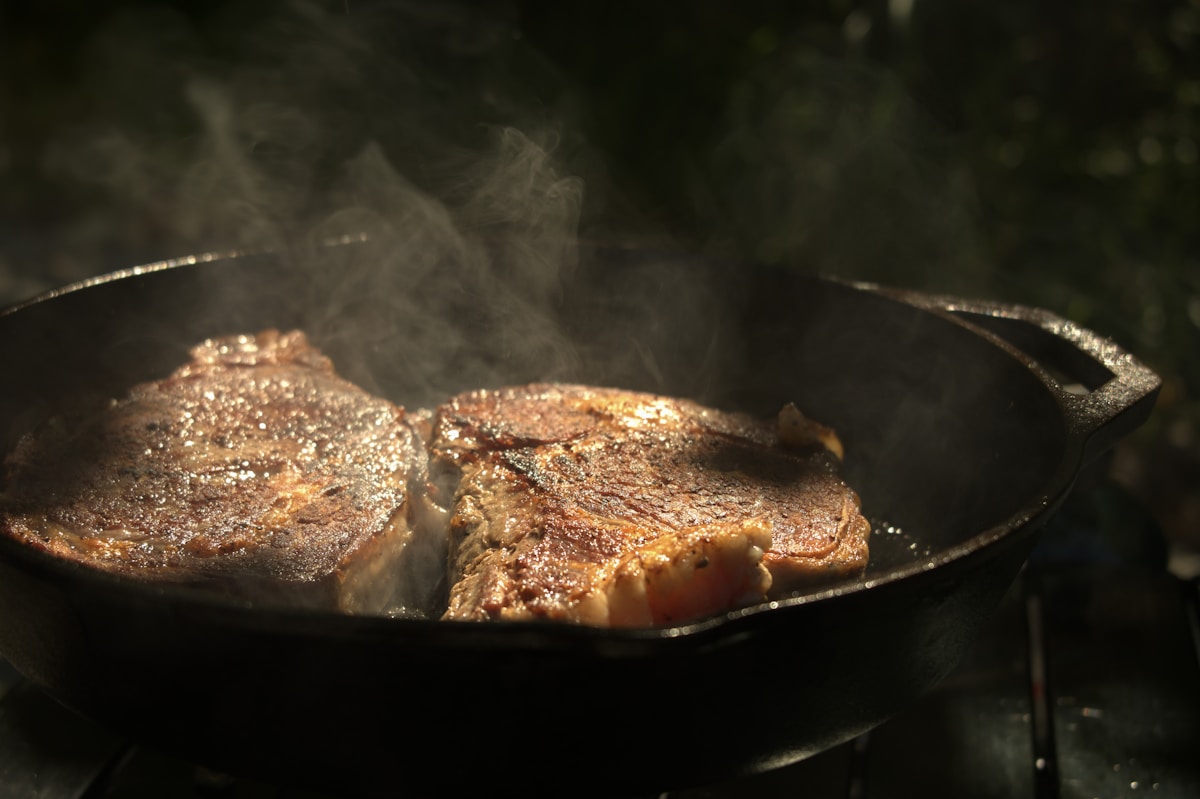
You’ve got the perfect steak for a special occasion—a thick-cut ribeye or a beautiful New York strip. You’ve seen all the videos, read all the articles, and they all say the same thing: get your cast iron skillet ripping hot. But you look in your cabinet and there’s no heavy, black, seasoned-to-perfection cast iron pan in sight. There’s just your trusty stainless steel skillet that you use for everything else.

Is a Home Meat Slicer Really Worth the Cost and Hassle

Is a Home Meat Slicer Really Worth the Cost and Hassle

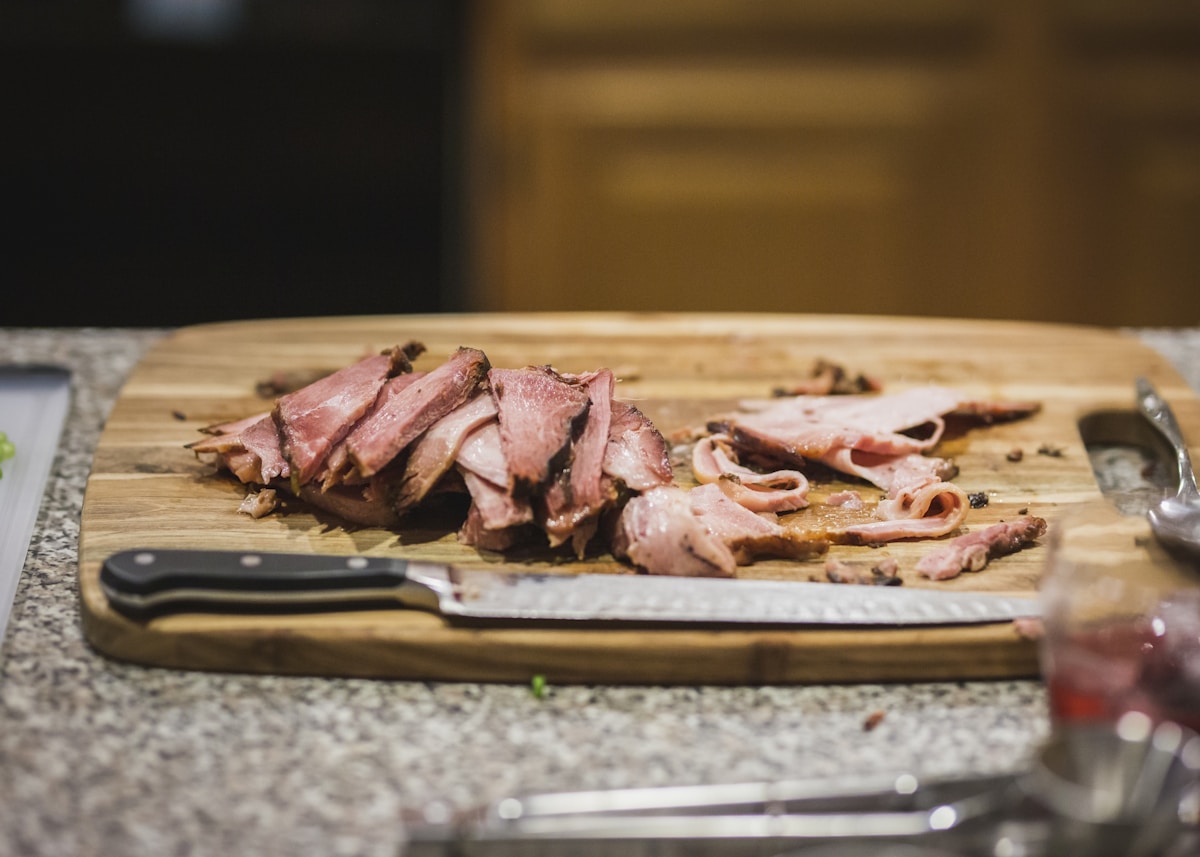
Let’s be honest. You’ve stood at a deli counter, watched them turn a solid hunk of turkey into a fluffy, paper-thin pile of perfection, and felt a pang of sandwich envy. You take it home, build your masterpiece, and it’s glorious. A week later, you try to replicate it with a knife and your own home-roasted beef. The result? Thick, clumsy slabs that are more chewy than tender. The magic is gone.

Is Putting My Expensive Knife in the Dishwasher a Huge Mistake?

Is Putting My Expensive Knife in the Dishwasher a Huge Mistake?

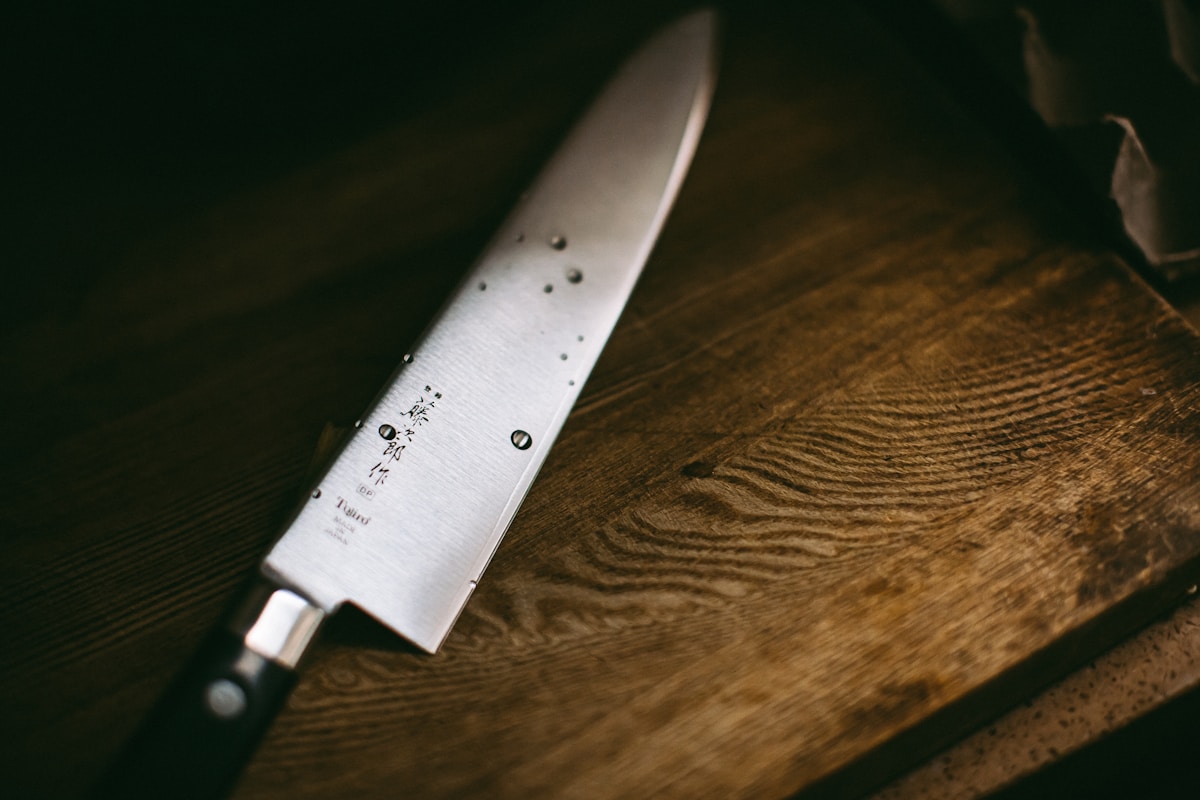
It’s 9 PM. The satisfying sizzle of your finished dinner has faded, replaced by the daunting sight of a sink full of dishes. You’ve chopped, seared, and sautéed your way to a fantastic meal. Now, all that stands between you and the sofa is the cleanup. Your beautiful, sharp chef’s knife—the one you spent good money on—is lying on the counter, covered in dried-on garlic and herbs. The dishwasher door is open, beckoning with its promise of hands-free convenience. Just toss it in, right? We’ve all felt that temptation.

What Are Small Cast Iron Pots Actually Good For?

What Are Small Cast Iron Pots Actually Good For?

You’ve seen them. Tucked away on a shelf at a kitchen supply store, or maybe sitting dusty in a thrift shop, looking like a toy from a doll’s kitchen. I’m talking about those tiny cast iron pots, the ones often smaller than a coffee mug, usually holding less than 20 ounces. Your first thought is probably, “That’s adorable.” Your second thought is almost always, “But what would I ever do with it?”

Is a Flip Waffle Maker Really Better for Perfect Waffles?

Is a Flip Waffle Maker Really Better for Perfect Waffles?

There are few kitchen disappointments quite as specific as the ‘sad waffle.’ You know the one. You followed the recipe, preheated the iron, and waited patiently for the green light, only to open the lid to a pale, floppy disc that’s somehow both undercooked on top and overcooked on the bottom. It’s a breakfast tragedy.

What Is A Mini Cast Iron Skillet Actually Good For?

What Is A Mini Cast Iron Skillet Actually Good For?

You’ve seen them. Sitting on the store shelf next to their hefty 10- and 12-inch siblings, those tiny 3.5- to 6-inch cast iron skillets look almost like toys. Your first thought is probably, “Cute, but what would I possibly do with that besides melt a tablespoon of butter?” It’s a fair question, one I see pop up all the time, even from seasoned cooks.

What Is The Best Cast Iron Skillet For A Beginner?

What Is The Best Cast Iron Skillet For A Beginner?

Let’s be honest. We’ve all been there. You’ve got a beautiful steak, you’ve seasoned it perfectly, and you’re dreaming of that deep, brown, restaurant-quality crust. You place it in your regular non-stick pan, and instead of a triumphant sizzle, you get a disappointing hiss. The steak steams, turns a sad shade of grey, and you’re left wondering what went wrong.

Is a 10 Inch or 12 Inch Cast Iron Skillet Better for Beginners

Is a 10 Inch or 12 Inch Cast Iron Skillet Better for Beginners

You’ve heard the stories. You’ve seen the gorgeous food photos online—the perfect steak sear, the crispy-edged cornbread, the deep-dish skillet cookie. You’ve decided it’s time to join the cast iron club. So you head to the store, or more likely, open a new browser tab, and you’re immediately stopped by the first, most fundamental question: 10-inch or 12-inch?

Which Kitchen Tools Are Actually Worth Investing In?

Which Kitchen Tools Are Actually Worth Investing In?

I’ve been there. You’re halfway through peeling a bag of potatoes for a big family dinner, and the flimsy blade of your $5 vegetable peeler snaps right off the plastic handle. Or maybe it’s the non-stick skillet you bought six months ago, now flaking into your morning eggs. It’s a frustrating, wasteful, and frankly, expensive cycle.

What Can You Actually Cook in a Mini Cast Iron Skillet?

What Can You Actually Cook in a Mini Cast Iron Skillet?

Let’s be honest. You probably have one. It sits on a shelf or hangs from a pot rack, looking more like a dollhouse accessory than a piece of serious cookware. It’s that tiny 3.5-inch or 5-inch cast iron skillet, likely a gift from a well-meaning relative or an impulse buy from the checkout line. For months, maybe years, its primary job has been acting as a spoon rest, a paperweight, or a coaster for your morning coffee.

How Do You Cook Crispy Salmon Skin in Cast Iron Without It Sticking?

How Do You Cook Crispy Salmon Skin in Cast Iron Without It Sticking?

The Heartbreak of Stuck Salmon Skin

We’ve all been there. You bought a beautiful, thick-cut salmon fillet. You imagined that moment: the fork pressing through flaky pink flesh, followed by the satisfying crunch of perfectly rendered, crispy skin. You heat up your trusty cast iron pan, lay the fish in with a confident sizzle, and wait.

Is a $150 Chef's Knife Really Better Than a $50 One?

Is a $150 Chef's Knife Really Better Than a $50 One?

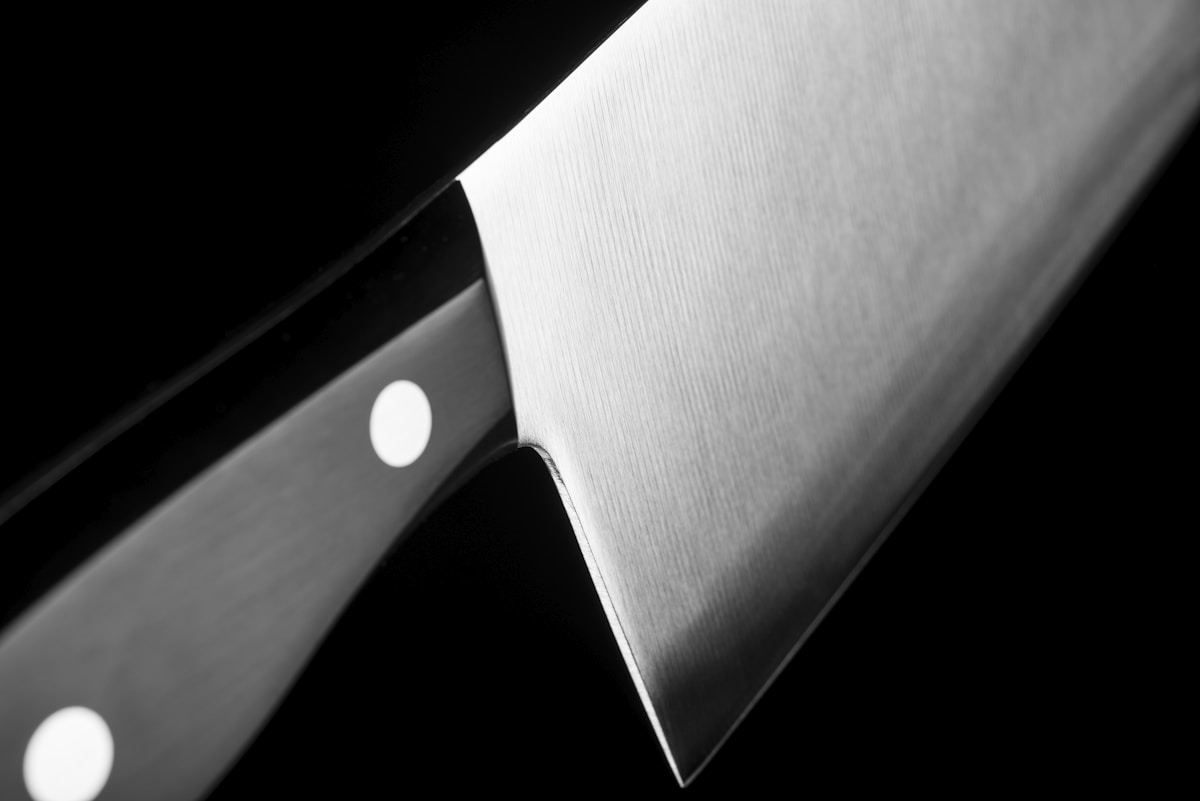
You know the feeling. You’re standing in front of a beautiful, ripe tomato, ready to slice it for a sandwich. You grab your trusty old chef’s knife, the one that came in a block set years ago. You press down, and… mush. The skin wrinkles, the juice squirts out, and you’re left with a sad, squashed mess instead of a clean, perfect slice. It’s one of the most common frustrations in the kitchen, and it always leads to the same question: Is it my knife? And do I really need to spend a fortune to fix it?

Will Acidic Marinades Ruin My Cast Iron Skillet?

Will Acidic Marinades Ruin My Cast Iron Skillet?

You’ve got your meal prep planned. Four beautiful salmon fillets, a zesty lemon-dill marinade, and your trusty cast iron skillet ready to go. The goal: a perfect, crispy-skinned salmon that will still be delicious on Wednesday. But then a nagging thought creeps in: “Won’t the lemon juice in this marinade destroy my hard-earned seasoning?”

Should You Buy a Cast Iron Pan from a Restaurant Supply Store

Should You Buy a Cast Iron Pan from a Restaurant Supply Store

Have you ever walked into one of those giant, warehouse-style restaurant supply stores? The ones with shelves stacked to the ceiling with industrial-sized everything, from 50-pound bags of flour to spatulas the size of canoe paddles. It’s a magical, slightly intimidating place. And somewhere, usually tucked away on a bottom shelf, you’ll find them: a stack of plain, heavy, almost brutally simple cast iron pans for a price that seems too good to be true.

Does the Color of Your Cake Pan Really Matter for Baking

Does the Color of Your Cake Pan Really Matter for Baking

You followed the recipe to the letter. You measured the flour correctly, your butter was the perfect room temperature, and you even set a timer. Yet, when you pull your beautiful cake from the oven, you’re met with disappointment. The edges are dark brown and a little tough, pulling away from the sides of the pan, while the center has domed up and cracked, and a tester comes out just a little too moist.

What Are Those Tiny Cast Iron Pots Actually Good For

What Are Those Tiny Cast Iron Pots Actually Good For

You need to melt two tablespoons of butter for a batch of popcorn. You open the cabinet and stare at your options. Do you grab a full-sized, one-quart saucepan, knowing most of the precious butter will just coat the bottom and sides? Or do you zap it in a bowl in the microwave, playing the familiar game of “will it melt gently or will it explode into a greasy Jackson Pollock painting?”

What Is That Tiny Cast Iron Pot Actually Good For?

What Is That Tiny Cast Iron Pot Actually Good For?

You’ve seen it. Maybe it was a gift, or maybe you saw it hanging in the cookware aisle and bought it on a whim because, let’s be honest, it’s adorable. I’m talking about that miniature cast iron pot, usually the Lodge 15-Ounce Melting Pot, looking like a toy version of its larger skillet cousins. It sits in your cabinet, and every time you see it, you ask the same question: “Besides melting a tablespoon of butter, what is this thing really for?”

Are Squeeze Bottles The Best Kitchen Upgrade Under Ten Dollars?

Are Squeeze Bottles The Best Kitchen Upgrade Under Ten Dollars?

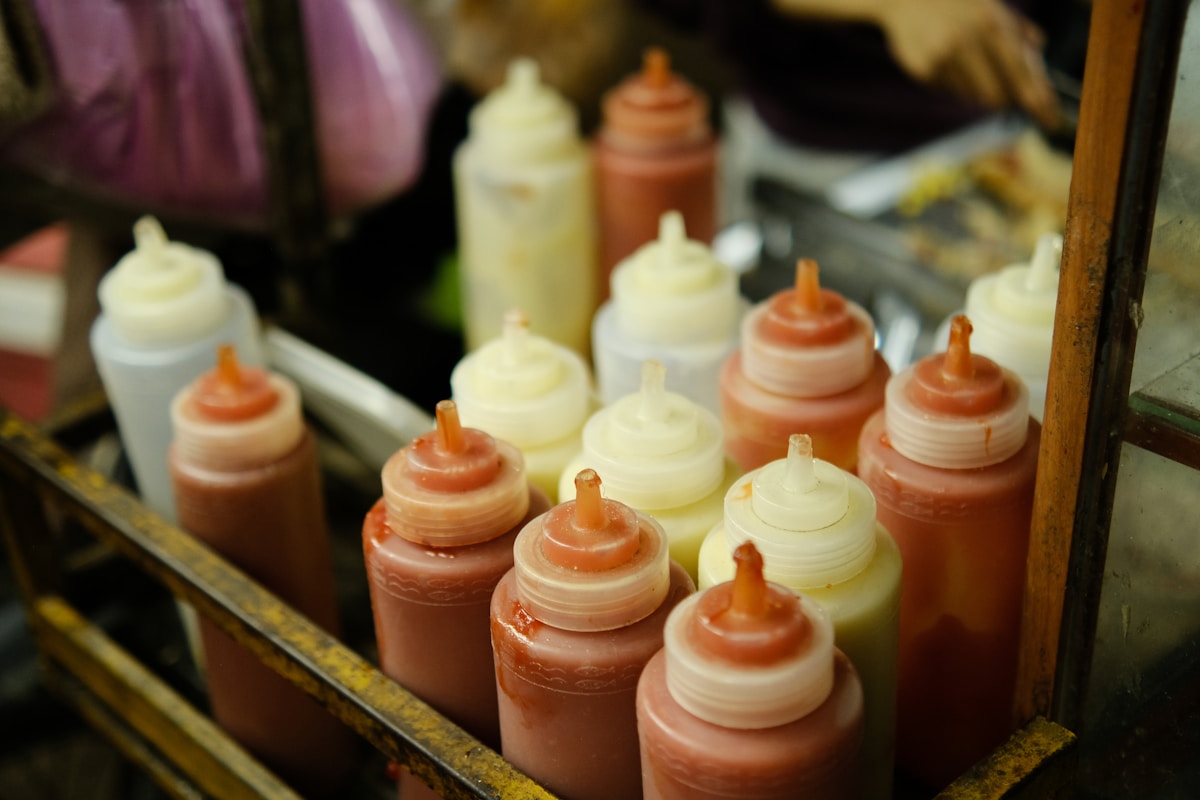
You know the moment. You’re standing over a beautiful salad, ready to apply that perfect finishing drizzle of extra-virgin olive oil. You tip the bottle, aiming for a delicate, lacy stream, and instead, you get a single, heavy glug that drowns a third of your arugula. Or maybe you’re trying to plate a dish, and the balsamic glaze you lovingly reduced comes out of the jar in a clumsy blob.

What Is The Best Pan For Charring Vegetables Perfectly

We’ve all been there. You’re making tacos, dreaming of those blistered, sweet, and smoky strips of bell pepper and onion you get at your favorite taqueria. You slice them up, toss them in a pan, and ten minutes later… you have a sad, steaming pile of limp, grayish vegetables. All sizzle, no substance. The flavor is gone, the texture is floppy, and your taco dreams are dashed.

Why Do My Cakes Bake Unevenly in Different Pans?

Why Do My Cakes Bake Unevenly in Different Pans?

It’s a moment every home baker knows. You followed the recipe perfectly. You preheated the oven, mixed the batter just right, and poured it into three identical-looking pans to make a beautiful layer cake. But when the timer goes off, you’re faced with a frustrating mystery: one cake has dark, almost-burnt edges; another is pale and sad; and the third is… well, maybe it’s just right. What gives? How can the same oven and same batter produce such wildly different results?

Should You Finally Buy a Cast Iron Skillet After All These Years?

Should You Finally Buy a Cast Iron Skillet After All These Years?

You’ve seen them in magazines, on cooking shows, and maybe collecting dust at a relative’s house. The heavy, black cast iron skillet. For years, you’ve gotten by just fine with your stainless steel and non-stick pans. They work. They’re familiar. But there’s a nagging voice that wonders what you’re missing. You’ve heard the hype—unbeatable sears, incredible durability—but you’ve also heard the warnings about rust, seasoning, and complicated cleaning rituals.

What Can You Actually Cook in a Mini Cast Iron Pot

What Can You Actually Cook in a Mini Cast Iron Pot

You know the moment. You need to melt two tablespoons of butter. You grab your smallest saucepan, which is still way too big. The butter sizzles, foams, and threatens to brown in about thirty seconds flat. Or you’ve made a beautiful pan gravy, but by the time you get it to the table in a gravy boat, it’s lukewarm. These are the small, everyday kitchen frustrations that make you wonder if there’s a better tool for the job.

Should You Buy Cookware From a Restaurant Supply Store

Should You Buy Cookware From a Restaurant Supply Store

I’ll never forget the first time I walked into a real restaurant supply store. There were no bright, friendly displays. No curated sets of pastel-colored Dutch ovens. It was just aisle after aisle of stark, industrial shelving holding stacks of plain aluminum pans, sheet trays by the dozen, and whisks the size of my forearm. It felt less like a store and more like a warehouse for serious work.

Should I Buy a Baking Starter Kit or Individual Tools

Should I Buy a Baking Starter Kit or Individual Tools

You’ve seen them. Scroll through any online marketplace for baking supplies, and you’ll find a giant, colorful, 150-piece “Ultimate Baking Set” for a price that seems too good to be true. It has everything: dozens of piping tips, silicone everything, a flimsy turntable, and a bunch of plastic gadgets you can’t even identify. It promises to turn your kitchen into a professional patisserie overnight.