


You know the moment. You’re standing over a beautiful salad, ready to apply that perfect finishing drizzle of extra-virgin olive oil. You tip the bottle, aiming for a delicate, lacy stream, and instead, you get a single, heavy glug that drowns a third of your arugula. Or maybe you’re trying to plate a dish, and the balsamic glaze you lovingly reduced comes out of the jar in a clumsy blob.
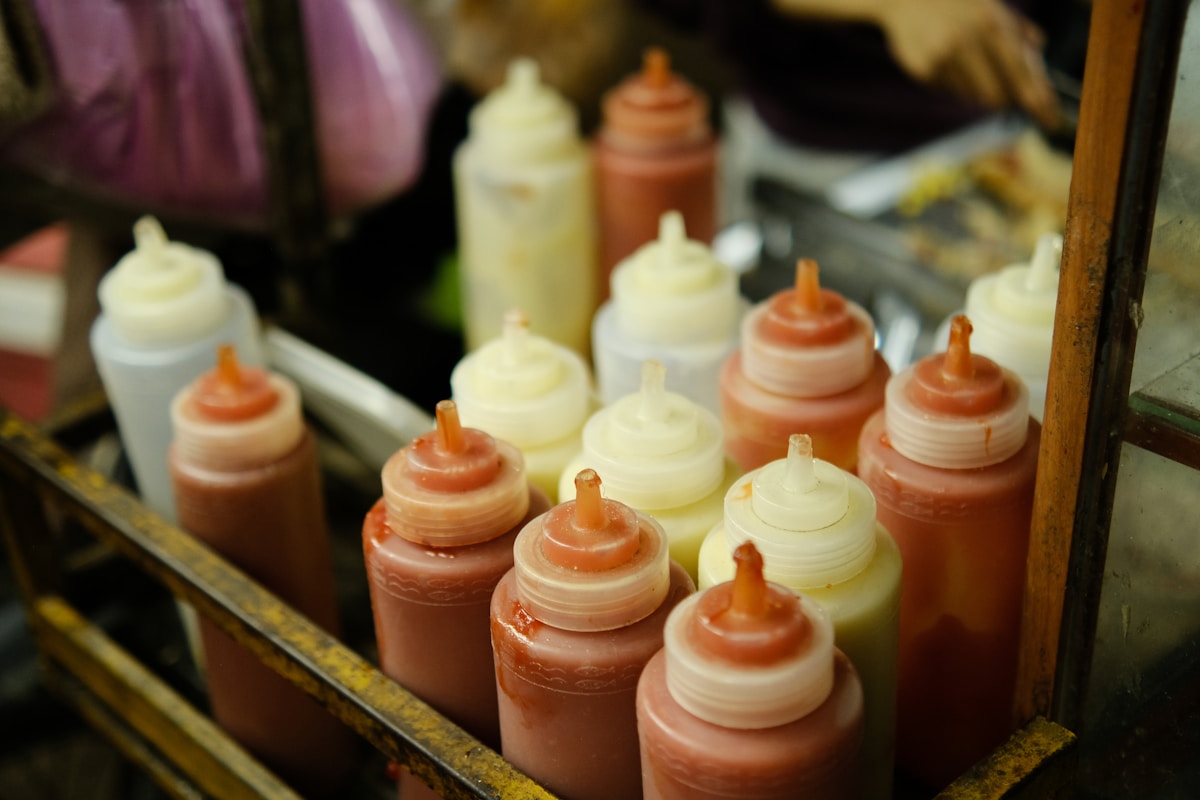
It’s a small frustration, but these moments add up. They make cooking feel less controlled, less graceful. For years, I watched professional chefs on TV wield their ubiquitous clear plastic squeeze bottles with surgical precision, thinking it was just part of the high-speed restaurant environment. I was wrong. Bringing this simple, ridiculously cheap tool into my home kitchen was one of the biggest small upgrades I’ve ever made.
Forget the expensive gadgets. For less than the price of a fancy coffee, you can get a tool that will fundamentally change your workflow for the better. Let’s break down why these simple bottles are a non-negotiable piece of gear in my kitchen, and why they should be in yours, too.
Why Pro Chefs Swear By Squeeze Bottles (And You Will Too)
In a professional kitchen, everything is about efficiency, consistency, and control. This system is called mise en place, which literally means “everything in its place.” Squeeze bottles are the foot soldiers of this philosophy. They take liquids out of their clumsy, branded containers and put them into a standardized, ready-to-use format.
But this isn’t just about looking like a pro. It’s about cooking like one. Here’s what you gain:
-
Precision: This is the big one. Whether you’re oiling a pan, dressing a salad, or decorating a plate, a squeeze bottle gives you a level of control that a bottle, jar, or spoon simply can’t match. You can lay down a paper-thin line of sauce or dispense exactly half a teaspoon of oil into a hot pan without a single drip running down the side.
-
Speed & Efficiency: No more unscrewing caps, fumbling with sticky honey jars, or trying to pour neatly from a giant jug of vegetable oil. You grab, you aim, you squeeze. This might save you only a few seconds each time, but over the course of making a meal, it makes the entire process smoother and less frantic.
-
Better Storage & Organization: Transferring your homemade vinaigrette into a squeeze bottle is infinitely more practical than keeping it in a Mason jar. It’s easier to shake, easier to pour, and fits neatly in the fridge door. Lining up your most-used oils and sauces in uniform bottles just makes your cooking station feel more organized and ready for action.
-
Consistency: When you’re making pancakes for the family, you can create perfectly round, evenly sized cakes every single time. When you’re adding simple syrup to a cocktail, you get the same amount with every squeeze. This consistency is the key to repeatable, reliable results.
Choosing Your Squeeze Bottle Arsenal The Smart Way
Walk into any restaurant supply store (or browse online) and you’ll see a few main types. Not all bottles are created equal, but the most expensive isn’t necessarily the best. It’s about matching the bottle to the task.
Here’s my breakdown of what to buy:
1. The Restaurant Standard (FIFO Bottles) These are the classic, no-frills clear or semi-opaque polyethylene bottles. FIFO stands for “First-In, First-Out,” and some models feature a valve at the bottom so you fill from the top and dispense from the bottom, ensuring you’re always using the oldest product first. For home use, you’ll most likely find the basic top-dispensing version.
- Price: The best part. Usually $1 - $3 per bottle.
- Pros: They are dirt cheap, lightweight, and you can see exactly what’s inside and how much is left. You can write on them with a Sharpie to label contents and dates. They come in various sizes, from a tiny 4 oz to a large 32 oz.
- Cons: The plastic can be thin, and they can lose their shape over time. The screw-on tops can sometimes be leaky if you don’t tighten them just right, and the little red caps for the tips are destined to get lost. (You’ll learn to live without them.)
2. The Consumer Upgrade (OXO Good Grips Squeeze Bottles) OXO has a knack for taking a simple kitchen tool and making it just a little bit better, and their squeeze bottles are no exception.
- Price: More of an investment at $5 - $8 per bottle.
- Pros: They feature a much more robust, high-quality construction. The lids are fantastic — they seal tightly and have an attached cap that won’t get lost in a drawer. Many models also have convenient measurement markings printed on the side.
- Cons: The price. For the cost of one OXO bottle, you can often buy a 6-pack of the standard restaurant ones. They are also typically opaque, so you can’t see the contents as easily.
My Recommendation? Get both. Start with a multi-pack of the cheap, clear restaurant-style bottles. Use them for everything. See what you use most. If you find yourself constantly reaching for the bottle with your homemade ranch dressing, maybe that’s the one you upgrade to a sturdy OXO model.
Beyond Olive Oil 10 Ways to Use Squeeze Bottles
This is where the magic happens. Once you start using them, you’ll find a million applications. Here are my top ten to get you started:
- The Perfect Oil Drizzle: The gateway use. Keep one for your everyday cooking oil (like canola or avocado) and another for your delicate finishing olive oil. No drips, no mess, perfect portion control.
- Homemade Dressings: A simple vinaigrette (try a 3:1 ratio of olive oil to red wine vinegar, a pinch of salt, pepper, and a dab of Dijon mustard) is a dream in a squeeze bottle. Just shake vigorously before each use to re-emulsify.
- Pancake Art & Batter: This is a game-changer for weekend breakfast. Transfer your pancake batter to a wide-mouth squeeze bottle. You can dispense perfect, round pancakes or get creative and make shapes, letters, and spirals. (For a quick batter: 1 cup flour, 1 tbsp sugar, 2 tsp baking powder, ½ tsp salt, 1 cup milk, 1 egg, 2 tbsp melted butter.)
- Sauces, Glazes, and Aiolis: Perfect for plating. Drizzle BBQ sauce over ribs, create a beautiful Sriracha mayo pattern on a sushi bowl, or elegantly finish a steak with a homemade aioli. For thicker sauces, snip the tip of the nozzle with scissors to widen the opening.
- Simple Syrup: For cocktails, iced coffee, or sweetening iced tea, a 1:1 mixture of sugar and water (heated just until the sugar dissolves, then cooled) is a staple. Storing it in a squeeze bottle in the fridge makes it instantly ready.
- Infused Oils: Gently warm a cup of olive oil with a few crushed garlic cloves or a handful of dried chili flakes over low heat for about 10 minutes (do not let it simmer or fry!). Let it cool completely, strain it into a squeeze bottle, and you have instant flavor on demand.
- Egg Wash: Whipping up an egg with a splash of water for brushing onto pastries or bread? Put it in a squeeze bottle. It’s faster and cleaner than using a pastry brush and bowl.
- Icing and Chocolate: For decorating cookies with royal icing or drizzling melted chocolate over a dessert, a squeeze bottle with a fine tip offers incredible control without the hassle of a piping bag for simple designs.
- Precise Water Dispensing: Need just a tablespoon of water to deglaze a hot pan? Or a little spritz to create steam when baking bread? A squeeze bottle of water kept by the stove is your best friend.
- Dish Soap: A non-food bonus! A squeeze bottle with a 50/50 mix of dish soap and water is amazing for spot-cleaning and quick rinses. It’s less wasteful than a big glug of concentrated soap.
The Not-So-Fun Part Keeping Them Clean and Safe
A tool is only useful if it’s clean and safe. Squeeze bottles can harbor bacteria if not cared for, especially with dairy- or egg-based contents. This is non-negotiable.
- Wash After Every Use: Don’t just refill a bottle that held vinaigrette. Empty it, and wash it thoroughly with hot, soapy water. Use a bottle brush to scrub the interior walls and the inside of the cap.
- Check for Dishwasher Safety: Most restaurant-style bottles are made from LDPE (Low-Density Polyethylene) plastic and are top-rack dishwasher safe, but high heat can warp them over time. The more robust OXO bottles handle the dishwasher without any issues.
- The Rice Trick (My Favorite Hack): For stubborn residue inside a narrow bottle, pour in a tablespoon of uncooked rice, a few drops of dish soap, and some warm water. Cap it and shake it like you’re making a cocktail. The rice acts as an abrasive scrubber, getting every last bit off the inside.
- Label and Date: Use a marker to write the contents and the date you made it directly on the bottle. For dressings or aiolis, a good rule of thumb is to toss them after a week.
The Final Verdict Are They Worth It?
Absolutely. 100%. In a world of expensive, single-task kitchen gadgets, the humble squeeze bottle stands out as a true champion of value and utility. It’s not a vanity purchase; it’s a practical tool that solves dozens of small, annoying problems. It streamlines your process, reduces mess, and gives you a degree of control that makes cooking more precise and more enjoyable.
So spend a few dollars on a multi-pack of cheap restaurant bottles. Fill one with oil, one with a simple dressing, and one with your pancake batter this weekend. I promise you, by the end of the day, you’ll be wondering how you ever cooked without them.


