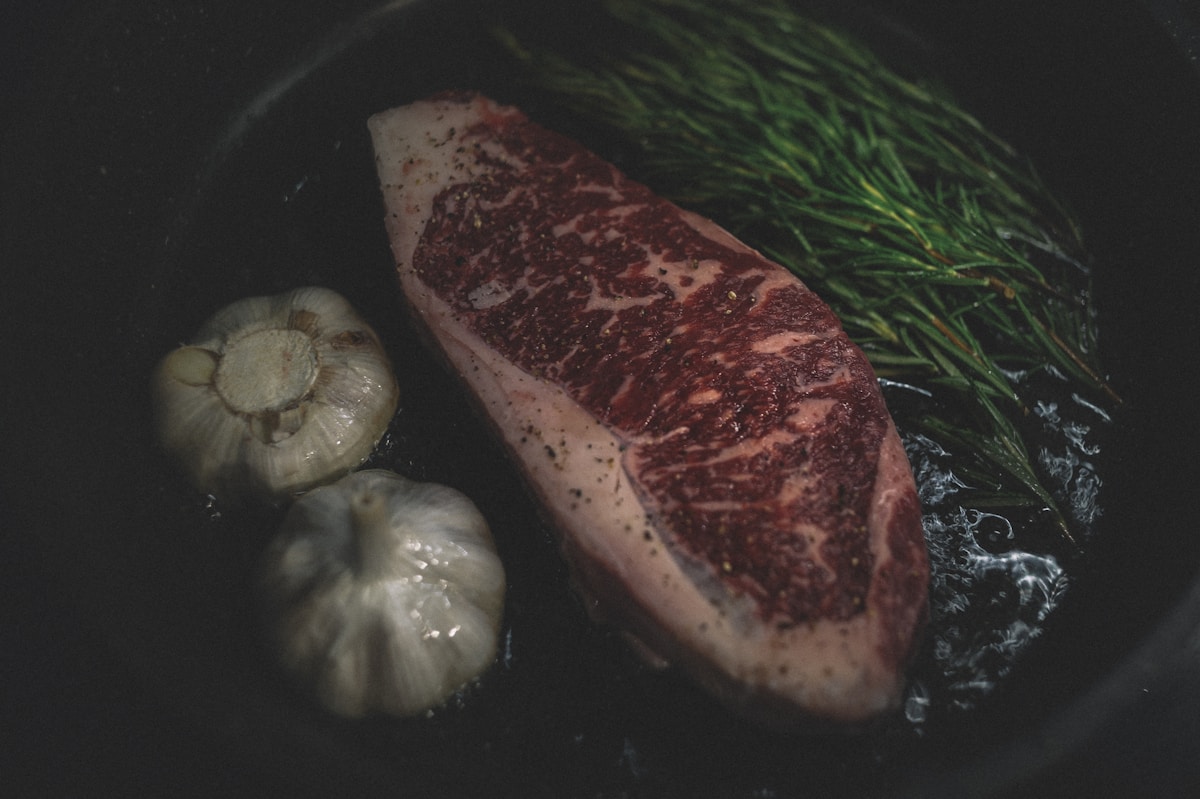
There’s a moment every new cook faces. You’re standing in your kitchen, a beautiful, almost intimidatingly expensive steak sitting on the counter. You’ve read the articles, you’ve watched the videos. Everyone says the same thing: for a perfect, crusty, restaurant-quality steak, you need a cast iron skillet.
But as you look at that heavy, black pan, the doubts creep in. Seasoning? No soap? Hot spots? It feels less like a cooking tool and more like a high-maintenance pet. You just want to cook a great steak for a special occasion, not sign up for a new lifestyle. I saw a post on a cooking forum from a 14-year-old in this exact spot, wanting to nail a birthday steak. It’s a classic dilemma.
So let’s cut through the noise. As the guy who has tested, burned, and seared more things than I can count, I’m here to tell you the truth. Is cast iron the undisputed king? Yes, in some ways. Is it the right pan for a beginner to guarantee success on their first try? Let’s talk about that. The most expensive tool isn’t always the right one, and today we’re focused on the right one for you.
The Science of the Sizzle Why Your Pan Matters
Before we compare pans, we need to agree on the goal: a deep, dark brown, flavorful crust. That crust is the result of a magical process called the Maillard reaction. In simple terms, when the amino acids and sugars in the steak hit a very hot surface (we’re talking 150-205°C / 300-400°F), they create hundreds of new aroma and flavor compounds. It’s not burning; it’s the delicious science that makes a seared steak taste infinitely better than a boiled one.
To achieve this, you need one thing above all else: high, sustained, and direct heat. The pan’s job is to act as a heat battery, storing a massive amount of thermal energy and dumping it directly into the steak’s surface. This is also why moisture is the enemy—water on the steak’s surface will steam at 100°C / 212°F, preventing the pan from reaching the high temperatures needed for the Maillard reaction.
This immediately disqualifies one common pan from the running: the non-stick skillet. Most non-stick coatings, like PTFE, start to degrade and release fumes at temperatures above 260°C / 500°F. You simply can’t get it ripping hot enough to do the job right without damaging the pan and potentially creating unhealthy fumes. For high-heat searing, non-stick is a no-go.
That leaves our two main contenders: the old-world legend, cast iron, and the modern workhorse, stainless steel.
The Heavyweight Champion A Deep Dive into Cast Iron
When people picture a steak sear, they picture a cast iron skillet. It’s an icon for a reason. Its performance is rooted in its material properties. Cast iron is a poor conductor of heat, which sounds bad, but it’s actually its secret weapon. It means it heats up slowly and unevenly if you’re not careful, but once it’s hot, it has incredible heat retention. It holds onto that energy like a bulldog.
The Cast Iron Steak Process:
- The Preheat is Everything: You can’t just throw a cast iron pan on high heat for two minutes. You’ll get a scorched center and cool edges. The key is a slow and steady preheat. I put my 12-inch Lodge on medium-low heat for a solid 10-15 minutes, letting the heat gradually and evenly saturate the entire pan. To check if it’s ready, a few drops of water should bead up and skitter across the surface instantly.
- The Sear: Once preheated, add a high-smoke-point oil like avocado or grapeseed. It should shimmer almost instantly. Carefully lay your steak in the pan (always lay it away from you to avoid splatter). You’ll be rewarded with an aggressive, loud sizzle. That’s the sound of success.
- The Finish: Because it holds heat so well, cast iron is perfect for the final steps. After you flip the steak, you can kill the heat entirely and throw in a knob of butter, a crushed garlic clove, and a sprig of thyme. The residual heat in the pan is more than enough to melt the butter and infuse the steak without scorching anything.
The Reality Check (The Downsides):
- Maintenance is Real: Cast iron requires “seasoning”—a baked-on layer of polymerized oil that creates a naturally non-stick surface. You have to be careful how you clean it (gentle scraping, hot water, and avoiding harsh soaps are best practices). You MUST dry it on the stove immediately to prevent rust and then wipe a micro-thin layer of oil inside before storing. It’s a ritual.
- Weight & Handling: A 12-inch cast iron skillet can weigh over 8 pounds (3.6 kg). It’s cumbersome to move and clean.
- Reactivity: The seasoning can be stripped by acidic ingredients. If you plan to make a pan sauce with wine or vinegar, cast iron isn’t the ideal choice.
For all its quirks, a 12-inch Lodge Classic Skillet is one of the best values in cookware, often coming in under $40. It will last a literal lifetime if you care for it.
The Versatile Workhorse Breaking Down Stainless Steel
If cast iron is the specialized heavyweight, a clad stainless steel pan is the agile all-rounder. “Clad” is the key word here. Stainless steel on its own is also a poor heat conductor. To fix this, manufacturers sandwich a highly conductive core, usually aluminum or copper, between layers of durable stainless steel. This construction (often called tri-ply) gives you the best of both worlds: the fast, even heating of aluminum and the non-reactive, durable surface of steel.
The Stainless Steel Steak Process:
- Quick to Heat: A good stainless pan gets screaming hot in just 3-5 minutes on medium-high heat. The heat distribution is also noticeably more even than cast iron’s, reducing the risk of hot spots.
- The Sear: The process is similar. Preheat, add oil, and lay in the steak. A quality stainless pan will absolutely give you a fantastic sear. It may not have the exact same thermal mass as cast iron, but it’s more than capable of producing a deep, brown crust.
- The Pan Sauce Advantage: Here is where stainless steel truly shines. As the steak cooks, little browned bits of protein, known as “fond,” will stick to the bottom of the pan. This isn’t a sign of failure; it’s concentrated flavor! Once the steak is out and resting, you can pour off the excess fat, return the pan to the heat, and deglaze with a splash of wine, broth, or brandy. The liquid will release all that delicious fond from the bottom, forming the base of an incredible pan sauce in minutes. This is much more difficult and less effective in a cast iron pan.
The Reality Check (The Upsides):
- Zero Maintenance: This is the biggest win for a beginner. You can use soap. You can scrub it with steel wool if you have to. You can stick it in the dishwasher. You can use metal utensils. It’s nearly indestructible.
- Heat Responsiveness: When you turn the burner down, the pan’s temperature drops quickly. This gives you more control and is more forgiving if things get too hot too fast.
- Total Versatility: After you master steak, this same pan is your go-to for sautéing vegetables, cooking acidic tomato sauces, or pan-searing delicate fish—things you wouldn’t (or shouldn’t) do in cast iron.
Good options range from the budget-friendly Tramontina 12-inch Tri-Ply Clad skillet (around $60) to the industry-standard All-Clad D3 (often $130+).
Side-by-Side The Final Showdown
Let’s put them head-to-head on the factors that matter most for a beginner.
- The Best Sear: Cast Iron. By a small margin, its massive heat retention creates a slightly thicker, more uniform crust.
- Heat Control & Evenness: Stainless Steel. It heats up faster, more evenly, and responds instantly to temperature changes, giving the cook more control.
- Ease of Use & Cleaning: Stainless Steel. It’s not even a contest. The lack of seasoning and care rituals makes it infinitely more approachable.
- Making a Pan Sauce: Stainless Steel. Its ability to build and release fond is a game-changer for flavor.
- Price: Cast Iron. It’s the undisputed budget king.
- Overall Versatility: Stainless Steel. It’s the one pan that can truly do it all.
The Lucas Verdict The Best Steak Pan for a Beginner
My philosophy is simple: the right tool makes cooking easier and builds confidence. The fear of ruining an expensive steak is a major barrier for new cooks. We need to remove as many variables as possible.
For that reason, my official recommendation for a beginner’s first steak pan is a 12-inch heavy-bottomed, clad stainless steel skillet.
Here’s why: It lets you focus on the fundamentals of cooking a steak—patting the meat bone-dry, seasoning properly, managing your stove’s temperature, and knowing when to flip—without the added mental load of cast iron maintenance. It’s more forgiving. If it gets too hot, you can lower the heat and the pan responds. And the reward of making your first incredible pan sauce from the fond is a massive confidence booster.
Here’s your kitchen hack: No matter which pan you choose, the single most impactful step you can take for a better crust is ensuring your steak is completely dry. Take it out of the packaging, place it on a wire rack over a plate, and let it sit uncovered in the fridge for a few hours, or at the very least, pat it aggressively with paper towels right before you season it. A dry surface sears; a wet surface steams.
Think of it this way: learn to drive in a reliable automatic car (stainless steel) before you try to master a temperamental manual sports car (cast iron). Once you’ve nailed the process in stainless steel a few times, then by all means, buy a Lodge skillet. It will feel like a powerful upgrade, not an intimidating chore. You’ll be ready to appreciate its unique strengths.
Don’t let gear get in the way of the joy of cooking. Buy the tool that sets you up for success now. The perfect steak is waiting.